
Best Bookcase Speakers for Vinyl: Every Type Explained Side by Side for 2026
Disclosure: We may earn a commission when you buy through links on this page, at no extra cost to you. As an Amazon Associate I earn from qualifying purchases. Learn more

Passive and powered bookcase speakers suit vinyl in different ways. Compare phono inputs, size, tuning and price to match your turntable and room.
Speakers for a turntable need to do two things well: stay out of the way of the record and fit the gear you already own. The best bookcase speakers for vinyl are compact, balanced and easy to connect, and the right pair depends on whether you have an amplifier, a phono stage or neither. This guide compares the main types so you can match one to your turntable, your room and your budget.
Use the product table to scan the options, then read the trade-offs below, the specs that matter for records and a few setup tips that protect both your speakers and your vinyl.

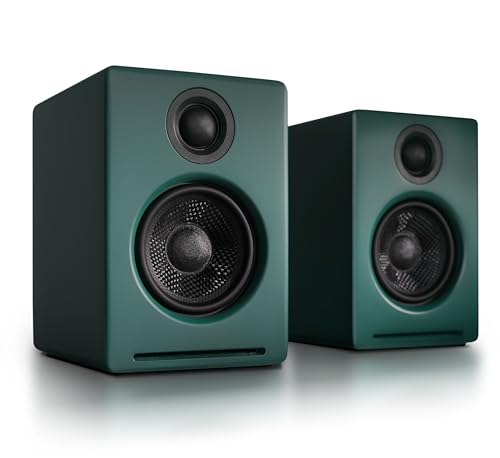

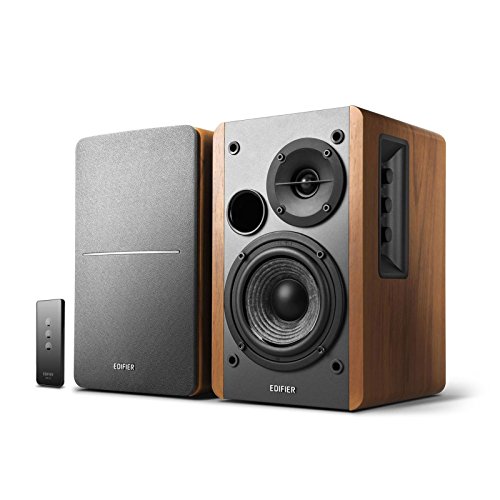
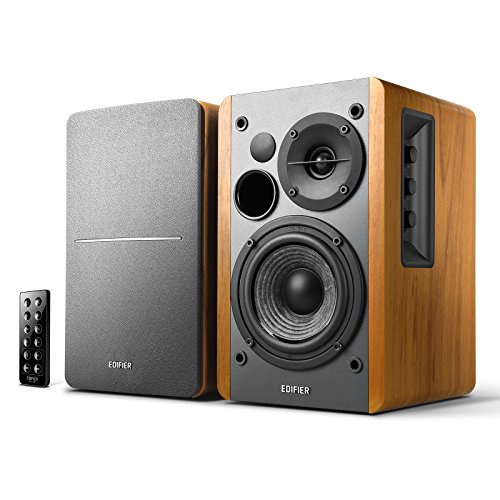


Types of Bookcase Speakers for Vinyl Compared
Bookcase speakers are compact speakers made for shelves, stands or desks rather than the floor. For vinyl, the main difference is how they get power and how the turntable signal reaches them. The three types below cover most of what you will find.
Passive Speakers With a Separate Amplifier
Passive speakers connect by speaker wire to an amplifier or receiver, which usually also provides the phono input. This is the classic hi-fi route. It keeps the signal path simple and lets you upgrade one component at a time. The cost is extra gear and cables, and a passive pair is only as good as the amplifier driving it. This type suits you if you already own an amplifier or want to build a system gradually.
Powered Speakers With Built-in Amplification
Powered speakers carry the amplifier inside the cabinet. Many accept a turntable directly through a line or phono input, and some add Bluetooth or optical inputs. Setup is simple: two speakers, one power cord each and a cable from the turntable. This type suits small rooms and desks, and anyone who wants records and streaming from one pair of speakers. Check that the model has a phono input or that your turntable has a built-in preamp.
Wireless-Capable Powered Models
These add Bluetooth or Wi-Fi so you can stream between records. They are convenient, but for vinyl the wired analog input is still the better path. Think of wireless as a bonus for background music, not the main way to play records.
Passive vs Powered: Which Should You Choose?
Start with what you own. If you have an amplifier with a phono input, passive speakers give you the most upgrade freedom. If you have only a turntable, a powered pair with a phono input is the shortest path to sound. Sound character depends more on the speaker voicing than on the type, so look for a neutral balance that keeps voices and acoustic instruments natural. Budget is the last factor: a powered pair often costs about $150 to $400, while a passive pair plus amplifier can start lower or climb well past $500.
How to Choose Speakers for Vinyl
Phono Stage: Find It Before You Buy
A turntable needs a phono stage somewhere in the chain. Some turntables include one, some powered speakers include one and some amplifiers include one. You need exactly one. A missing phono stage is the most common reason a new setup sounds thin and quiet, so map your gear before you buy.
Size, Weight and Placement
Bookcase speakers still need breathing room. Most sound best with a few inches between the back panel and the wall, and rear-ported models need more space than sealed ones. Measure the shelf depth and keep the turntable on its own stable surface, since vibration from the speakers can reach the stylus. Aim for tweeters near ear height and angle the speakers slightly toward your seat.
Sound Quality and Tuning
Woofers of 4 to 5 inches suit desks and small rooms, while 5 to 6 inch woofers fill medium rooms with fuller bass. A neutral balance suits most records, while a bass-heavy tune can muddy older pressings. Frequency response figures only mean something when they include a tolerance such as plus or minus 3 dB.
Inputs and Everyday Use
Look for a simple analog input, a subwoofer output if you may add bass later and a volume control you can reach easily. Check the back panel layout in photos, because inputs placed too close together fight with thick cables.
Setup and Care Tips
Place speakers on firm stands or isolation pads and keep the speaker wire runs tidy and roughly equal in length. Dust the cabinets and grilles with a dry cloth, keep the drivers away from direct sun and never spray cleaner onto a cone. Keep records away from heat and sunlight too, since they suffer from both far more than speakers do.
Frequently Asked Questions
What features matter most in bookcase speakers for vinyl?
A correct phono path matters most, followed by a clean analog input and balanced tuning. Confirm where the phono stage sits in your chain, then match the woofer size to your room.
Do I need an amplifier?
Only with passive speakers. Powered speakers include the amplifier, so you can connect a turntable directly as long as there is a phono stage somewhere in the chain.
Wired or wireless: which sounds better for records?
Wired is more predictable, with no compression, pairing delays or dropouts. Use wireless for streaming and keep the wired input for your turntable.
How far from the wall should the speakers sit?
Start with a few inches and listen. Move them out gradually if bass sounds boomy. Rear-ported speakers usually need more room than front-ported or sealed models.
Do bookcase speakers need a subwoofer for vinyl?
Not always. Many pairs give satisfying bass for records in small rooms. Add a subwoofer later if you want deeper low end, and choose speakers with a subwoofer output if you plan to.
Final Thoughts
Match the type to your gear first, confirm the phono path second and judge the tuning third. Passive pairs reward listeners with an amplifier, and powered pairs suit small rooms. The best bookcase speakers for vinyl are the ones that fit your turntable without extra boxes or workarounds. Compare sizes, inputs and prices in the product table above. For a general pair, see our guide to the best bookcase speakers.


