Best Bone Saws for 2026: Hunting and Butchery Guide
Disclosure: We may earn a commission when you buy through links on this page, at no extra cost to you. As an Amazon Associate I earn from qualifying purchases. Learn more

Compare bone saws by blade, frame, hygiene, size and safety, with guidance for hunting, butchery and home processing.
A good bone saw cuts through ribs, pelvis and frozen joints cleanly, stays safe in wet hands and washes up properly afterward. The best bone saws suit the work you actually do, whether that is breaking down game, butchering at home or trimming large cuts for the freezer. Use the comparison table below for a quick overview, then read on for the features that matter.
Frame saws, folding saws, hand held butcher saws and powered models all exist. Which one is right depends on the size of the bones, how often you cut and where you work.




Who Should Buy a Bone Saw
Hunters, butchers and home processors benefit most, especially when breaking down game or large cuts at home. Smallholders and cooks who process meat regularly also gain from a dedicated saw, provided hygiene and safety are taken seriously. If you only trim an occasional rib rack, a simple hand saw may be enough.
Key Features to Compare
Blade Type and Sharpness
A sharp blade with coarse teeth cuts bone cleanly with less force and less splintering. Stainless steel resists rust from blood and moisture. Fine wood or metal cutting teeth clog quickly in bone, so choose a blade made for meat and bone.
Frame Strength and Tension
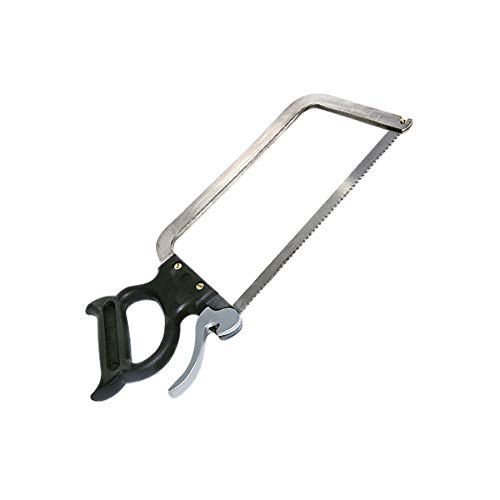
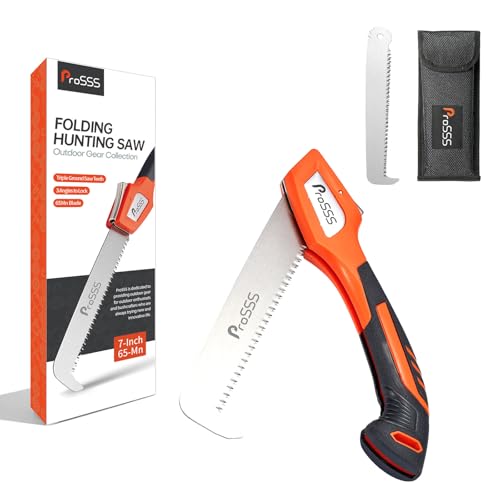
A strong frame and correct tension keep the blade straight and prevent wandering cuts. Frame saws, often 16 to 22 inches long, handle large bones best. Folding and compact saws are lighter, but they flex more under heavy pressure.
Hygiene and Cleaning
Smooth, washable materials and a design you can take apart make it easier to clean thoroughly after meat work. Avoid wooden handles with deep grooves, which hold moisture. Look for a quick release blade so you can wash it properly.
Size and Portability
Blade length should match the bones you cut most often. A very long blade is awkward for small work, and a short blade struggles with large bones. A compact folding saw suits field use, while a larger frame suits a butchery bench.
Safety Features
A secure non slip grip, a blade guard or sheath and safe storage reduce cuts during use and handling. Wear cut resistant gloves when appropriate, and keep the saw away from children.
Manual or Powered
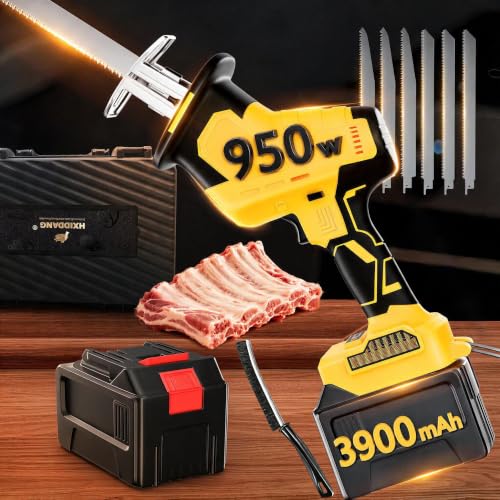
Manual saws are quiet, cheap, easy to clean and need no charging, which makes them a good fit for most home users. Powered handheld saws and reciprocating blades cut faster through thick bones and frozen meat, but they cost more, weigh more and need careful cleaning around the motor. Large electric bone saw machines are commercial equipment and need a bench and a safe operating routine. Typical prices run about $15 to $45 for manual saws and about $80 to $400 or more for powered ones.
Using a Bone Saw Safely
Work on a stable, clean surface and plan your cuts before you start. Check the blade is sharp, tensioned and securely fitted. Keep your free hand clear of the blade path, let the teeth do the work and use long, even strokes instead of forcing the cut. Chill or partly freeze meat before sawing, because firm meat is easier to control.
Care and Long Term Value
Wash the blade and frame thoroughly after use, dry completely and oil metal parts lightly if the manual suggests it. Store the saw in a sheath or case, away from children and damp. Replace dull or damaged blades promptly, since a dull blade needs more force and slips more easily. Keep a food only saw separate from workshop tools.
Mistakes to Avoid
- Using a wood saw for bone, which cuts poorly and is hard to clean.
- Forcing a dull blade, which increases the risk of slipping.
- Skipping hygiene after cutting, which matters when the meat will be eaten.
- Choosing a blade length that does not suit the bones you cut most often.
Related Guides
If you process game in the field, our guide to the best bone saws for hunting covers lighter packable models and powered options for camp.
Frequently Asked Questions
Can you use a wood saw for bone?
No. A bone saw is designed for bone density, hygiene and safe meat processing. Wood saws cut differently, are harder to clean for food use and can splinter bone, so keep a dedicated saw for meat.
How do you keep a bone saw hygienic?
Wash it in hot soapy water after use, dry it completely and store it clean and dry. Replace blades that cannot be cleaned properly, and follow normal food hygiene practice for surfaces and tools.
What blade length should you choose?
Match blade length to the largest bones you cut most often. A longer blade suits large game and butchery, while a shorter blade suits small game and field dressing. A folding saw helps for field carry.
How often should you replace a blade?
Replace a blade when it dulls, bends or shows damage rather than on a fixed schedule. A dull blade needs more force and slips more easily, so cutting performance is the best guide. Keep a spare blade for long sessions.
Is a bone saw safe for beginners?
Yes, with protective gloves, a stable work surface and some care. Learn proper technique on small cuts first, keep hands clear of the blade and ask an experienced butcher or hunter for guidance when starting.
Final Thoughts
Match blade length and saw type to the bones you cut, keep hygiene and safety in mind, and replace blades before they dull. Use the product table above to compare options, and you will find the best bone saws for your kitchen, workshop or camp.