
Best Boots for Winter Backpacking Made Simple: A Clear Buying Guide for 2026
Disclosure: We may earn a commission when you buy through links on this page, at no extra cost to you. As an Amazon Associate I earn from qualifying purchases. Learn more

Shopping for the best boots for winter backpacking for the first time? Learn the terms, compare options, and avoid rookie mistakes with this easy guide.
Buying your first pair of best boots for winter backpacking can feel confusing, because a winter overnight trip asks far more of footwear than a summer day hike. You carry a heavier pack, walk on snow and ice, and stop in camp where cold reaches your feet fast. This guide explains each spec in plain English and shows you how to match a boot to your trips.
Note the insulation, fit, and traction you need before you shop. Then use the comparison table below to check boot types against that list.
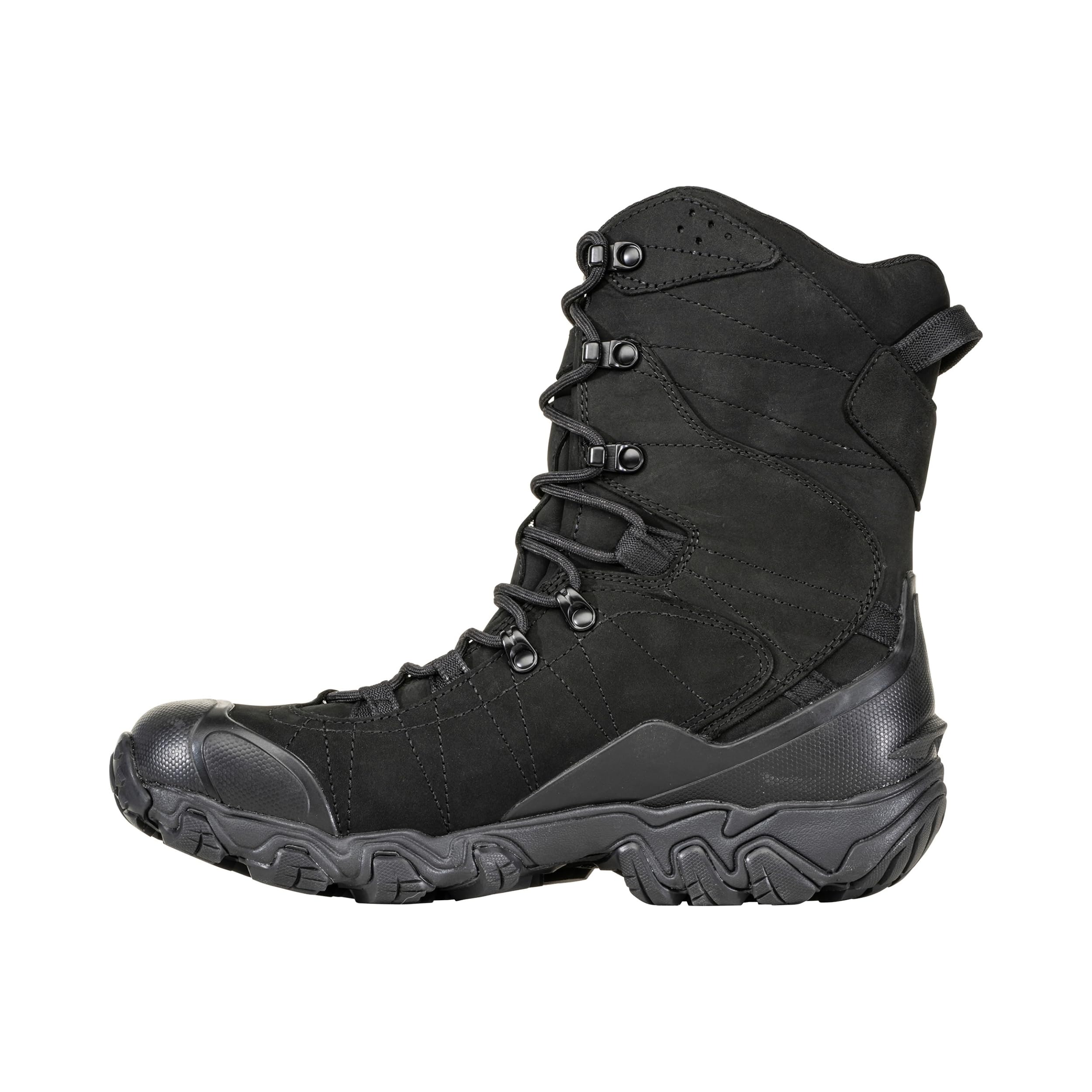
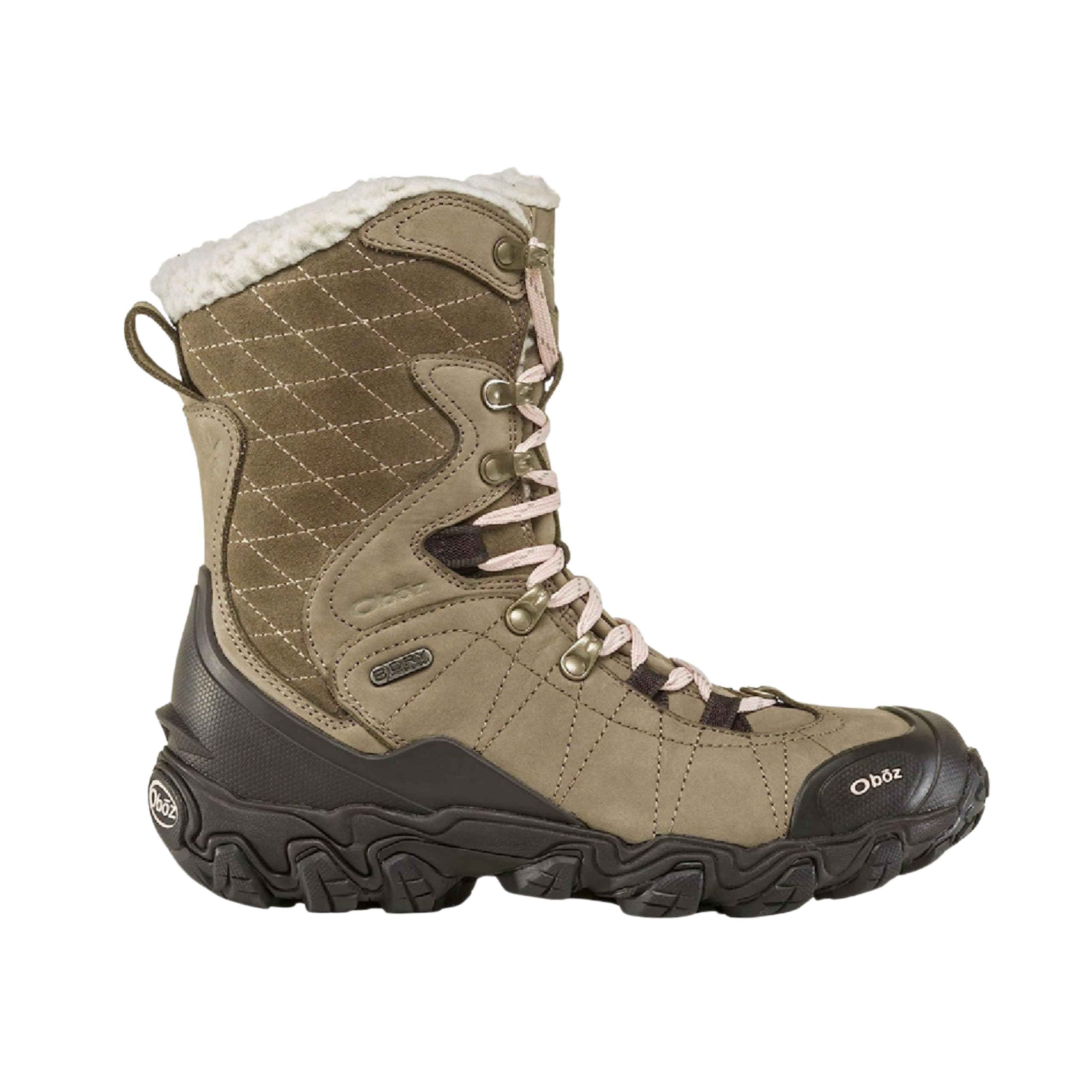
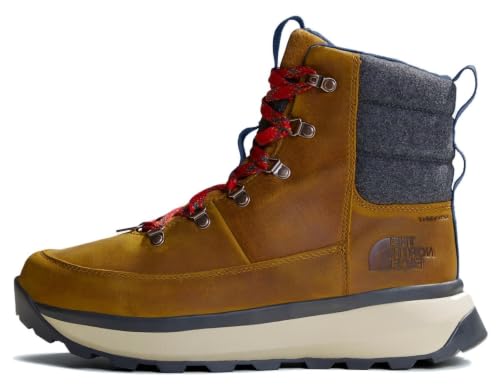
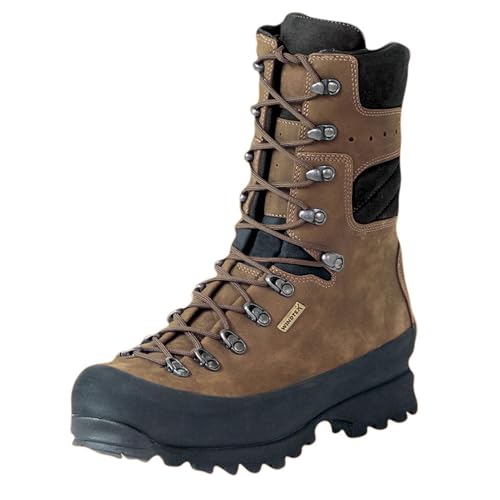


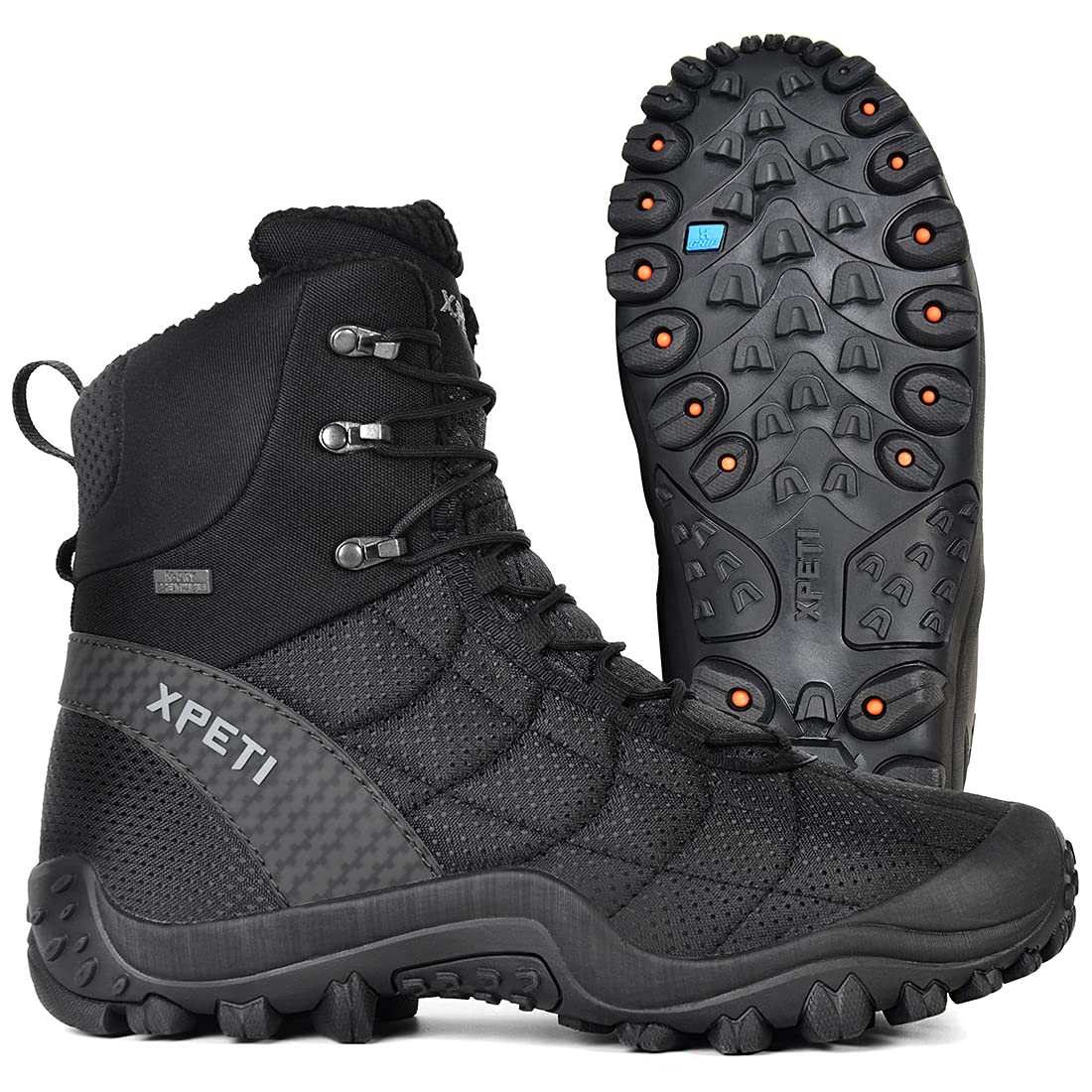

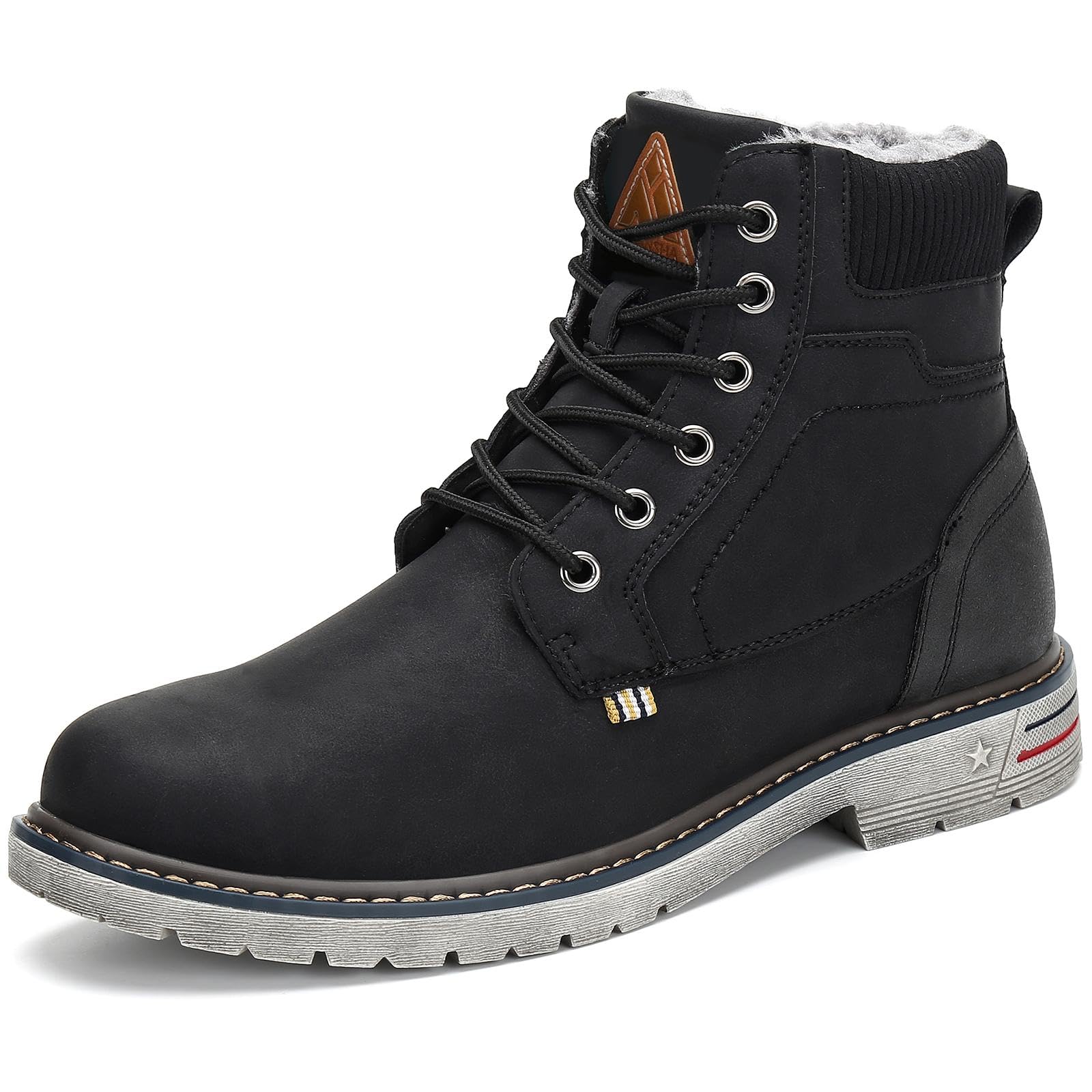

Who Should Buy Boots for Winter Backpacking?
The right choice among the best boots for winter backpacking depends on how cold your trips get, how much weight you carry, and how much time you spend moving versus standing in camp.
Overnight Campers Carrying Heavy Packs in Snow
You hike a few miles to camp, carry shelter and extra food, then cook and stand on snow in the evening. Choose a tall insulated boot with a stiff sole and strong ankle support, because camp time is when feet cool fastest. A roomy fit for thick socks matters more to you than low weight.
Winter Trekkers Covering Longer Miles Each Day
You keep moving for most of the day on packed trails, so warmth comes partly from your own effort. A midweight insulated boot with a flexible forefoot and a grippy outsole suits you best. On groomed or well trodden snow, you can trade some stiffness for comfort over distance.
New Winter Hikers Starting With Short Trips
You plan one night out close to the trailhead while you learn winter skills, and you want one boot that also handles cold day hikes. Pick a versatile insulated model with moderate warmth and good traction. See our guide to the best winter boots for a broader look at cold weather styles.
Boots 101: Types and Basics for Winter Trips
Winter backpacking boots fall into three broad types. Single boots pair an insulated upper with a waterproof membrane and a lugged sole, and they cover most trips down to about 0 degrees Fahrenheit with the right socks. Mountaineering style boots add a very stiff sole that accepts crampons and a taller upper for steep snow. Double boots use a removable inner boot inside a shell, which lets you dry the liner in your sleeping bag in deep cold.
Two terms explain most product pages. Insulation is the fill that slows heat loss while you stand still, listed in grams. A waterproof breathable membrane such as Gore Tex blocks liquid water from melted snow while letting some sweat vapor escape, which helps socks stay drier.
Key Features to Compare
Insulation and Warmth for Camp and Trail
Insulation weight tells you how much fill a boot carries, and more fill means more warmth when you stop moving. Around 200 grams suits active days and milder nights, while about 400 grams suits slow travel, long camp evenings, and colder regions. Temperature ratings are only rough guides, because socks, circulation, and activity change how warm a boot feels. If your feet run cold, choose toward the warmer end.
Fit and Toe Room for Heavy Packs and Thick Socks
Try boots late in the day with your thickest hiking socks, because feet swell after hours of walking. Your toes should wiggle freely and never press the front when you kick a firm surface or walk downhill, since impact in a tight toe box bruises toenails. Aim for about a thumb width of space in front of your longest toe. A secure heel and midfoot stop sliding, while toe room protects circulation and warmth.
Upper Materials, Waterproofing, and Breathability
Full grain leather uppers resist abrasion from crampon straps and frozen brush, and they often last longest with regular care. Synthetic and split leather designs weigh less and break in faster, which suits newer hikers. Sealed seams and a waterproof membrane keep slush out, but no membrane breathes freely, so vent your feet at breaks. For summer trips, see our guide to the best backpacking boots to compare uninsulated uppers.
Traction, Outsole Design, and Snow Tool Fit
Deep, widely spaced lugs bite into soft snow and shed it as you walk, while softer rubber compounds grip better on cold, hard surfaces than stiff summer rubber. Check the heel and toe welts if you plan to use snowshoes or crampons, because bindings need a firm ledge to hold. Match sole stiffness to your steepest planned route, not your easiest one.
Weight, Stiffness, and Support Under a Load
Extra weight on your feet costs more energy than the same weight in your pack, so weigh warmth and support against distance. A stiffer boot protects your ankles and arches when a heavy pack shifts on uneven snow, and it kicks steps into firm slopes more securely. A softer boot feels kinder on flat, packed trails. Most first time buyers do well with a midweight boot that supports a full overnight pack.
Arch Support, Cushioning, and Heel to Toe Drop
Cushioning in the midsole softens the shock of frozen ground, which feels far harder than a summer trail. Flat feet usually need firmer arch support to stop the foot rolling inward under a pack, while high arches often feel better with more padding underfoot. Most winter boots use a modest heel to toe drop that keeps your stance stable on slopes. If you use aftermarket insoles, bring them to every fitting.
Getting Started: Fit Checks and First Walks
Start indoors. Lace the boots with your trip socks and insoles, walk stairs and a slope board if the shop has one, and confirm your heel stays put while your toes stay clear. Wear them around the house for several short sessions, then take brief walks on cold ground. Fit snowshoes at home first, so you learn how straps sit before handling them with gloves on.
Watch your feet closely on those first outings. Persistent numbness, white or waxy skin, or pain that grows instead of easing means you should stop, warm the feet gently, and seek medical care promptly if feeling or normal color does not return.
Common Mistakes to Avoid
- Buying boots in your summer shoe size, because thick socks and swelling then cut circulation and make feet colder.
- Choosing warmth by temperature rating alone, because ratings ignore your activity level, socks, and how long you stand in camp.
- Wearing cotton socks on a winter trip, because cotton holds sweat and loses insulation once it gets wet.
- Skipping traction planning for icy trailheads and frozen stream crossings, because a warm boot still slips on hard ice without added grip.
- Heading out on a multiday trip in brand new boots, because stiff uppers and soles need gradual break in time to avoid blisters.
Care and Maintenance for Winter Backpacking Boots
After each trip, pull out the insoles, loosen the laces, and air dry the boots at room temperature away from radiators and wood stoves, because direct heat cracks leather and weakens adhesives. Brush off dried mud and road salt, since salt draws moisture from leather. Reproof leather uppers when water stops beading on the surface, and check seams and welts before the next trip.
Store boots clean and dry with laces loose, in a spot with moving air rather than a sealed plastic bin. Most insulated boots last about 500 to 1,000 miles, and worn smooth lugs or a compressed midsole signal replacement time. For town use, see our guide to the best boots men winter.
Boots for Winter Backpacking: Your Questions Answered
What features matter most in boots for winter backpacking on a first trip?
Warmth while standing still, a waterproof upper, and room for thick socks matter most on a first trip. Many new buyers focus on weight, yet camp comfort decides whether you enjoy the evening hours. Rent or borrow snowshoes before you buy boots if possible, because binding fit can narrow your choices more than any single spec.
How should boots for winter backpacking fit with thick socks?
Boots for winter backpacking should feel secure at the heel and midfoot while leaving clear space ahead of your toes. A useful home test is to march in place on a slight incline for two minutes. If your toes tap the front or your heel lifts with every step, adjust lacing once, then change size if the problem stays.
Do I need waterproof boots for winter backpacking in dry cold regions?
Yes, waterproof boots for winter backpacking are still worth choosing in dry cold regions. Snow clings to uppers and melts from body heat during breaks, and a single wet crossing can soak an unprotected boot far from camp. Waterproofing also blocks wind driven snow that works through seams on exposed ridges.
Can I wear boots for winter backpacking all day in camp and on the trail?
Yes, you can wear boots for winter backpacking through a full day of hiking and camp chores. Loosen the laces once you reach camp to restore circulation, and swap into dry camp socks so damp trail socks can dry. Elevating your feet on your pack during dinner also reduces swelling.
Are expensive boots for winter backpacking worth the cost for beginners?
Expensive boots for winter backpacking can be worth it when the extra cost buys insulation and support that match your coldest planned trips. Beginners who expect only mild nights often overspend, though. A smarter first step is to put part of the budget toward quality socks and a proper fitting.
How long does the break in period take for boots for winter backpacking?
The break in period for boots for winter backpacking usually takes about 10 to 20 hours of walking spread over several outings. Stiff mountaineering style models sit at the long end of that range. Keep a simple log of hot spots, because a pattern in the same spot tells you to adjust socks or lacing early.
Our Verdict
Start with honest trip details: the coldest night you expect, the pack weight you carry, and the steepest snow you will cross. Match insulation to your camp time, leave real room in the toe box, and confirm the sole works with your snowshoes or crampons. Chosen that way, the best boots for winter backpacking become a calm, practical purchase instead of a guess. Compare your short list against the product table above before you order.


