
Best Boots for Wingers in 2026: What Actually Matters Before You Buy
Disclosure: We may earn a commission when you buy through links on this page, at no extra cost to you. As an Amazon Associate I earn from qualifying purchases. Learn more

Touch, stud pattern and lockdown for cutting decide the best boots for wingers, with fit, weight and price bands compared.
A winger plays the game in short bursts: a first touch taken at pace, a sharp cut inside, then a sprint into open grass. That pattern puts unusual pressure on a boot, so the best boots for wingers are judged by a short checklist rather than by looks or brand heat. Touch at speed, grip that matches your ground, and a fit that holds the foot during cuts decide whether a pair helps you or fights you.
This guide walks through that checklist in order, then sets out what each price band really buys. Read the criteria, compare the options in the comparison table below, and pick the pair that fits the way you actually play.


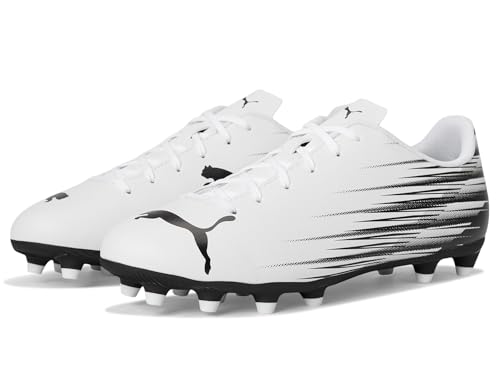

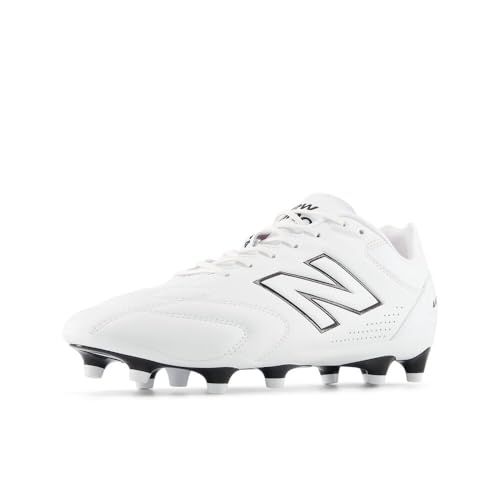
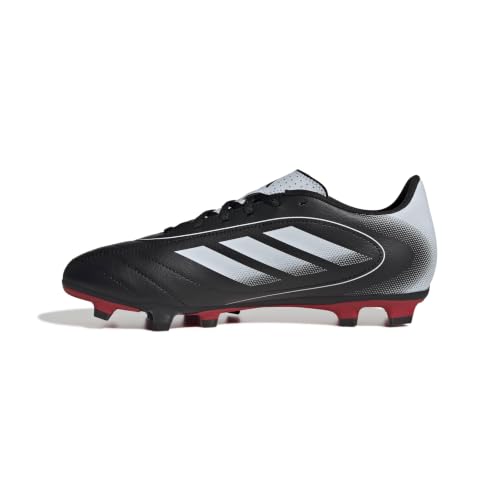


The Criteria That Matter for Wingers
Five factors separate a winger boot from a general soccer boot. Work through them in this order, because a failure near the top of the list cannot be rescued by anything lower down.
Touch Comes First
A winger wants a light boot with a close touch, and that pairing sits at the top of the checklist. Thin uppers in synthetic or soft knit keep the ball close when you receive a pass on the move, and a barefoot feel on the strike zone helps with crosses and cut shots. Thick padding feels forgiving in the store, yet it dulls the small touches you use to beat a fullback. If two pairs feel equal on fit, choose the one with the cleaner, thinner contact surface.
Stud Pattern Matched to Your Ground
A stud pattern is read by the ground you play on, never by the colour of the boot. Firm ground plates carry longer conical or bladed studs for natural grass that is dry or slightly damp. Artificial ground plates use shorter, hollowed studs that spread pressure on synthetic turf. Soft ground plates add metal tipped studs for wet, heavy fields. Playing firm ground boots on turf raises injury risk and wears the studs fast, so match the plate to the surface you use most weeks.
Lockdown for Cutting at Speed
Lockdown governs how well the boot holds your foot when you cut at speed. A winger plants, turns, and drives off the same foot many times a match, and any heel slip inside the boot steals power and invites blisters. Look for a structured heel counter, a midfoot cage or strap free lacing that wraps the arch, and an ankle collar that supports without locking the joint. Your heel should stay seated when you push off hard in the store, with no lift at the back.
Fit, Sizing, and the Toe Box
Measure both feet late in the day, when they are at their largest, and size to the longer foot. A winger boot should fit close, with roughly a thumb width or less between your longest toe and the end, because extra length moves on every touch. Wide feet need a wide last rather than a size up, which adds length without adding width. Leather uppers stretch a little with wear, while most synthetics and knits hold their shape, so judge synthetic pairs by the fit you feel on day one.
Weight, Flex, and How Long a Pair Lasts
Speed boots trade material for lightness, and you feel the saving late in a match when your legs are heavy. The trade is durability: thin uppers and light plates often last one hard season of regular play, while a slightly heavier leather pair can run into a second season. Flex should sit at the forefoot so the boot bends where your foot bends. If you play three or four times a week, budget for replacement sooner and treat the lighter pair as a match day choice rather than an everyday trainer.
What Each Price Band Gets You
Price bands in this class buy materials and plate quality, not magic. Use the product table above to see how the current options split across these bands.
Entry Band: About $40 to $80
Entry pairs use thicker synthetic uppers and basic moulded plates. Touch is less precise and the fit runs more generous, which suits new players and occasional games. Many turf and academy versions sit here, and they make a sensible second pair for training on artificial surfaces.
Middle Band: About $80 to $160
This band brings thinner uppers, better heel counters, and plates tuned to one ground type instead of all surfaces. Most wingers get the best balance here: close touch, secure lockdown, and enough build quality for a full season. If you play weekly in a league, start your search in this band.
Top Band: About $160 to $300
Top pairs chase grams with premium knit or leather uppers and stiff, responsive plates. The gains are real but small, and they matter most to advanced players who sprint and cut at full pace every week. Everyone else pays extra for a difference they may never feel, so buy this band for love of the craft rather than need.
Quick Buyer Checklist
- Is the upper thin enough that you can feel the ball through it?
- Does the stud plate match the ground you play on most weeks?
- Does your heel stay seated when you push off and cut in the store?
- Is there a thumb width or less of space past your longest toe?
- Have you tried the pair on late in the day, with match socks?
- Does the price band match how often you actually play?
For a position by position view of the same choices, see our guide to best football boots for winger.
Red Flags to Watch For
- A plate sold for every surface at once, which usually grips well on none of them.
- No stated stud type or ground rating anywhere in the listing.
- A fit that only feels right with two pairs of socks.
- Weight claims with no size given, since boot weight changes with size.
- A return window shorter than the break in period the seller describes.
Care and Maintenance Tips
Loosen the laces fully before pulling a boot off, so the heel counter keeps its shape. Knock mud off the studs after each game and let wet pairs air dry at room temperature, away from radiators or direct heat, which crack leather and warp synthetics. Stuff damp boots with newspaper to draw out moisture overnight. Rotate two pairs if you train daily, since foam and knit recover better with a rest day between sessions.
Frequently Asked Questions
What features matter most in soccer boots for wingers?
Touch, lockdown, and the right stud plate matter most, in that order. A thin upper keeps your first touch close at pace, and a secure heel and midfoot hold the foot steady when you cut. One extra check helps: look at the lacing system. Offset or covered laces leave a smoother strike zone for crosses, which is a small edge a winger uses far more often than a central striker does.
Should soccer boots for wingers fit tight or loose?
Winger boots should fit close without squeezing, with a thumb width or less past the longest toe. A loose heel is the real problem, because it slides on every cut and causes blisters within a few games. If your feet swell during evening matches, try pairs on at that time of day. Players between sizes in knit uppers usually do better in the smaller size, since knit relaxes slightly with wear.
Which stud pattern should a winger choose for firm ground?
Choose a firm ground plate with conical or bladed studs for dry natural grass. Conical studs pivot more easily, which many wingers prefer for turning, while bladed studs bite harder in straight line sprints. Avoid using that same plate on artificial turf, where shorter artificial ground studs spread the load. If your league plays on both surfaces, a hybrid plate or a second turf pair protects your knees and your boots.
How long do soccer boots for wingers usually last?
Most winger boots last one to two seasons of regular play before the upper softens or the studs wear down. The first sign is usually a heel counter that no longer holds its shape, not a hole in the upper. Grass abrasion at the toe is normal wear. Keeping a training pair for heavy weekday sessions can stretch the life of a lighter match pair by months.
Are lightweight soccer boots worth the higher price for a winger?
Lightweight boots are worth it if you already play at a good pace and notice heavy legs late in matches. The saving is a few ounces per foot, which adds up over dozens of sprints. They are not worth it for new players still building touch, because mid band pairs offer nearly the same feel with better durability. Spend the difference on a second pair for training instead.
Final Thoughts
Start with touch, confirm the stud plate matches your ground, and refuse any pair that lets your heel lift. Those three checks cover most of what makes the best boots for wingers work on the field. The product table above lines the current options up by band, so match your checklist against it and choose the pair that fits your game.


