
Best Bold Pens: Which One Fits the Way You Use It? 2026
Disclosure: We may earn a commission when you buy through links on this page, at no extra cost to you. As an Amazon Associate I earn from qualifying purchases. Learn more
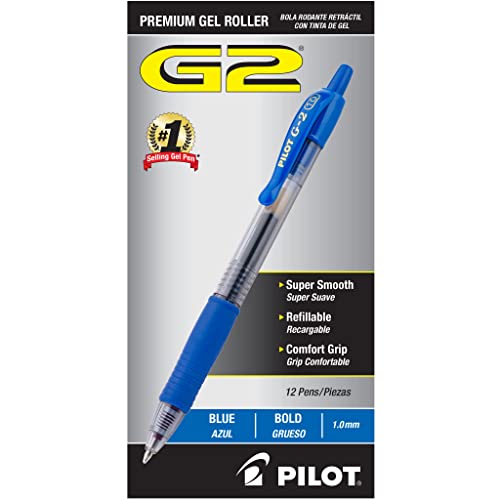
The best bold pens write clear lines for notes and forms. Compare tip size, ink type, grip, and paper fit before you choose.
No single pen suits every hand, every task, and every paper type, so choosing best bold pens starts with how you actually write. A bold line can make notes easier to read, but the wrong tip can bleed through thin paper or feel heavy during a long meeting. The product table can help you sort pen types once you know your main use.
Think about where you write most: quick notes at a desk, forms on the go, or longhand pages at home. Grip shape, ink flow, and drying time matter just as much as line width, and a pen that feels good for five minutes may tire your hand after an hour.
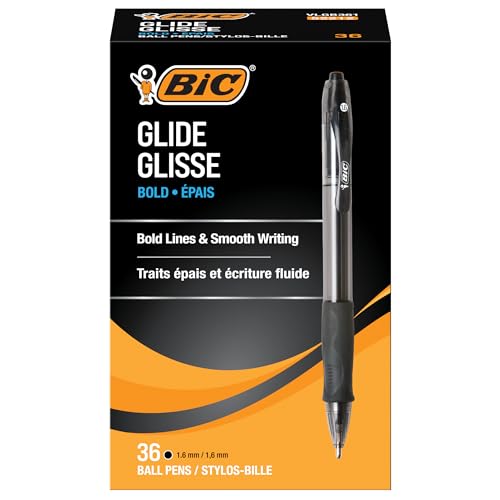
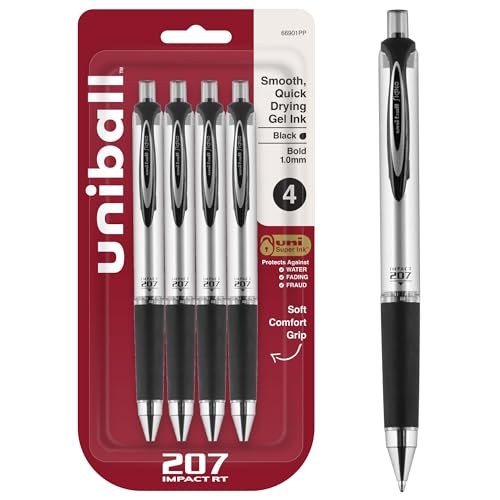
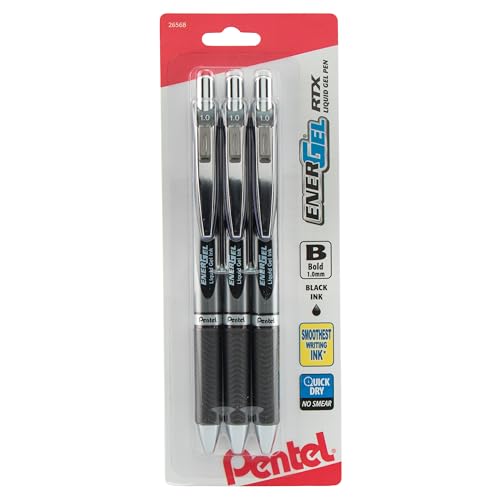
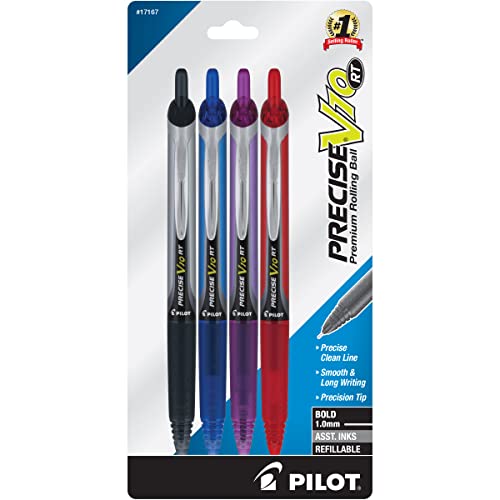

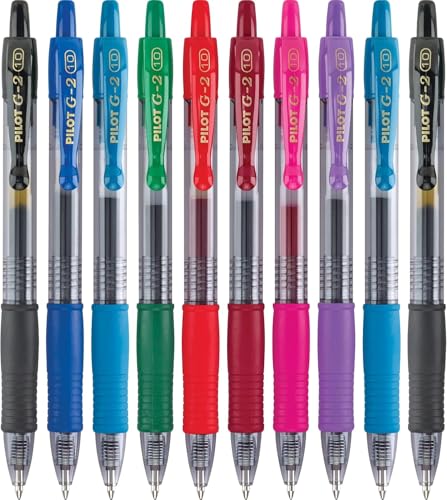


This guide compares bold pens by use case, so you can skip types that do not fit your routine.
Who Should Buy the Best Bold Pens?
Use case shapes the right pen more than price alone. A pen for signing forms needs a clean, fast drying line, while a pen for journaling needs smooth flow and comfort over long pages. Match the main job first, then check ink type, grip, and refill cost.
For Gift Shoppers
Gift shoppers should choose a pen that looks neat, writes well on first use, and comes in a presentable case or box. A classic ink color and a comfortable grip make the gift safer than a very thick tip or a novelty color. Check the return window and the warranty before you buy, and keep the packaging until the recipient has tried the pen.
A set can work well as a gift, and our guide to best pen sets explains how to compare pack sizes and case styles. Keep pens away from young children, and follow maker guidance on ink and small parts.
For Value Seekers
Value seekers should balance ink life, refill cost, and durability instead of chasing the lowest price per pen. A cheap pen that skips, dries out, or leaks can cost more in wasted paper and replacements than a slightly higher priced pen that writes steadily. Check whether refills are easy to find and how much they cost, because a refillable pen often wins over time. A sturdy clip and a cap that stays put also protect the pen in a bag or pocket.
For First Time Buyers
First time buyers should start with a simple pen that has a medium bold tip, a comfortable grip, and ink that dries fast on plain paper. Avoid very thick tips at first, since they can bleed through thin notebooks and make small handwriting hard to read. Try the pen on the paper you use most, and write a full page rather than a single line, because comfort and flow show up over time. A pen with a clear ink window or a simple refill system is easier to maintain.
For People Who Want the Best Performance
People who want top performance should look for consistent ink flow, a tip that keeps its shape, and a grip that stays comfortable during long writing sessions. Premium pens may offer a smoother feed, a better balanced barrel, and a more durable clip, but those gains matter most if you write for hours each day. Try the pen on your usual paper, and check how it handles fast notes, slow signatures, and margin marks. If you write mainly in short bursts, a mid range pen may already meet your needs.
Key Features to Compare in Bold Pens
The features below affect writing feel more than the color of the barrel. Read each one as a trade off: a thicker tip gives a bolder line but uses more ink and may bleed, while a firmer grip gives control but may feel hard after an hour. Compare pens on the paper you use most, not on a shop sample pad alone.
Size and Design
Size and design cover barrel length, barrel width, weight, and balance. A longer barrel can suit larger hands, while a shorter barrel can suit a pocket or a small bag.
Weight near the tip can help control, but a heavy pen can tire the hand during long notes. Check the clip strength and the cap fit, because a loose cap can dry out ink and stain a pocket.
Ease of Use
Ease of use means the pen starts writing at once, keeps a steady line, and does not need frequent shaking or scribbling. A smooth tip helps with fast notes, while a firm tip helps with precise forms and signatures. If you often switch between paper types, choose a pen that handles both plain paper and coated forms without skipping.
For a plain everyday ink option, our guide to best ballpoint pens can help you compare simple, reliable types.
Durability and Care
Durability covers the tip, the clip, the barrel, and the ink system. A tip that bends or frays will change line width over time, while a weak clip can break in a bag. Store pens tip down or flat as the maker directs, keep caps on when not in use, and avoid leaving pens in a hot car.
Clean the grip with a dry cloth, and replace a damaged tip or refill rather than forcing a dry pen to write.
Purpose and Who It Is For
Purpose narrows the choice fast. A teacher marking papers needs a bold line that stands out without bleeding, while a nurse or office worker filling forms needs fast drying ink that will not smudge. An artist sketching bold outlines needs a tip that holds its shape under pressure, while a student taking notes needs comfort and low refill cost. If the pen is for a child, choose a simple design, a washable ink type if available, and follow maker guidance to keep pens away from young children.
The right purpose tells you which extras to skip.
Key Features That Matter
The features that matter most are tip size, ink type, drying time, and grip comfort, because those four decide how the line looks and feels. Tip size sets line width, ink type sets flow and smudge risk, drying time sets how fast you can turn a page, and grip sets comfort. Ink color also matters: black suits forms and work notes, while blue can suit personal notes and signatures.
Our guide to best blue pens explains how blue ink shades differ on plain paper. Check refill availability before you commit to a less common ink type.
Common Mistakes to Avoid When Buying Bold Pens
- Buying on price alone, then finding the ink skips, smudges, or dries out too fast.
- Ignoring tip size, so a very bold line bleeds through thin paper or crowds small handwriting.
- Choosing a pen that is too thick or too heavy for long writing sessions.
- Skipping the refill check, then finding refills hard to find or costly over time.
- Trying a pen for a few seconds only, when grip comfort and ink flow show up over a full page.
Care and Maintenance Tips
Store pens with caps on and away from heat, direct sun, and damp places, and keep them flat or tip down as the maker directs. Wipe the barrel with a dry cloth, and do not soak a pen unless the maker says it is safe to do so. Replace refills before the ink runs fully dry, because a dry tip can scratch paper and wear faster. Check the warranty registration soon after purchase, and keep pens away from young children.
Simple care keeps the line bold and steady for longer.
Bold Pens: Your Questions Answered
What Features Matter Most in a Bold Pen?
Tip size, ink type, drying time, and grip comfort matter most, because those four features decide how the line looks and how your hand feels. A tip that is too thick can bleed through thin paper, while ink that dries slowly can smudge when you turn a page. A grip that fits your hand helps during long notes, and a steady ink flow avoids skipping. Start with those basics, then consider color, barrel style, and refill cost as secondary points.
How Long Does a Bold Pen Last?
Pen life depends on tip type, ink capacity, and how much you write each day, so a heavy writer may empty a pen in weeks while a light writer may keep one for months. Refillable pens can last far longer than disposable pens, because you replace only the ink unit and keep the barrel. A tip that frays or a clip that breaks can end pen life early, so store the pen with its cap on and avoid dropping it. Check refill cost before you buy, since that cost shapes long term value.
Is a Bold Pen a Good Gift?
A bold pen can be a good gift when the recipient writes often and likes a clear, readable line. It works best when you choose a classic ink color, a comfortable grip, and a presentable case, rather than a very thick tip or a novelty design. A set can suit someone who likes to keep pens at a desk, in a bag, and at home. Check the return window before you buy, because grip taste and line width taste differ a lot from person to person.
Is a Bold Pen Worth Paying More For?
Paying more is worth it when the extra cost buys a clear gain you will use daily, such as smoother flow, a more comfortable grip, or a refill system that lowers long term cost. It is not worth it when the premium feature is a fancy finish you rarely notice or a pack size larger than you need. Compare refill prices and expected ink life, not just the price of one pen. A mid range pen often gives the best balance of comfort, line quality, and value for everyday writing.
Final Thoughts
Start with your main use, then match the pen to it: a simple pen for a first time buyer, a balanced pen for a value seeker, and a presentable pen or set for a gift. Tip size, ink type, drying time, and grip matter more than barrel color or pack size, and the product table can help you compare those points side by side. When you have narrowed the choice, try the pen on your usual paper for a full page, and check refill cost one last time. The right best bold pens choice is the pen that writes clearly, feels comfortable, and fits your routine every day.


