
Best Blue Pens for 2026: A Clear Buying Guide
Disclosure: We may earn a commission when you buy through links on this page, at no extra cost to you. As an Amazon Associate I earn from qualifying purchases. Learn more
Pick the best blue pens by ink type, tip size, comfort, and paper match, with simple first use tips and answers for new buyers.
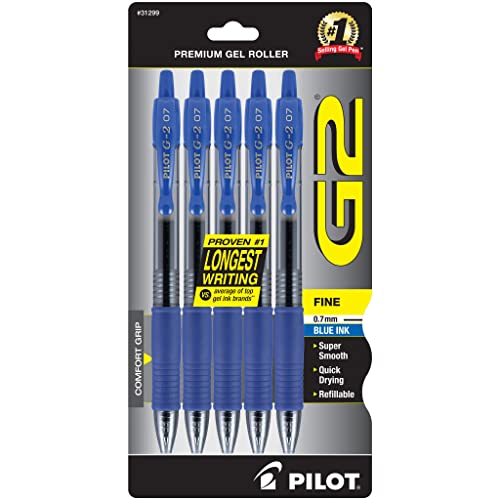
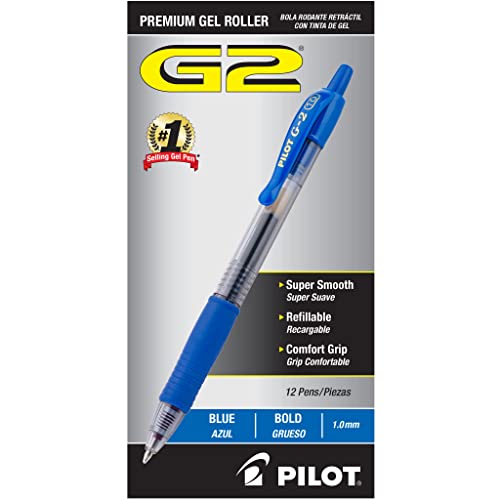
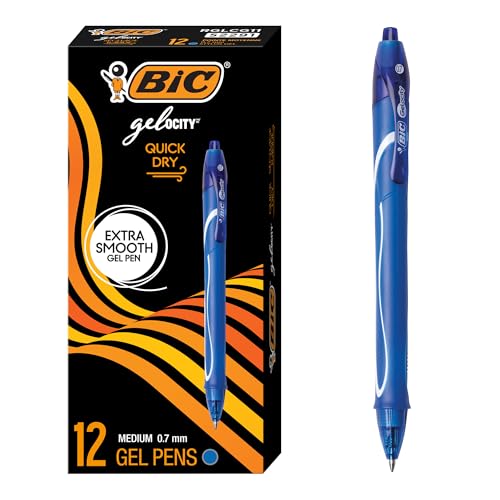
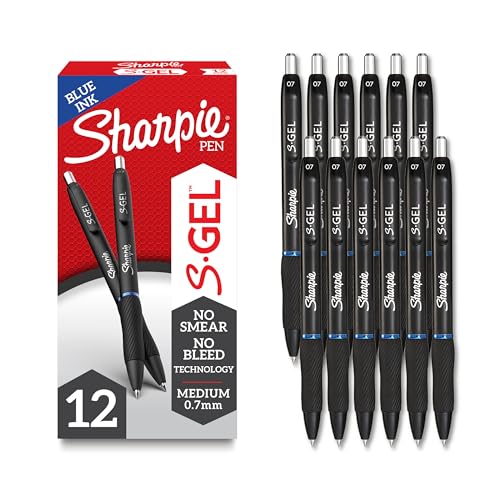
Shopping for the best blue pens should be simple, yet the range on offer can feel confusing when every pen looks alike at first glance. This guide explains the basics in plain language, compares the main types side by side, and helps you match a pen to the way you actually write. The product table gives you a quick overview before you read the details.
If you are buying for school notes, office work, journaling, or everyday lists, the right pen is the one that feels comfortable, dries at a pace that suits you, and works well on the paper you use most. Pens in this color come in several ink styles and tip sizes, and small differences in those two areas change the writing experience more than the color of the barrel. Read on to learn what matters, what to skip, and which mistakes new buyers often make.
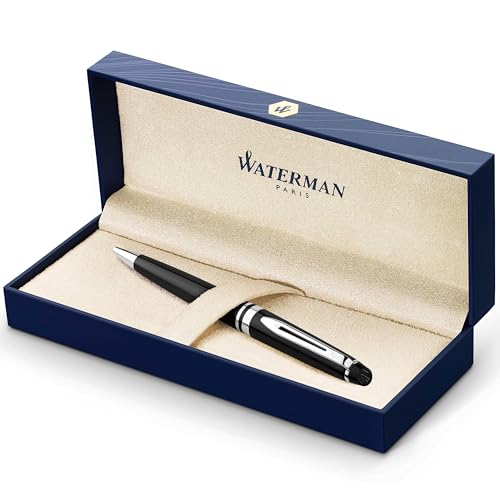

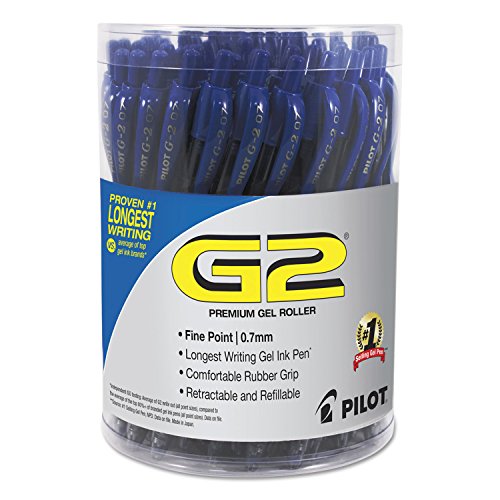


How to Choose the Best Blue Pens: The Basics
A blue pen is simply a pen that lays down blue ink, but the way that ink reaches the paper varies a lot between types. Ballpoint pens use a thick, oil based ink that rolls onto the page through a small ball at the tip.
Gel pens use a water based gel ink that flows more freely and often looks darker and smoother. Rollerball pens use a thinner liquid ink that glides with very little pressure. Fountain pens use a nib and bottled or cartridge ink, and they suit writers who enjoy a more expressive line.
For a first time buyer, the main terms to know are ink type, tip size, grip, and dry time. Tip size is usually given in millimeters, and a smaller tip makes a finer line while a larger tip makes a bolder line. Grip shape affects comfort during long sessions, and dry time matters if you are left handed or if you often close a notebook soon after writing. Keep the maker care guidance in mind as well, and store pens capped and away from children, since ink can stain skin, clothes, and furniture.
Key Specs Explained in Plain English
The specs below cover the factors that change daily writing the most. Use them as a checklist when you compare pens, and give the most weight to ink type and tip size, since those two choices shape every line you write.
Purpose and Who It Is For
Start by naming the main job for the pen. A student taking fast lecture notes needs a pen that starts instantly, keeps up with quick handwriting, and does not skip when the page fills up. An office worker signing forms and writing short notes may prefer a pen that looks tidy, dries fast, and works on standard copy paper. A journal writer may care more about a smooth feel and a rich blue color that makes entries pleasant to reread.
Gift buyers have a different job again, since the pen should feel good in the hand and look presentable without needing special paper or care. If you are buying for a child, check the maker age guidance and choose a simple pen with a cap that stays on firmly. Matching the pen to one main job first makes every later choice easier, because you can ignore features built for uses you will never need.
Key Features That Matter
The features that matter most are reliable ink flow, a tip that suits your handwriting size, and a grip that stays comfortable after several pages. A pen that skips, blobs, or needs hard pressure will tire your hand and make your writing look uneven. Look for a smooth start on the first stroke, since a pen that needs scribbling to get going wastes time and patience.
Other useful features include a retractable tip or a secure cap, a clip that holds the pen in a pocket or notebook loop, and a clear ink window or a barrel that lets you see how much ink remains. A refillable design can save money over time and cut waste, but only if refills are easy to find for that pen style. Skip novelty features that do not improve writing, such as a pen that is heavy only for show.
Materials and Build Quality
Pen barrels are commonly made from plastic, metal, or a mix of both, and each material changes weight and balance. Light plastic pens suit long writing sessions and bags where weight matters. Metal pens feel more solid and can last longer, but they may tire a hand that grips tightly. A rubber grip can add comfort, while a smooth metal grip can feel slippery if your hands get warm.
Build quality shows in small details: a clip that does not bend out of shape, a cap or click mechanism that works every time, and a tip that stays firmly seated. A well made pen should feel balanced near the middle of the barrel rather than heavy at either end. For a deeper look at a related pen style, see our guide to best ballpoint pens.
Durability and Care
Durability for a pen means steady ink flow over its full ink supply, a tip that keeps its shape, and a body that survives daily carrying. Pens that live loose in a bag face more knocks than pens kept in a case or a pen loop, so a sturdy clip and a firm cap matter for bag carriers. Gel and rollerball inks can dry out faster than ballpoint ink if a pen is left uncapped, so capping the pen after each use is the simplest care habit.
Store pens horizontally or tip down only if the maker guidance allows it, and keep them away from strong heat, which can change ink flow. Wipe the tip gently if ink builds up around it, and avoid lending a favorite pen to someone who presses much harder than you do. Follow the maker care instructions for cleaning, and keep pens away from children when they are not in use, since ink stains are hard to remove.
Size and Design
Size covers barrel length, barrel width, and overall weight, and all three affect comfort. A slim pen suits smaller hands and precise writing, while a wider barrel can ease strain for writers who grip firmly. Length matters too: a pen that is too short can feel cramped during long notes, while a very long pen can feel awkward in a small hand or a short pocket.
Design also includes color and finish, and blue ink does not require a blue barrel, though many buyers enjoy the match. A simple, clean design suits office use, while a brighter design may suit a gift or a personal journal. If you plan to carry the pen daily, check that it fits your pocket, case, or notebook loop before you settle on a style.
Price and Value
Blue pens range from about $2 to $25 for everyday styles, with gift and premium styles going higher. Low cost multipacks suit classrooms, offices, and anyone who loses pens often, since each pen costs little and replacements are simple. Mid range pens, at about $8 to $20, often bring better balance, smoother ink, and a more durable body.
Value does not mean the cheapest pen on the shelf. A pen that skips or runs dry quickly costs more in frustration than the few dollars saved. Compare the ink supply and refill cost as well as the purchase price, and think about how many pages you write each week. A refillable pen can be the better value for a heavy writer, while a simple multipack suits a light writer who values convenience.
Rookie Mistakes to Avoid
- Choosing by barrel color alone, which says nothing about ink flow or tip size.
- Picking the finest tip available without trying it first, since a very fine tip can feel scratchy and slow.
- Ignoring dry time, which leads to smudged notes for fast writers and left handed writers.
- Buying a pen that needs special paper when you mostly write on standard copy paper.
- Storing pens uncapped in a bag, which dries out gel and rollerball ink and stains belongings.
Each of these mistakes is easy to avoid once you know to check ink type, tip size, and dry time before you buy. A short try on your usual paper, even with a single pen from a multipack, tells you more than a long list of claims on the packaging.
Getting Started: Setup and First Use
Start by removing any tip seal or cap guard as the maker instructions direct, then try the pen on scrap paper with a few lines of your normal handwriting. Write at your usual speed and pressure, and check for skipping, blobbing, or a line that looks too light or too heavy. If the pen feels scratchy, try a slightly larger tip size rather than pressing harder, since extra pressure tires your hand and can damage the tip.
Once you are happy with the result, note which paper you used, since the same pen can behave differently on glossy, recycled, or thin paper. Follow care instructions from the maker, store the pen capped when not in use, and keep spare refills or a spare pen nearby for important writing days. For a bolder line option, you may also want to read our guide to best bold pens alongside this guide.
FAQs
Are blue pens a good gift?
Yes, blue pens make a good gift when the pen matches the recipient's writing habits. Choose a comfortable grip and a tip size that suits everyday notes rather than a novelty design that looks good but writes poorly. A pen presented in a simple case or with a notebook feels more thoughtful than a loose pen alone. One extra point: if you are unsure about taste, pick a classic dark blue ink and a plain barrel, since that combination suits office, school, and home use alike.
What features matter most in blue pens?
Ink flow, tip size, and grip comfort matter most in blue pens. Ink flow decides whether lines look even, tip size decides how fine or bold the writing looks, and grip comfort decides how your hand feels after several pages. Dry time and refill availability come next, since they affect smudging and long term cost. One point that buyers often miss: a pen that feels great for one page can still tire your hand over a full notebook, so judge comfort over a longer try when you can.
How long does a blue pen last?
A blue pen lasts until its ink supply runs out, and that span depends on ink type, tip size, and how much you write. Ballpoint pens often last longest for the same amount of writing, since their thick ink lays down less ink per line. Gel and rollerball pens can feel smoother but may empty sooner. One useful habit: keep a spare pen or refill ready before an exam, a meeting, or a travel day, so a pen that runs dry does not interrupt important writing.
Is it worth paying more for blue pens?
Paying more is worth it when the extra cost buys smoother ink, better balance, or a refillable design you will actually use. It is not worth it when the higher price only buys a fancy barrel with the same ink and tip as a cheaper pen. Think about your weekly writing volume before you decide. A heavy writer who fills pages daily will notice better comfort and ink flow, while a light writer may be just as happy with a reliable multipack.
Can blue pens work on all paper types?
Blue pens work on most paper types, but results vary with ink and paper pairing. Ballpoint ink suits standard copy paper and forms well, while gel and rollerball ink can feather or bleed on very thin paper. Glossy paper may slow drying and cause smudging with wetter inks. One practical tip: try a new pen on the exact notebook or form you plan to use, and keep a ballpoint pen handy for thin or glossy paper when a smoother ink does not behave.
Wrapping Up
The best choice comes down to ink type, tip size, and comfort on your usual paper. A smooth ballpoint suits fast everyday notes, a gel pen suits writers who want a darker line, and a rollerball suits writers who prefer very light pressure. Check dry time if you write quickly, and weigh refill cost if you write a lot each week.
Start with one main use, try a pen on your normal paper, and keep the pen capped and stored properly between uses. The best blue pens are the ones that feel easy in your hand, start reliably, and keep your writing neat from the first page to the last. Use the picks in the product table to compare options side by side, then pick the style that fits your hand, your paper, and your budget.


