
Best Body Cameras for Police Officers in 2026: Which One Fits the Way You Use It?
Disclosure: We may earn a commission when you buy through links on this page, at no extra cost to you. As an Amazon Associate I earn from qualifying purchases. Learn more

Compare body cameras for police officers by battery life, low light video, storage, mounts and durability, with a clear checklist for duty use.
There is no single camera that suits every assignment. A patrol officer who walks a beat, a traffic officer who works at night, and a detective who interviews witnesses all record in different conditions. The best body cameras for police officers are the ones that match your shift length, your uniform, and your agency rules for storing footage. Use the comparison table below to check each model against those needs first.
Start with how you actually work. Note your shift length, how often you are outdoors in rain or darkness, and where a camera can sit on your uniform without blocking other gear.
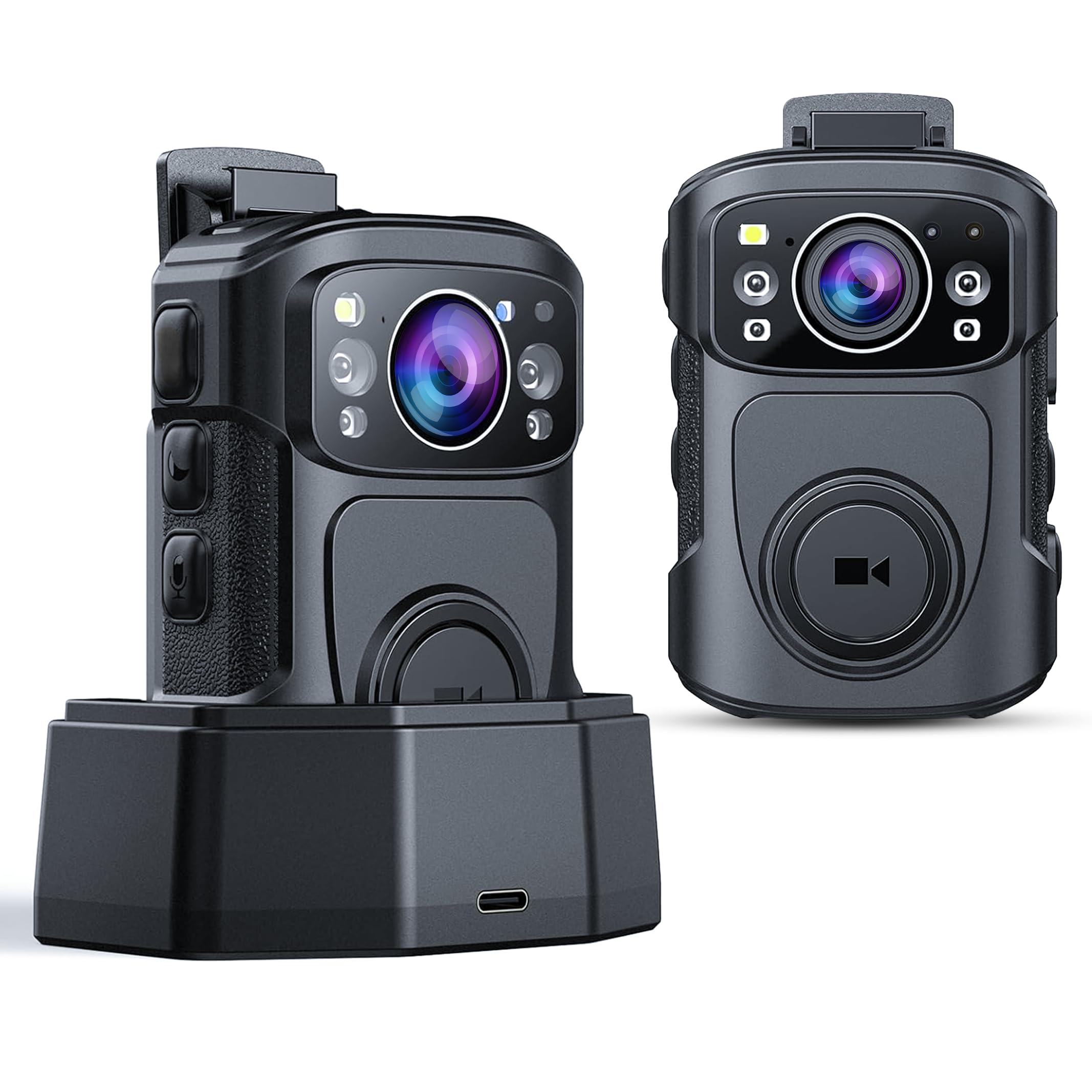
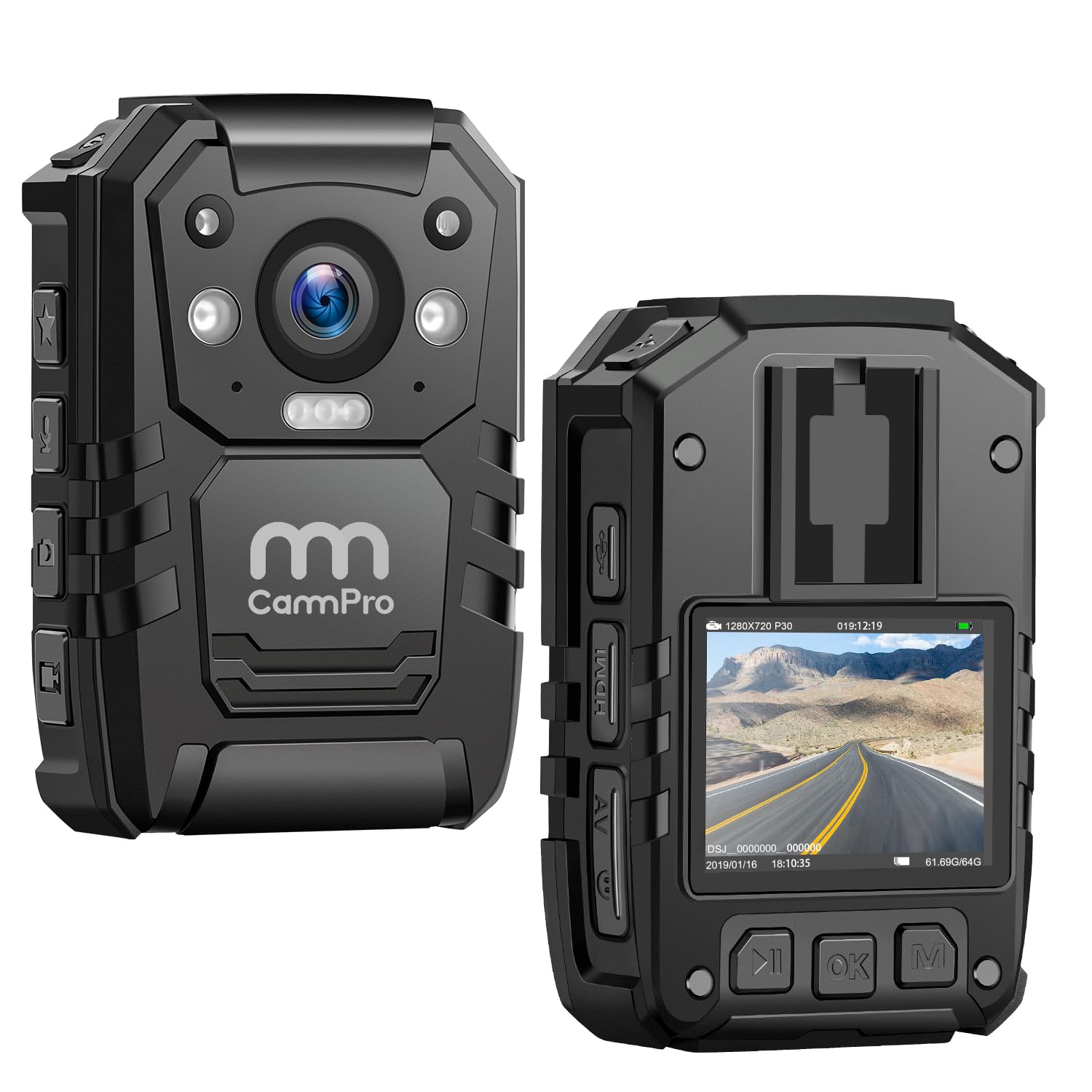


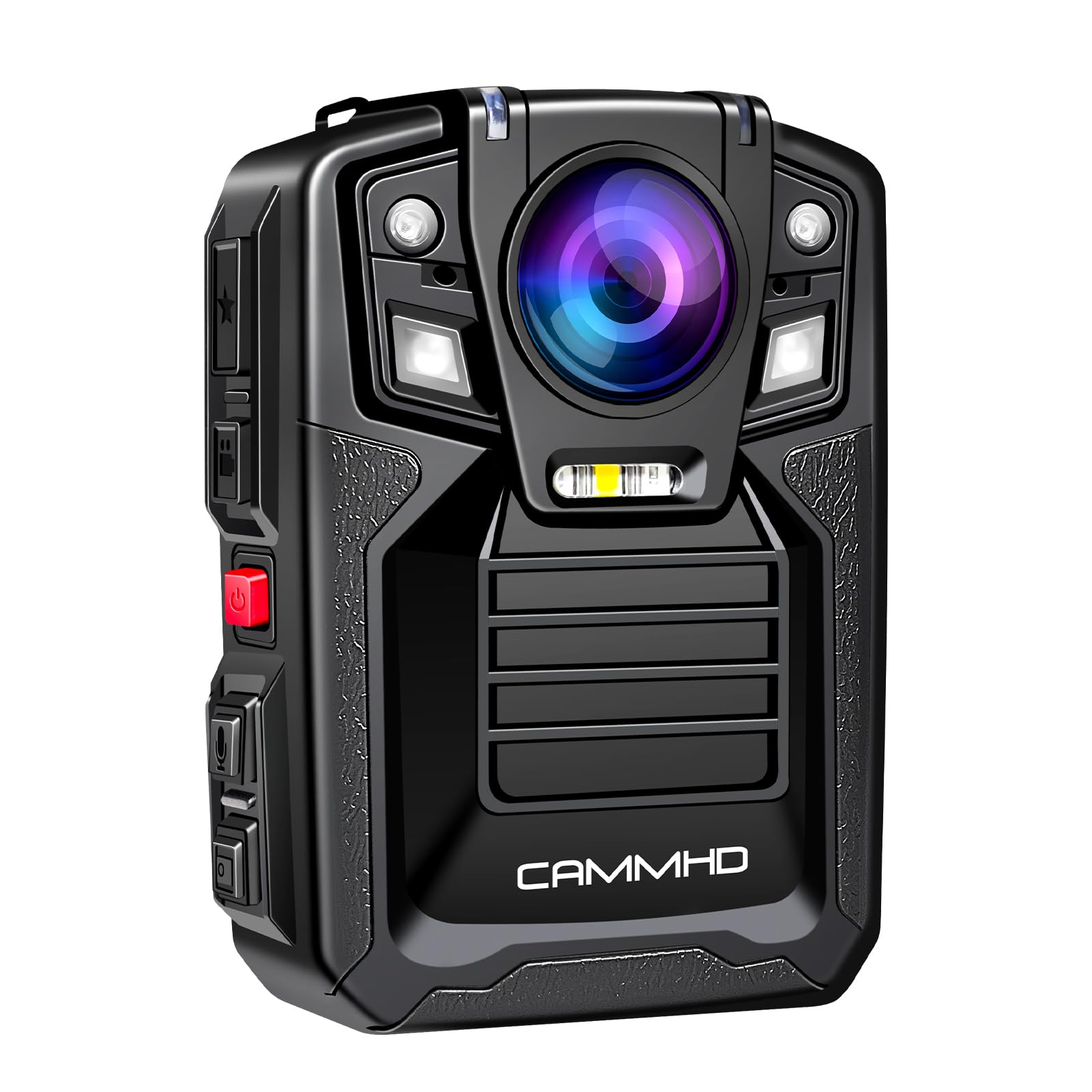

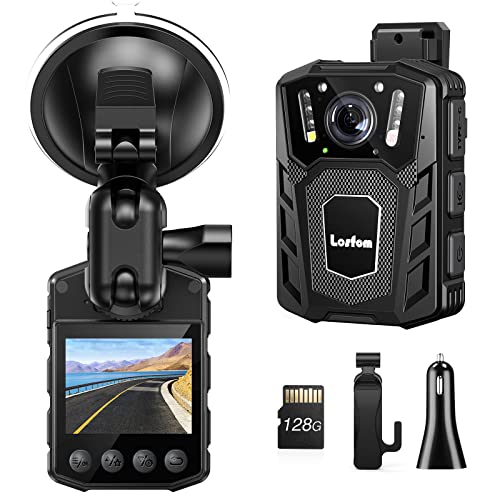
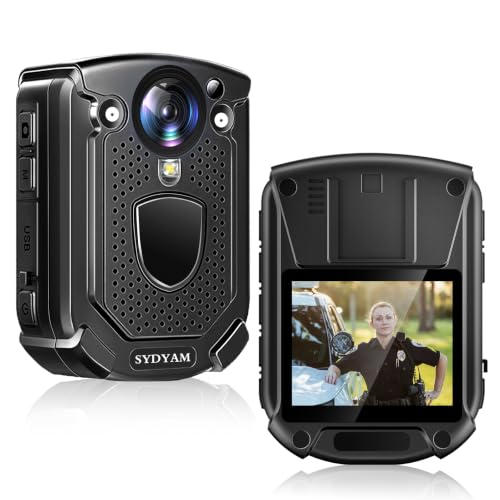
Who Should Buy Which Body Cameras for Police Work?
Your assignment decides which features matter most, so choose for the hardest part of your normal week.
Patrol Officers on Foot and in Vehicles
You move between a vehicle, the street, and indoor calls, often with little warning. Prioritize a camera with a secure chest mount, a large record button you can find by touch, and battery life that covers your full shift plus overtime. Image stabilization helps when you walk or run, and a wide view captures people standing close to you.
Traffic, Bike, and Transit Officers Who Work Outdoors
You spend most of the shift outside, in sun, rain, wind, and road noise. Choose a weatherproof body that seals out rain and dust, and a microphone that keeps voices clear near traffic. Low light video matters during night stops, when plates, faces, and hand movements must stay readable. A mount that locks to outer clothing is safer than a loose clip that can swing as you ride.
Detectives, Supervisors, and Field Training Officers
Your recording often supports reports, reviews, and training, so clear audio and reliable file tagging matter as much as video. Look for easy marking of important clips, accurate time and date stamps, and a dock that uploads footage without extra steps at the end of a shift. Detectives also need a slimmer mount that works with plain clothes and does not draw attention during interviews.
Key Features to Compare
Compare each feature through the work it has to do on duty.
Video Resolution, Field of View, and Image Stabilization
Resolution controls how much detail you can read later, such as a plate number or an object in a hand. Many duty cameras record at 1080p, and higher settings can add detail but also fill storage faster and drain the battery sooner. Field of view is the width of the scene, often about 120 to 170 degrees, which suits close encounters but can make distant subjects look small. Image stabilization smooths shakes from walking and turning, so choose a balance that keeps faces clear without narrowing the view too much.
Low Light Recording for Night Calls and Traffic Stops
Night work is where weak cameras fail first. Streetlights, headlights, and dark doorways can sit in the same frame, so a camera needs a wide dynamic range to hold detail in both bright and dark areas at once. Some models add infrared lights for very dark scenes, though that footage is usually in black and white. If most of your calls happen after dark, rank this feature above extra resolution, because a sharp but black frame helps no one.
Battery Life That Covers a Full Shift
Rate battery life against your longest normal shift, not an average day. If you work 10 to 12 hours, look for a rating that covers that span with time left for overtime and a late call. Cold weather, high resolution, and infrared lights all shorten real running time. A dock that charges and uploads at once saves steps between shifts, while a swappable battery suits agencies that run cameras across back to back shifts. A camera that dies early leaves a gap no other feature can repair.
Storage, Upload, and Evidence Protection
Storage size decides how many hours you can record before files must move to a secure system. Many models offer about 32 to 128 gigabytes, and your retention rules will decide how much you need. Look for automatic upload at the dock, clear file names with time stamps, and protection that stops files from being edited or deleted on the camera itself. Those safeguards support the chain of custody for evidence. Always follow agency policy and check local rules on retention and when recording must be announced.
Mounts, Durability, and Weatherproof Build
A mount is a safety and evidence issue, not just a comfort choice. The camera must stay pointed forward during driving, walking, and bending, and it must not block a seat belt, a vest strap, or other gear. Test clip, magnet, and harness options with the exact uniform you wear, including a winter coat. For durability, look for a stated water and dust rating such as IP66 or higher, plus drop protection, because a camera that cannot survive rain or a fall onto pavement will miss key moments.
Body Camera Types Compared for Duty Use
Most duty cameras fall into a few broad formats. Compact all in one units put the lens, battery, and storage in a single body, which keeps setup simple and suits standard uniforms. Models built around magnetic or harness mounts can feel steadier on outer vests, though they take longer to fit at the start of a shift.
Use your agency system as the deciding filter. A camera that cannot upload to the evidence platform your department already uses creates extra work and risk, however strong its video looks. That short list will narrow the best body cameras for police officers to the format your assignment can support. For a broader view, see our guide to the best body cameras, and compare it with our guide to the best body worn cameras for other wear styles.
Placement deserves a quick test. Wear the camera while sitting, driving, reaching, and climbing stairs, then review the footage angle. If the lens points at the ceiling when you sit or at the ground when you lean, adjust the mount. You can also read our guide to the best police body cameras when you compare duty focused options.
Common Mistakes to Avoid
These errors often appear only after the camera is already in service.
- Choosing by resolution alone leaves you with short battery life and storage that fills before the shift ends.
- Ignoring your agency evidence system leads to files that upload slowly or cannot be shared as policy requires.
- Using a loose clip on a heavy coat lets the camera tilt or fall, so key actions leave the frame.
- Forgetting to test the record button with gloves means you may miss the start of a fast moving incident.
- Skipping a low light test at night hides weak video until a serious call depends on that footage.
Care and Maintenance Tips for Body Cameras
Clean the lens with a soft lens cloth, not your shirt, because grit on fabric can scratch the surface and cloud later recordings. Wipe the body after rain, check the mount for cracks, and keep the charge contacts on the camera and dock dry and free of dirt. Store the camera on its dock or in a dry, padded bag away from heat.
If a battery swells, a case cracks, or a camera overheats while charging, remove it from service at once and hand it to your equipment staff or a qualified technician rather than opening it yourself. Update software only through your agency process, and report upload failures the same day, because a silent fault can put stored evidence at risk.
Body Cameras: Your Questions Answered
What features matter most in body cameras for police officers?
The most important features are reliable activation, battery life for a full shift, and secure storage. Start there, then add low light quality and a mount that fits your uniform. One point many buyers miss is service support, so confirm who repairs units and how fast a spare can reach you before you judge smaller spec differences.
Which body camera view is better for police work in low light, wide or narrow?
A wide view is usually better for police work in low light. It keeps people and hands in frame during close contact, where most night incidents happen. A narrow view can make a distant plate look larger, but it crops out a second person at your side. For night stops, stand so existing light falls on the subject rather than straight into the lens.
Can a smartphone replace a body camera for police officers?
No, a smartphone cannot replace a body camera for police officers. A phone is built for calls and apps, not for secure mounting, one touch recording under stress, or protected evidence storage. Using a personal phone also mixes duty footage with private data, which can create legal problems if the phone is later requested in a case. The recording belongs on a duty device.
How much should an officer or agency spend on a police body camera?
Plan for about $200 to $600 for many duty grade cameras, with total cost shaped by docks, storage, and software fees. A low purchase price can grow once you add spare mounts and cloud storage for retained footage. Ask for the full cost across the retention period your policy requires, and include replacement batteries in that total.
How much storage does a police body camera need for one shift?
A police body camera needs enough storage for your recorded hours, not your whole shift, because most officers record calls rather than every minute. At 1080p, an hour of video can use roughly 3 to 6 gigabytes depending on settings. Count your busiest day, add a margin for a major incident, and choose the next size up if uploads happen only once a day.
The Bottom Line
Match the camera to your assignment first, then confirm battery life, low light video, secure storage, and a mount that stays true on your uniform. Review the short list in the product table above, and confirm that your choice works with your agency evidence system.
Chosen that way, the best body cameras for police officers become a dependable record of your work rather than one more piece of gear to manage.


