Best Boat Bag for Towels: Every Type Explained Side by Side for 2026
Disclosure: We may earn a commission when you buy through links on this page, at no extra cost to you. As an Amazon Associate I earn from qualifying purchases. Learn more

Compare mesh, canvas, premium and space saving types to choose the best boat bag for towels by drainage, capacity and price.
Wet towels are heavier, bulkier, and harder on a bag than almost anything else you carry onto a boat. A bag that works for sandwiches and sunscreen may sag, soak through, or grow mildew once it holds four damp towels all afternoon. This guide to finding the best boat bag for towels compares the main types side by side, explains which materials survive salt water and sun, and shows how to size a bag for your crew. Start with the product table below, then match a type to how you actually spend days on the water.
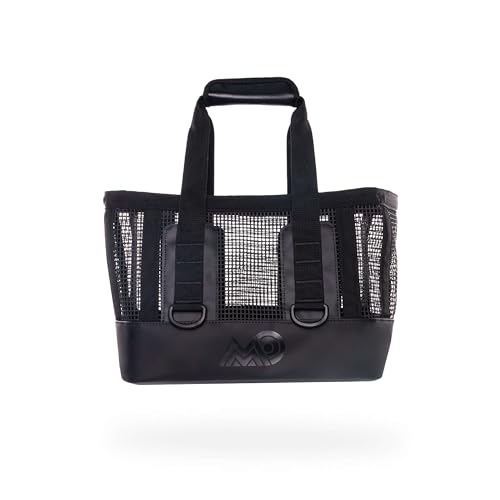
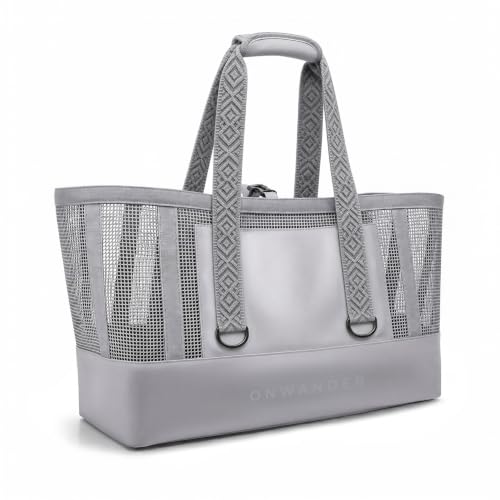
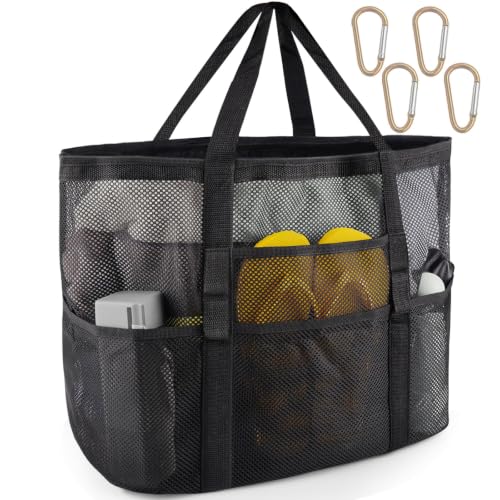
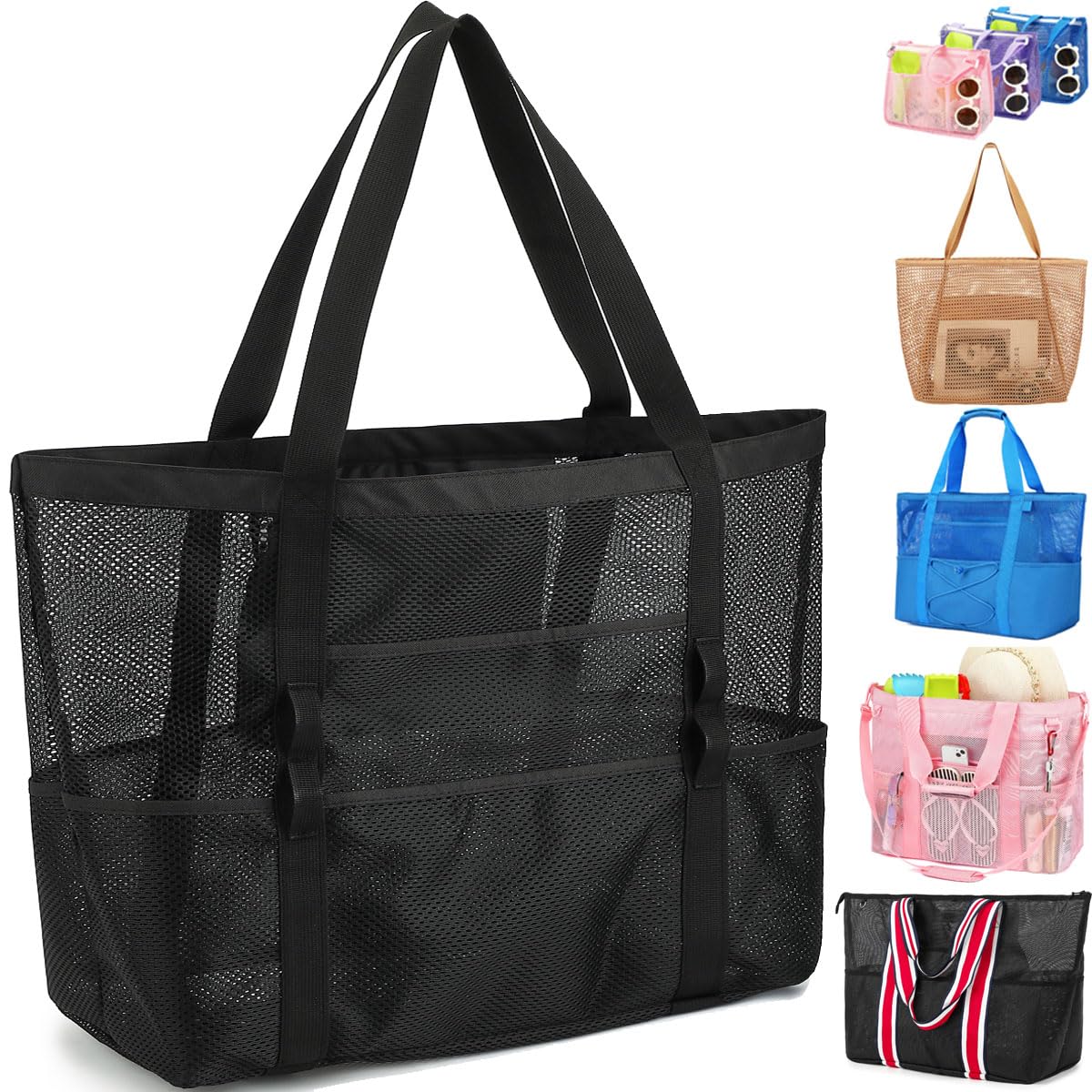


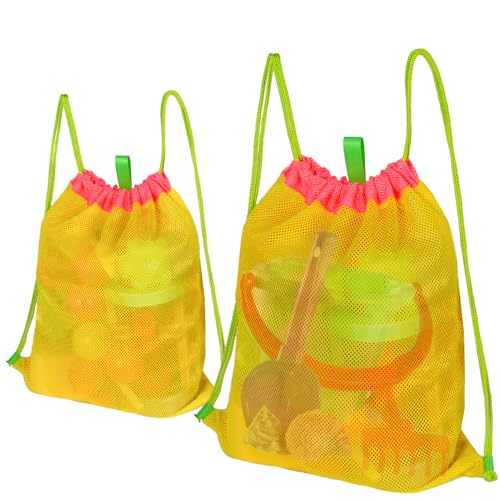
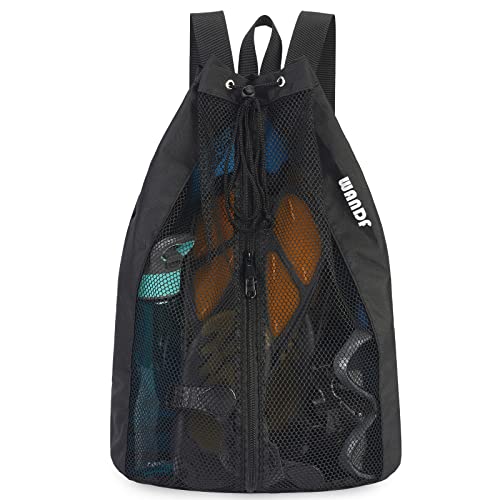
Types of Boat Bags Compared
Eco Friendly Picks
Eco friendly boat bags use recycled marine plastic, organic canvas, or mesh woven from reclaimed fibers. Their strengths are a lighter footprint and, in the case of recycled mesh, excellent drainage for wet towels. The trade off is choice: color ranges are smaller and some recycled fabrics feel rougher than premium virgin materials. These bags suit boaters who replace gear thoughtfully and rinse after each trip, since natural canvas in particular needs prompt drying to avoid mildew. Prices usually run around $25 to $60.
Premium/Luxury Picks
Premium boat bags focus on structure and hardware: thick coated canvas or marine grade vinyl, metal zippers that resist salt corrosion, reinforced bases that stand upright on a dock, and padded straps. They hold their shape when loaded with heavy wet towels and often add sealed pockets for phones and keys. The costs are money, around $70 to $150, and weight, since all that structure adds pounds before you add a single towel. Choose this tier if you boat weekly and want one bag for many seasons.
Everyday Value Picks
Everyday value bags are usually simple mesh or light canvas totes around $15 to $35. Mesh versions drain and dry fast, weigh almost nothing, and fold flat in a locker, which makes them the default choice for many families. Their limits are privacy, since everyone sees the contents, and support, since a loaded mesh tote hangs heavily from one shoulder. Canvas value totes hide contents better but dry slowly. For occasional boat days and pool trips, this tier covers the need without regret.
Space Saving Picks
Space saving designs fold, roll, or collapse when empty and often double as a hanging organizer with hooks for a rail or cabin door. They suit small boats where every locker is contested and sailors who fly to charter trips with limited luggage. Thin walls are the compromise: they carry towels well but protect nothing fragile, and zippers tend to be lighter duty. Check packed dimensions as carefully as open ones, because a bag that folds to half size still may not fit your storage spot.
Eco Friendly Picks vs Premium/Luxury Picks: Which Should You Choose?
Compare these two tiers on material, lifespan, care, and cost. Eco friendly mesh drains better and dries faster, which matters most for wet towels, while premium coated fabrics block water from reaching dry gear stored nearby. Premium bags usually last longer thanks to stronger hardware, yet a well made recycled mesh bag can serve for years with simple rinsing. Care differs too: canvas and coated bags need airing after trips, while mesh needs only a shake and a rinse. Choose eco friendly for light weight and drainage on swim heavy days. Choose premium when you want structure, dry storage pockets, and a bag that still looks sharp after seasons of sun.
How to Choose the Right Boat Bag
Features That Matter for Towels
Towels change the brief in three ways. First, wet weight: a large beach towel can gain serious weight when soaked, so straps and seams must be rated for a full wet load, not a dry one. Second, ventilation: mesh panels or drain holes let water escape and air move, slowing mildew. Third, volume: measure your towel stack folded, then add room for the swollen wet versions. If you are also upgrading the towels themselves, our guide to the best boat towels explains which fabrics pair well with each bag type.
Material and Construction
Mesh made from PVC coated polyester is the drainage champion and shrugs off salt water. Canvas looks classic and hides contents, but untreated canvas absorbs water and dries slowly, so prefer waxed or coated versions. Marine vinyl wipes clean and blocks splashes, though it traps moisture inside unless vents are fitted. Whatever the shell, look for bar tack stitching at strap anchors, a reinforced bottom panel, and zippers with large pulls you can grip with wet hands. Towel weight is part of construction too: heavier high GSM towels load a bag fast, a point covered in the best quality towels guide.
Certifications (OEKO TEX, WaterSense)
Certifications play a smaller role for bags than for home textiles, so read claims carefully. OEKO TEX labels apply to fabrics tested for harmful substances and can appear on bag linings and on the towels you carry, which is reassuring for gear that touches skin for hours. WaterSense, by contrast, certifies water using fixtures and has nothing to do with bags, so treat any bag listing that flaunts it as careless marketing. Recycled content certifications are the more meaningful signal in this category.
Durability and Care
Sun, salt, and damp storage destroy more boat bags than rough handling does. Rinse the bag with fresh water after salt exposure, open every pocket, and air dry it fully before storing, ideally indoors away from direct heat. Inspect stitching at the start of each season and repair loose threads early, before a strap fails under a wet load on a dock. Bags with removable liners are easier to wash, which extends useful life noticeably.
Performance (Capacity, Drainage, and Airflow)
Judge performance by three practical tests. Capacity: the bag should swallow your full towel count plus a change of clothes without forcing the zipper. Drainage: pour a cup of water inside; a good towel bag sheds it in seconds through mesh or drain eyelets rather than pooling. Airflow: after a day trip, towels in a ventilated bag should smell neutral the next morning. If any of these fail in reviews or in your first outing, the bag is the wrong type for wet gear, whatever its looks.
Care and Maintenance Tips
Rinse towels and the bag in fresh water after salt water days, then dry both fully before storing to prevent mildew and odor. Skip fabric softener on towels, because it coats fibers and cuts absorbency over time, leaving them less effective at the beach or pool. Shake sand out of mesh bags before they enter the car, and store the empty bag open rather than sealed, so residual moisture escapes. A monthly check of zippers, with a rinse and a drop of zipper lubricant on metal sliders, keeps closures working smoothly all season.
FAQs
What features matter most in boat bags for towels?
Drainage, wet load strength, and true capacity matter most. A towel bag must shed water, carry heavy soaked fabric without strap failure, and fit your full towel count with room to spare. Ventilation that prevents mildew comes next, followed by protected pockets for keys and phones. Decorative features add little; test any bag with wet towels at home during the return window.
Are luxury options worth it?
They are worth it for frequent boaters who need structure, corrosion resistant hardware, and dry pockets in the same bag. Weekly use exposes cheap zippers and stitching within a season or two. Casual users who boat a few times each summer usually get equal towel carrying service from a good mesh tote at a third of the price. Match the tier to your trip count, not to appearances.
How often should I replace them?
Replace a boat bag when straps fray, zippers fail repeatedly, or the fabric holds a mildew smell after washing and sun drying. With rinsing and dry storage, a quality bag often lasts four to six seasons. Mesh totes may need replacing sooner if the weave tears at the base. Towels themselves usually wear out faster than the bag, thinning and losing absorbency after a few years of heavy use.
How do I keep them fresh longer?
Full drying is the whole secret: hang towels over a rail before the ride home when you can, and never seal damp towels in a closed bag overnight. Wash towels in warm water without softener, and dry the bag open in moving air. A small sachet of baking soda inside the stored bag absorbs lingering odors. Boats stored in humid climates benefit from keeping the bag at home between trips.
What GSM is best for towels?
For boat use, towels around 400 to 600 GSM balance absorbency with drying speed, and they load a bag less than plush bath towels do. Higher GSM towels feel luxurious but stay damp for hours and add real wet weight, which strains straps on long walks from the dock. Lower GSM travel towels dry fastest and pack smallest, suiting space saving bags. Choose GSM by how far you carry your gear.
The Bottom Line
Decide by drainage, wet load strength, and honest capacity, and the right type becomes obvious: mesh or eco friendly bags for swim heavy days, premium structured bags for weekly boating, and compact designs for small lockers. Compare sizes and prices in the product table, then pick the best boat bag for towels that fits your crew, your towels, and your boat.