
Best Boat Speakers Tower of 2026: Complete Buying Guide
Disclosure: We may earn a commission when you buy through links on this page, at no extra cost to you. As an Amazon Associate I earn from qualifying purchases. Learn more

Compare best boat speakers tower options by sound output, mounting, marine durability, and power needs with a clear guide to choosing for your boat.
Tower speakers have a hard job. They must sound clear over wind and engine noise, throw sound back to a rider in the wake, and survive spray, sun, and vibration season after season. The best boat speakers tower choices balance output, mounting fit, and marine durability rather than chasing the largest driver alone. This guide shows you how to compare them and how to use the comparison table below for your boat and tower.


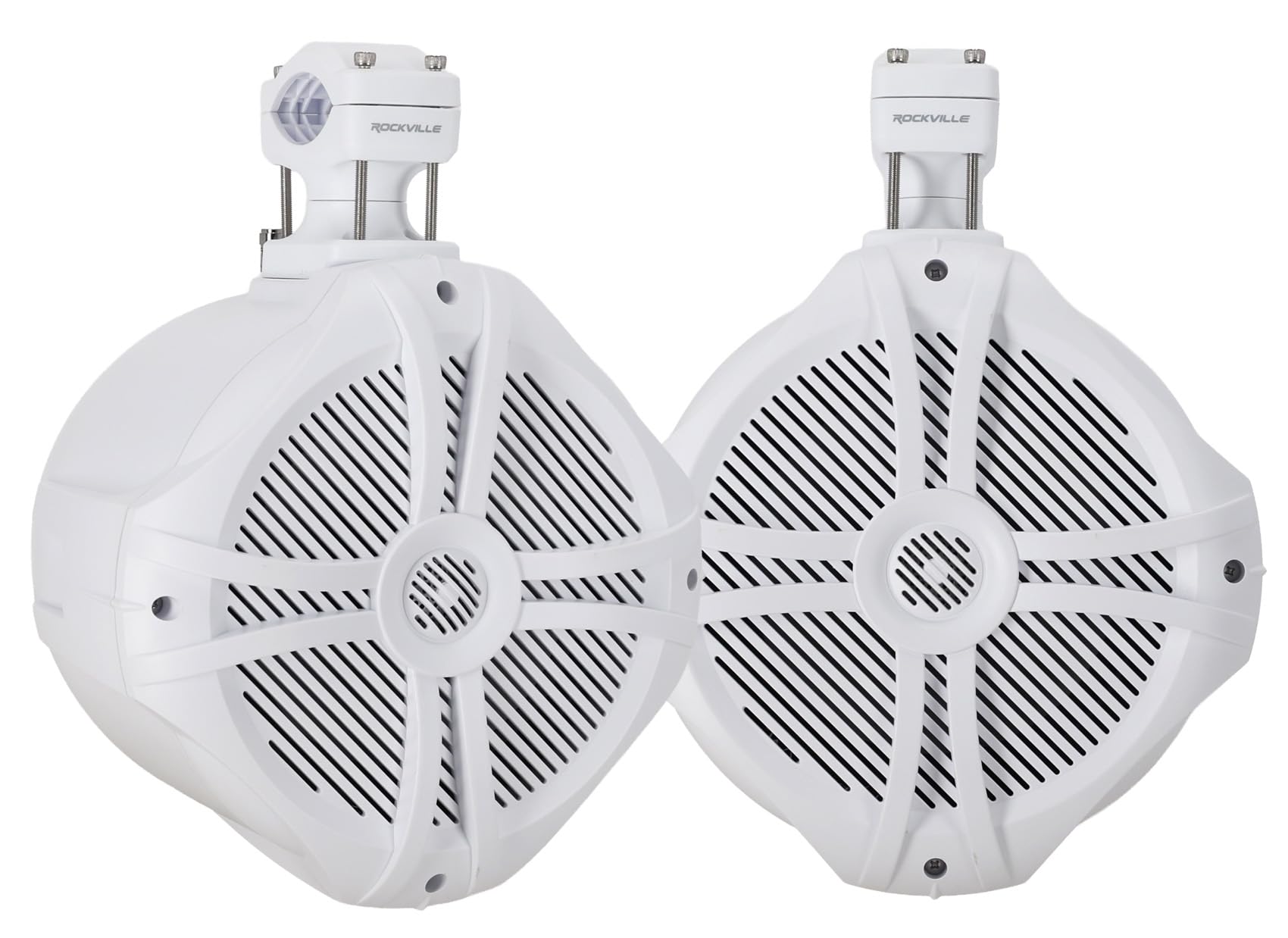


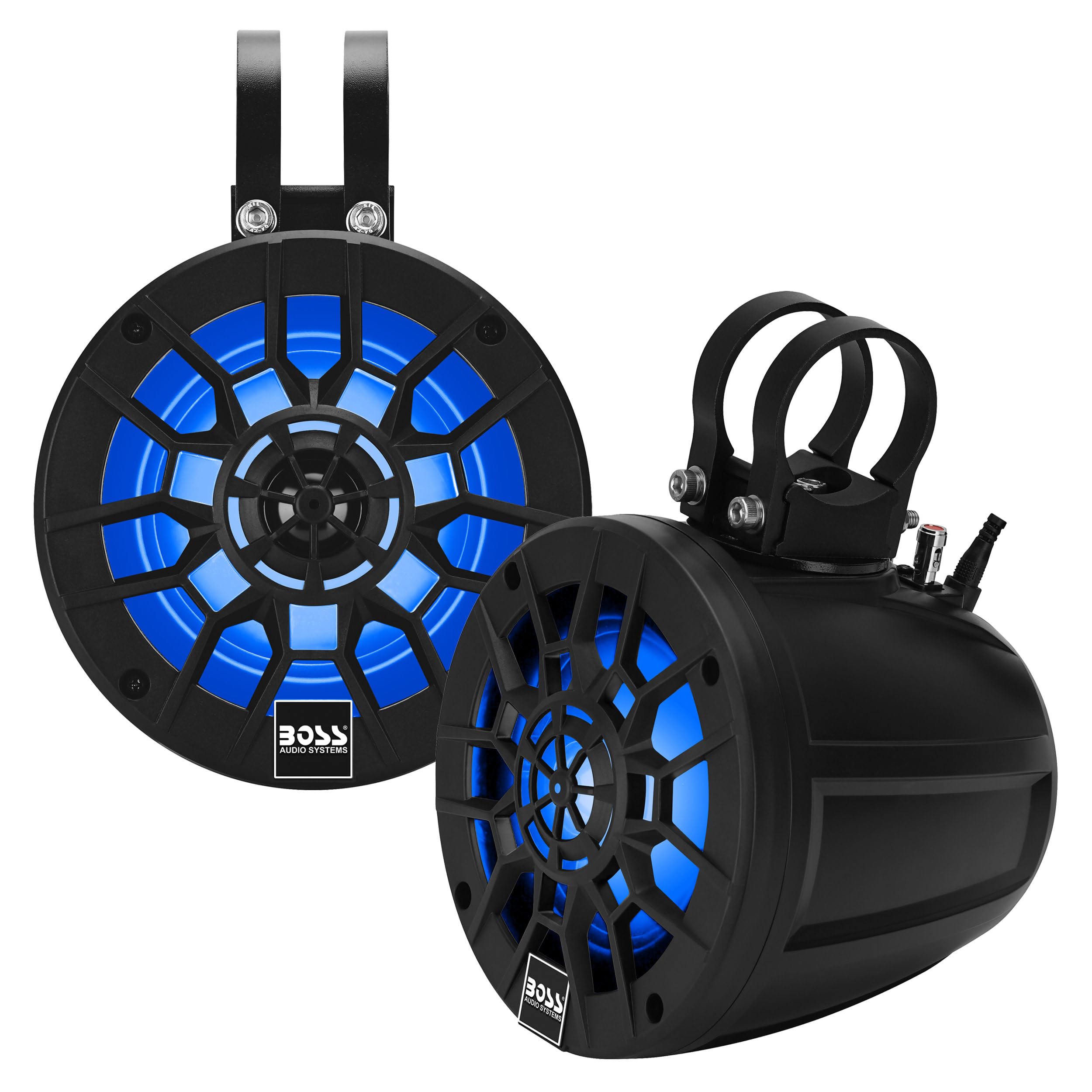
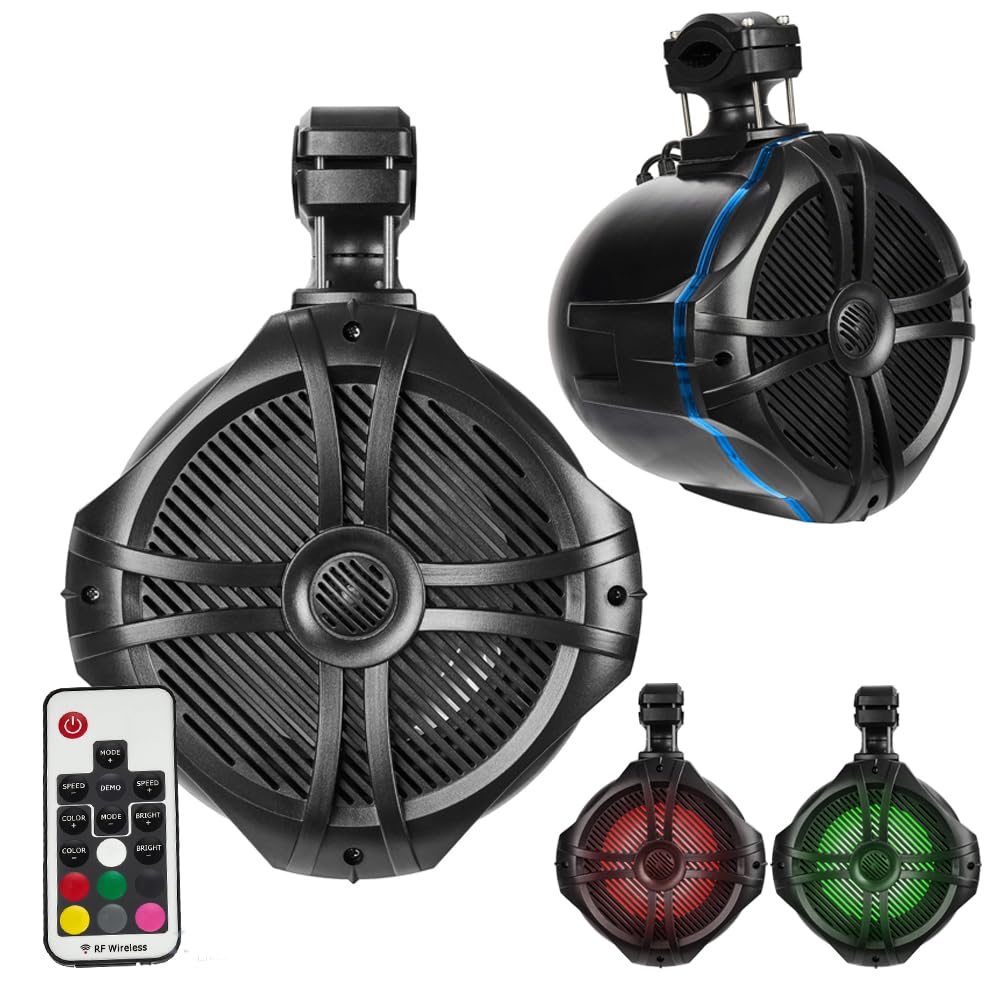


What Each Price Tier Should Deliver
Rather than judging by brand claims, use tiers to set fair expectations for output, build, and hardware. A good tier match also depends on your amplifier, because tower speakers only perform as well as the power and signal you feed them.
All Around Tier Traits
A strong all around tower speaker projects clear vocals and music to the rider while still sounding balanced at the dock. Expect marine grade drivers, a sturdy enclosure, universal or brand specific clamps that fit common tower tube sizes, and hardware that resists rust. This tier suits wake and surf boats used most weekends. Its limit is that true long throw clarity still needs a properly matched amplifier, so budget for the full system rather than speakers alone.
Value Tier Traits
A value tower speaker should protect the essentials, clear output at moderate volume, solid clamps, and real water resistance. You may accept a simpler enclosure finish, fewer color choices, and less bass extension. This tier suits family boats where riders are close and listening happens as much at anchor as underway. Avoid value options with vague power ratings or no stated clamp range, because fit and honest power handling matter more than a low price on a speaker you must replace.
Premium Tier Traits
A premium tower system should deliver high output with low distortion, excellent UV and salt resistance, and precise aiming so sound goes to the rider rather than across the lake. Horn loaded designs often appear in this tier for long throw focus. Expect better wiring terminals, stronger enclosures, and longer warranties. This tier suits serious wake sports and larger boats. The trade off is higher cost, greater weight on the tower, and a stronger amplifier requirement that adds to the total system price.
How to Choose Boat Tower Speakers
Work through the points below in order, starting with sound goals and mounting fit. A speaker that cannot clamp securely to your tower tube, or that your amplifier cannot power cleanly, is the wrong speaker no matter how impressive its peak power claim looks. When you compare the best boat speakers tower listings, use continuous power ratings and clamp dimensions as your first filters.
Sound Quality and Tuning
Sound quality on a tower is about clarity at distance, not just loudness nearby. Driver size affects bass and output, with larger drivers around 8 inches moving more air than compact 6.5 inch designs, while horn tweeters focus high frequencies toward the rider. Frequency response should extend low enough for full music, but tower speakers rarely produce deep bass alone, so many systems add a subwoofer in the hull. Look for sensitivity ratings too, because a more sensitive speaker plays louder with the same amplifier power.
Placement and Aiming
Mount tower speakers high and aim them slightly downward toward the rider zone behind the boat, not straight back at the horizon. Keep pairs spaced apart for stereo spread, and confirm that speakers will not block lights, racks, bimini tops, or your view when folded or removed. If you listen mainly at anchor or in the cockpit, a tower only setup can sound distant and thin up close, so some boats pair tower speakers with in hull speakers for near listening. Plan the whole layout before drilling or clamping anything.
Connectivity: Bluetooth, Codecs, and Wired Links
Most tower speakers are passive and connect by speaker wire to an amplifier, which connects to your head unit. That wired path is reliable and avoids pairing dropouts underway. Bluetooth matters at the source, where version and codec affect range and audio quality from your phone. Bluetooth 5.3 gives stable range in open air, while AAC suits Apple phones and aptX can reduce loss on supported Android phones. Multipoint on a head unit lets two phones stay connected, which helps when a passenger takes over music duty.
For system planning, see our guide to the best amp for boat tower speakers and our broader guide to the best boat speakers for cockpit and cabin zones.
Amplifier Matching
Match continuous RMS power, not peak power, to your amplifier output per channel at the correct impedance. An undersized amplifier driven into distortion can damage tweeters faster than a strong amplifier used with care. Leave headroom so the system can play clearly over wind without running at maximum all day. Use marine rated wiring of the gauge the amplifier maker specifies for your cable length, protect the power lead with a fuse near the battery, and disconnect battery power before you start any wiring work.
Power Draw and Your Boat Battery
Tower speakers have no internal battery, so playing time depends on your boat battery and charging system. A high output amplifier can draw heavily at anchor, and running the system for hours with the engine off can drain a starting battery enough to strand you. A separate house battery or a dual battery setup protects starting power. Monitor voltage during long anchored sessions, start the engine periodically if your boat manual allows it, and keep volume moderate when the engine is off. Smart power habits matter as much as speaker choice.
Durability and Water Resistance
Look for a stated IP rating, with IP67 indicating strong protection against dust and temporary immersion, plus UV stable enclosures and stainless or coated hardware. Salt water use demands a fresh water rinse and corrosion resistant terminals. Rubber surrounds handle sun and moisture better than untreated foam surrounds, which degrade faster outdoors. Check how the grille attaches and whether replacement parts are available. A speaker built for a living room will fail quickly on a tower, even if it sounds good indoors on the first day.
Mounting Fit and Weight
Measure your tower tube diameter at the exact mounting point, because tubes taper and oval sections need specific adapters. Confirm the clamp range in the listing matches that measurement, and check whether inserts for smaller tubes are included. Weight matters in pairs, because heavy enclosures stress clamps and add top weight that can affect handling. Swivel clamps help aiming and removal for storage or trailering. After mounting, recheck clamp bolts after the first few outings, since vibration can settle hardware.
If you also want portable or source side options, compare our guide to the best bluetooth boat speakers and our guide to the best waterproof speakers for boat use, and see our guide to the best tower speakers for home and boat context.
Types of Boat Tower Speakers
Wired Models
Wired passive models connect to an amplifier and head unit and are the standard for wake boats. They offer the highest output, the most predictable sound, and no pairing or charging concerns. They suit owners willing to run wire through the tower, which can take time and care. Once installed, they are the most reliable option for riders at full rope length, and system upgrades can happen at the amplifier or source without replacing the speakers.
Wireless and Bluetooth Models
Wireless and Bluetooth models for marine use are usually portable speakers or active units with built in amplifiers, rather than true high output tower systems. They suit small boats, rentals, and owners who cannot run wiring. Their limits are lower output at distance, battery charging needs, and less secure mounting at speed. Some active tower designs accept Bluetooth at the system controller while speakers stay wired, which gives you wireless control without giving up wired power and reliability where it counts most.
Tips to Get the Most From Your Boat Speakers Tower
- Keep head unit firmware updated, because updates often improve Bluetooth stability and source switching.
- Rinse enclosures with fresh water after salt use, dry terminals, and cover speakers during long storage to protect them from UV.
- Clean grilles and check driver surrounds regularly for cracks, nests, or loose screws caused by vibration.
- Avoid maximum volume for long sessions, because sustained distortion heats voice coils and signals that the amplifier is undersized.
- Recheck clamp torque and wire connections at the start of each season and after rough water outings.
- Store removable speakers indoors in a dry place over winter, with cables coiled loosely rather than bent sharply.
Frequently Asked Questions
Do I need a special codec for boat tower speakers?
No, you do not need a special codec for the tower speakers themselves, because most are wired and passive. Codec choice matters at your phone and head unit link, where AAC or aptX can improve quality slightly on supported devices. Distance to the rider, amplifier power, and speaker aiming affect what you hear far more than codec differences. Spend your budget on power, fit, and durability first, and treat codec support as a small bonus.
Wired or wireless: which sounds better for boat tower speakers?
Wired sounds better for boat tower speakers in almost every real system. A wired amplifier path delivers more power, lower delay, and no dropouts from interference or distance. Wireless control of a wired system gives you the best mix, phone freedom at the helm with wired output at the tower. Fully wireless portable units win only on setup speed and portability, and they give up the long throw clarity that tower speakers exist to provide.
What IP rating do I need for boat tower speakers outdoors?
You need at least strong splash resistance, and IP67 is a reassuring target for tower use. That rating signals dust sealing and protection during brief immersion, which covers heavy spray and rain well. The rating alone is not enough, so also look for UV stable materials and corrosion resistant hardware. A high IP rating on the enclosure does not protect a poorly sealed wire entry, so check how cables enter the housing.
Is extra amplifier power worth the cost for boat tower speakers?
Yes, extra amplifier power is usually worth the cost because headroom keeps sound clear at distance without distortion. Tower listening happens over wind, water, and engine noise, so systems run harder than home systems. Clean power also protects tweeters better than a weak amplifier pushed to its limit. Size the amplifier to the continuous rating of your speakers, and include wiring and fusing in the budget rather than spending every dollar on the speakers alone.
How long can boat tower speakers run on a boat battery?
Boat tower speakers can run for a few hours at anchor on a healthy house battery, but the exact time depends on amplifier draw and volume. Loud listening can cut that time sharply and risks draining a starting battery. Watch a voltage gauge, keep a jump pack or a second battery as backup, and follow your boat maker guidance on charging. If anchored music is a big part of your routine, plan electrical capacity as part of the audio budget.
Our Verdict
Filter first by clamp fit and honest continuous power, then by marine durability and aiming. That order prevents the most expensive mistakes and leaves sound tuning as the final choice. Review the product table above with your tower measurement and amplifier plan in hand, and your best boat speakers tower decision will be a system decision, not a gamble on a single spec.


