
Best Body Cameras for Security in 2026: What Actually Matters Before You Buy
Disclosure: We may earn a commission when you buy through links on this page, at no extra cost to you. As an Amazon Associate I earn from qualifying purchases. Learn more

Body cameras for security compared on video, battery, storage, mounting and night recording for guards and patrol teams.
A worn camera only helps you if it records clearly, lasts the whole shift, and produces files your team can trust later. The best body cameras for security work are built around those three jobs, not around extra modes you will never switch on during a patrol. This guide uses a checklist, so you can judge any model against guarding and patrol demands.
Start with the shift you actually work. Note how many hours you are on your feet and how much of the route is dark. Then compare your shortlist with the comparison table below, and use the sections that follow to check each claim a seller makes.


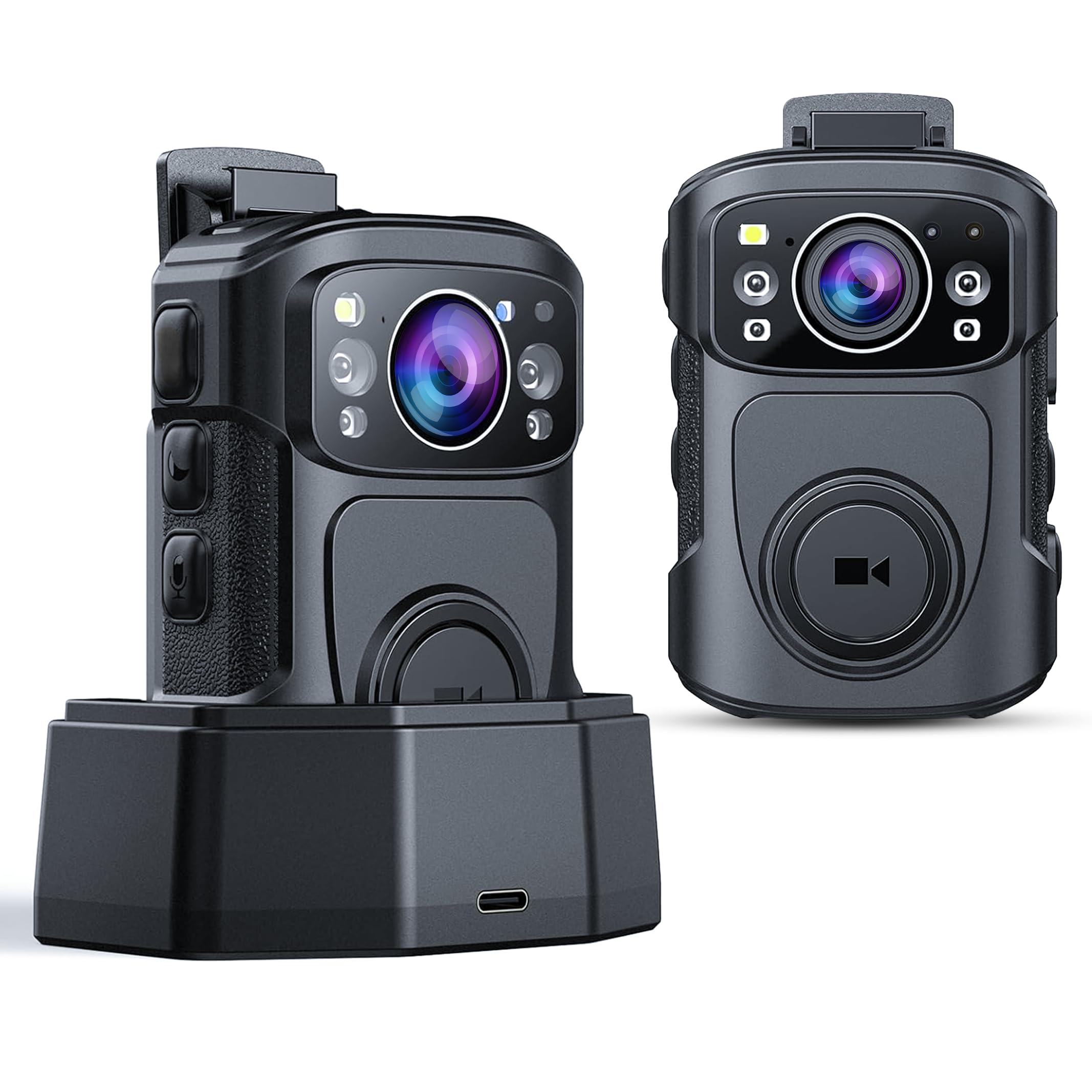
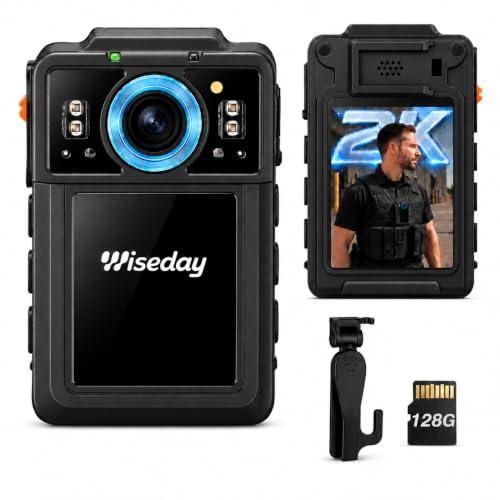

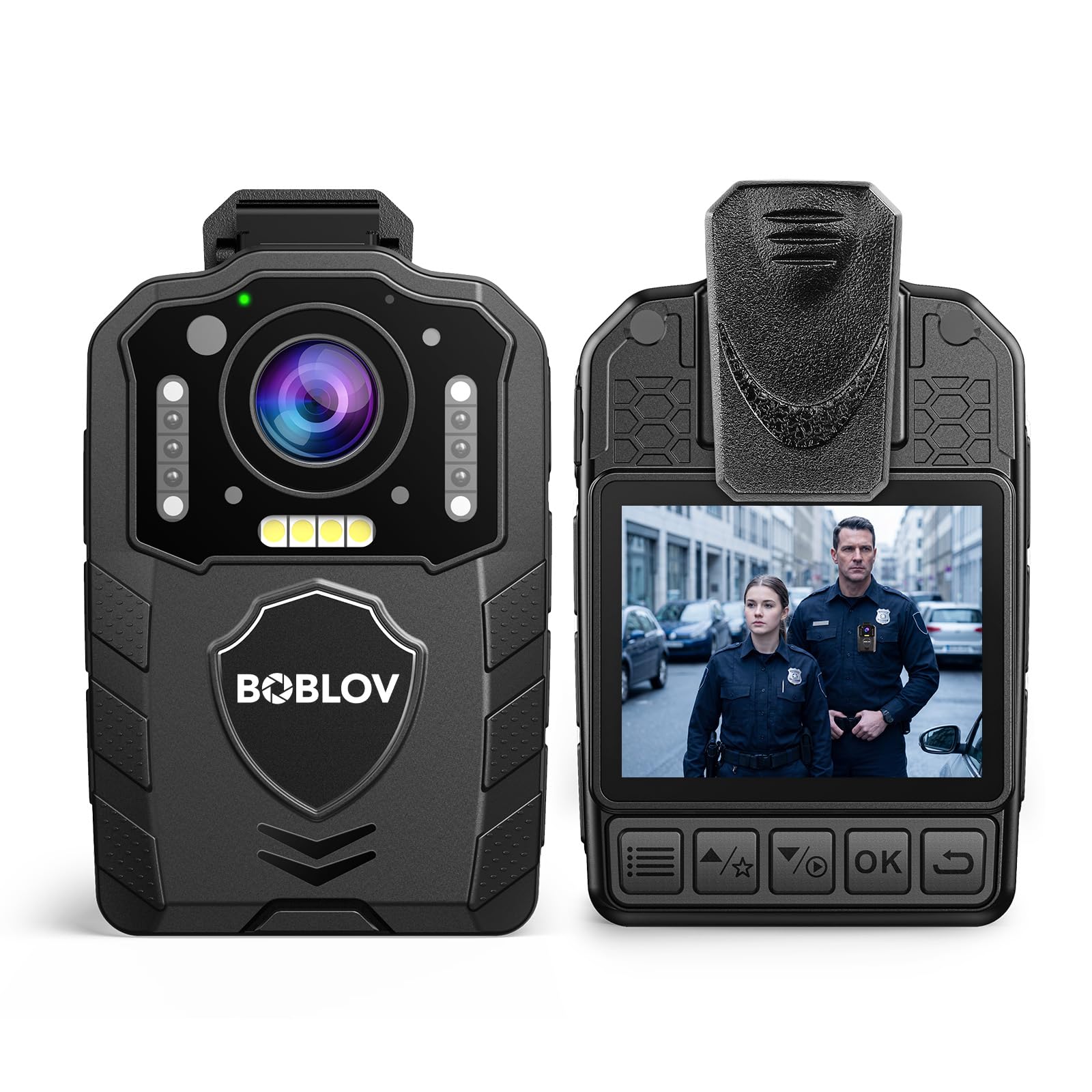

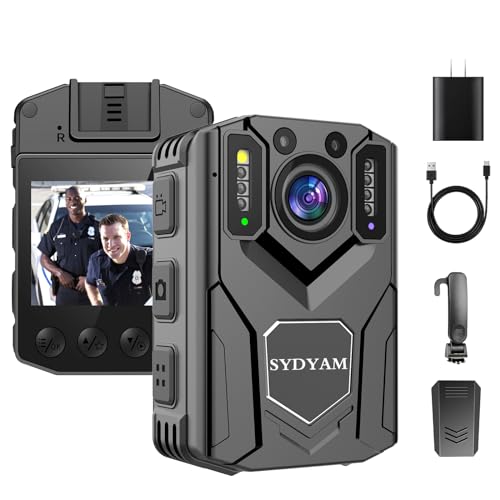
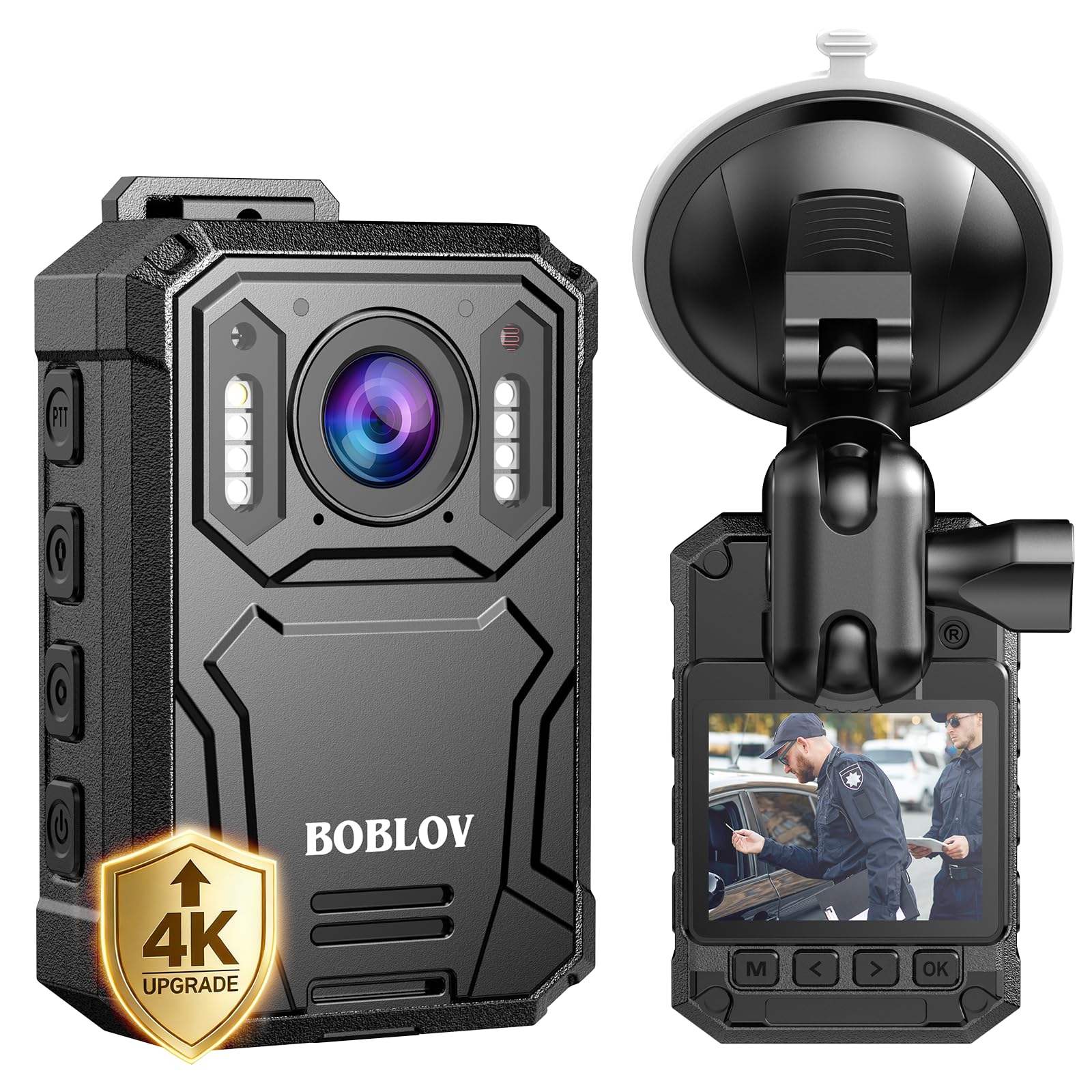
Who Should Buy a Body Camera for Security Work?
Patrol Guards Who Cover Large Sites on Foot
You walk warehouses, parking areas, and campuses, often alone and far from a fixed camera. A body camera records from your own viewpoint the gates checked, doors found open, and conversations at a fence line. Battery life and a stable chest mount matter most for you, because a camera that dies or swings loose halfway through a round leaves the riskiest part of the route uncovered.
Door and Event Staff Who Deal With the Public
Your hardest moments happen at close range, at an entrance or a venue door, where a dispute can start and finish in under a minute. A visible camera with a clear recording light can calm some encounters, and the footage protects you when accounts differ afterwards. If your venue also runs fixed cameras, see our guide to the best security surveillance cameras for the wider system your worn footage sits alongside.
Supervisors and Small Teams Standardizing Equipment
When you buy for a whole team, consistency matters more than any single feature. One model, one mount style, and one docking routine mean any guard can grab any charged unit and any supervisor can find any file later. Look for shared docks and settings that stay locked once set. Teams can start with our guide to the best body cameras and then apply the stricter security checklist here.
Key Features to Compare
Video Resolution and Field of View
Resolution decides whether a face, a badge, or a license plate stays readable when you pause the footage. Most security work is well served by 1080p, while 2K and higher options add detail that helps when you crop into a frame. A lens around 120 to 140 degrees captures the person in front of you plus hands at their sides, while very wide lenses bend lines and push subjects farther away.
Night Recording and Infrared Range
Much security work happens in loading bays, stairwells, and unlit parking areas, so judge a camera by what it records after dark. Infrared lamps let the sensor see in total darkness, usually in clear black and white, and a useful range is about 15 to 30 feet for reading a face or a uniform patch. Color low light modes keep clothing colors, but they need some ambient light to work. If your route is mostly dark, favor strong infrared.
Battery Life That Covers a Full Shift
A camera that fades before your shift ends is worse than a basic one that keeps recording, because the gap always seems to land on the incident you needed. Look for a rated running time that covers your longest shift with room to spare, commonly 8 to 12 hours at standard settings. Higher resolution and infrared lamps draw more power, so the rated figure drops in real use. Guards on double shifts should prefer swappable packs.
Storage, Loop Recording and Evidence Protection
Footage only counts if it is still there when someone asks for it. Built in storage or a memory card in the 64 to 256 GB range suits most patrol patterns, and loop recording overwrites the oldest ordinary clips once the card fills. The key protection is a way to mark an important clip so the loop cannot erase it, plus file access that stops casual deletion at the camera itself.
Mounting, Weight and Weather Resistance
You wear this device for hours, so its mount and weight shape your whole shift. A firm clip or magnetic mount should hold the camera level on a uniform shirt, vest, or jacket without bouncing as you walk or turning sideways when you bend. Weather resistance rated at IP65 or IP67 means rain and dust should not stop recording. Outdoor teams may also want to review the best security cameras outside covering the same grounds from fixed points.
Audio, Time Stamps and Data Security
Clear audio often decides whose account of a conversation stands, so look for a microphone that picks up speech at talking distance without drowning it in wind noise. Every file should carry an automatic date and time stamp, and some models add location data that places the clip on your route. Password protected access keeps sensitive footage from being copied outside your process. Recording rules vary by state and employer, so check local rules and company policy before recording audio.
Body Camera Types Compared for Security Roles
Most models fall into three broad types. Compact clip on cameras are light and easy to wear, which suits short shifts, though their smaller batteries limit long patrols. Rugged duty cameras are larger, with stronger clips, longer running times, and docks that charge the unit and copy its files in one step, which suits uniformed teams on daily rotas.
The third type adds live links, sending a stream or location signal back to a control point over WiFi or mobile data. That helps a supervisor guide a guard through a developing situation, but it drains the battery faster and depends on signal coverage. Before you choose, run this quick checklist for your role.
- Does the battery cover your longest shift with an hour to spare?
- Can you start recording with one press while wearing gloves?
- Does the mount hold the camera level on your uniform?
- Can an important clip be protected from loop recording?
- Does the camera record usable faces in the dark areas of your route?
- Is there a simple end of shift routine for charging and saving files?
- Do access controls stop footage from being deleted without permission?
Choosing a Camera for Officer Duties
Best Body Cameras for Security Officers
Officers and senior guards carry extra expectations, because their footage is the record most likely to be reviewed after a serious incident. Favor a one touch record control you can find without looking, a pre record buffer that saves the seconds before you press it, and a visible indicator showing the camera is running. Pair those with locked settings and a docking routine that logs each download.
Common Mistakes to Avoid
- Choosing the highest resolution without checking battery life, so the camera shuts down before the shift ends.
- Wearing the camera loose on a pocket, so the footage swings and points at the floor during an incident.
- Leaving loop recording to overwrite an unmarked incident clip, so the one file you need is gone by morning.
- Ignoring audio quality when you buy, so the recording shows the argument but cannot settle who said what.
- Skipping a written download routine, so files sit on cameras and no one can find them when a complaint arrives.
- Trusting vague seller claims with no stated weather rating or warranty, so the first rainy round ends the camera.
Care and Maintenance for Security Body Cameras
End every shift the same way. Dock or charge the camera, confirm the files from your round have copied across, and only then let the storage clear for the next user. Wipe the lens with a soft cloth before each shift, because a smeared lens softens every face you record, and check the clip for cracks after any knock. Report a swollen battery or a cracked case to your supervisor at once rather than wearing a unit that may fail on duty.
FAQ
What features matter most in a body camera for security patrol work?
Shift length battery life, protected storage, and clear night recording matter most for patrol work. Together they decide whether the camera is still running, still saving, and still readable at the end of a long round. One point buyers often miss is the recording indicator. A clear light settles questions on the spot about whether an encounter was captured.
Do body cameras for security guards need a paid subscription?
No, most body cameras for security guards record to local storage with no paid subscription at all. A plan usually buys remote backup, live streaming, or shared team libraries rather than basic recording. Before paying monthly, check what happens to stored files if the plan lapses, because some services limit access to older footage. A disciplined docking routine often gives a small team the same protection free.
Can a body camera for security work record without WiFi?
Yes, a body camera for security work records to its own storage without any WiFi connection. WiFi only affects extras such as live streaming or automatic uploads at the end of a shift. This helps guards covering basements and stairwells where signals drop out. Just make sure the download happens at the dock, since files stay on the camera until you copy them.
How much storage does a body camera for security guards need on a long shift?
A body camera for security guards on a long shift usually needs at least 64 GB at 1080p. Higher resolution fills space much faster, so teams recording in 2K or above often move to 128 GB or more. Your recording habit matters as much as card size. Guards who record whole rounds use far more space than guards who start the camera for checks and encounters, so match the card to site policy.
Are body cameras for security work easy to tamper with or hack?
Body cameras for security work are hard to tamper with when they use password protected files and block deletion at the device. The weak point is rarely the camera itself. It is shared passwords, unlocked computers at the download point, and files copied onto personal drives. Set individual logins for anyone who handles footage.
The Bottom Line
Judge every candidate against your shift first. Battery life that outlasts your longest round, storage that protects an incident clip, and night recording that reads a face will do more for you than extra modes. Match the type to your role, set a firm download routine, and the best body cameras for security choice becomes the one your team can rely on every night. Compare your finalists in the product table above.


