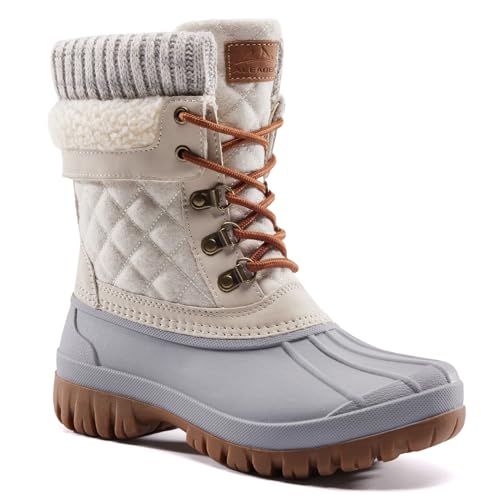
The Best Boat Shoes for Sailing Women's for 2026: A Buying Guide
Disclosure: We may earn a commission when you buy through links on this page, at no extra cost to you. As an Amazon Associate I earn from qualifying purchases. Learn more

Use this guide to compare best boat shoes for sailing women's options by grip, fit, support, and drainage so you can choose with confidence on deck.
Wet decks, shifting weight, and long hours on your feet make sailing footwear a safety choice as much as a comfort choice. The best boat shoes for sailing women's options share strong grip on wet fiberglass, fast drainage, and a fit shaped for a woman foot rather than a scaled down man shoe. This guide explains what to compare, which types suit which sailors, and how to use the comparison table below without guessing on size.
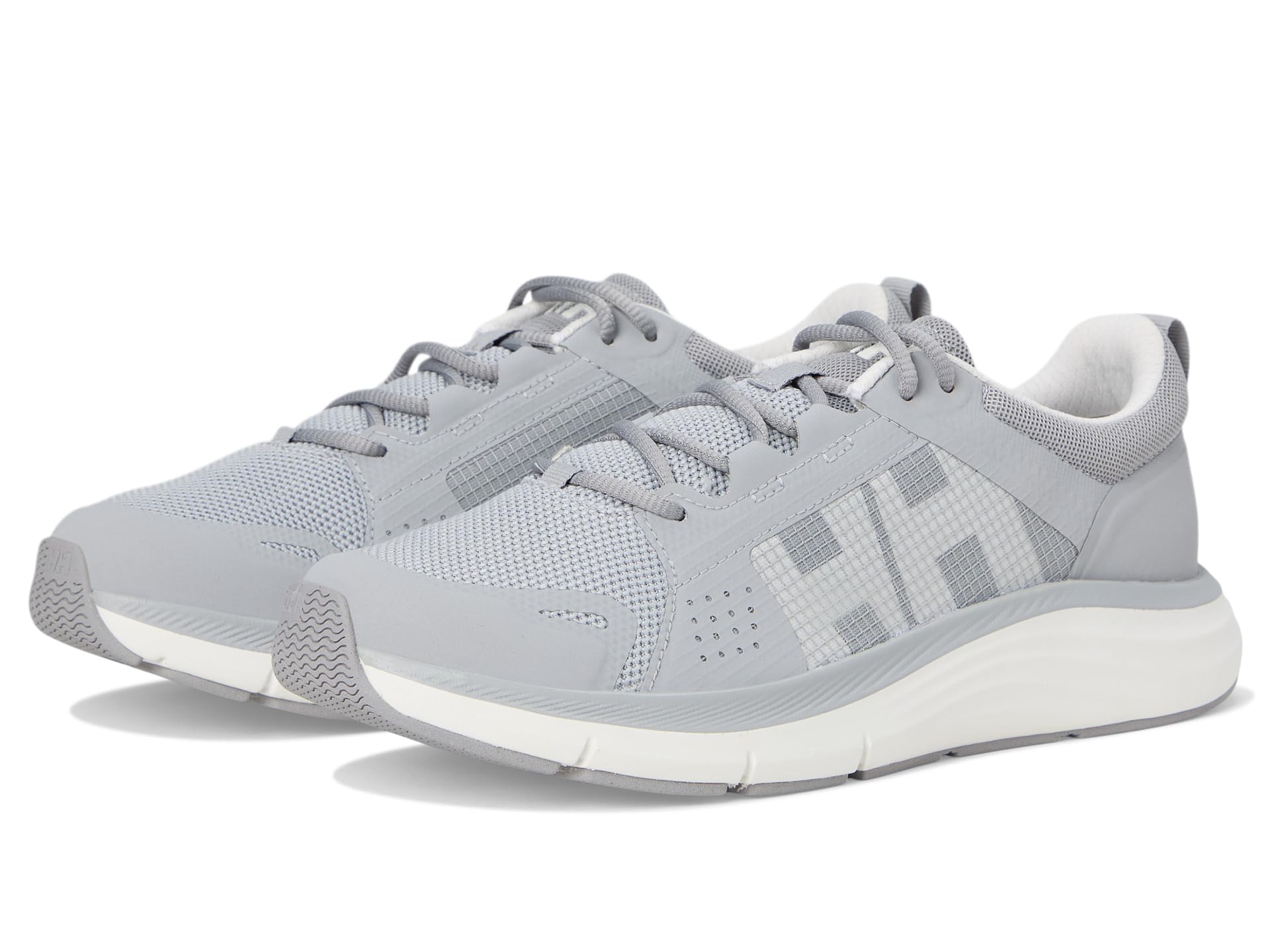
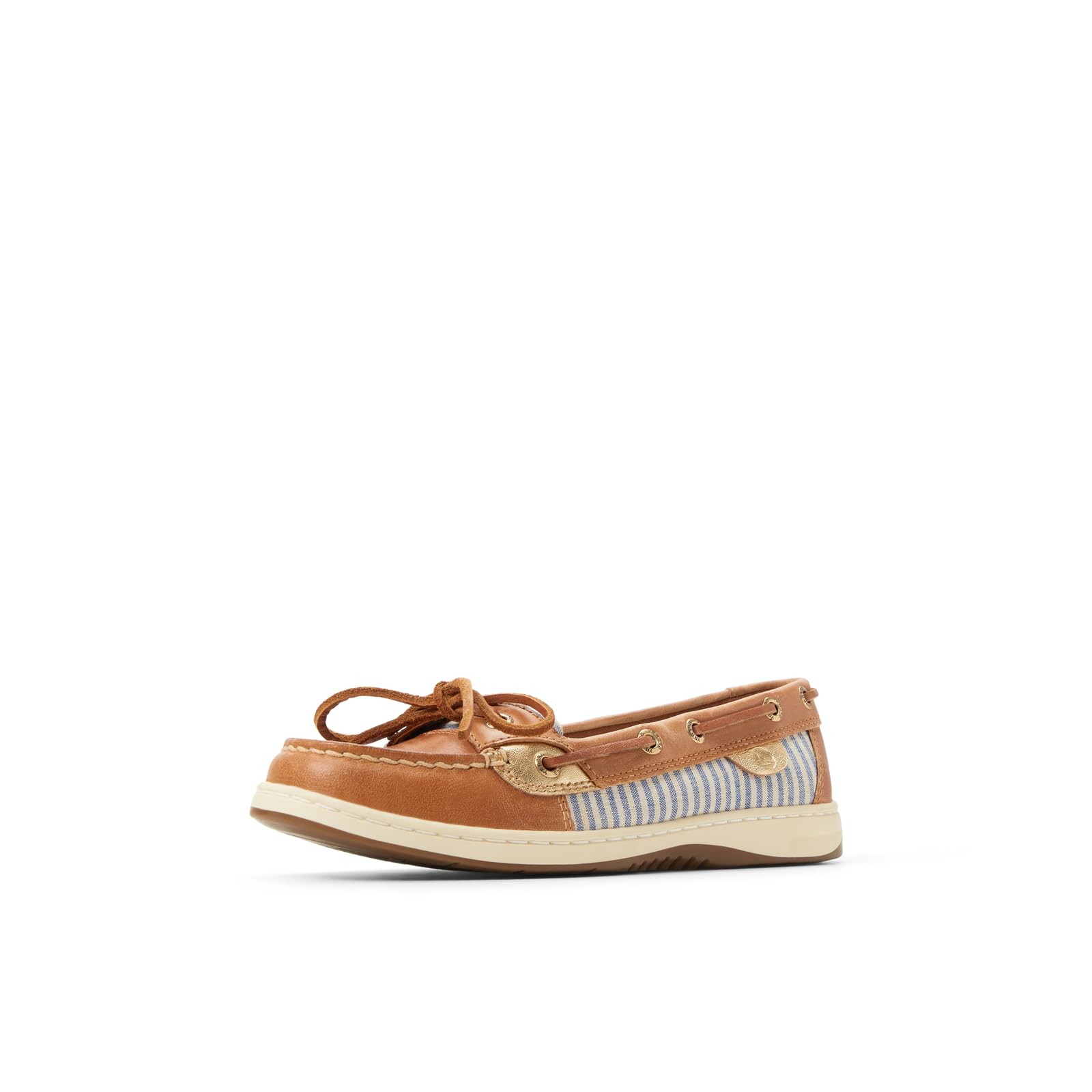


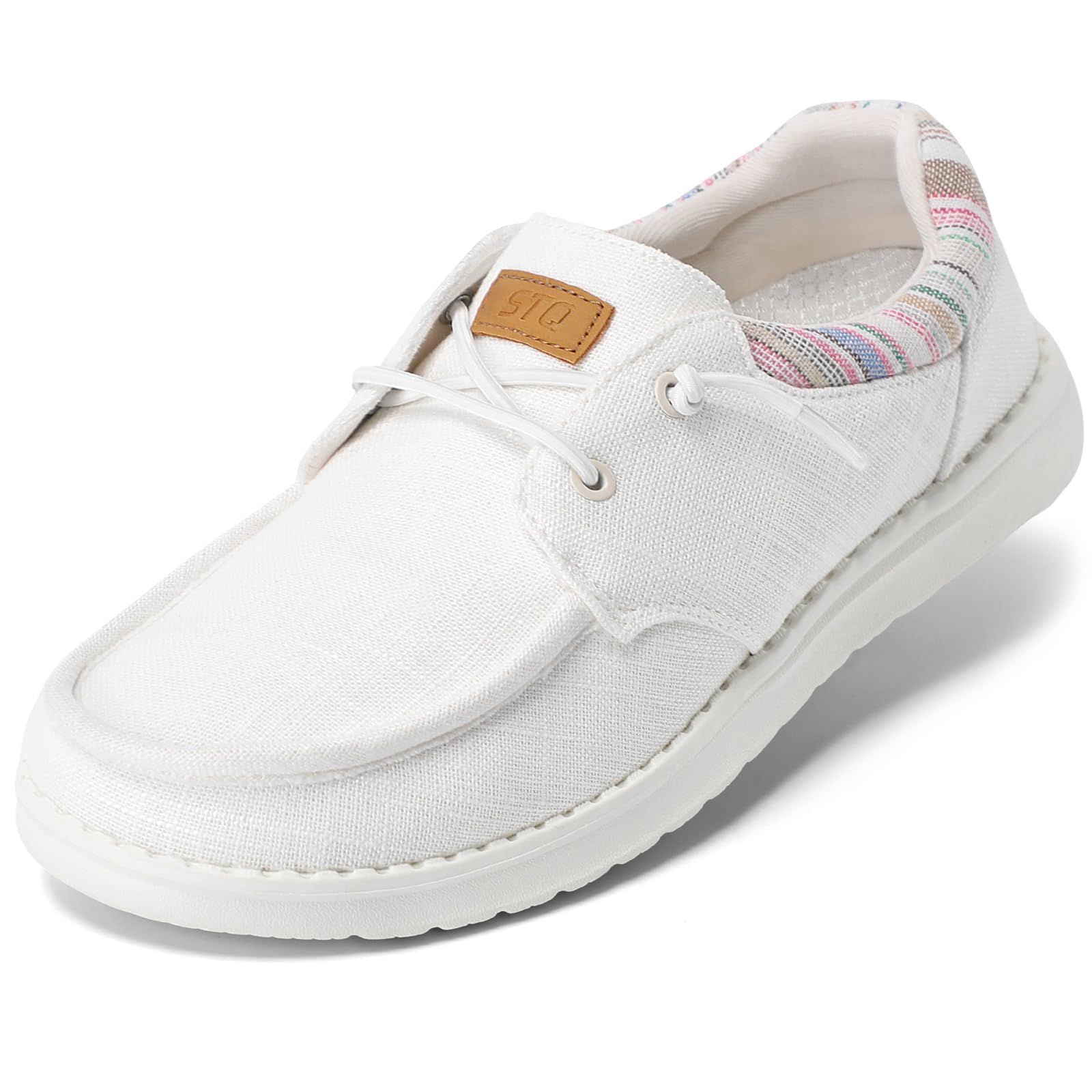

What to Look for by Budget and Experience
Spend should follow how often you sail and how demanding your boat work is. The tiers below describe what each level should deliver in materials, grip, and support, so you can judge any option in the product table above on value rather than on branding.
All Around Tier Traits
A strong all around sailing shoe balances wet grip, drainage, and support for a full day of trimming, steering, and moving on deck. Expect a siped rubber outsole that does not mark decks, a quick drying upper, and a secure lacing or strap system that keeps the heel in place during quick moves. This tier suits regular sailors who race or cruise most weekends. Its limit is price, and very airy designs in this tier may still feel cool on early season mornings.
Value Tier Traits
A value sailing shoe should protect grip and fit even when it trims extras. The outsole compound and tread pattern matter more than fashion colors or padded collars. You may accept heavier materials, slower drying, or fewer width choices. This tier suits occasional sailors and sailing school participants who need safe footwear without buying for daily use. Check the return policy closely, because value lines vary more in sizing, and a free size exchange can matter more than a small price difference.
Beginner Tier Traits
A beginner friendly sailing shoe feels comfortable right away, goes on easily, and grips well enough that a new sailor can focus on learning lines and balance. Look for a roomy toe box, soft lining with no hard seams over the toes, and simple laces that stay tied when wet. Avoid stiff leather styles that need long breaking in, and avoid very flat soles with no arch support. Your first pair should build confidence on deck, not demand weeks of adjustment.
How to Choose Boat Shoes for Sailing as a Woman
This is the core decision section. Work through each point with your boat, your typical weather, and your feet in mind. A shoe that excels in one area but fails on fit will still be the wrong shoe, so treat fit and grip as the two gates every option must pass.
What Women Should Look For
Women specific lasts are usually narrower in the heel, lower in volume over the midfoot, and shaped differently at the forefoot than men lasts. That shape reduces heel slip, which is a common source of blisters when a woman wears a small men size instead. Look for width options if your forefoot is broad, and check that laces let you lock the heel without crushing the top of the foot. Weight also matters during long days, so a lighter shoe can reduce leg fatigue noticeably.
Features That Matter for Sailing
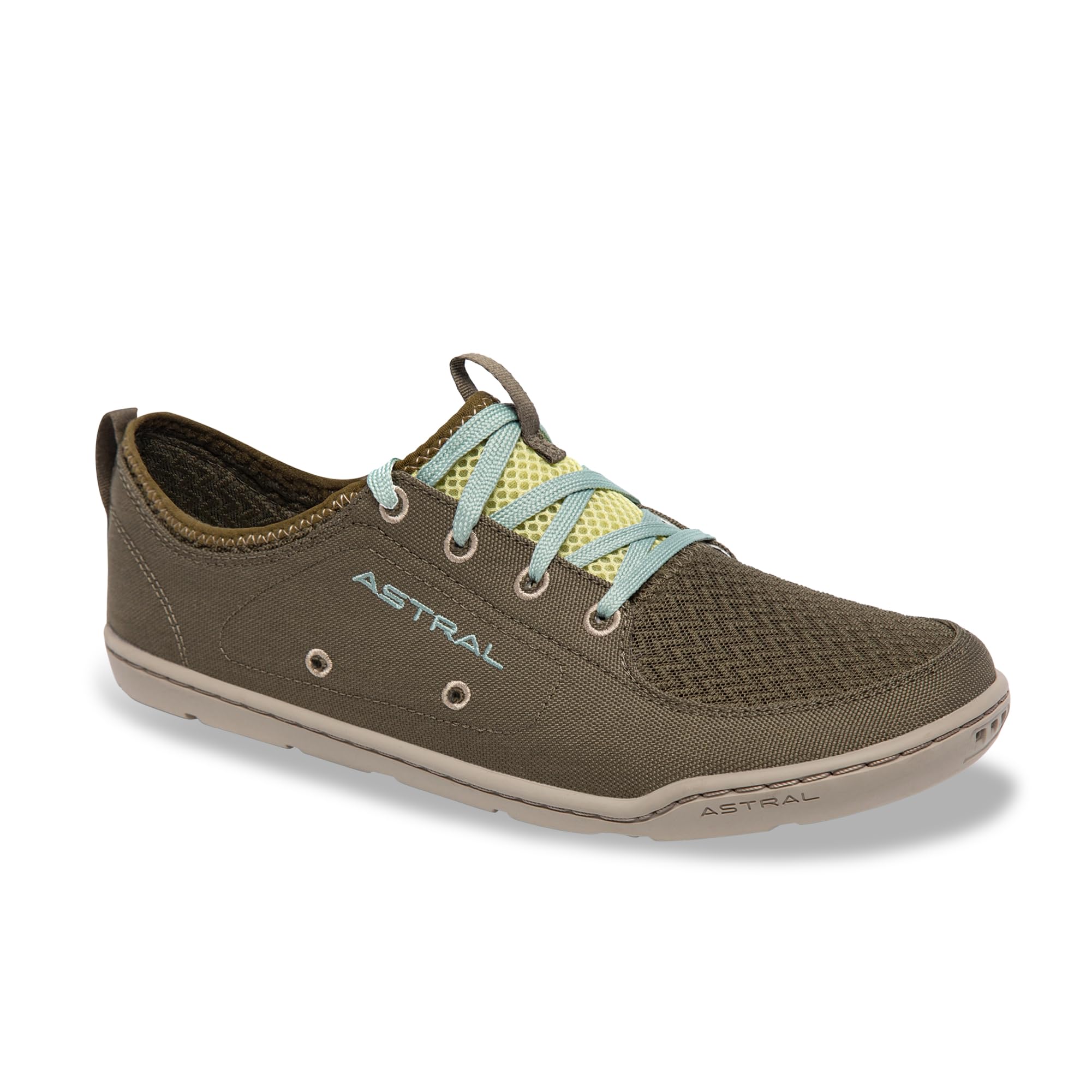
Sailing demands grip during sudden heel angles, drainage after a wave over the bow, and toe protection around deck hardware. Outsoles should use soft, sticky rubber with fine cuts called siping that open under pressure and channel water. Uppers should drain through mesh or ports rather than holding water like a sponge. A low profile around the ankle helps you move under booms and lines, while a reinforced toe area protects against winches, cleats, and dropped gear during busy maneuvers.
If you sail several boat types, compare general guidance in our guide to the best boat shoes for sailing with the women specific fit points here before you decide.
Fit, Sizing, and Toe Box
Measure both feet in the afternoon and fit to the longer foot. On deck you need a thumb width of space in front of your longest toe when standing, because feet swell and slide forward when the boat heels. The toe box should let toes spread for balance without letting the foot swim side to side. Try shoes with the socks you actually sail in, including no socks if that is your habit. Walk, crouch, and try a step up to check heel lift and toe pressure.
Arch Support and Foot Type
Flat feet often need firmer arch support and a stable heel counter to limit inward rolling during long standing. High arches often need more cushioning under the midfoot, because pressure concentrates at the heel and forefoot. If you overpronate, look for stability features and consider whether your everyday insoles fit inside the sailing shoe without crowding the toe box. Ongoing foot, ankle, or knee pain is a reason to speak with a clinician or a qualified fitter rather than hoping a new shoe alone will resolve it.
Outsole Traction and Terrain
Traction comes from rubber compound, tread shape, and siping working together. A flat contact area with many fine cuts grips smooth wet fiberglass best, while deeper lugs help on rough docks, ramps, and gravel parking areas but can feel less stable on a smooth deck. Some soles use branded rubber compounds known for grip on wet rock, which can also work well on decks. Check that the sole is described as non marking if your boat owner or club requires it, and replace shoes once siping looks worn smooth.
Break In Period and Comfort Out of the Box
Mesh and knit sailing shoes usually feel good right away and need little more than one or two short outings. Leather styles soften over a week or more of dry wear and should not be soaked on the first day if you want them to keep their shape. No style should cause sharp pain, numbness, or hot spots that grow during a short trial walk at home. Comfort out of the box matters more for sailing than for street shoes, because you cannot easily change footwear once you leave the dock.
Upper Materials and Breathability
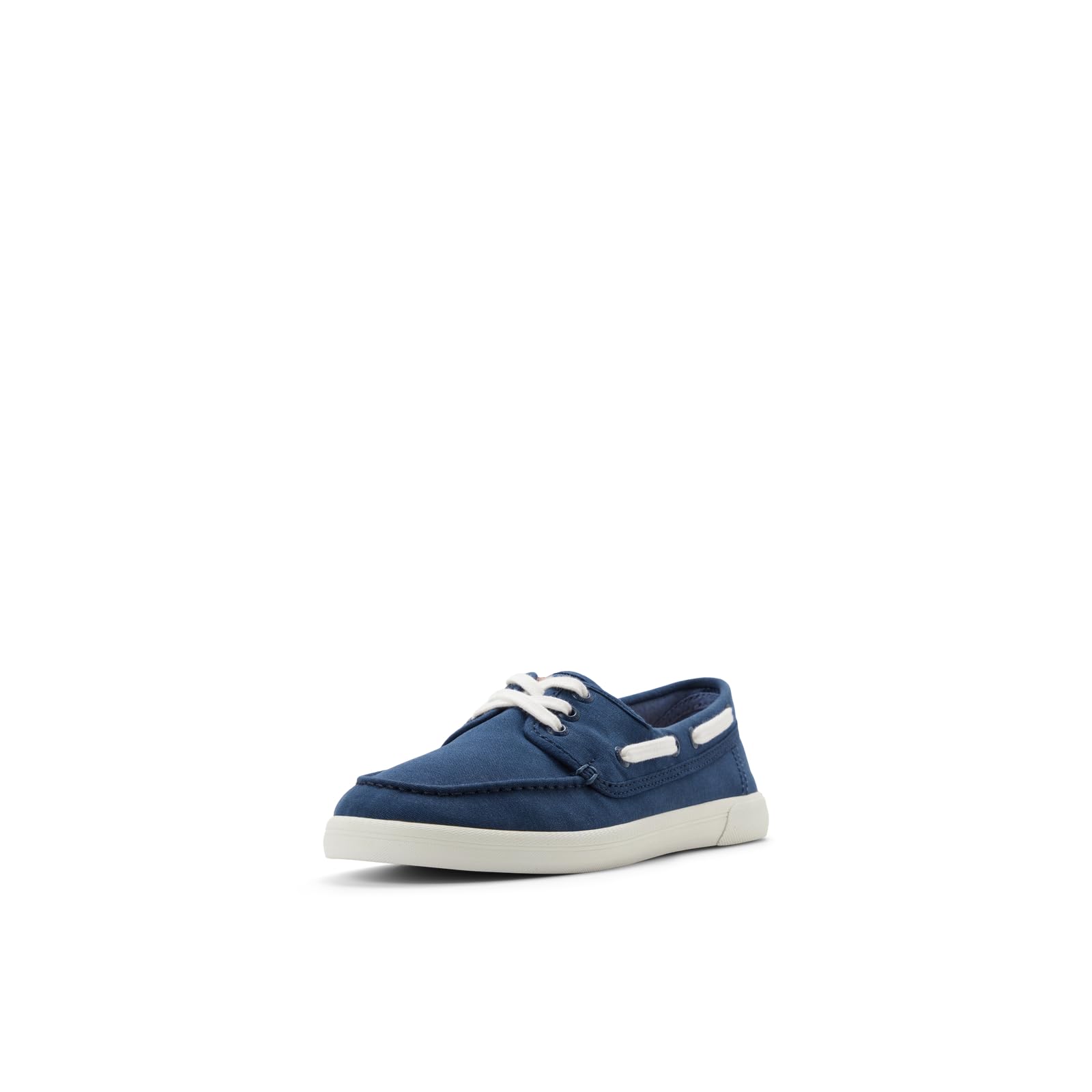
Mesh uppers drain fastest, dry fastest, and feel coolest in summer, but offer the least protection from sun and hardware. Leather uppers protect better and look classic, yet dry slowly and need care after salt water exposure. Knit uppers fit like a sock and reduce rub points, though they can hold fine sand. Waterproof membranes such as Gore Tex keep spray out in cool weather, but they also slow drying once water enters over the collar, so they suit cool and rough conditions more than hot summer sailing.
For related women specific options, see our guide to the best women's sailing shoes and our guide to the best women's shoes to wear on a boat for casual days when you are not actively sailing.
Types of Boat Shoes
Stability and Support Shoes
Stability shoes use firmer foam or structure under the arch and heel to guide the foot during long hours of standing and bracing. They suit sailors with flat feet, overpronation, or a history of arch fatigue. The trade off is extra weight and a less nimble feel during fast deck work. If you stand at the helm for hours, that support often matters more than saving a small amount of weight.
Lightweight Shoes
Lightweight shoes use mesh uppers and thinner soles to cut weight and speed drying. They suit warm weather sailing, dinghy work, and travel where bag space is tight. They dry between outings faster than any other type, which also helps with odor. The limits are less toe protection, less support, and soles that wear faster on rough docks. Treat them as warm weather specialists rather than your only pair if you also sail in cool or rough conditions.
Waterproof Boots
Waterproof boots, including tall sea boots, suit cold water, heavy spray, and offshore passages where keeping feet dry protects overall warmth and focus. They offer the most protection and support around the ankle. They are hot and heavy in summer and slow to dry if flooded. They are a complement to shoes, not a replacement, and many sailors own boots for rough weather and shoes for everything else.
Neutral Shoes
Neutral shoes provide cushioning without firm guidance features, suiting sailors whose feet roll neither far inward nor outward. They feel flexible and natural during quick moves and work well for mixed deck and shore use. Sailors who need strong arch control may find them tiring over a long day. If you already walk comfortably in neutral everyday shoes for hours, a neutral sailing shoe is often the easiest transition.
Beyond sailing, our guide to the best boat shoes covers classic styles, and our guide to the best sailing shoes covers performance designs for active racing crews.
Care and Maintenance Tips
- Rinse shoes with fresh water after salt water use and air dry them away from direct heat, which can crack leather and warp soles.
- Rotate two pairs if you sail on consecutive days, so each pair dries fully and cushioning recovers between outings.
- Lace properly to prevent heel slip, using a heel lock loop if the shoe provides one and your heel lifts during trial walks.
- Remove insoles to dry separately and shake out sand before it grinds into linings and shortens the life of the upper.
- Check siping and tread monthly, because grip loss is gradual and easy to miss until a wet deck reminds you.
Frequently Asked Questions
What makes boat shoes for women different?
Boat shoes for women differ in last shape, not just size and color. A women last usually has a narrower heel, a different arch placement, and a forefoot shape that reduces slip without squeezing toes. That fit improves balance and reduces blisters during quick deck moves. Some lines also offer lighter builds and lower ankle collars, which suit warm weather sailing and easier movement under lines and booms.
What features matter most in boat shoes for sailing?
Wet grip, drainage, and secure fit matter most in boat shoes for sailing. Grip keeps you safe during heel and spray, drainage keeps shoes light and comfortable after water comes aboard, and a secure heel keeps your foot stable during sudden moves. Support comes next, matched to your arch type. Breathability and quick drying matter more as temperature rises, while toe protection matters more on crowded or hardware heavy decks.
Can I wear boat shoes for sailing all day?
Yes, you can wear them all day if fit and support match your feet and you increase wear time gradually. Bring dry socks for breaks, loosen laces during calm periods to restore circulation, and note any hot spots early. A thin anti rub balm at the heel and toes helps on race days. If you develop persistent pain, swelling, or numbness, stop and seek advice from a clinician about your feet and footwear needs.
How long is the break in period for boat shoes?
The break in period for boat shoes is usually one to three short outings for mesh and knit styles, and one to two weeks of regular dry wear for leather styles. The upper should soften and the footbed should settle without creating new pain. Blistering that repeats in the same spot signals a fit problem rather than a stage to push through. Return or exchange while you still can if trial walks at home show that pattern.
Are expensive boat shoes worth it?
Expensive boat shoes can be worth it for frequent sailors who need longer lasting grip, better drainage design, and more width or support choices. Premium materials often keep siping effective longer and resist salt water damage better. For a few outings per season, a mid range pair with a correct fit gives most of the safety benefit. Spend first on fit and grip, then on durability in line with how many days per year you actually sail.
How should boat shoes fit?
Boat shoes should fit with a locked heel, room for toes to spread, and no pressure on top of the foot from laces. Stand, lean, and crouch while fitting, because sailing loads your feet at angles a flat store floor does not copy. Your longest toe should not touch the front when you press forward. If one foot is larger, fit that foot and use lacing or a thin insole to fine tune the smaller side.
Final Thoughts
Put wet grip and women specific fit first, then match support and materials to your weather and boat. A shoe that drains fast, holds your heel, and suits your arch will serve you in almost any sailing routine. Review the comparison table above with those checks in mind, and your choice of best boat shoes for sailing women's footwear will rest on fit and function, not guesswork.