
Best Boots for Work Women: Buying Guide for 2026
Disclosure: We may earn a commission when you buy through links on this page, at no extra cost to you. As an Amazon Associate I earn from qualifying purchases. Learn more

A practical buying guide to work boots for women: workplace toe rules, fit across a full shift, grip, waterproofing, price bands, and daily care.
A work boot has to survive the shift your feet actually work: concrete floors, wet loading docks, ladders, and long hours standing in one spot. The trouble is that many boots sold to women are smaller versions of a men's boot, and that shortcut shows up as heel slip, a cramped forefoot, and sore feet by lunch. Choosing the best boots for work women starts with your employer's rules, then moves to fit, toe class, and grip.
This guide walks through those checks in order, explains what each safety rating really means, and shows what each price band buys in materials and comfort. The comparison table below gathers the main boot classes side by side, so you can match a class to your job before you spend anything.


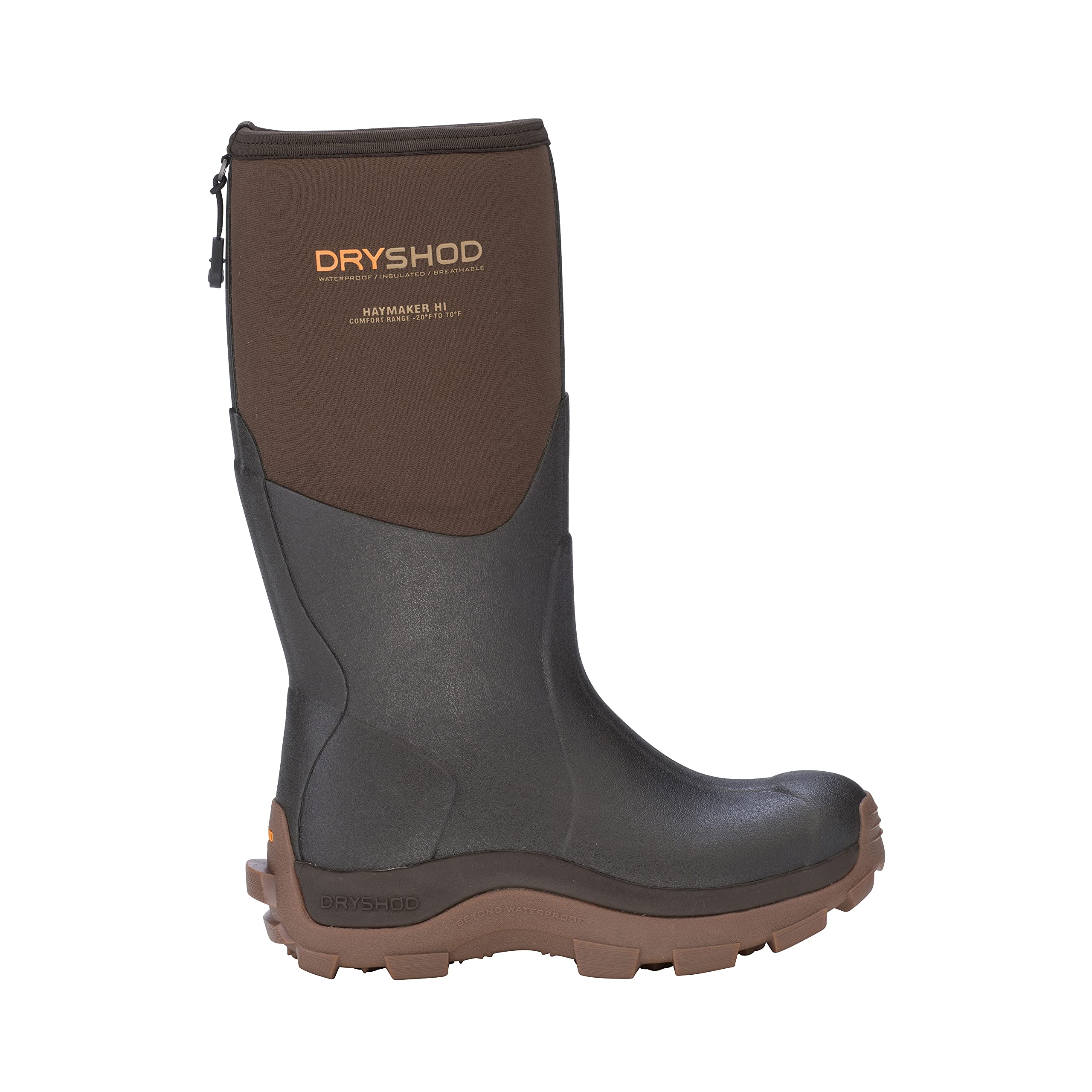


Check Your Workplace Rules First
Many employers and site rules name the exact protection a boot must carry before you are allowed on the floor. Common requirements include a rated safety toe, electrical hazard protection for work around live circuits, puncture resistant soles for sites with sharp debris, and slip resistant tread for kitchens and hospitals. Read your rule sheet or ask your supervisor before shopping, because a comfortable boot that fails the rules is money wasted.
Understand what a rating is. A safety toe class is a standard a boot has been assessed against for impact and compression, and a slip rating describes how the tread performed in a standardized assessment. These are tested classes, not guarantees that no injury can happen. General guides to the best work boots cover the whole market, while your rule sheet narrows that market to the few classes you may actually wear.
How to Choose: Fit, Toe Class, Grip, and Weight
Taken together, the checks below are what separate the best boots for work women from a men's boot cut smaller and painted a different color. Work through them in order, because the early checks rule out whole classes before the later ones matter.
Fit for a Full Shift, Not a Five Minute Try On
Try boots on late in the day, when your feet have swollen to their working size, wearing the socks you actually work in, and walk, crouch, and climb a step if the store allows it. Your heel should stay seated when you walk while your toes still have room to spread, and no seam or stiff edge should press on the top of your foot. A boot built on a women's last is usually narrower through the heel and shaped differently through the midfoot than a men's boot in the same length. That is also why borrowing sizes from the best men's work boots rarely works out: the length may match while the heel fit fails completely.
Fit is also where honesty matters. Boots can help with comfort and support feel, and nothing more. Pain that keeps coming back, pain that grows worse week by week, numbness, or swelling that does not settle overnight is a medical question rather than a shopping one. If any of that sounds familiar, talk with a clinician before you buy another pair, because no boot can treat a foot problem.
The Toe Class Fork: Steel, Composite, and Alloy
Steel toes are the oldest class: strong, widely available, and the heaviest of the three. They also conduct cold, which matters on winter sites. Composite toes use fiber and resin instead of metal, so they weigh less, stay silent at security gates and metal detectors, and feel kinder in cold weather, while alloy toes sit between the two, lighter than steel and usually a little slimmer than composite. Readers who have settled on the middle path can compare that class in our guide to the best composite toe work boots for women.
All three classes are rated classes, meaning samples are assessed against a published standard for impact and compression. A rating tells you the boot met that standard; it does not promise protection against every dropped object or every crush hazard. If your workplace names one class, buy that class. If it only requires a rated toe, choose by weight, weather, and whether you pass through detectors during your shift.
Grip on Wet Floors Is a Tread Decision
Wet floor grip comes from the tread pattern and the rubber compound, not from the boot's price tag. Soft rubber with many small edges and channels that push water aside holds better on wet tile, sealed concrete, and kitchen floors. Deep, widely spaced lugs grip mud and gravel on outdoor sites but can skate on smooth wet floors because less rubber touches the ground. Match the sole to the surface you stand on most: flat, fine tread for indoor service work, open lugs for yards and sites, and something between the two for delivery work that mixes both.
Uppers, Waterproofing, and Breathability
Full grain leather shrugs off scrapes and lasts for years when it is cleaned and conditioned. Synthetic uppers weigh less and dry faster, while mesh panels trade durability for airflow in hot buildings. A waterproof membrane keeps rain and puddles out, yet it also holds sweat in, so the same boot that feels great on a wet dock can feel swampy through a summer warehouse shift. For outdoor crews who work in the rain, the best waterproof work boots for women are built around a sealed membrane and a gusseted tongue that keeps water from sneaking in at the laces.
Weight and Flex Across the Day
Every ounce on your foot is lifted thousands of times per shift, so a heavy boot costs more energy than the same weight carried on your back. A pair of leather safety boots can weigh twice as much as a light composite pair, and that gap decides how your legs feel at hour nine. Flex matters too: the boot should bend where your foot bends, at the ball, rather than folding across the middle. If you climb ladders, look for a defined heel that catches a rung; if you drive between stops, a lower and more flexible boot usually feels better behind pedals.
What Each Price Band Buys
The product table above lines the classes up by price, and the bands below explain what that money actually changes. Prices here are rough class averages, so treat them as a map rather than a quote.
About $60 to $90: The Working Basics
Entry level work boots cover the required ratings and little else. Expect serviceable leather or synthetic uppers, basic foam insoles, and soles that grip well when new. Fit ranges tend to be narrower, with fewer width options, and the midsole usually packs down within a year of daily wear. For a first job or a tight budget, this band is honest value as long as the toe class matches your workplace rules.
About $90 to $140: Where Comfort Improves
The middle band buys better cushioning that survives longer, more width choices, and uppers that break in faster. Composite toes and waterproof membranes both become common here, and stitching and hardware are visibly sturdier. For most women working full time on hard floors, this band is the point where extra money turns into extra comfort at the end of a shift rather than extra decoration.
About $140 to $200: Longer Lasts and Better Materials
Higher priced boots use thicker leather, replaceable or resoleable construction on some classes, and lasts refined for women's feet rather than scaled down. You also get better waterproofing, lighter safety toes, and insoles that hold their shape for years. The gain is lifespan and fit quality, not a higher safety rating, since a rated toe passes the same standard at every price.
The Main Types of Work Boots
Most work boots for women fall into a few classes, and each suits a different kind of day. When a job is mostly standing in one place, the last type in this list may serve you better than any boot.
Safety Toe Boots for Sites and Shops
The classic class for construction, manufacturing, and workshop floors. A rated toe, a sturdy sole, and ankle height that supports you on uneven ground define the type. Choose this class when falling objects, carts, and machinery are part of your day.
Soft Toe Boots for Warehouses and Delivery Routes
Where rules allow them, soft toe boots drop the weight of a safety cap and flex more easily, which suits pickers, drivers, and stock staff who walk miles per shift. The trade is real: without a rated toe, this class belongs only in workplaces that do not require one.
Slip On and Chelsea Style Work Boots
Elastic sided and slip on boots trade lace adjustment for speed, which farm, stable, and garden center staff often prefer. Without laces you lose fine fit control, so the last shape has to suit your foot from the start. Many still carry rated toes and waterproof membranes, so the class is a fit choice rather than a safety downgrade.
When a Work Shoe Beats a Boot
Nurses, retail staff, and kitchen crews who stand all day on smooth floors often do better in a shoe with strong cushioning and fine tread. Our guide to the best work shoes for standing women covers that lighter class. Boots win when you need ankle coverage, a safety toe, or grip outdoors; shoes win on weight and airflow indoors.
Care and Maintenance
- Rotate two pairs if you can. A rest day lets the midsole recover its shape and lets the lining dry fully, which stretches the life of both pairs.
- Dry wet boots slowly. Pull the insoles out and air dry away from direct heat, since radiators and heaters crack leather and warp soles.
- Clean and condition leather. Brush off dust and dried mud, then use a leather conditioner when the upper starts to look dry and pale.
- Replace insoles before boots. A fresh insole restores much of the cushioning feel for a small cost when the rest of the boot is still sound.
- Inspect tread and stitching monthly. Smooth soles, loose stitching, and cracked uppers are retirement warnings, especially where grip is a safety requirement.
Questions Answered
What makes work boots for women different from work boots for men?
The difference is the last, the wooden or digital form the boot is built around. Women's lasts are usually narrower in the heel, lower in the ankle collar, and shaped for a higher average arch, and the size range starts smaller. Many brands also tune weight down, since the same protection in a smaller boot needs less material. A resized men's boot often fits in length yet slips at the heel, which is why a true women's last matters more than color or styling.
How many hours a day can work boots be worn comfortably?
A well fitted pair can be worn through a full shift of eight to twelve hours, provided the cushioning still has life in it. Comfort fades first in the insole and midsole, so a boot that felt fine in month one may ache by month eight even though the upper looks new. Compression socks and a midday sock change help more than most shoppers expect. If your feet throb every evening in fairly new boots, the fit or the size is wrong rather than your feet.
Are steel toe boots required for every warehouse job?
No, the requirement comes from your employer and your site, not from the job title alone. Some warehouses mandate a rated toe for everyone on the floor, others only near forklifts and pallet jacks, and some allow soft toe footwear entirely. Composite and alloy toes meet the same standards as steel, so a mandate for a rated toe rarely means steel specifically. Always check the written rule for your workplace before choosing, and keep the answer with your paperwork in case a supervisor asks.
How long does it take to break in leather work boots?
Most leather work boots settle in over one to two weeks of regular wear, roughly twenty to forty hours on your feet. Wear them for short indoor stretches first, then a half shift, then full days, so stiff spots reveal themselves before they can raise blisters. Thick work socks and firmly laced ankles reduce rub while the leather molds. Boots that still pinch the toes after two weeks are the wrong size or shape, and more breaking in will not fix that.
Do women with wide feet need a different boot size or a wide fitting?
You need a wide fitting in your normal size, not a longer size. Sizing up adds length your toes do not need and moves the flex point to the wrong place, which can cause heel slip and tripping. Look for brands offering wide options on a women's last, and judge width by whether your forefoot can spread when you stand with weight on it. If only men's wides are available locally, try them with your work socks, but expect the heel to run loose.
When should work boots be replaced instead of repaired?
Replace a pair when the tread is worn smooth in the heel or forefoot, when the midsole feels flat and dead under your weight, or when the toe cap area is dented or cracked. A damaged safety toe should never be trusted again, even if the boot still looks tidy. Resoling makes sense only on boots built for it and only while the upper and midsole remain sound. For most foam midsole boots, replacement is the honest answer once cushioning dies.
Final Thoughts
Start with your workplace rules, fit the boot to your feet at their evening size, and let the toe class and tread follow your actual floor. Price bands then become simple: pay for lifespan and fit quality, not for a higher safety promise, since rated classes meet the same standards at every price. Look back at the product table above to compare the classes side by side.
Chosen that way, the best boots for work women are simply the pair whose rules, fit, and grip all match your shift, and that is a decision you can make with confidence today.


