
Best Boots for Working on Concrete All Day 2026: A Buying Guide
Disclosure: We may earn a commission when you buy through links on this page, at no extra cost to you. As an Amazon Associate I earn from qualifying purchases. Learn more

A buying guide to the best boots for working on concrete all day: cushioning, fit, weight, safety toe options, price bands, and when pain needs a clinician.
Concrete is an unyielding surface, and it returns every step straight back into your feet, knees, and back for the whole shift. Choosing best boots for working on concrete all day is therefore a cushioning and fit decision before it is anything else, and this guide walks through those factors in order, with the comparison table below lining up the options.
One boundary matters before any shopping advice. A boot can make standing and walking on concrete more comfortable, but no boot treats a foot problem or a back problem, and comfort claims should never be read as medical ones. If you have ongoing foot pain, numbness or tingling, or swelling that does not settle overnight, talk with a clinician before spending money on footwear, because those signs can point to something a new boot cannot fix.
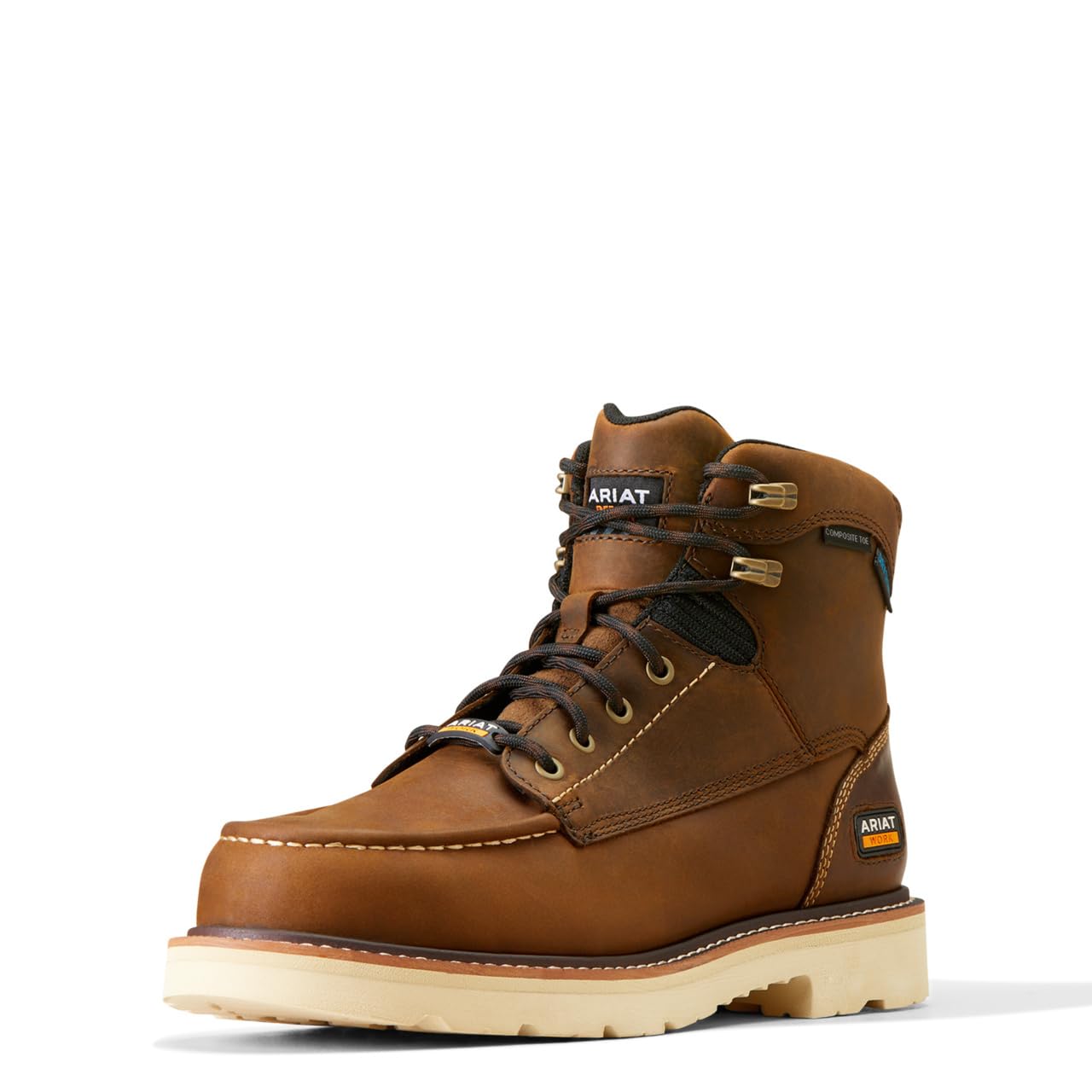
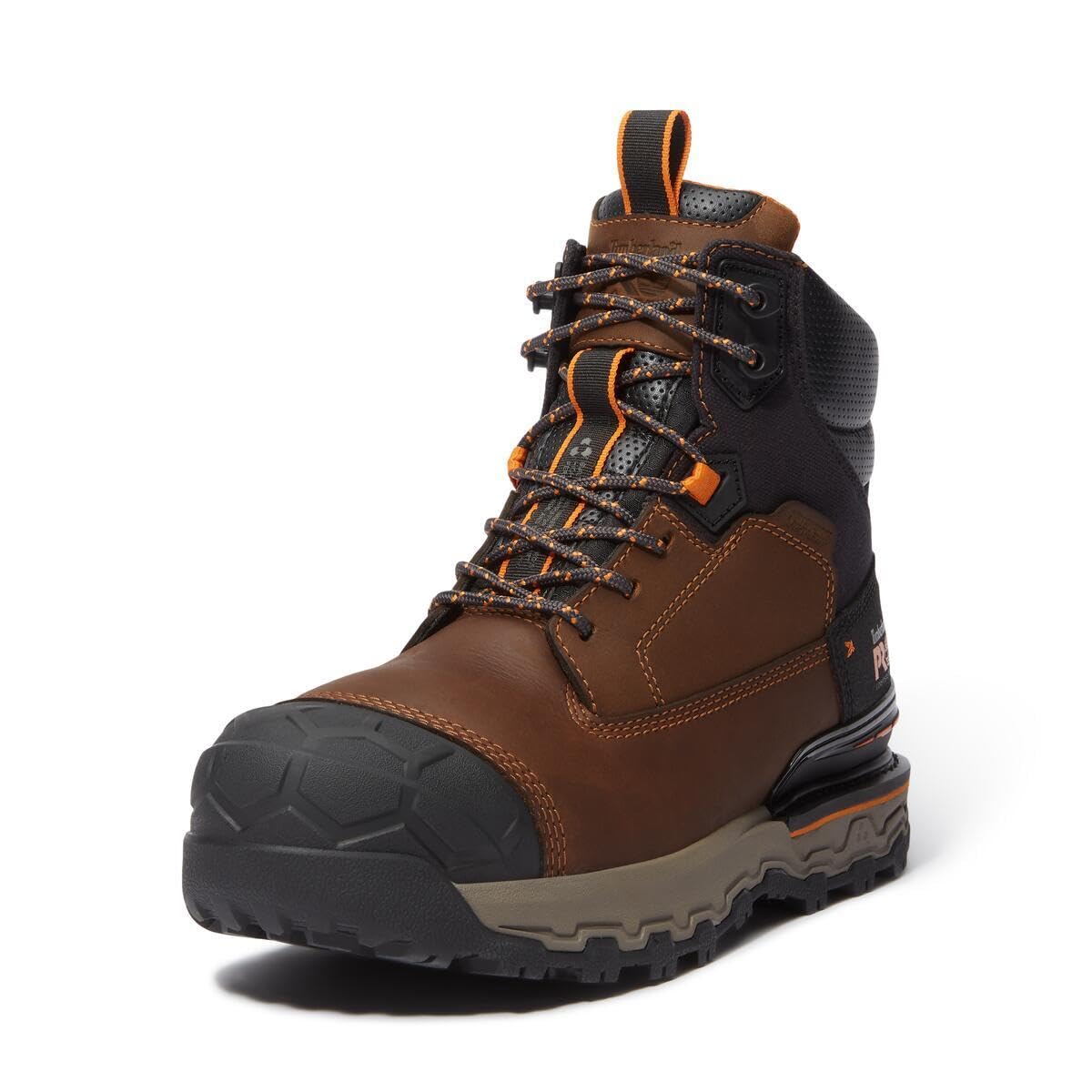

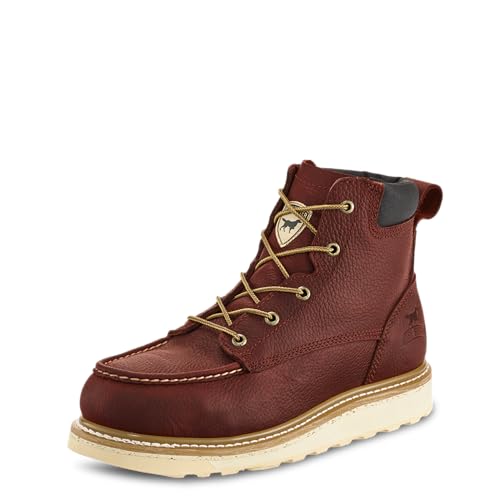
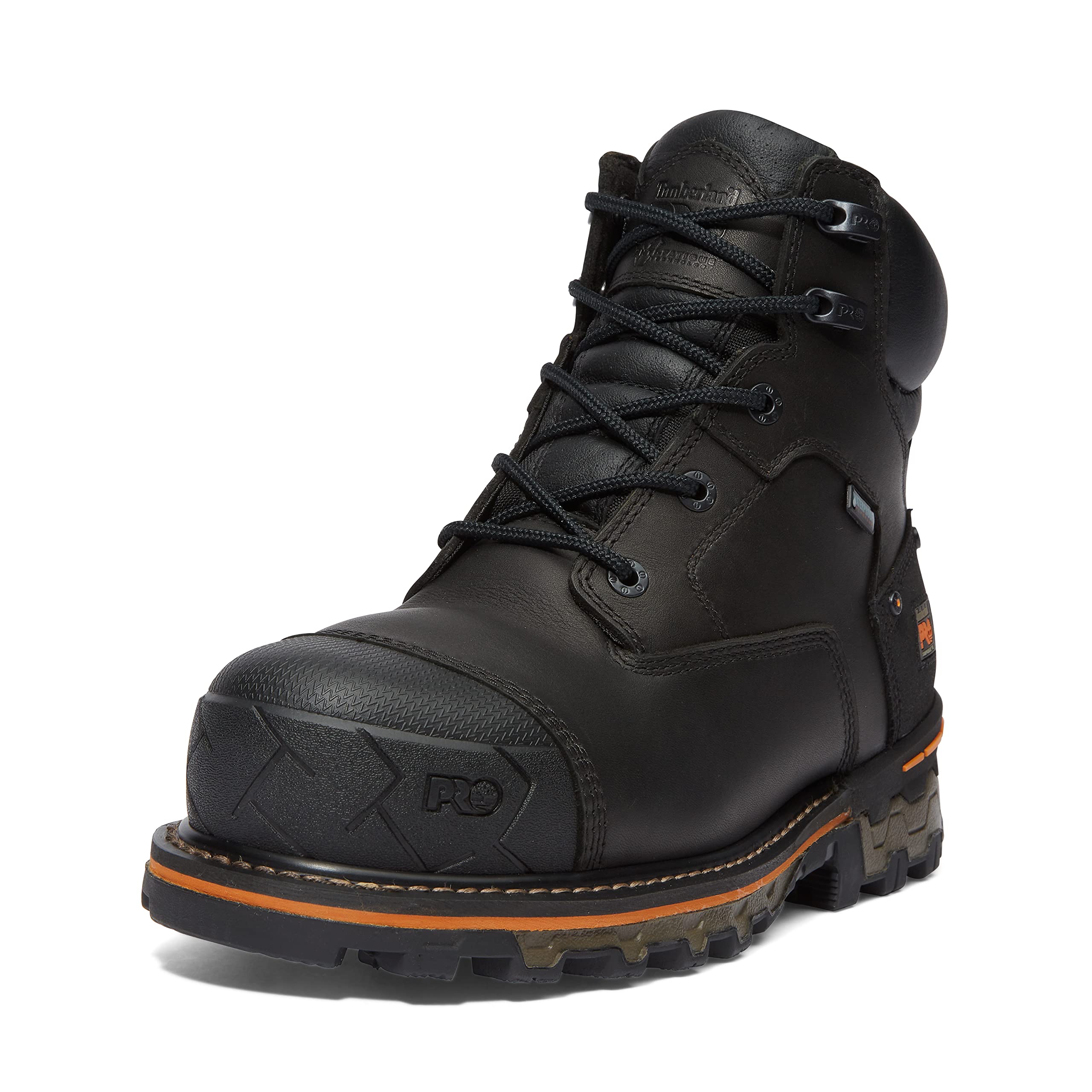


How to Choose: Key Features to Compare
Cushioning and Midsole Build
The midsole is the part of the boot that does the work on concrete, so read it first. Thick foam midsoles compress under your weight and spread the impact of each step, while thin, hard soles pass the shock straight through. Foam softens over months of shifts, so a boot that felt plush in spring can feel flat by autumn even when the upper still looks fine. Rotating two pairs, giving each a day to recover, gets more comfortable miles from both.
Shoppers who want the work boot framing of this same problem will find best work boots for working on concrete all day covered as its own guide on this site.
Fit, Sizing, and Toe Box
Feet swell across a long shift, so try boots on late in the day and with your work socks. You want a thumbnail of space ahead of your longest toe, a heel that stays seated when you walk, and a toe box wide enough that your toes can spread under load instead of stacking. A boot that fits perfectly in the morning can be effectively a size too small by mid afternoon, and that squeeze is a common cause of end of shift foot ache.
Weight and Flexibility
Weight is the quiet factor that decides how your legs feel at the end of the week. A heavy boot is carried on every one of the thousands of steps a concrete shift involves, and the cost shows up as tired calves and sore knees long before the boot itself wears out. For indoor warehouse and shop floors, a lighter boot with a flexible forefoot usually beats a stiff, heavy one. Save the rigid builds for sites with real crush or puncture hazards, where the protection earns the weight.
Arch Support and Foot Type
Concrete gives your arches nothing, so the support has to come from the boot and its insole. Flat feet tend to prefer a firmer midsole and a structured insole that resists rolling inward, while high arches usually do better with softer cushioning that fills the gap under the midfoot. Most factory insoles are thin placeholders, so budgeting for a quality replacement insole often beats jumping a whole price band. Treat all of this as comfort and fit guidance, not as correction of your foot shape.
Waterproofing and Membranes
Waterproof membranes earn their place for dock work, outdoor yards, and jobs with washdowns, but they always trade away some breathability. On a dry indoor floor, that trade buys you nothing and can leave feet hot and damp from sweat alone by midday. Decide by the wettest hour of your shift, not the average one, and remember that a membrane only guards up to its lining height, so a boot soaked over the ankle is a wet boot whatever the label promises.
Break In Period and Comfort Out of the Box
Leather work boots usually need one to two weeks of shorter wears before the upper molds to your foot, while synthetic boots often feel close to final fit on day one. Plan the break in before a long stretch of shifts, not during it. A boot that rubs in the store will rub worse at hour nine, so any hot spot during a try on is a reason to change size or model. Comfort out of the box matters more on concrete than on soft ground, because there is no forgiving surface to hide a bad fit.
Types of Boots for Concrete Work
Lightweight Boots
Lightweight boots pair sneaker style foam midsoles with a boot height upper and an ankle collar. They are the easiest all day choice for dry indoor floors, warehouses, and retail stockrooms, and they ask almost nothing in break in time. The trade is durability: foam this soft packs down sooner, so expect to replace them more often than a leather boot.
Cushioned Work Boots
Cushioned work boots keep a traditional leather or mixed upper and put the budget into a thick midsole and a padded insole. They suit mixed days of standing, walking, and light lifting, and they hold up better than lightweight styles under daily abuse. They weigh more, so very high step count jobs may still favor the lighter type.
Waterproof Boots
Waterproof boots add a membrane and sealed seams for wet floors, loading docks, and outdoor concrete. They are the right call when your shift includes puddles, washdowns, or rain, and the wrong call for a dry, warm building where breathability matters more. Budget for slower drying times overnight.
Safety Toe Boots
Where your employer or site rules require a protective toe, the rating class is not optional, and the boot must carry the certification your safety officer asks for. Readers comparing that duty class specifically can work through best steel toe boots for working on concrete all day as the dedicated guide. Composite toes weigh less and do not conduct cold, while steel remains the slimmest profile.
What Your Money Buys: Price Bands
The entry band, about $70 to $110, buys a serviceable foam midsole, a basic insole, and an upper that will likely show wear within the first year of daily concrete work. The middle band, about $110 to $170, is where thicker midsoles, better insoles, waterproof options, and certified toe models come together, and it is the sensible spend for full time floor work. Above about $170 to $250, you pay for tougher leather, rebuildable construction on some styles, and lighter weight at the same protection level.
Picking the Right Boots for Different Uses
Best Women's Boots for Working on Concrete All Day
Women's models built on a women's last differ in heel width, instep height, and toe shape, and those differences matter more across a full shift than in a short try on. Look for the same midsole thickness as the men's lines, since some women's styles quietly ship with thinner cushioning. If your size sits between the two ranges, try both lasts with your work socks and judge by heel hold and toe room, not by the label.
Mixed Indoor and Outdoor Floors
Jobs that move between polished indoor concrete, loading docks, and rough yards need a sole that grips on smooth floors without collecting gravel in deep lugs. A moderate lug pattern with a wide, flat contact area is the compromise that works on both.
When Shoes Beat Boots
Some concrete jobs, such as light assembly or retail floors with no toe requirement, are honestly better served by a sturdy work shoe that weighs less and breathes better. The comparison point for male readers is best men's shoes for working on concrete all day, and the broader shoe framing sits at best shoes for working on concrete. Choose the shoe when ankle support and shaft protection are not part of your hazard picture.
Tips to Get the Most From Your Boots
- Rotate two pairs on alternate days so each midsole gets a full day to rebound.
- Replace the insole when the original flattens; it is the cheapest comfort upgrade there is.
- Lace from the bottom with even tension to stop heel lift, which causes most blisters.
- Dry wet boots at room temperature away from direct heat, which cracks leather and weakens glue.
- Retire a pair when the midsole feels dead under the heel, even if the upper looks fine.
- Stand on an anti fatigue mat where your job allows one; the boot and the mat share the work.
Frequently Asked Questions
What features matter most in boots for working on concrete all day?
Midsole cushioning matters most, because concrete returns every step and the foam is the only layer absorbing it. Next come fit with room for feet that swell across a shift, then total weight, since a heavy boot is lifted thousands of times a day. Arch support should match your foot type, and waterproofing only matters if your shift is genuinely wet.
Are expensive boots for concrete work worth the money?
Expensive boots are worth it for full time floor workers mainly through durability and rebuildable construction, not through dramatically better cushioning. The middle price band already buys the midsole quality that matters most, so the jump upward pays off over years rather than weeks. Occasional concrete work rarely justifies the top band.
How often should boots for working on concrete be replaced?
Replace them when the midsole stops rebounding, which for daily full shift use often arrives somewhere around one to two years depending on body weight and step count. The upper and outsole can look healthy long after the cushioning has packed flat, so judge by how your feet feel at the end of a shift, not by appearance.
How long is the break in period for concrete work boots?
Leather boots usually take one to two weeks of gradually longer wears, while synthetic and lightweight styles may need only a few shifts. Start with half days, and never debut a new pair on your longest shift of the week. A small amount of stiffness is normal; sharp rubbing or heel blisters are not, and they signal a fit problem rather than a break in problem.
How should boots for working on concrete all day fit?
They should fit with about a thumbnail of space in front of your longest toe, a heel that does not lift as you walk, and enough toe box width for your toes to spread under load. Try them late in the day with your work socks, because feet swell on concrete and a morning fit can turn tight by evening.
Can boots for working on concrete all day be worn on other surfaces?
Yes, the same cushioning that helps on concrete also serves on asphalt, tile, and packed gravel, though very soft foam soles wear faster on rough outdoor ground. Deep lugged versions handle yards and docks better, while flat contact soles grip polished floors best. If your work moves between surfaces, the mixed floor advice earlier in this guide is the right compromise to follow.
Final Thoughts
Put cushioning first, fit second, and weight third, and let the price bands sort the rest. The product table above lets you compare the current options against exactly those points. Choose best boots for working on concrete all day with a midsole that still feels alive at the end of a shift, and let a clinician, not a boot, handle any pain that persists.


