
Best Boat Sandals for Men for 2026: Which One Fits the Way You Use It?
Disclosure: We may earn a commission when you buy through links on this page, at no extra cost to you. As an Amazon Associate I earn from qualifying purchases. Learn more

Not all boat sandals fit every routine. See which best boat sandals for men match how you actually use them, what features to prioritize, and what to skip.
There is no single pair that suits every dock, deck, and shoreline walk. The best boat sandals for men for you depend on how wet your feet get, how long you stand, and how much grip you need on slick surfaces. This guide sorts choices by use first, then by features, so you can narrow the field before you look at the comparison table below.
A sandal that feels great for a short launch ramp walk may leave you sore after a full day of fishing. A rugged pair built for rocky entries may feel stiff and heavy at a marina dinner. Matching the sandal to the job saves money and avoids blisters.


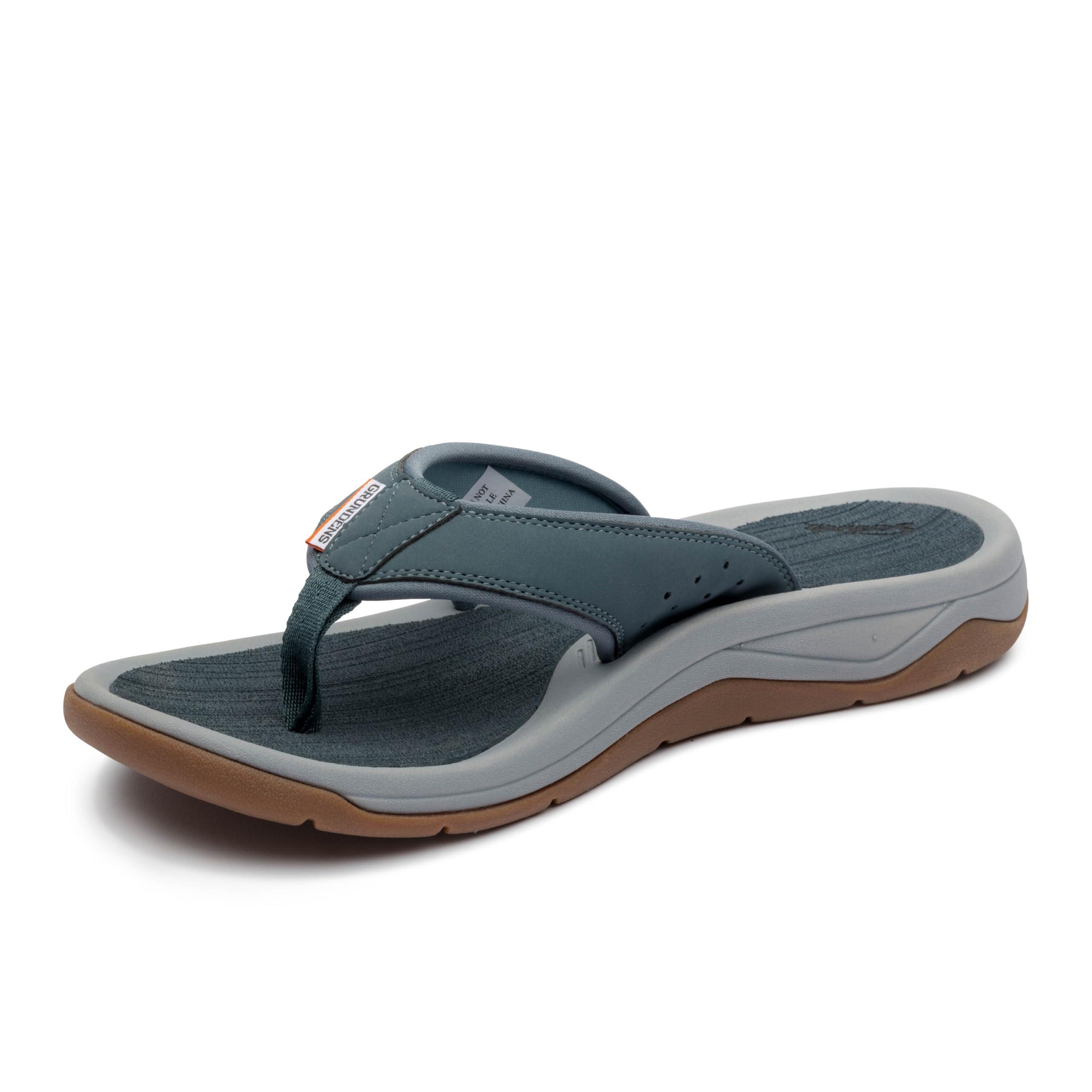


Who Should Buy Which Boat Sandals?
Start with your most common day on the water, not your most extreme one. The groups below describe real routines and the traits that matter most for each one. If you split time between two routines, favor the one where a poor choice would hurt most, usually the longer or wetter day.
For Frequent or Serious Users
If you are on the water several days a week, prioritize durability, secure straps, and an outsole that still grips after months of wear. Look for strong stitching or bonded construction, a footbed that resists packing down, and a warranty that covers strap failure. You will pay more up front, but a pair that lasts two full seasons costs less per outing than a flimsy pair replaced each summer. Closed toe protection also helps if you work around cleats, anchors, and coolers.
For Weekend Beginners
If you boat a few weekends each season, you need comfort and simplicity more than maximum toughness. Choose a pair that is easy to put on, easy to rinse, and comfortable without socks from the first wear. Moderate cushioning and a simple two strap or slip on design usually suffice. Spend in the middle range and put the savings toward a proper fit. Try them on at home on both carpet and a smooth floor to check for heel slip before your first trip.
For Bad Weather and Tough Conditions
For rain, rough launches, and rocky shorelines, water handling matters more than softness. Look for quick drying synthetic straps, deep tread lugs, and a toe guard that shields against stones and dock edges. Materials should not stay soggy or stretch loose when soaked. A firmer midsole protects your feet when you step on unseen rocks under shallow water. Avoid leather that is not treated for water in this role, because it dries slowly and can crack if you rush drying with heat.
For Small Spaces and Easy Storage
If storage on board is tight, a light and flexible sandal earns its place. Flat packing styles slide into a tote or a narrow locker and dry fast when hung by a strap. Weight matters if you carry your gear a long way from car to dock. The trade off is less underfoot protection and less support on long walks, so treat this style as a boat pair rather than your only summer sandal. A second pair for shore walks can cover that gap.
Key Features to Compare
Features only matter when they solve a problem you actually have. Use the points below to connect each spec to a moment on the water, from stepping onto a wet deck to standing at a cleaning station. If a feature does not map to your routine, do not pay extra for it.
Cushioning and Support
Cushioning softens impact on hard decks, while support controls how your foot rolls as you move. A stability design with a firmer arch area suits men whose feet roll inward and who feel knee or arch ache after long days. A neutral, softer design suits men who want plush comfort for shorter outings. Heel to toe drop describes how much higher the heel sits than the toes. A small drop feels natural for most men, while a higher heel can ease calf tightness but may feel tippy on a moving boat.
What Men Should Look For
Men often need wider sizing, stronger strap anchors, and a footbed long enough that toes never hang over the front edge. Check that straps adjust at more than one point, because feet swell during hot days on the water. Weight ratings and strap strength matter if you carry gear while wearing them. Also consider how hair and sand interact with strap linings. A smooth lining rinses clean and rubs less than a rough woven lining that traps grit against skin all day long.
Weight and Flexibility
A light sandal reduces leg fatigue and packs easily, but very light foam often compresses fast and offers little protection from dock hardware. A heavier sandal with a rubber outsole usually lasts longer and grips better, yet can feel clumsy in the water if you swim in your sandals. Flexibility matters at the ball of the foot, where the sandal should bend as you step. It should not fold easily across the middle, because that twist signals weak support for longer walks and uneven ramps.
Fit, Sizing, and Toe Box
Measure your feet in the afternoon, when they are at their largest, and compare the length in inches or centimeters with the size chart for that style. Your toes need room to spread in the toe box without sliding side to side. Leave a small gap in front of your longest toe, and make sure the heel sits fully on the footbed. If you fall between sizes and the straps adjust widely, sizing up usually works better for boat use. Walk on a slope if you can to test forward slide.
For a broader view of styles beyond boat use, see our guide to the best boat sandals and compare how general designs differ from men specific fits.
Common Mistakes to Avoid When Buying Boat Sandals
- Choosing by price alone and ignoring outsole grip, which is the feature that prevents a fall on a wet deck.
- Skipping arch support because a sandal feels soft in the store, then feeling foot ache after two hours of standing.
- Buying too small and letting toes overhang, or too large and letting the foot slide and rub with every step.
- Ignoring the return policy and warranty, even though fit problems often appear only after a real outing.
- Wearing a new pair for a full day without a short trial walk first to find rub points early.
If you also walk long distances on shore, compare with our guide to the best walking sandals for men to see when a walking design serves you better than a boat design.
Tips to Get the Most From Your Boat Sandal
Rinse sandals with fresh water after salt water use, because dried salt stiffens straps and corrodes metal hardware. Air dry them away from direct heat and strong sun, which can warp foam and crack treated leather. Rotate two pairs if you boat on back to back days, so each pair dries fully and the footbed recovers its shape. Tighten straps before you step onto a wet surface, not after your foot starts to slide. Check strap anchors and outsole tread each month, and retire a pair once the tread looks smooth in the ball and heel zones.
Style matters for some men after the boat is docked. If you want a pair that looks tidy at a waterfront meal, our guide to the best looking sandals for men covers cleaner profiles, while our guide to the best leather sandals for men explains care for leather options. If you prefer a closed shoe on deck, see our guide to the best boat shoes for men instead.
FAQs
What makes boat sandals for men different?
Boat sandals for men differ mainly in grip, drainage, and secure fit. Their outsoles use siping or patterned rubber that channels water away, so rubber stays in contact with a wet deck. Straps hold the foot during quick side steps, unlike loose slides. Many also use materials that tolerate repeated soaking without stretching out or holding odor as long as casual sandals do.
How should boat sandals fit?
Boat sandals should fit snugly at the straps with no heel lift, while toes stay clear of the front edge. Your arch should meet the footbed support without a gap or a hard pressure point. Walk and turn sharply during fitting. If the foot shifts during a turn on a smooth floor, it will shift more on a wet and moving deck.
Are expensive boat sandals worth it?
Expensive boat sandals can be worth it if you boat often and need stronger straps, longer lasting tread, and better support. The extra cost usually buys materials that resist compression and a warranty that protects you if a strap fails. If you boat only a few times a year, a mid range pair with a good fit gives most of the benefit without the premium price.
Can I wear boat sandals for men all day?
Yes, you can wear boat sandals for men all day if the support matches your feet and you build up time gradually. Start with a few hours, add a thin layer of petroleum jelly or an anti rub balm at known hot spots, and carry a backup pair on long days. Persistent arch pain, numbness, or skin breakdown means the design does not suit you, and a clinician or fitting specialist can help if pain continues.
How long is the break in period for boat sandals for men?
The break in period for boat sandals for men is usually two to five short outings. Straps soften and the footbed molds slightly to your foot during that time. Mild awareness of a strap is normal, but sharp rubbing or blisters are not. Wetting synthetic straps before a short walk can speed softening, while leather styles need slower, dry wear first to avoid stretching them out of shape.
Final Thoughts
Choose by routine first, grip and fit second, and style last. A secure strap system, a grippy outsole, and a toe box with room to spread will serve almost every man better than extra softness alone. Review the product table above, match it against your most common day on the water, and your best boat sandals for men choice will feel obvious rather than risky.


