
Best Boat Radio and Speakers: A First Time Buyer's Guide for 2026
Disclosure: We may earn a commission when you buy through links on this page, at no extra cost to you. As an Amazon Associate I earn from qualifying purchases. Learn more

Shopping for the best boat radio and speakers for the first time? Learn the terms, compare options, and avoid rookie mistakes with this easy guide.
Music on the water sounds simple until you start shopping. Marine stereos quote watt numbers that mean little, speakers come in sizes that may not fit your panels, and a system that sings at the dock can vanish under engine and wind noise at speed. Choosing the best boat radio and speakers gets much easier once you know which specs matter outdoors and which ones only matter in a living room.
This guide covers the basics in plain English, from how a marine stereo and speakers work together to the ratings that protect them from spray and sun. Skim the comparison table below for the lay of the land, then read on for setup steps and the rookie mistakes that cost first time buyers the most money.




Boat Radio and Speakers 101: The Basics
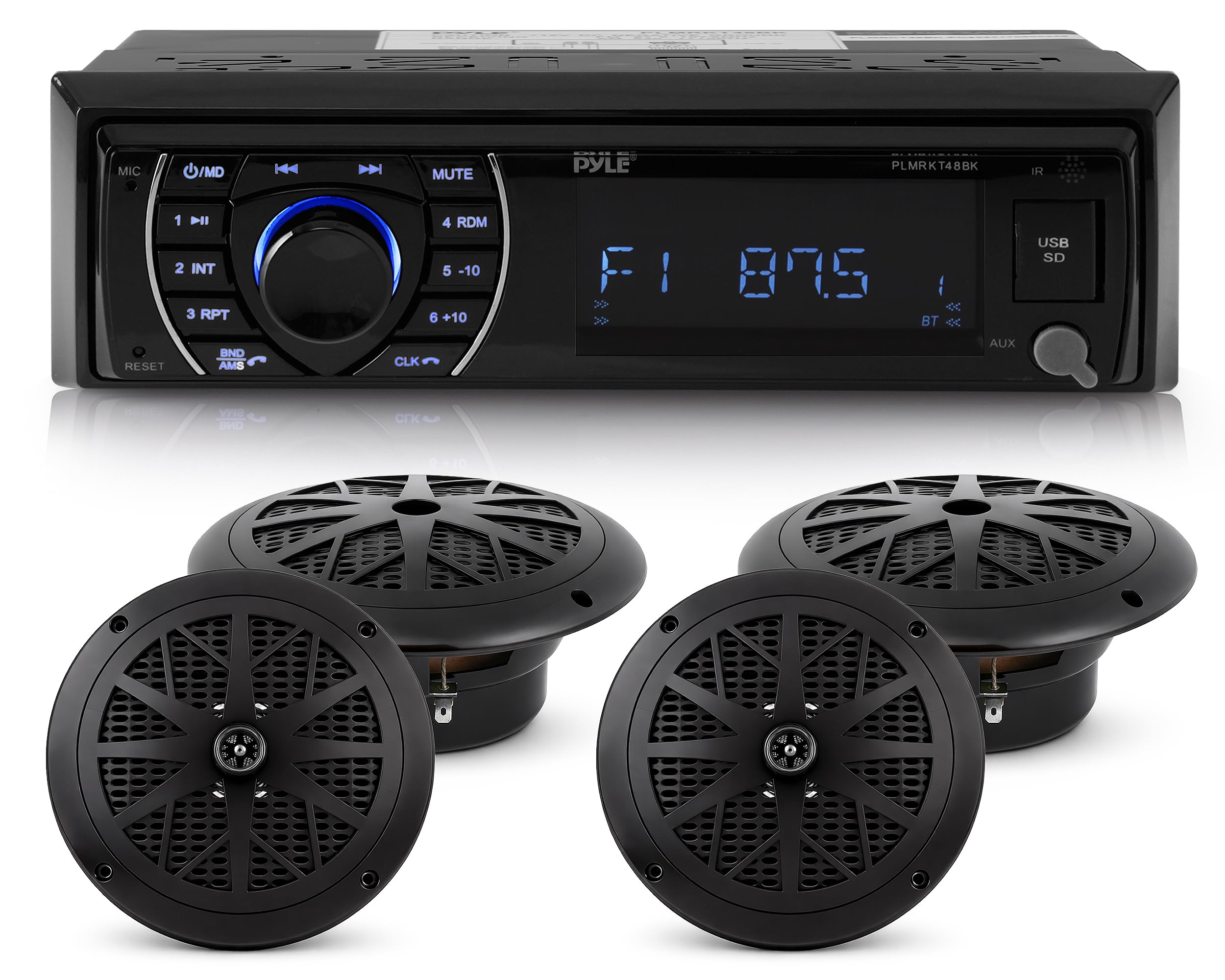
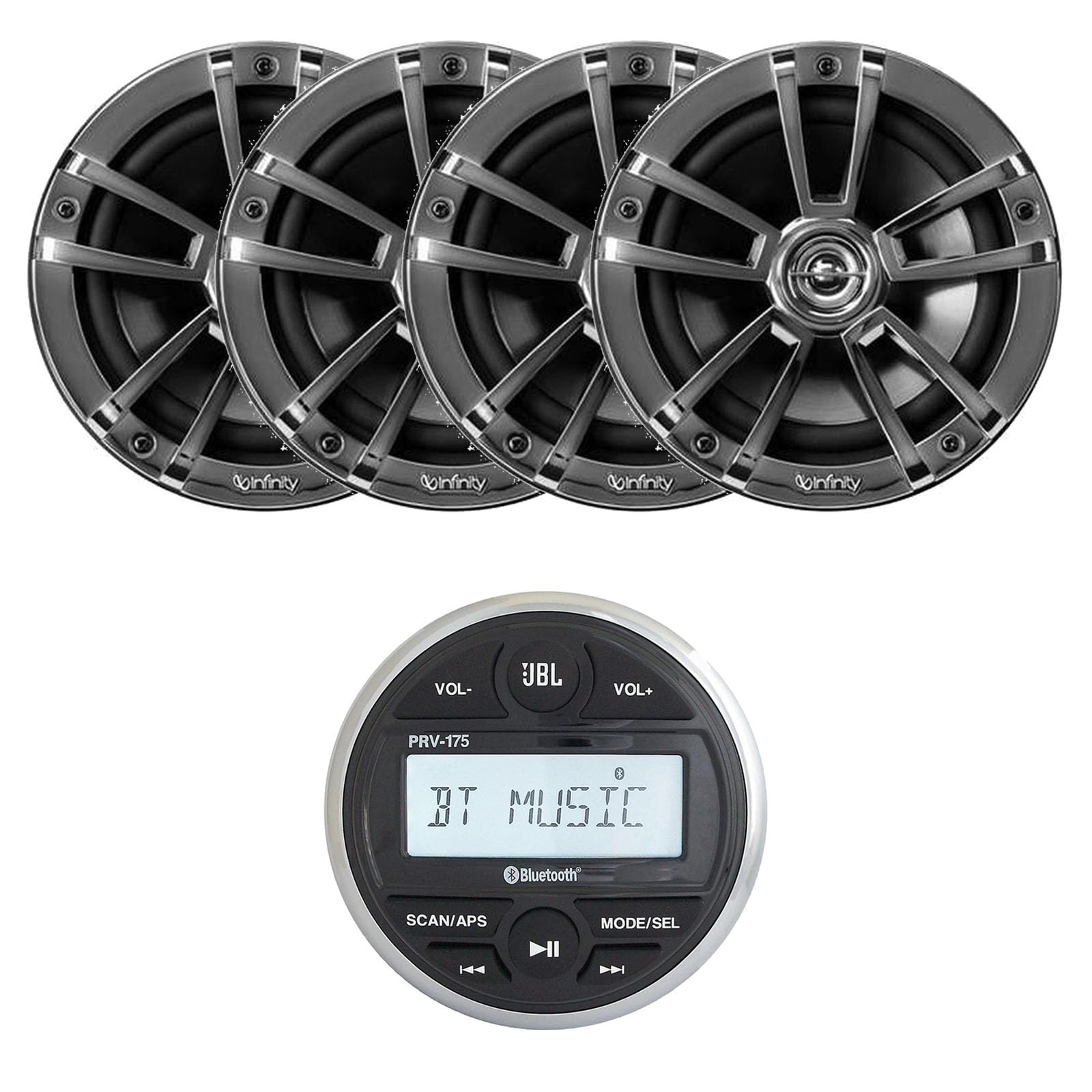
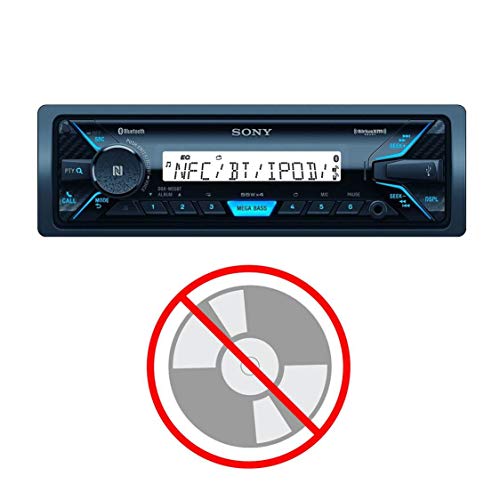
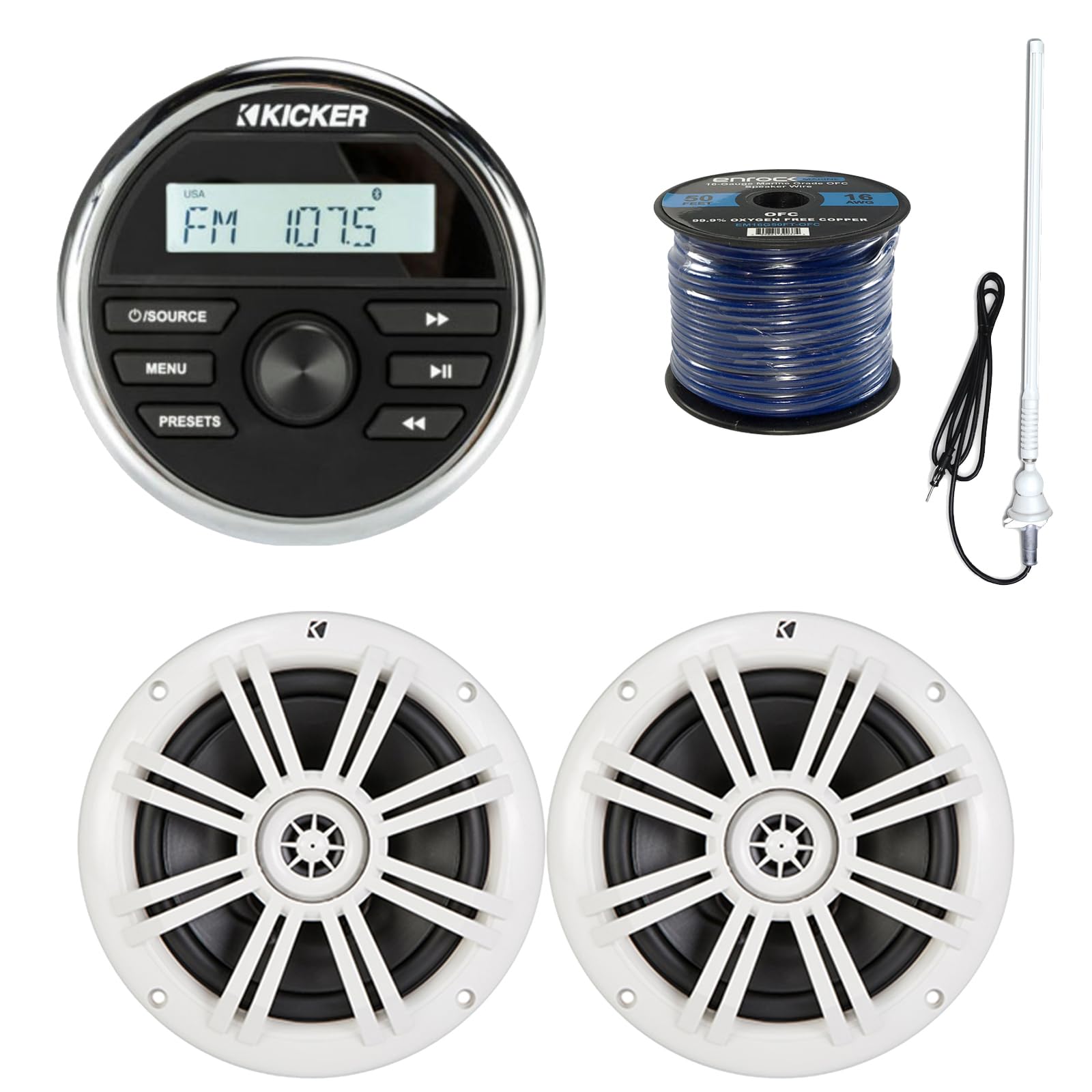
A boat audio setup has two halves. The radio, also called the head unit or receiver, is the control center: it pulls in AM and FM stations, connects to your phone by Bluetooth or USB, and sends powered audio signals out. The speakers turn those signals into sound, and on most boats they are round coaxial units, meaning a woofer for lows and mids with a small tweeter in the center for highs, all in one housing. One point confuses many newcomers: this entertainment radio is separate from your VHF radio, which is safety gear for calling for help and hearing weather alerts. A music system never replaces a working VHF, so budget for both if your boat lacks either.
Marine gear differs from car and home gear in its armor. Cases and cones are built to shrug off spray, humidity, and ultraviolet light, connectors resist corrosion, and circuit boards often carry protective coatings. Power comes from the boat 12 volt system rather than a wall outlet, so every choice also touches your battery. If you are comparing speaker only upgrades for a stereo you already own, our guide to the best boat speakers goes deeper on that half of the system.
Key Specs Explained in Plain English
Sound Quality and Tuning
Sound quality on a boat starts with honest power and the right speaker size. Look at RMS watts, the continuous power a radio or amplifier can deliver and a speaker can handle, and treat peak watt claims as marketing decoration. Most marine head units deliver about 15 to 25 watts RMS per channel, which is plenty for a pair of 6.5 inch speakers at anchor and modest at cruise. Frequency response tells you the range a speaker can reproduce, roughly 60 Hz to 20 kHz for a typical marine coaxial, and lower first numbers mean fuller bass. Outdoors, midrange clarity matters more than deep bass, because wind and water noise mask low notes first, so favor speakers known for clean, forward vocals you can tune with the equalizer.
Ecosystem and App Features
Modern marine radios offer more than a tuner. Bluetooth 5.0 or newer, including 5.3, gives a steadier phone connection and quicker pairing, and multipoint on some units lets two phones stay connected so the skipper and a guest can take turns. App control and wired remote options matter on boats, because the radio often lives in the cabin while you listen in the cockpit, and a helm remote saves wet trips below. Zone control, found on higher priced units, lets you run cockpit and cabin speakers at different volumes. Check that the features match your layout before paying for them, and confirm firmware updates are available, since a quick update often fixes pairing quirks.
Hearing Audio Over Engine and Wind Noise
Boats are loud, and speakers cannot cancel that noise the way headphones can, so plan around it instead. Output and placement do the heavy lifting: a speaker aimed at your ears from a few feet away beats a stronger one firing at your knees. At cruising speed, expect to raise volume a lot, which is why headroom in your power budget matters. Some radios offer a loudness or dynamic setting that lifts vocals at low volume, useful at anchor in a quiet cove. For personal listening while others fish or nap, a small portable speaker near your seat solves the problem without waking the whole boat, and our guide to the best bluetooth boat speakers covers that route.
Placement and Boat Size
Speaker placement decides sound more than brand does. Mount pairs at similar heights, angled toward where people actually sit, and keep them as far apart as the boat allows for a wider stereo image. The most common marine speaker size is 6.5 inches, with 8 inch models adding bass on larger boats, and cutting a hole is permanent, so measure the mounting depth behind the panel before you order. Keep speakers at least a couple of feet from the compass, because speaker magnets can pull a compass reading off, and check with the speaker held in place before you commit. Small boats often sound best with one well placed pair, while larger cockpits and cabins justify a second pair as a separate zone.
Power Use and Battery Life
Installed systems draw from your house or starting battery, so think in amp hours, not just watts. A head unit with two speakers at moderate volume might draw about 2 to 5 amps, which adds up over a long anchored afternoon, and a separate amplifier can multiply that draw quickly. Know your battery capacity and avoid running the starting battery down for the sake of one more song. Portable Bluetooth speakers flip the question to their own battery life, commonly about 10 to 20 hours per charge, with fast charging on newer models restoring hours of play from a short plug in. Match the format to your boating: long sandbar days favor a big battery or a modest installed draw.
Rookie Mistakes to Avoid
- Buying car speakers for a boat. Car speakers lack the moisture and sun protection marine speakers carry, and paper cones and plain terminals can fail within a season on open boats.
- Chasing peak watts. A radio boasting huge peak power with low RMS output will distort early, so compare RMS figures and speaker sensitivity instead.
- Cutting holes before checking depth. Wiring, hoses, and hull structure hide behind panels, so verify clearance and the compass distance before the saw comes out.
- Skipping the fuse and proper wire. Marine installs need the fuse the manual specifies and corrosion resistant tinned wire, not leftover household cable.
- Ignoring the IP rating. Speakers in open cockpits take direct spray, so a low water resistance rating is a short life sentence, whatever the sound.
Getting Started: Setup and First Use
Work in a calm order and the install stays stress free. First, disconnect the battery, then dry fit the radio and speakers to confirm every hole and wire run before you cut anything. Run tinned marine wire with some slack, seal mounting holes and speaker edges with marine sealant where the maker advises, and mount the fuse within easy reach. Reconnect, pair your phone, and set the equalizer flat before you judge the sound. Then tune on the water at your normal cruising speed, not just at the dock, because that is the noise floor you truly listen over. Keep the firmware updated through the maker app, and if wiring or drilling feels beyond you, a marine electrician is money well spent, since faults in a 12 volt system can drain batteries or worse. Rinse portable speakers with fresh water after salt days and store them out of the sun.
FAQs
How long does the battery last on a portable boat speaker?
Most portable marine rated speakers play about 10 to 20 hours per charge at moderate volume. Loud volume shortens that noticeably, because the amplifier works harder for every step up, and cold weather trims it further. An installed system instead draws on the boat battery, so its real limit is your battery reserve. A useful habit is to recharge portables after every trip and check the boat battery voltage before a long day at anchor with music playing.
What IP rating do boat speakers need for outdoor use?
For speakers exposed to spray, look for IPX5 at minimum and IP66 or IP67 for open boats and washdown duty. The first digit covers dust and the second covers water, and a rating with 6 or 7 in the water position handles strong jets or brief immersion. Our guide to the best waterproof speakers for boat use explains the scale in full. Remember that the radio face needs protection too, so choose a splash proof head unit or mount it under cover with a protective door.
Do I need a special Bluetooth codec for boat audio?
No special codec is required for enjoyable boat audio. Standard Bluetooth audio sounds fine over wind and engine noise, where small quality differences between codecs disappear. Support for AAC helps if you use an iPhone, and newer Bluetooth versions matter more for range and a stable connection than for sound quality itself. Spend your money on speaker placement and clean power first. If you also shop for land based systems, our guide to the best radio speakers shows how the same codec question plays out indoors.
Wired or wireless boat speakers: which sounds better?
Wired speakers still hold the edge for a permanent install, because they draw steady power from the system, never need charging, and avoid wireless dropouts entirely. Wireless portables win on flexibility: no holes, no wire runs, and you can move the sound to the beach or the dock. Sound quality at the same budget is close, and placement influences what you hear more than the connection does. Many owners end up with both, an installed pair for cruising and a portable for the sandbar.
Is a separate amplifier worth the extra cost for boat speakers?
It is worth it if you listen at speed or run larger speakers. An amplifier gives clean headroom, so vocals stay clear over engine noise without the harsh distortion a small head unit makes when pushed. For a small boat used mostly at anchor, head unit power alone usually satisfies, and the money serves you better in better speakers. If you add an amplifier, budget for the extra battery draw and proper gauge power wiring, and have it fused and ventilated as the manual requires.
Final Thoughts
For a first system, keep three priorities straight: marine rated parts with an honest IP rating, RMS power matched to your speakers, and placement aimed at real listeners. Start simple, tune on the water, and add zones or an amplifier only when experience tells you to. Compare your short list in the product table above, and you will choose the best boat radio and speakers setup for your boat with confidence.


