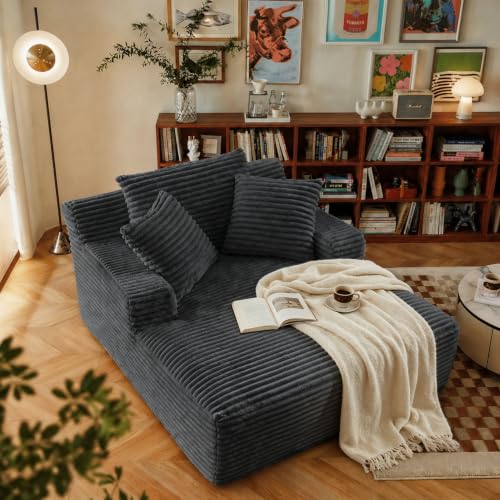
Best Bench Cushions for 2026: Matching the Right Cushion to Your Routine
Disclosure: We may earn a commission when you buy through links on this page, at no extra cost to you. As an Amazon Associate I earn from qualifying purchases. Learn more

Compare the best bench cushions by size, foam, fabric and ties so you can choose lasting comfort for dining, entryway, patio and window seats.
There is no single cushion that suits every bench, because a dining bench used for long meals asks for different support than an entryway bench where you sit for a minute to pull on shoes. The best bench cushions for your home are sized to your exact seat, firm enough for how long you sit, and covered in fabric that matches the room or the weather.
This guide works by use case first, so you start with how and where you sit, then compare foam, thickness, fabric and fastening options. Use the comparison table below to see how common cushion types line up.
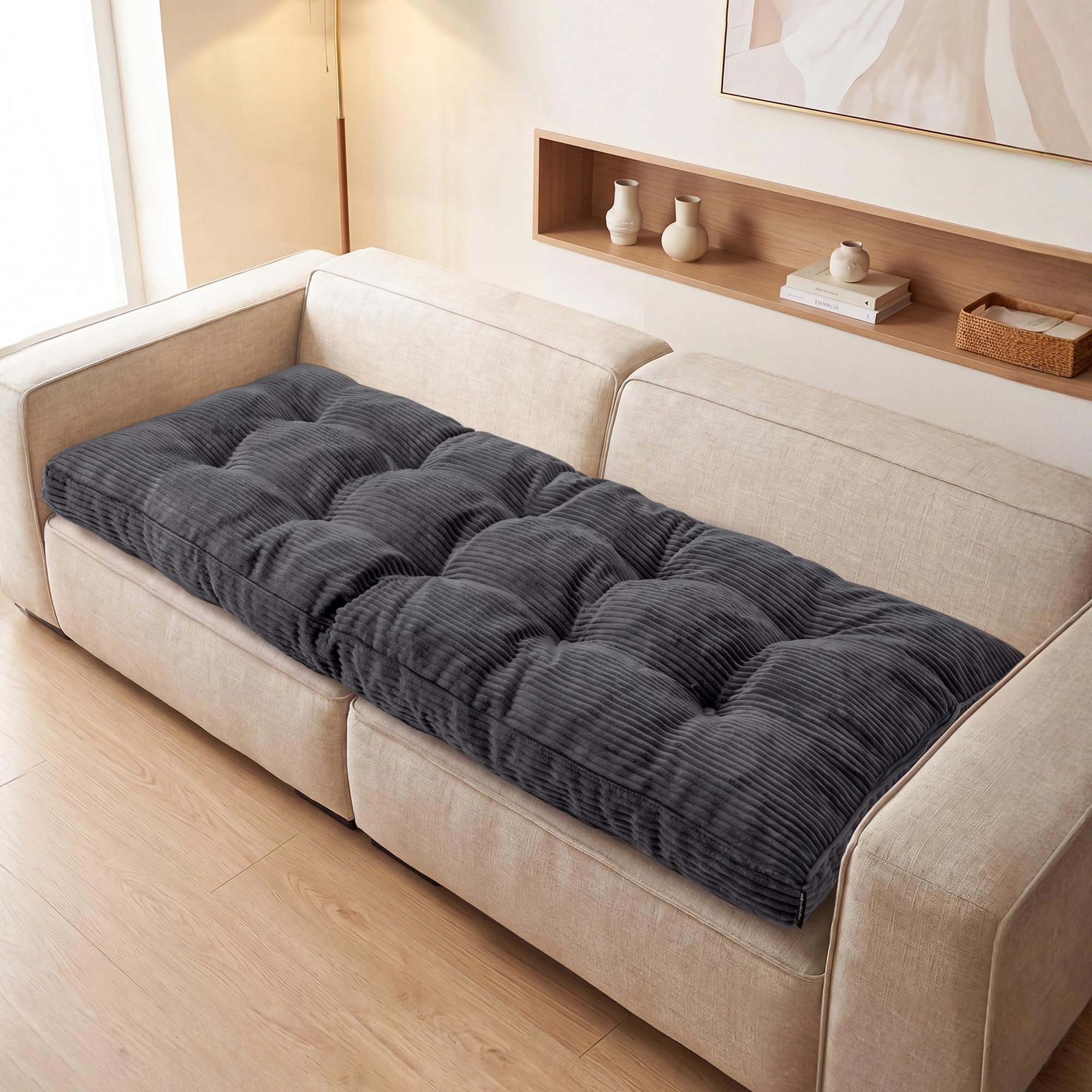

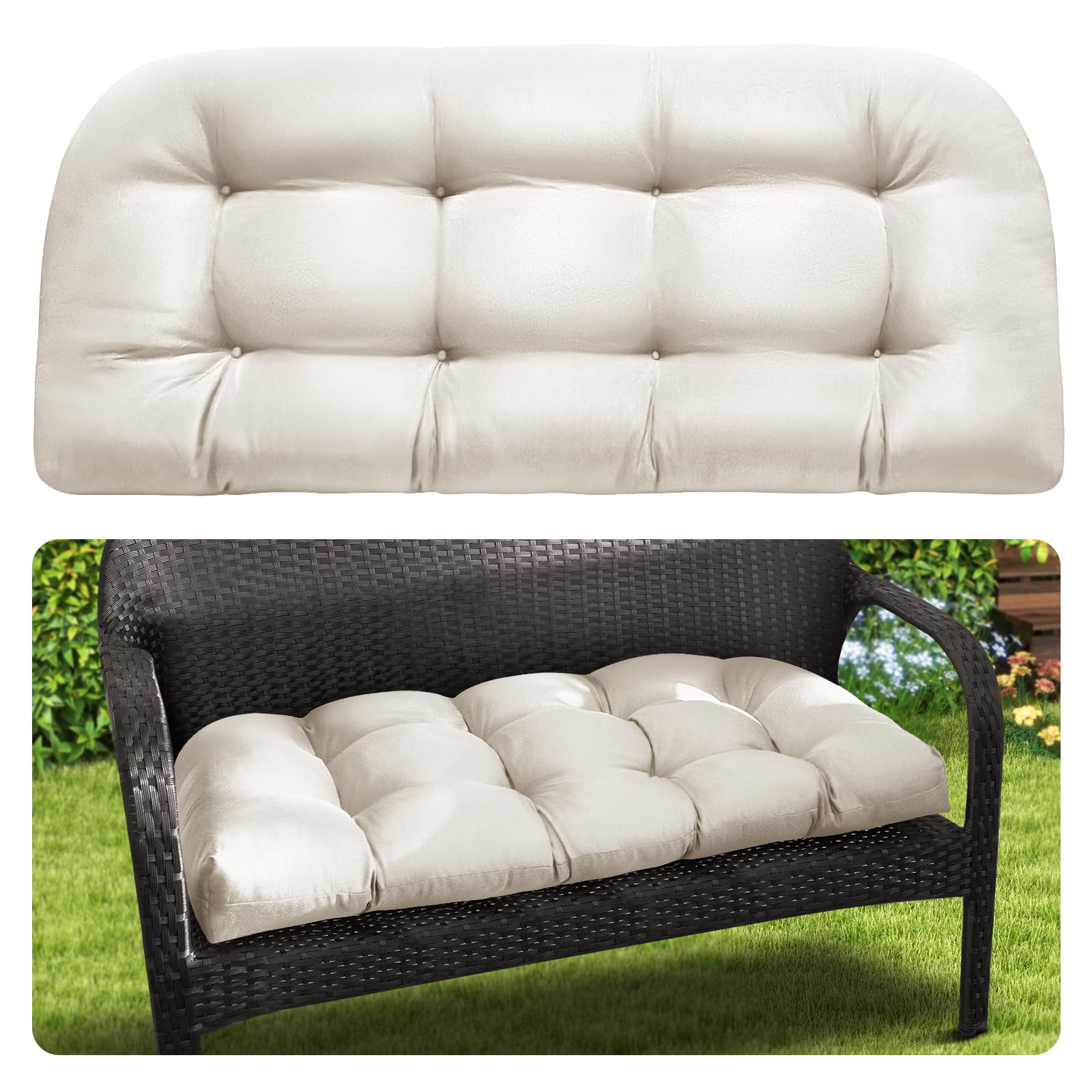
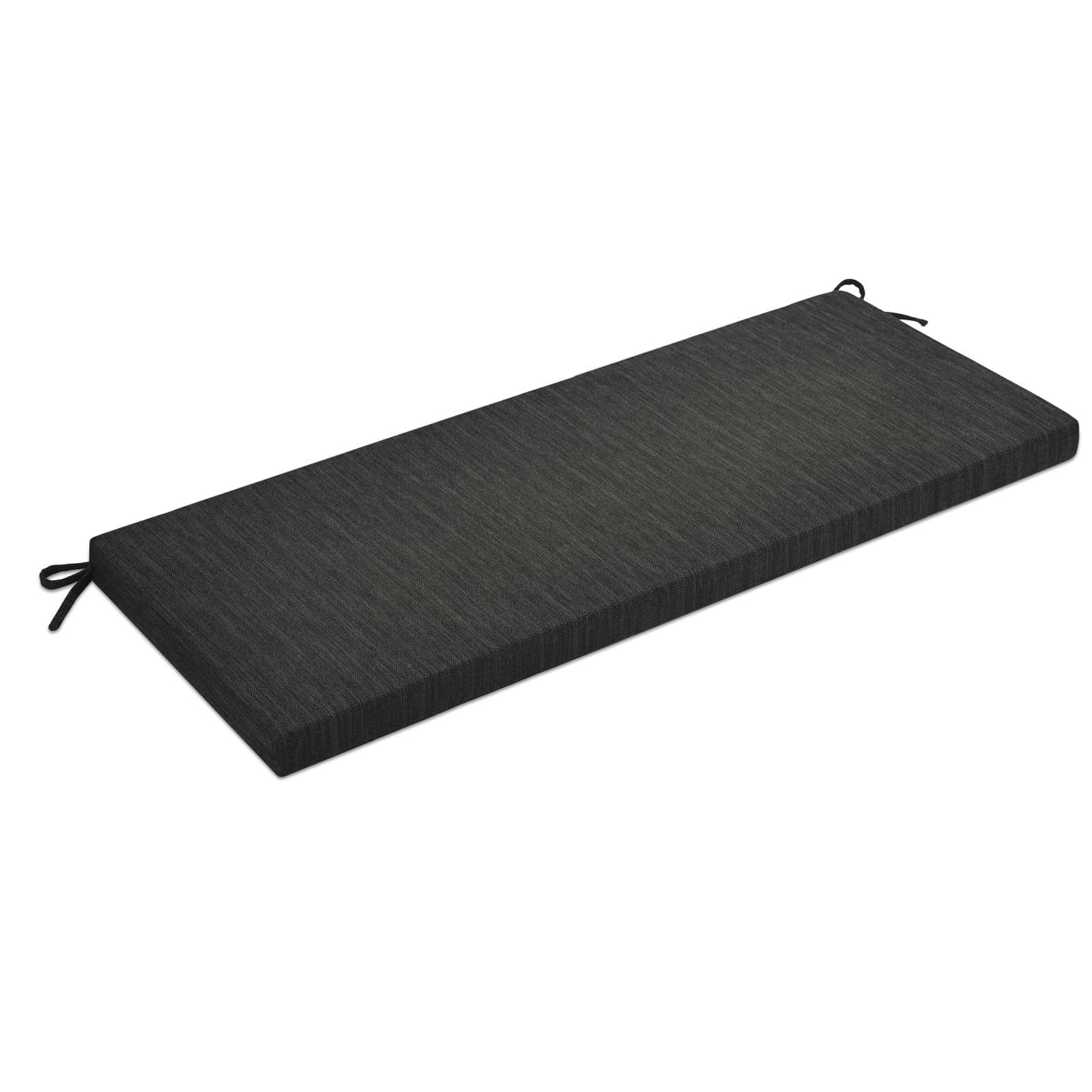


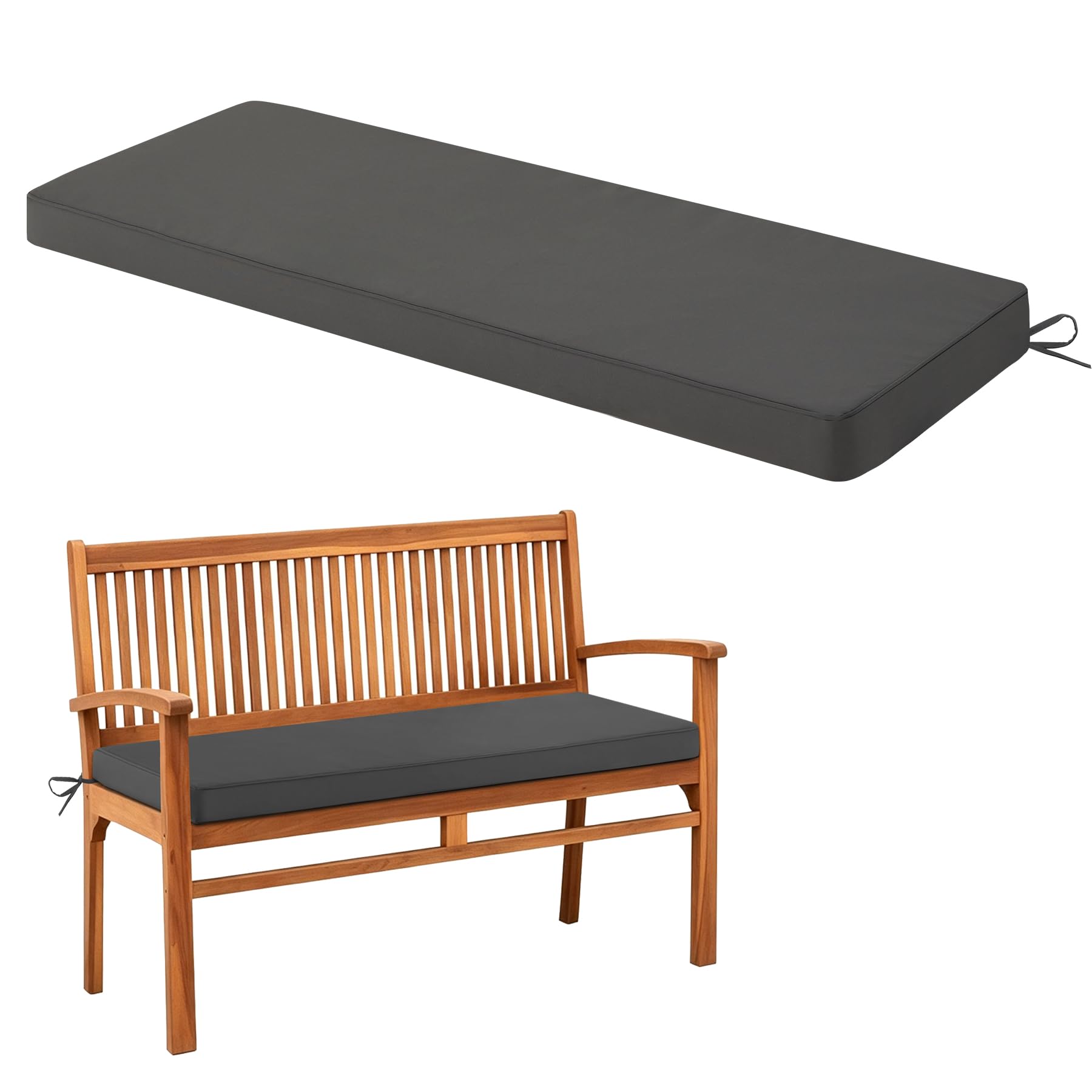

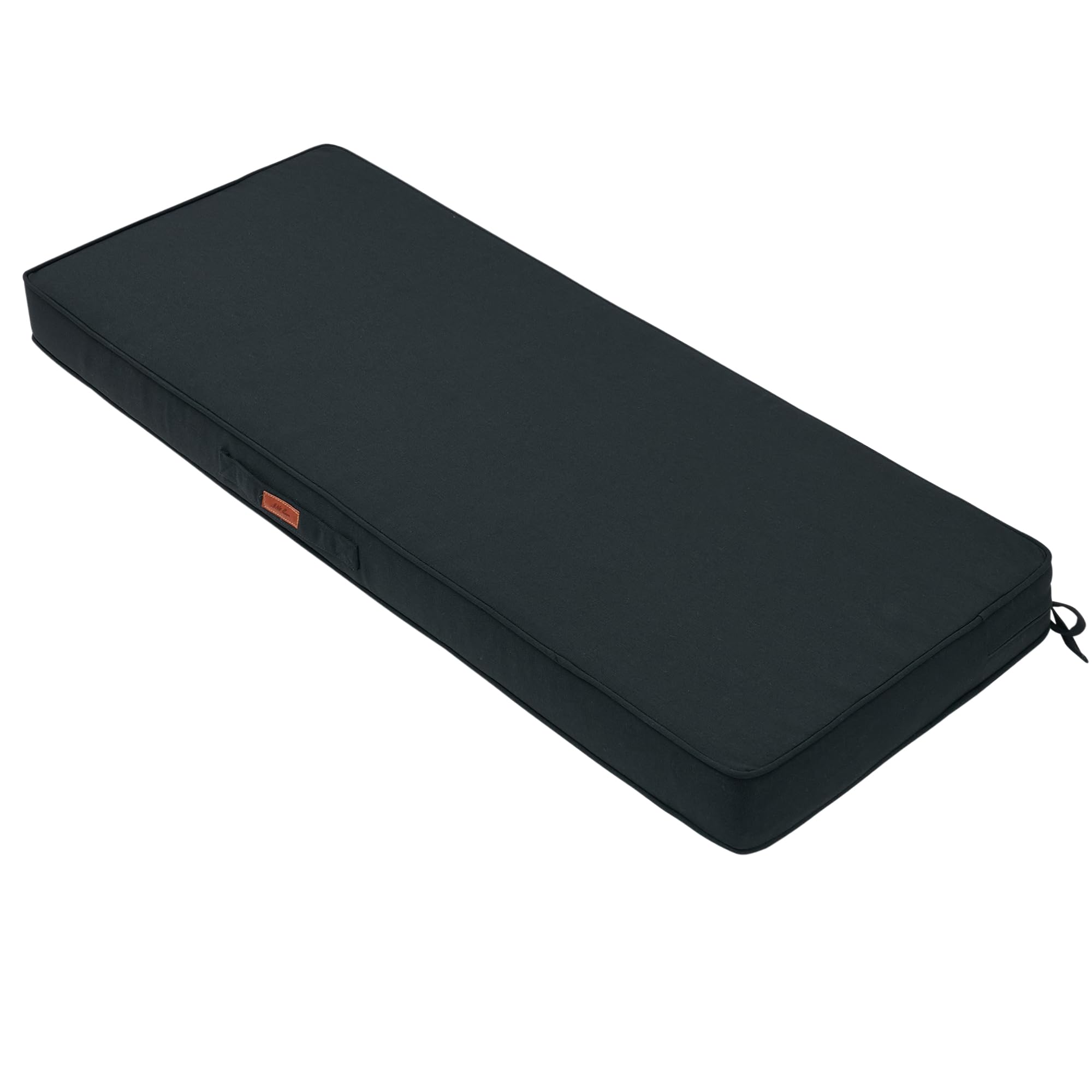

Who Should Buy Which Bench Cushions?
Your routine decides the right cushion more than any spec does. Find your group below, then carry its priorities into the feature sections.
First Time Buyers With a Dining or Entryway Bench
If this is your first cushion purchase, keep it simple. Choose a standard rectangular cushion in a common length, a medium firm foam core, and a removable cover you can wash at home. That combination feels comfortable for meals and short sits and forgives small measuring errors. Skip custom shapes and delicate fabrics for now.
Gift Shoppers Buying for Someone Else
A cushion makes a kind gift for a new home, but fit is personal, so make returns easy. Ask for the bench length and depth before you order, or choose a seller with a clear exchange policy. Neutral solid colors suit more rooms than bold patterns, and a zipper cover lets the owner wash it without help.
Long Sitters Who Want Firm Support
If you read, work or eat at your bench for an hour or more at a time, support matters more than softness. Look for a denser foam core that holds its shape under your weight, around three to four inches thick. A layer of memory foam on a firm base adds pressure relief at the hips while the base stops you feeling the hard seat.
Value Seekers Balancing Price and Durability
Good value comes from the parts that wear out slowest. A mid priced cushion with a sturdy woven cover, strong corner stitching and a foam core that springs back will outlast a cheaper one that goes flat in a season. Expect to pay around $30 to $80 for common sizes.
Bench Cushions for Specific Bench Settings
Where the bench lives changes what the cushion must survive. Indoor seats reward softness, while outdoor seats reward weather resistance.
Best Patio Bench Cushions: What to Prioritize
When you shop for best patio bench cushions, start with the cover. Solution dyed acrylic and olefin fabrics resist fading and shrug off light rain far better than indoor cotton, and the foam should dry fast after a shower. Corner ties keep the cushion from lifting in wind. For more open air options, see our guide to the best outdoor bench cushions.
Best Park Bench Cushions: Portable Comfort for Public Seating
The search for best park bench cushions is really about portability, because you carry this cushion to the seat rather than fitting it once at home. Choose a lighter pad around two inches thick with a carry handle or a strap that doubles as a fastener. A tough, water resistant base matters here, since park benches collect dew and grit.
Key Features to Compare
Compare these five factors in order. Size comes first, because the best bench cushions cannot feel right if they overhang the seat edge or leave gaps at the ends.
Size and Fit for Your Bench Seat
Measure the flat seating area from side to side for length, then from back edge to front edge for depth, and buy a size at or just under those numbers. A cushion that hangs over the front edge curls down and wears at the fold, while one that is too deep pushes you forward and strains your knees.
Foam Type, Firmness and Sitting Support
Most cores use polyurethane foam, sometimes topped with memory foam for a slower, closer feel. Firmness is how much the foam gives under your weight, and density is how long it keeps doing so, so a firm but low density core can still go flat early. Medium firm foam suits most dining benches. If material choices feel confusing, see our guide to the best material for bench cushions.
Cover Fabric for Indoor and Outdoor Bench Cushions
The cover is what you see, touch and clean, so match it to the room. Cotton and linen blends feel soft and breathe well indoors, and linen adds a relaxed texture that suits dining spaces. Outdoor fabrics trade some softness for fade resistance and quick drying. Labels such as CertiPUR US for foam and OEKO TEX for textiles signal that materials were checked for certain chemical limits. See our guide to the best fabric for bench cushions.
Cushion Thickness and Shape Options
Thickness usually runs from about two to four inches, and the right choice depends on seat height as much as comfort. A thick cushion raises you at a dining table, so check that your knees clear the table apron and your feet rest flat on the floor. Shape matters too, since bay benches may need angled ends and storage benches need a gap at the hinge so the lid opens.
Ties, Straps and Other Ways a Bench Cushion Stays Put
A cushion that slides every time you sit down quickly becomes one nobody uses. Fabric ties at the back corners work well on benches with slats or rails to loop around, while wide straps with hook and loop closures grip solid backed benches better. A rubberized grip layer helps on smooth indoor wood where ties have nothing to hold.
How to Measure a Bench for a Cushion
Accurate measuring takes five minutes and prevents most returns. Follow these steps before you order.
- Measure the seat length inside any arms or raised edges, not over them.
- Measure the depth from the backrest or wall side to the front edge of the seat.
- Note anything that interrupts the seat, such as a center support, curved corners or a lid hinge.
- Pick a thickness, then sit on a folded blanket of similar height to test table clearance.
- Compare your three numbers with the size chart, since brands label medium and large differently.
If your bench has angled ends or an unusual depth, standard sizes will leave gaps. In that case, see our guide to the best custom bench cushions and send the maker a paper template of the seat outline.
Common Mistakes to Avoid When Buying Bench Cushions
Most disappointing purchases come from a handful of avoidable errors.
- Guessing the size from a photo, which leaves overhang at the front or gaps at the ends.
- Choosing the softest foam for long meals, which flattens and puts your weight back on the hard seat.
- Using an indoor cotton cover on an open patio, which fades fast and holds rainwater long after the bench has dried.
- Forgetting to test seat height at the table, which can leave your knees pressed against the underside.
- Buying a cushion with no fastening for a slatted bench, which means it slips to the floor when someone stands up.
Care and Maintenance Tips for Bench Cushions
Simple habits keep a cushion thick and fresh for years. Brush dirt off outdoor cushions weekly and let them dry fully after rain before you sit, since trapped moisture invites mildew on the cover. Turn indoor cushions end for end every few weeks so your usual sitting spot wears evenly. Store outdoor cushions indoors during long wet spells, standing them on edge so water runs off.
Most removable covers wash on a gentle cycle in cold water and air dry without shrinking. Spot clean fixed covers with mild soap, then wipe with a damp cloth so residue does not attract new dirt. Check ties and seams each season so a small tear gets repaired early.
FAQ
How often should I replace a bench cushion?
Replace a bench cushion when it stays flattened after a night unweighted or when you can feel the seat boards through it within minutes. For many homes that point arrives after about three to five years of daily use, and sooner for cushions left outside all year. If the foam still springs back, a fresh cover can extend its life.
How do I wash bench cushions safely?
You wash most bench cushions safely by removing the cover and using a gentle cycle with cold water, then air drying it flat. Foam inserts should never go in the machine, because tumbling can tear the core, so wipe them with a damp cloth instead. Close the zipper before washing, since an open zipper snags other fabrics.
How thick should a bench cushion be for long sitting?
A bench cushion for long sitting should usually be about three to four inches thick, with a firm base. Thickness alone is not the goal, because very soft foam can compress to almost nothing under an adult. Press your full hand weight into the center, and choose one that keeps your palm off the surface beneath.
Can I leave a bench cushion outside all summer?
You can leave a bench cushion outside all summer if the cover and foam are made for outdoor use and the bench sits under shelter. Even then, cushions last longer when you stand them on edge after heavy rain so water drains from the seams. One stored in a deck box during wet weeks will outlast an identical one left flat.
What bench cushion shape works best for a window seat?
A window seat usually works best with a single cushion cut to the full outline of the seat, including angled bay corners. Separate square pads leave gaps that collect crumbs and shift when you stretch out with a book. If the seat doubles as storage, ask for hinged sections that match the lid sections.
Wrapping Up
Start with exact seat measurements, then pick foam firmness for how long you sit, a cover that suits the setting, and a fastening style your bench can hold. Those four checks matter more than color or price. When you are ready, revisit the product table above and compare your shortlist of best bench cushions against the group that matched your routine at the start of this guide.