
Best Boards for Raised Beds: Everything to Know Before Your First Purchase in 2026
Disclosure: We may earn a commission when you buy through links on this page, at no extra cost to you. As an Amazon Associate I earn from qualifying purchases. Learn more

Shopping for the best boards for raised beds for the first time? Learn the terms, compare options, and avoid rookie mistakes with this easy guide.
Your first raised bed looks simple from a distance: four boards, some soil, and a few plants. Then you stand in the lumber aisle and the questions start. How thick, how tall, which wood, and will it rot by next spring? Choosing the best boards for raised beds is mostly about matching a material to your climate, your budget, and how long you want the bed to last.
This guide walks you from the basics to a confident purchase, in plain language and in the order a first time buyer actually needs it. Check the product table below for a quick look at your options, then read on for the specs, the mistakes to skip, and a simple setup plan for your first weekend with the bed.
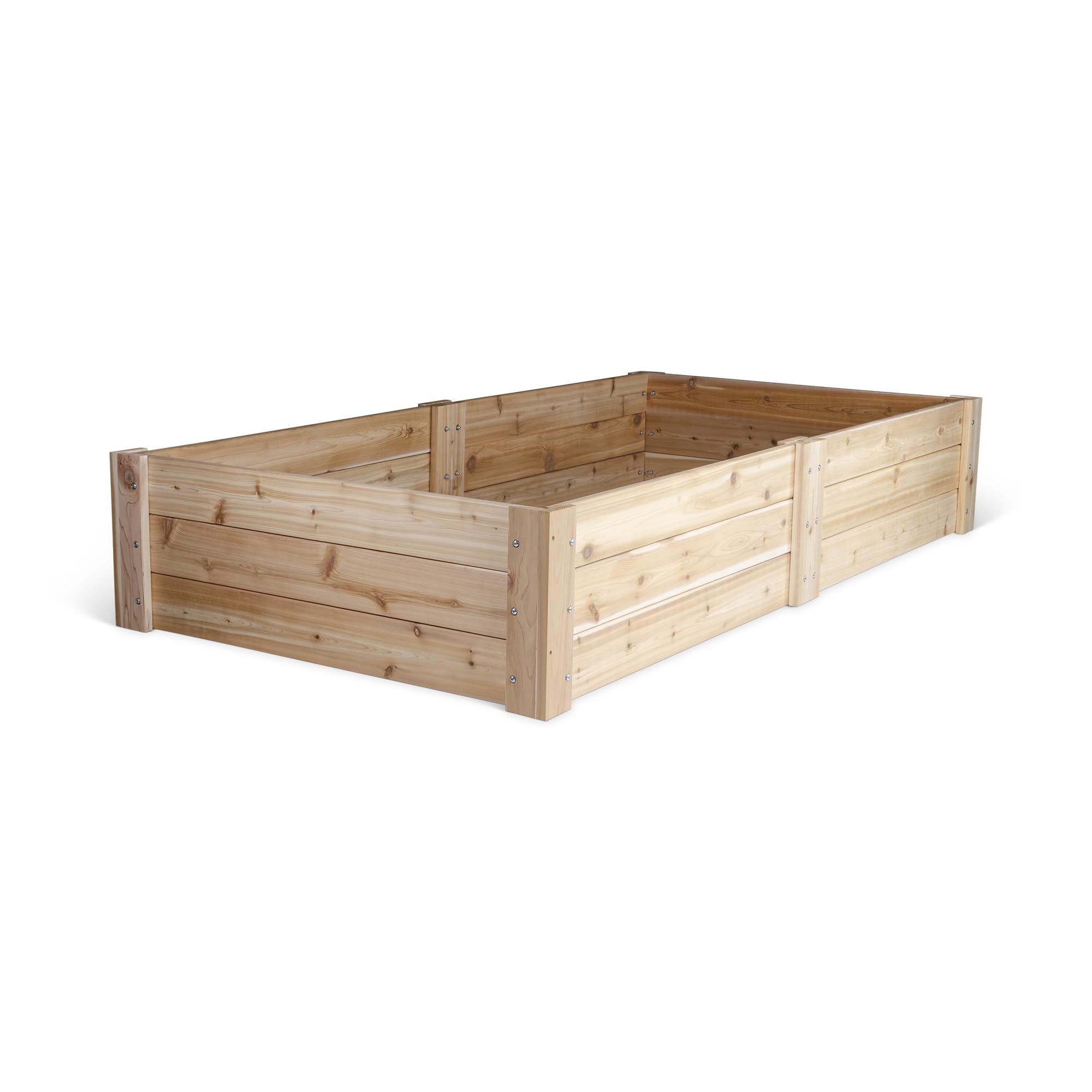
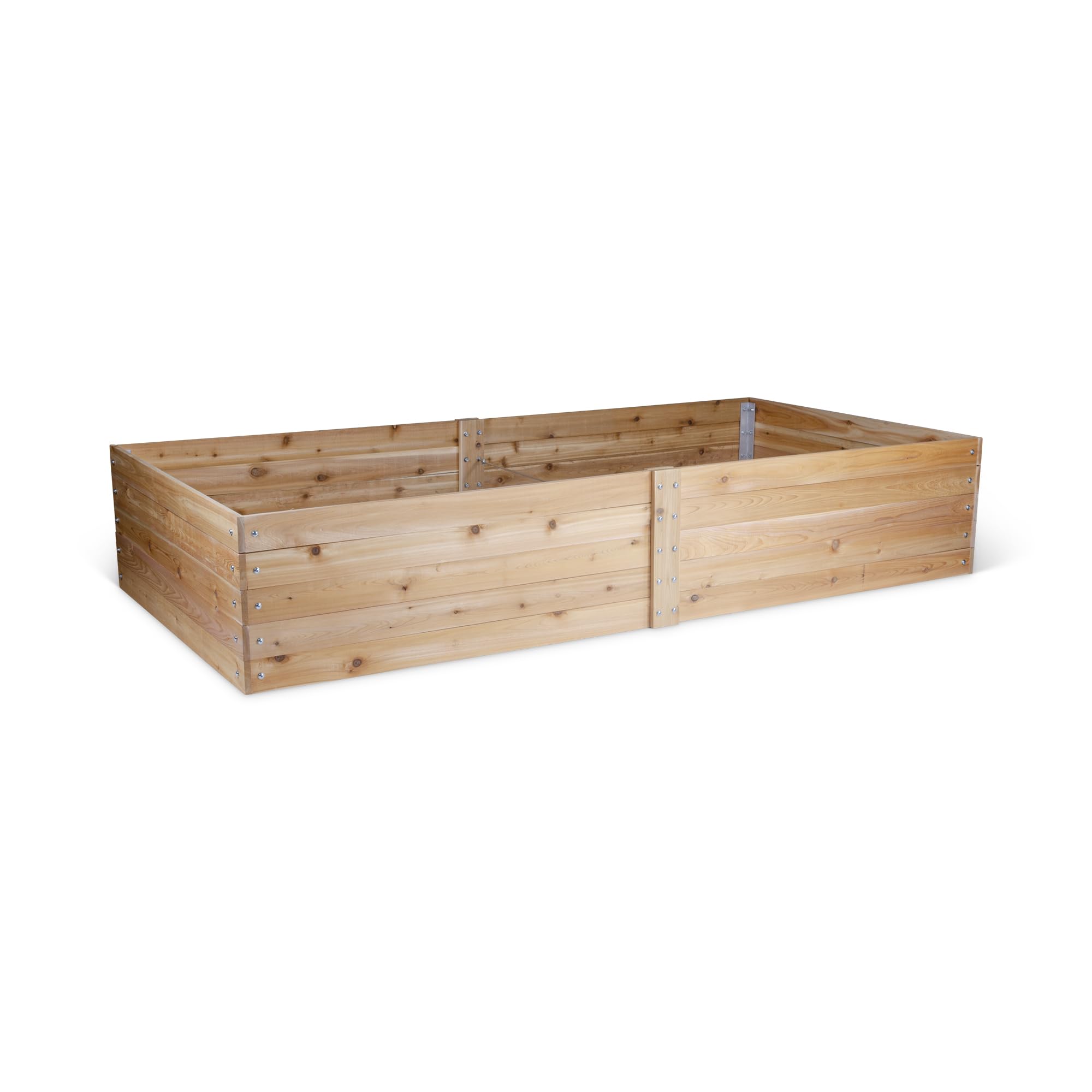


Boards 101: The Basics
A raised bed board is simply the side wall of a garden bed that sits above ground level. Four boards joined at the corners hold soil in a defined rectangle, usually about 4 feet wide so you can reach the center from either side without stepping into the bed. That raised soil warms faster in spring, drains more freely than ground that has been compacted for years, and keeps paths and planting space clearly separate.
Boards do three jobs at once. They resist the outward push of wet soil, they survive constant contact with moisture and microbes, and they give the bed its finished shape. A few terms will help you shop: nominal size is the name a store uses, such as a 2 by 6, while the actual size is a bit smaller after milling. Bed height is just how many boards you stack, and most home beds land between 8 and 24 inches of soil depth once filled. If you are comparing complete kits against loose lumber, our guide to the best boards for raised garden beds looks at the same choices from a garden wide angle.
Key Specs Explained in Plain English
Features That Matter for Raised Beds
Three features decide whether a board suits a raised bed: rot resistance, thickness, and height. Rot resistance is the big one, because the inside face of the board touches damp soil every day of the season. Naturally durable woods and quality composites handle that contact for years, while soft plain lumber can soften in as little as two or three seasons. Thickness matters because soil pushes outward, especially after watering, and a true 2 inch board resists bowing far better than a thin 1 inch board. Height matters because roots need room: about 8 to 12 inches suits most vegetables, and deeper beds suit root crops and gardeners who prefer less bending.
Match the Product to Your Garden Size and Layout
Start by measuring the space, not by falling for a board length. A standard 4 by 8 foot bed uses two 8 foot boards cut in half for the ends, or a kit built to that footprint, and it gives you 32 square feet of growing room. Long unbroken runs need support stakes or cross braces every 4 feet or so, because soil pressure bows long boards over time. Leave paths of at least 24 to 30 inches between beds so a wheelbarrow and your knees both fit. On a slope, plan to level the footprint first, since a board that sits crooked holds soil unevenly and drains to one corner.
Material and Build Quality
Cedar is the classic choice: it resists rot naturally, stays light enough to move, and weathers to gray if you leave it unfinished. Fir and pine cost less, often about half the price of cedar per board, but they rot sooner unless you accept a shorter bed life. Composite boards blend wood fiber and plastic, shrug off moisture, and can last a decade or more, though they cost more up front and can flex on long spans without braces. Check build quality in the store by sighting down the length of each board for twists and bows, and skip pieces with large loose knots near the ends, where screws need solid wood to bite.
Safety (Drinking Water Safe, Organic, Pet Safe)
Because raised beds often grow food, safety questions are fair ones. Untreated lumber and plain composite boards are the simplest safe route for vegetable beds, since there is nothing to leach in the first place. If you use treated lumber, choose modern residential rated stock and line the inside walls with landscape fabric as a barrier between wood and soil. Avoid old railroad ties and reclaimed wood of unknown history, which can carry creosote or old finishes into the soil. Gardeners who want certified organic inputs for the fill can look for OMRI listed soil products, and pet owners should skip cocoa based mulches on the surface, since cocoa can harm dogs if eaten.
Ease of Use and Storage
Your future self will thank you for thinking about handling now. Kits with corner brackets or stacking joints go together with a drill and a level in under an hour, while raw lumber means measuring, cutting, and squaring the corners yourself. Lighter boards are easier to position alone, and a bed built from single height boards can be raised later by adding a second course. If you plan to move or expand, choose a system you can still buy next year, and store spare boards flat and dry in the garage so they stay straight until you need them.
Rookie Mistakes to Avoid
- Buying boards that are too thin. Thin fence style boards bow outward under wet soil within a season, so step up to sturdy stock for any bed taller than one board.
- Skipping the level. A bed that looks almost level can still drain to one end, leaving one side swampy and the other dry, so check with a level before you fill it.
- Forgetting what goes under the bed. Lay cardboard or landscape fabric over grass inside the footprint so weeds do not grow up through your new soil.
- Underestimating the soil bill. A 4 by 8 foot bed at 12 inches deep needs about 32 cubic feet of fill, and that cost surprises more first time buyers than the boards do.
- Placing the bed in shade. Most vegetables want six or more hours of direct sun, and no board choice can fix a dark corner, so watch the light for a day before you build.
Getting Started: Setup and First Use
Assembly day is easier with a simple order of work. First, mark the footprint with stakes and string, clear the grass or level the soil, and lay your boards out on the ground to confirm the corners meet cleanly. Join the corners with deck screws or the kit brackets, check that diagonal measurements match so the bed is square, and set it in place. Line the bottom if you planned to, then fill in layers, watering each layer lightly so the fill settles without air pockets. A common mix is topsoil blended with compost, and our guide to the best dirt for raised beds explains ratios in more depth. Water the finished bed deeply the first morning, plant the next day, and water early in the morning from then on so leaves dry quickly.
Boards: Your Questions Answered
What features matter most in boards for raised beds?
Rot resistance matters most, followed by thickness and height. A board touches damp soil daily, so durable cedar or composite outlasts plain soft lumber by years. Choose stock around 2 inches thick so the wall resists bowing, and pick a height that matches your crops, usually 8 to 12 inches for common vegetables. Straight, knot light boards also make assembly far easier, so inspect each piece before you pay.
How much do I need for my garden?
Work from your bed footprint. One 4 by 8 foot bed at one board high needs two 8 foot boards and two 4 foot boards, or the lumber to cut them. Doubling the height doubles the board count. In money terms, a single bed in plain lumber might run about $40 to $90 for boards alone, while cedar or composite can run about $100 to $250. Always price the soil fill too, since it often costs as much as the frame.
What is the difference between garden soil and potting mix?
Garden soil is a mineral based blend meant for beds, while potting mix is a light, soil free blend made for containers. Potting mix drains fast and dries out quickly, which suits pots but leaves a full raised bed thirsty and expensive to fill. For raised beds, use a raised bed or garden soil blend with compost for structure and fertility. Save potting mix for planters and for starting seeds indoors, where its fine texture and drainage are an advantage.
How long should raised bed boards last?
Longevity depends on the material. Untreated pine or fir often lasts about 3 to 5 years before the soil line softens, cedar commonly lasts about 7 to 10 years, and composite boards can pass 10 years with little change. You can stretch any lifespan by keeping the outside face clear of piled mulch, improving drainage under the bed, and replacing a single failing board promptly before the corner joints loosen. Plan the replacement into your budget from day one and it never feels like a surprise.
Is organic worth it?
For the boards themselves, organic is not really a category, but for the soil and amendments you add, it can be worth it. Organic compost feeds soil life gradually and avoids synthetic residues in a food bed, and the cost difference per bed is usually modest. Spend first on enough good fill and on boards that will last, then upgrade to certified organic soil products if the budget allows. Healthy soil grows good vegetables even while you improve it season by season.
Wrapping Up
For a first purchase, keep three ideas in front of you: pick a rot resistant material you can afford, choose boards thick enough to stay straight, and size the bed to a space with real sun. Everything else, from corner hardware to finishes, is refinement. Browse the product table to compare your short list, sketch your layout with our guide to the best plants for raised beds in mind, and you will end up with the best boards for raised beds for your garden and your budget.


