
Best Boots for Mowing Grass for 2026: Matching the Right Model to Your Routine
Disclosure: We may earn a commission when you buy through links on this page, at no extra cost to you. As an Amazon Associate I earn from qualifying purchases. Learn more

Not all boots fit every routine. See which best boots for mowing grass match how you actually use them, what features to prioritize, and what to skip.
There is no single boot that suits every lawn, every mower, and every weekend routine. A small flat yard that you finish in twenty minutes asks far less of your footwear than a sloped acre you walk behind a mower for two hours. Choosing the best boots for mowing grass starts with your routine, because grip, protection, and comfort matter in different proportions for each kind of mowing.
Start by picturing your ground, your weather, and how long you stay on your feet, then match the boot to that picture. The notes below walk through user types, fit, traction, and care, and the comparison table below gathers the options in one place.
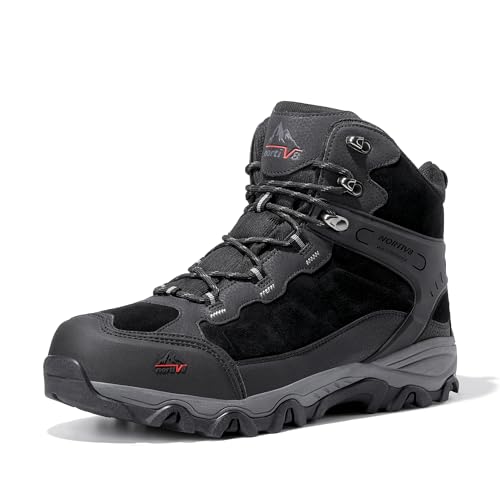
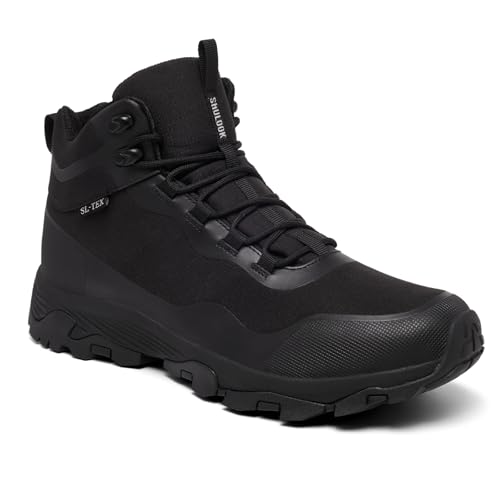


Who Should Buy Which Boots for Mowing Grass?
Your mowing pattern should decide the boot before price or looks enter the picture. Each group below points to a different balance of weight, protection, and water resistance.
For Frequent Mowing on Large Lawns
You walk long distances on ground that changes from flat to sloped within one pass, so durability and steady support come first. Look for a firm outsole that still flexes at the forefoot, a secure heel, and an upper that resists scuffs from stones and sticks. Check the warranty terms before you buy, because heavy weekly use tests stitching and sole bonding sooner. If you are also comparing machines, see our guide to the best grass mowers.
For Weekend Mowing on Small Lawns
You need a boot that goes on quickly, feels fine straight away, and handles a flat, mostly dry lawn without fuss. A lighter build at around $60 to $100 usually gives you enough grip and cushioning for short sessions, and you can skip the tallest shafts and heaviest toe caps. Choose an easy care upper that brushes clean after edging, and if you tidy the borders yourself, see our guide to the best grass trimmers.
For Wet Grass and Tough Conditions
You mow through morning dew, soft soil, and clippings that stick to everything, so water resistance and traction lead your list. A taller shaft keeps seeds and cut grass out, while sealed seams slow water entry at the stitch lines. Deep lugs help on damp slopes, but walk the steepest part slowly on your first outing, because even good lugs lose grip on loose wet clippings.
Key Features to Compare
These factors decide how a boot performs once the mower starts. Read each one against your own lawn, because the right answer shifts with slope, moisture, and session length.
Fit, Sizing, and the Toe Box for Mowing Boots
Measure your feet in the afternoon, when they are at their largest, and try boots on with the socks you actually mow in. Your longest toe needs roughly a thumb width of room in the toe box, because feet slide forward on slopes and swell during long sessions. The heel should stay seated when you walk. If you sit between sizes, choose the larger size and adjust with sock thickness, because cramped toes bruise on downhill passes.
Traction and Toe Protection That Matter for Mowing Grass
The outsole does the safety work on wet grass, so look for deep, widely spaced lugs that bite into soil and shed clippings instead of packing flat. A soft toe suits light yards, a composite toe guards against dropped tools with less weight, and a steel toe gives the strongest guard around heavy equipment. No boot makes blade contact safe, so keep feet well clear of the deck, and remember that any blade contact, deep cut, or crush injury needs urgent medical care rather than home treatment.
Water Resistance and Breathability for Wet Lawns
A waterproof membrane such as Gore Tex blocks dew and shallow puddles while letting some vapor escape, which suits cool mornings and wet clippings. Ventilated uppers feel cooler on hot, dry afternoons, but they soak through fast when the grass is wet and then stay heavy for the rest of the session. Sealed seams and a gusseted tongue matter as much as the membrane, because water usually enters at joins and at the top of the boot. Match the choice to the hour you mow, not just the season.
Arch Support and Foot Type for Long Mowing Sessions
Flat feet often roll inward as they tire, a pattern called overpronation, so a stable heel and firmer arch support help keep each step aligned on uneven ground. High arches take more pressure at the heel and forefoot, so those feet usually prefer more cushioning and a removable insole. The heel to toe drop shapes the load on your calves, and a moderate drop feels natural for most walkers. Persistent heel pain, numbness, or swelling needs a clinician, so talk with your clinician about personal needs.
Break In Period and Comfort Out of the Box for Mowing Boots
Stiff leather boots soften over several short wears, while many synthetic boots feel close to final comfort on day one. Wear a new pair for short garden tasks first, lace them firmly but not tightly, and check for hot spots at the heel and across the toes after each outing. A boot that pinches in the house will not improve once you add heat, slopes, and an hour of walking. Keep the receipt window in mind and decide before your first full mow, not after it.
Choosing a Boot Style for Push Mowers and Riding Mowers
Walking and riding place different demands on the same feet. Behind a push mower you cover real distance, so lower weight, a flexible forefoot, and mid height ankle support serve you best. Stability matters most when you turn at the end of each row, because that is where wet grass and a sideways step combine.
On a riding mower you walk far less, but you still climb on and off, handle fuel and tools, and cross the yard on foot. A taller, sturdier boot with a firm sole suits that pattern and shields your shins from sticks. That routine first view is the simplest way to narrow the best boots for mowing grass to a short list, and readers may also see our guide to the best mowing boots and our guide to the best boots for cutting grass.
Common Mistakes to Avoid When Buying Boots for Mowing Grass
- Choosing a smooth soled fashion boot for the lawn, which slips on the first damp slope you cross.
- Trying boots on in the morning with thin socks, which leaves toes jammed against the front by afternoon.
- Buying the tallest and heaviest boot for a tiny flat yard, which adds heat and fatigue you never needed.
- Ignoring toe protection around decks and dropped tools, which raises the cost of one careless moment.
- Skipping the warranty and return terms, which leaves you stuck when stitching fails in the first season.
Care and Maintenance for Boots Used to Mow Grass
Knock dried clippings off the upper and brush the outsole after each mow, because packed grass holds moisture against seams and stitching. Rinse heavy mud with plain water, then air dry the boots away from direct heat, since radiators and strong sun can crack leather and weaken sole glue. Store them upright in a dry place once fully dry.
Condition leather uppers when they look pale and stiff, following the maker directions. Inspect the lugs, laces, and heel seams every few weeks, and rotate two pairs if you mow several times a week, because a rest day lets the lining dry fully. Retire a pair from mower duty when the tread at the ball of the foot looks smooth.
Boots for Mowing Grass: Your Questions Answered
What features matter most in boots for mowing grass on sloped lawns?
Grip and ankle stability matter most on sloped lawns. Beyond lug depth, check that the heel lugs point backward, because heel braking is what stops a slide when you step downhill behind the mower. A boot that lets your ankle roll on a flat test walk will feel worse on a bank, so test turns and side steps indoors first.
Are expensive boots for mowing grass worth the cost?
Expensive boots are worth the cost only when you mow often enough to use what the money buys. Higher prices, often about $120 to $200, usually pay for tougher leather, stronger sole bonding, and in some cases a resoleable build. If you mow a small lawn twice a month, that durability may never repay you, while a weekly large lawn makes the stronger build cheaper over several seasons.
How long is the break in period for boots for mowing grass?
The break in period for most mowing boots runs from a few short wears to about two weeks of regular use. Build up with fifteen to thirty minute garden tasks, then one short mow, rather than starting with your longest session. Stop and change footwear if a hot spot becomes a blister, because pushing through early damage can sideline you for the next mow.
How often should you replace boots for mowing grass?
Replace boots for mowing grass when wear signs appear, not when a calendar date arrives. A compressed midsole that leaves your feet sore after a routine mow, cracks across the flex point of the upper, and frayed laces that will not hold tension are clear signals. Keeping a worn pair trades a modest saving against grip that has already faded.
Do you need waterproof boots for mowing grass in a dry climate?
You do not need waterproof boots for mowing grass if you always mow dry grass in the afternoon. Dew is the exception, because even dry regions leave lawns wet early in the day, and one wet session in ventilated boots means damp socks for hours. If your schedule shifts between morning and afternoon, a water resistant upper is the flexible middle choice.
Wrapping Up
Match the boot to your routine first, then check fit at the toe box, traction on wet ground, and the level of protection your equipment calls for. Frequent mowers should weigh durability and support, weekend mowers should weigh comfort and value, and wet lawn mowers should weigh water resistance. Use the product table above to compare the best boots for mowing grass against those three checks, and your short list should settle quickly.


