Best Base for Raised Garden Beds: Matching the Right Model to Your Routine for 2026
Disclosure: We may earn a commission when you buy through links on this page, at no extra cost to you. As an Amazon Associate I earn from qualifying purchases. Learn more

Not all bases fit every routine. See which best base for raised garden beds match how you actually use them, what features to prioritize, and what to skip.
There is no single base that suits every raised bed, because gardens differ in soil, slope, drainage, and how long you plan to stay in one spot. A base that works beautifully on a flat lawn can fail on a soggy slope or a concrete patio. This guide starts with how you actually garden, then matches base types to real routines. By the end, you will know which best base for raised garden beds setup fits your yard, and you can compare options in the comparison table below before you buy a single bag of gravel.


Who Should Buy Which Bases?
Start with your situation, not with a product. The best base for raised garden beds in a permanent backyard garden is rarely the right answer for a renter on a patio, and the four profiles below cover most home gardeners.
For People Who Want the Best Performance
If you are building beds you expect to use for a decade, invest in a leveled gravel pad with a sturdy frame footing. Gravel drains freely, resists shifting, and gives you a flat, stable surface that keeps bed corners square and boards off wet soil. The premium cost buys you fewer repairs, straighter beds, and soil that drains predictably after heavy rain.
Performance gardeners should also plan the layout carefully, since our guide to the best dimensions for raised garden beds helps you size beds you can reach across without stepping on the base. Pay once for prep, and every later season gets easier.
For Gift Shoppers
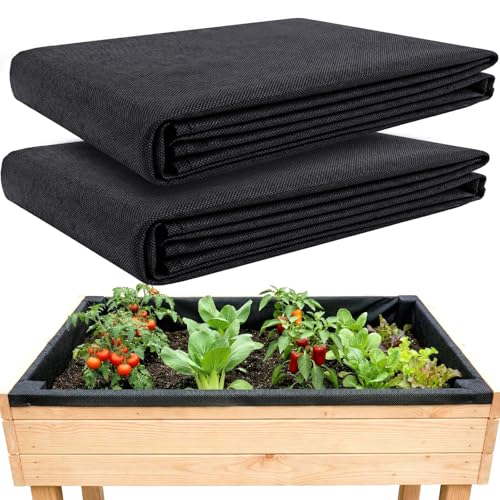
Buying for another gardener calls for a simple, forgiving setup. A bed kit placed on landscape fabric over leveled soil is easy to assemble, looks tidy from day one, and rarely needs special tools. Appearance matters for a gift, so favor neat edges and a clean finished look; our guide to the best looking raised garden beds shows which styles present well.
Include a note offering an afternoon of help with setup, because the leveling work is the part most people postpone. A modest kit with a solid base beats an ambitious project that never leaves the box.
For First Time Buyers
First time gardeners should choose the simplest base that their site allows: bare, leveled soil with weeds and sod removed. It costs almost nothing, drains naturally, and lets roots grow down into the ground as plants mature. You can always add gravel or fabric later once you know the layout works.
Keep the first bed small, close to a water source, and in full sun. Success with one easy bed teaches you more than a complicated build, and it keeps early mistakes cheap. Simple and reliable beats impressive and unfinished every time.
For Value Seekers
Value seekers balance cost against lifespan. A thin gravel layer or a recycled paver footing under each corner often delivers most of the benefit of a full pad at a fraction of the price. Spend your savings on what touches the plants instead, since soil quality drives harvests more than base materials do; our guide to the best dirt for raised garden beds explains where that money goes furthest.
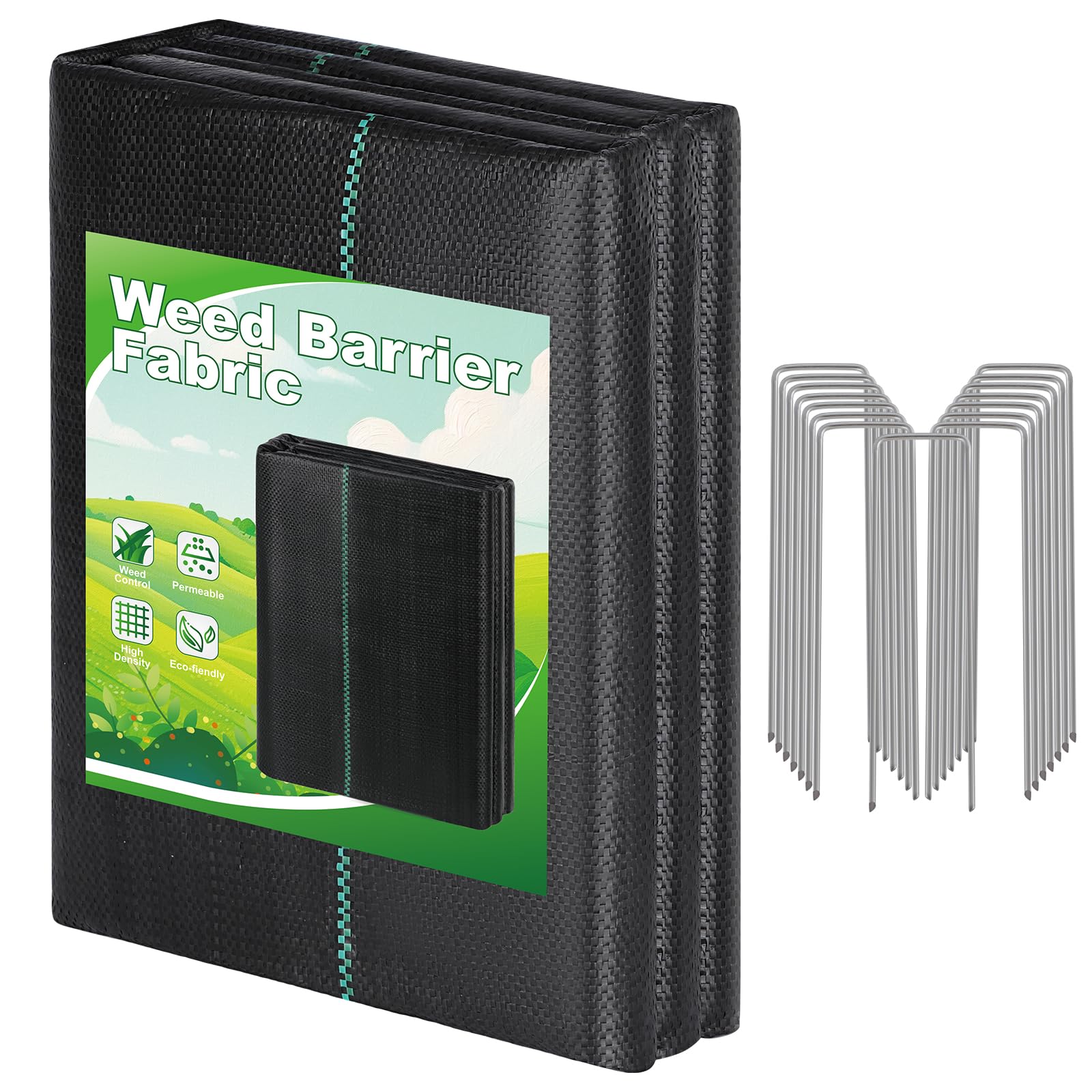
Avoid the cheapest landscape fabrics, which tear within a season or two. A mid priced woven fabric or a modest gravel layer usually gives the best cost per year of service.
Key Features to Compare
Intended Use and Who It's For
Define the job before you compare materials. A base under a vegetable bed mainly needs drainage and weed control. A base on a patio must protect the surface below and catch soil runoff. A base on a slope must resist sliding and erosion after storms.
Renters need something removable, while permanent gardens can justify excavation and gravel. Write down your site type, your time horizon, and whether the bed will ever move. Those three answers eliminate most options quickly and keep you from buying a heavy duty solution for a two season experiment.
Price vs Value
Base costs fall into three broad tiers. A soil only base costs almost nothing beyond your labor. A landscape fabric base usually runs under $50 per bed once you add pins and edging.
A gravel pad or paver base often lands around $50 to $150 per bed depending on depth and local material prices, and a full hardscape footing can pass $250. Judge value by years of service, not the receipt. A $100 gravel pad that serves ten seasons costs less per year than fabric you replace three times, and it saves repeated leveling work too.
Warranty and Customer Support
Warranties matter most when your base includes a kit, a frame, or manufactured edging. Look for coverage of at least a few years on frames and hardware, and check whether the maker sells replacement boards and connectors. For natural materials like gravel and stone, quality comes from the supplier instead of a warranty, so inspect loads before delivery when you can.
Keep receipts and photos of the installed base. If a frame settles or a corner fails early, clear documentation of a level, properly prepared base makes any support conversation far simpler.
Key Performance Specs
Four numbers decide how a base performs. First, level: aim for a surface within about half an inch across the bed length, checked with a long level or a straight board. Second, drainage: water should pass through within minutes, not pool under the frame.
Third, depth: a gravel layer of about 2 to 4 inches gives stability without waste. Fourth, soil contact: beds for deep rooted crops do best with open soil below, which is one reason frame material matters too, as our guide to the best wood for raised garden beds explains. Measure before you order materials, not after.
Features That Matter for Raised Garden Beds
Raised beds place unusual demands on a base. The frame holds a heavy load of wet soil that pushes outward, so the base must resist spreading as much as sinking. Weed pressure comes from below, which is why a barrier or a well prepared soil surface matters more here than in a normal flower border.
Drainage must protect both the frame and the roots, since standing water rots wood and suffocates plants. Think ahead to what you will grow, because deep rooted crops need open ground below while shallow salads tolerate fabric; our guide to the best plants for raised garden beds helps you match crops to bed depth and base type.
Common Mistakes to Avoid When Buying Bases
- Looking only at price. The cheapest base often costs the most in repairs, releveling, and replaced frames within a few seasons.
- Ignoring your actual site. A base chosen for a flat lawn can slide or pool water on a slope or a shaded, soggy corner.
- Building too big or too small. Oversized beds waste base material and strain your reach, while undersized ones crowd roots and dry out fast.
- Skipping the level check. A bed that looks level by eye often is not. Five minutes with a level prevents years of uneven watering.
- Forgetting the warranty terms. Some frame warranties require a prepared base. Skipping that step can void coverage you assumed you had.
How to Make Your Base Last Longer
Read any kit manual fully before the first use of tools, because footing and spacing instructions protect both the base and the frame. Inspect the base each spring: top up gravel where it has settled, reset any shifted pavers, and clear soil that has washed against the frame. Keep the area around the bed drained and free of leaf piles that hold moisture against boards.
Store leftover fabric, pins, and edging in a dry place so repairs take minutes instead of a shopping trip. Small yearly attention easily doubles the working life of most bases.
FAQs
What features matter most in bases for raised garden beds?
Levelness, drainage, and weed control matter most, in that order. A level base keeps watering even and frames square. Free drainage protects boards and roots after storms.
A barrier or clean soil surface slows weeds that would otherwise climb into rich bed soil. One detail many guides skip: leave a small gap between the base edge and nearby grass, because mower clippings and creeping runners invade beds from the sides as much as from below.
How long does a base last?
A gravel or paver base can last ten years or more with occasional top ups. Woven landscape fabric usually lasts about three to five seasons before it tears or clogs. Bare prepared soil lasts as long as you maintain the level, though it may need releveling after the first wet winter. The frame often decides the real lifespan, since a base that keeps boards dry helps a wooden bed outlast one sitting in mud by years.
Are expensive bases worth it?
They are worth it when the bed is permanent, the site is sloped or soggy, or the frame itself was a serious investment worth protecting. They are rarely worth it for a trial bed you may move after one season. A useful rule: the longer you plan to garden in that exact spot, the more a premium base pays you back. Renters and experimenters should stay simple and put the savings into soil and seeds.
How much should I spend on a base?
Most home gardeners spend about $25 to $150 per bed on the base, depending on size and materials. Soil only setups sit at the bottom of that range, fabric in the middle, and gravel or pavers at the top. Delivery fees surprise many buyers, since a cubic yard of gravel is cheap but trucking it is not. If several beds are planned, ordering material once for all of them cuts the per bed cost sharply.
How do I maintain a base?
Walk the beds each spring and after major storms. Rake gravel back where it has migrated, lift and reset any rocking pavers with a little sand beneath, and pull weeds that root in the base itself before they seed. Keep soil inside the bed, since spilled soil on a patio base traps moisture and stains. Ten minutes of this attention a few times a year prevents the slow settling that makes beds lean.
Wrapping Up
Match the base to your site first, your time horizon second, and your budget third. A level, free draining foundation protects your frame, your soil, and your plants all at once, and it makes every later job in the bed easier. Compare your finalists in the product table above, measure your site once more, and then commit. Chosen that way, the best base for raised garden beds for your garden is simply the one that still sits level and dry three springs from now.