
Best Blundstone Boots for Wide Feet: Types Compared and How to Choose in 2026
Disclosure: We may earn a commission when you buy through links on this page, at no extra cost to you. As an Amazon Associate I earn from qualifying purchases. Learn more

Compare Blundstone boots for wide feet by type, fit and price. Learn about toe box room, sizing, traction and care in this clear choosing guide.
Choosing a Chelsea boot is hard when most lasts feel narrow at the toes. The best blundstone boots for wide feet give you room at the forefoot without loose heel slip, and the product table below lists current options. Judge width, volume and support before you order.
Blundstone boots have no laces, so the shape you try on is the shape you live with. Elastic side panels and pull tabs make entry easy, while leather, lining and toe shape change the room inside. Wide feet need room at the toes and midfoot, not as extra length that lets the heel wander.




Who Should Buy Blundstone Boots for Wide Feet?
Start with how you spend your day, because standing, walking and site work load wide feet in different ways. For other roomy styles, see our guide to the best boots for wide feet.
Daily Walkers and Commuters With Wide Feet
You walk on pavement, stand on trains and sit at a desk, and your feet swell a little across that mix. A classic leather type with a cushioned footbed suits you best. Your toes need space to spread at push off, while your heel needs a close hold so the boot does not slap as you stride.
Outdoor and Yard Workers With Wide Feet
You cross wet grass, gravel and mud, and you stay outdoors on your feet for hours. A thermal or water resistant type gives you grip and warmth without squeezing swollen toes at the end of a shift. Look for a lugged outsole, a gusset that helps keep water out at the elastic, and volume for thick socks.
Job Site Workers Who Need a Protective Toe
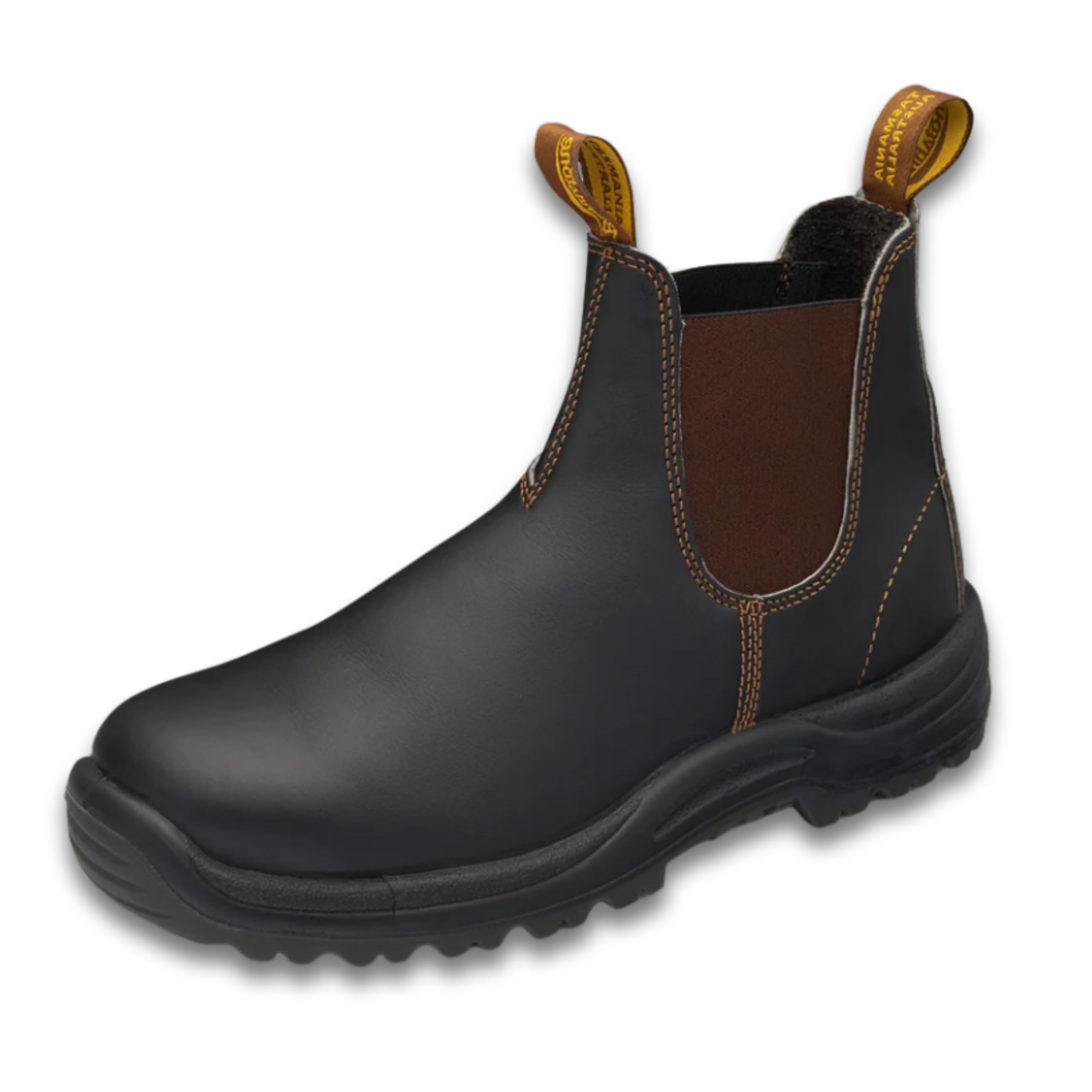
You need toe protection, but a hard cap over a wide forefoot can pinch as feet swell under load. A safety type with a broad cap suits you, as long as the cap edge sits past your toes rather than over them. Try it late in the day, in work socks, and walk and crouch first.
Types of Blundstone Boots Compared
This pull on shape comes in three builds, split by leather finish, lining and toe type. Match the build to your day first, because each fits wide feet a little differently.
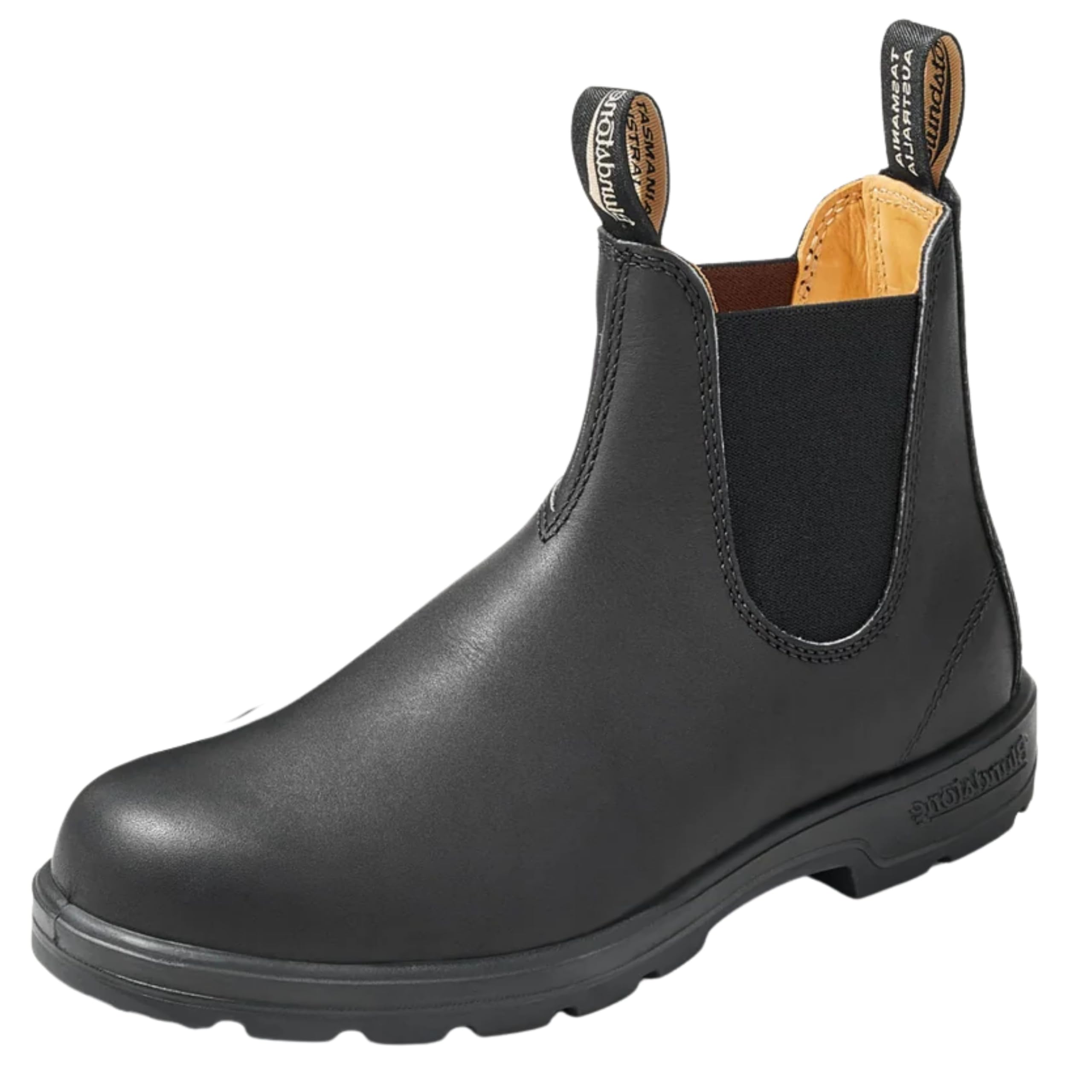
Classic Leather Chelsea Boots for Everyday Wear
This standard soft toe build uses oiled or smooth leather, with elastic sides and a cushioned heel unit. It is the most forgiving type for wide feet, because plain leather gives a little across the forefoot as it breaks in. It suits daily wear, travel and light yard work, and most pairs cost about $180 to $220.
Thermal and Waterproof Boots for Cold Wet Days
This build adds a waterproof lining, sealed seams and a warm inner layer for winter rain and snow. The lining takes up volume, so a wide foot that fits the classic build can feel crowded here in thick socks. Size this type with winter socks on, and allow more room at the toes. Most pairs cost about $220 to $260.
Safety Boots With a Protective Toe for Work
This build places a steel or composite cap inside the same pull on shape. The cap cannot stretch, so width at the cap line decides comfort for wide feet. Composite caps often feel a touch roomier and weigh less. If your site allows either cap, see our guide to the best work boots for wide feet to compare shapes. Most pairs cost about $200 to $240.
How to Choose the Right Blundstone Boot for Wide Feet
That balance of forefoot room and heel hold is what separates the best blundstone boots for wide feet from a standard pair bought in a larger size. Judge each factor in order, with width as the first filter.
Toe Box Width and Forefoot Volume
The toe box is the space around your toes, and wide feet need width across the ball of the foot more than height above it. Your toes should lie flat and spread a little, with no pressure at the little toe edge. Press the leather above your toes while standing. If the upper bulges hard at both sides, the last is too narrow.
Sizing, Half Sizes and Heel Hold
These boots use Australian sizing, so check the brand chart for your US size before you order. A half size mainly adds width rather than length, which makes it the first step for wide feet. Move up a half size before a full size. A full size adds length, and that extra length lets your foot slide forward and jam your toes.
Arch Support, Cushioning and Removable Insoles
The standard footbed is fairly flat, with cushioning in the heel. Wide feet that roll inward as they tire often need more arch contact than that. The insole lifts out, so you can fit your own orthotic, but check the remaining volume with it in place. A thick orthotic in a snug boot lifts your instep into the elastic and undoes that width gain.
Leather Upper, Elastic Panels and Instep Room
The elastic panels sit over your instep, and they are the only give in a boot with no laces. They help a high instep slide in, but they do not widen the toe box. Smooth and oiled leathers soften and ease across the forefoot in the first weeks. Suede and stiff coated leathers ease less, so choose a softer leather first.
Outsole Traction, Weight and Shaft Height
Most types use a lugged outsole that grips wet pavement and packed dirt well. Deep lugs help in mud but feel clumsy on smooth floors, so match depth to your ground. The shaft sits at the ankle and adds no support above it, so for steep trails see our guide to the best hiking boots for wide feet. Most pairs weigh about 2 to 3 pounds.
How to Measure Your Feet and Check the Fit
Measure both feet late in the day, standing in your boot socks, because feet spread and swell by evening. Trace each foot, then measure across the ball and from heel to longest toe. Buy for the wider and longer foot.
In the boot, walk on a hard floor for several minutes. You want about half an inch past your longest toe, toes that can wiggle, and slight heel lift only. Slight lift often settles as the footbed compresses. Sharp side pressure, numb toes or a slapping heel mean a change of size or type.
Common Mistakes to Avoid
- Sizing up a full size for width adds length, so your heel lifts and rubs at each step.
- Trying boots in the morning with thin socks feels fine, so the pair pinches by late afternoon.
- Trusting the elastic to widen the toe box leaves forefoot pressure, because it stretches over the instep alone.
- Testing a thermal pair in thin socks gives a tight fit once winter socks fill the lining.
- Keeping a worn insole under tired arches lets wide feet roll inward and ache sooner.
Leather Care That Keeps Wide Fit Boots Supple
Clean leather with a soft brush and a damp cloth, then dry the boots away from direct heat, which can crack leather and loosen glue. Take the insoles out while the boots dry, because the footbed area holds moisture longest. Condition smooth leather when it looks dry, and use a suede brush on suede pairs.
Rest a pair for a day between wears so the cushioning recovers. Store them upright, and check the elastic and lugs each season. Frayed elastic lets water and grit in, and smooth lugs mean lost grip.
Frequently Asked Questions
Do I need waterproof Blundstone boots for wide feet?
You need a waterproof build only if you stand in deep puddles, wet snow or soaked grass often. For light rain, water resistant leather with good care is enough for most wide feet. Water can still enter at the top opening and through worn elastic, so a waterproof pair is not a wellington boot. Choose by the deepest water you meet each week.
Can I wear Blundstone boots all day with wide feet?
Yes, you can wear Blundstone boots all day with wide feet once the leather has eased and the fit is right. Standing still swells feet more than walking does, so all day standing is the harder test. If your job keeps you in one spot, change into fresh socks at midday. A drier layer gives your toes back room for the last hours.
How long is the break in period for Blundstone boots for wide feet?
The break in period for Blundstone boots for wide feet is usually about one to two weeks. Leather across the forefoot eases first, while the heel cup and footbed settle later. Wear them indoors for short spells at first if the sides feel firm. Pain that sharpens, rather than eases, means the last is too narrow, not that you need more time.
How should Blundstone boots fit for wide feet?
Blundstone boots should fit snug at the heel and midfoot, with free toes and no side pressure. Add a slope test that flat floors miss. Walk down a ramp and note whether your toes drive into the front. Wide feet that pass the standing test can still jam on slopes if length is short, so test both ways before wearing the pair outdoors.
How often should you replace Blundstone boots for wide feet?
You should replace Blundstone boots for wide feet when the outsole tread is smooth or the leather cracks at the flex point. Wide feet load the outer edge harder, so check that edge for uneven wear first. A boot that leans outward at the heel changes your stride. Fresh insoles can extend comfort, but they cannot restore a worn outsole or a collapsed heel.
The Bottom Line
Put width first, then lining and toe type. Use the product table to compare builds, and order the half size that gives your forefoot room before a longer size.
Chosen that way, the best blundstone boots for wide feet feel easy to pull on, steady to walk in and roomy at the toes. Check the fit late in the day, in your real socks, and let that test make the final call.


