Best Bluetooth Surround Sound TV Speakers: What Actually Matters Before You Buy for 2026
Disclosure: We may earn a commission when you buy through links on this page, at no extra cost to you. As an Amazon Associate I earn from qualifying purchases. Learn more

Use this checklist to choose the best bluetooth surround sound tv speakers with confidence, covering sound quality, connections, room fit, and value.
Speaker listings throw wattage numbers, format logos, and virtual surround claims at you, yet none of that tells you whether dialogue will be clear on your couch. This guide works differently. It gives you the evaluation checklist first, with clear pass and fail points for each criterion, so you can judge any system in minutes. If you are hunting for the best bluetooth surround sound tv speakers for your home, start with the comparison table below, then run each option through the checks that follow.
The checklist focuses on what changes your daily viewing: voices you can follow, a TV connection that stays in sync, rear sound that fits your room, and controls your family will actually use. Specs still matter, but only where they predict those results.

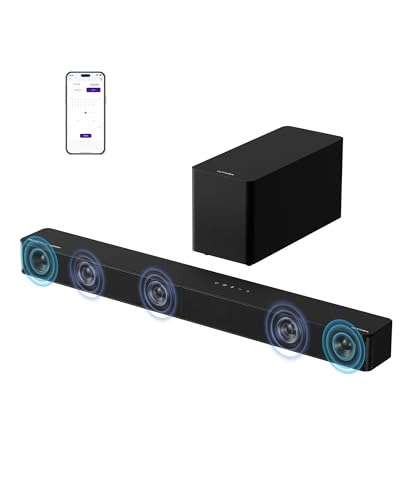


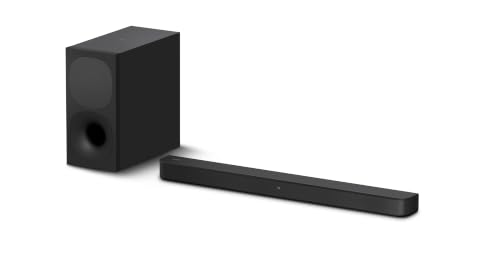
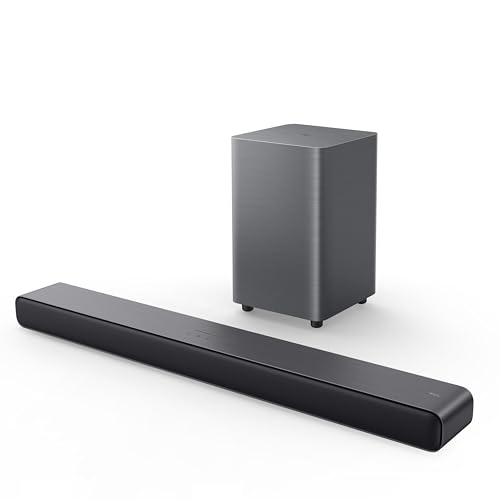
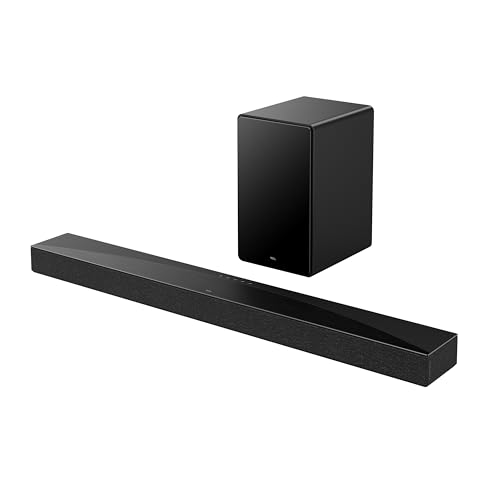

How to Evaluate Bluetooth Surround Sound TV Speakers
Use these seven criteria in order. A system that fails an early criterion rarely redeems itself later, because no amount of bass fixes dialogue you cannot understand. For each criterion you will find what good looks like and what should make you walk away.
Dialogue Clarity and the Center Channel
Good systems give speech its own dedicated center channel or a well tuned virtual center, plus a dialogue setting that raises voices without harshness. Picture a quiet drama scene: if a listing only brags about total power and never mentions dialogue handling, treat that as a weak sign. Clear voices at low volume are the strongest predictor of long term satisfaction for most households.
Surround Performance and Audio Formats
Good systems decode the common surround formats your streaming apps and discs actually send, and they place effects behind you with real rear speakers or convincing processing. Fail signs include vague surround claims with no channel count listed. Check the channel layout, such as 5.1, and confirm the system accepts the formats your TV outputs, so you are not paying for decoding your sources never use.
TV Connections and Lip Sync Control
The strongest choice is an HDMI connection with audio return, because it simplifies remotes and carries modern formats. Optical is an acceptable fallback for older TVs. Look for an adjustable audio delay setting, since that is your fix if speech and lips drift apart. A system with no delay control and a TV known for output lag is a risky pairing you should avoid.
Bluetooth Quality and Everyday Pairing
Bluetooth serves music from phones and, on some systems, private listening through headphones. Good signs are a recent Bluetooth version, memory for several paired devices, and a physical button or clear menu for pairing. Range through one typical room is enough for most homes. If several people will stream music, easy switching between devices matters more than codec logos. Our guide to the best quality sound bluetooth speakers explains music focused sound quality in more depth.
Room Fit, Size, and Placement Needs
Measure before you buy. The front unit must fit under or in front of your TV without blocking the screen or the remote sensor. Rear speakers need power or charging access near your seating, and the bass unit needs a floor spot that is not sealed inside a cabinet. A system that cannot sit correctly in your room fails this criterion no matter how good its reviews sound elsewhere.
Controls, Remote, and App Quality
You will adjust volume daily and modes weekly, so controls decide how the system feels to live with. Good systems work fully from a simple remote, show settings on the TV screen or a clear display, and remember your choices per input. App only control is a fail sign for shared family rooms, because guests and kids should not need a phone account to change the volume.
Build Quality and Warranty Support
Solid cabinets, secure grille fit, and cables that seat firmly all signal care in manufacturing. Check warranty length and whether the maker sells replacement remotes and power supplies, since small parts decide whether a system lasts. A very short warranty on a system with many wireless parts is a warning, because each wireless unit adds a battery or radio that can fail first.
Three Buying Profiles That Pass the Checklist
Instead of naming specific products, use these three profiles to match the comparison table above to your situation. Each profile lists who it fits, the traits that matter, and the compromise you accept.
The Full Surround Profile
This profile fits most living rooms: a 5.1 system with a strong center channel, wireless rear speakers, HDMI audio return, and a dialogue mode that works at low volume. Expect to pay about $400 to $800. The strengths are balanced movie and TV performance plus simple daily control. The compromise is size, since rear speakers and a bass unit still need sensible spots in the room, and very large spaces will want more power.
The Value Profile
This profile fits smaller rooms and tighter budgets: a soundbar with a separate bass unit and clear dialogue tuning, with rear speakers added only if your seating allows them. Expect about $200 to $400. The strengths are a large step up from TV speakers at a modest price and a setup that takes under an hour. The compromise is surround immersion, because effects stay mostly in front of you.
The Compact Profile
This profile fits bedrooms, small apartments, and rentals: a single bar or a bar with a compact bass unit, short enough for smaller TV stands. Expect about $150 to $350. The strengths are minimal clutter, no rear wiring questions, and easy moving when you relocate. The compromise is scale, since small drivers cannot fill a big room. Readers with tight spaces may also compare options in our guide to the best bluetooth speakers for tv for simpler setups.
Quick Buyer Checklist
Answer these questions before you buy. Every yes moves a system closer to a safe choice.
- Does the front unit fit your stand without blocking the TV screen or sensor?
- Does it include a dedicated center channel or a proven dialogue mode?
- Does it connect to your TV by HDMI audio return or optical?
- Can you place rear speakers near power and near ear height?
- Does it offer an audio delay setting for lip sync fixes?
- Can every family member control volume without an app?
- Does the bass unit have a floor spot with airflow and power nearby?
- Is the warranty at least one year, with spare remotes available?
Red Flags to Watch For
Walk away when a listing shows several of these signs. First, power claims with no channel layout or driver details usually hide a weak system. Second, surround claims based only on processing, with no option to add rear speakers, rarely satisfy movie fans. Third, missing information about TV connections suggests the maker expects returns from confused buyers. Fourth, an unusually short warranty on a multi unit wireless system shifts repair risk onto you. Fifth, many glowing comments that never mention setup, dialogue, or remotes tell you little about daily use.
One more practical check: search the model support page before buying. If manuals, firmware updates, and spare parts are hard to find now, they will not get easier in three years. Good support pages are a quiet sign of a maker that stands behind the product. You can compare broader systems in our guide to the best speakers for surround sound for tv if these flags narrow your list too far.
How to Make Your Bluetooth Surround Sound TV Speaker Last Longer
Keep vents open, dust grilles with a soft dry cloth, and use a surge protector. Update firmware when offered, because updates often repair pairing faults. Avoid running the system at maximum volume for long periods, which strains small drivers. If rear units use rechargeable batteries, recharge them before they sit empty for weeks, and store the system remote where it will not be lost.
Bluetooth Surround Sound TV Speakers: Your Questions Answered
Is a separate bass unit worth it?
Yes, for most movie and sports viewing, because a separate bass unit handles low effects that small bar speakers cannot reproduce cleanly. It also lets the front speakers focus on voices. One point buyers miss is placement freedom: you can position the bass unit where bass sounds even, while the bar must stay with the TV. In tiny rooms at low volume, though, a bar alone may be enough.
What size should I get for my room or desk?
Match the system to your TV width and seating distance. A bar close to your TV width looks right and spreads front sound to match the picture. Small rooms do well with compact 3.1 or 5.1 systems, while large open rooms need bigger drivers or a component setup. Also check stand depth, because a deep bass unit or bar can overhang shallow furniture.
Does Bluetooth delay matter for TV viewing?
Yes, delay matters when the TV sends audio to the speakers by Bluetooth, because speech can fall behind lip movement. A wired HDMI or optical connection avoids most of this risk. If you must use Bluetooth from the TV, look for a low latency mode on both devices and an audio delay setting. For music from a phone, small delays do not matter at all.
How long do they last?
Most systems last seven to ten years with normal care. Speakers themselves age slowly, while batteries in rechargeable rear units and changing app support set the practical limit. Choosing standard wired connections alongside Bluetooth extends useful life, because the system still works well even if an app is discontinued. Keep the manual and remote safe, since lost remotes are a common reason good systems get replaced early.
Soundbar or separate speakers: which is better?
A soundbar is better for simplicity, small rooms, and shared family spaces. Separate speakers are better for large rooms, dedicated movie spaces, and buyers who want to upgrade parts over time. A useful deciding point is seating: one main couch favors a soundbar system, while several rows or a wide seating area reward separate speakers placed for each zone.
Wrapping Up
Run every candidate through the checklist in order: dialogue clarity, the right TV connection, and honest room fit. Those three checks predict your satisfaction better than any headline specification. Compare your finalists with the product table above, and measure your stand and seating before ordering. Pick the best bluetooth surround sound tv speakers profile that matches your room, and you will get clear voices, believable effects, and controls your whole household enjoys using.