Best Bluetooth Scanner Made Simple: A Clear Buying Guide for 2026
Disclosure: We may earn a commission when you buy through links on this page, at no extra cost to you. As an Amazon Associate I earn from qualifying purchases. Learn more

Buying the best bluetooth scanner for the first time? This clear guide explains codes, live data, app costs, and system coverage in plain English.
A check engine light tells you something is wrong, but it never tells you what. A small plug in scanner and your phone can fill in that gap, and choosing the best bluetooth scanner for your car is mostly about knowing which questions you want it to answer. This guide walks first time buyers from the basic terms to the specs that matter, in plain English and in a sensible order.
You will learn what these scanners actually read, why the app matters as much as the plug, and where the cheap and costly classes part ways. Use the product table to see how the main options differ before the detail sections sort out fit, coverage, and cost.



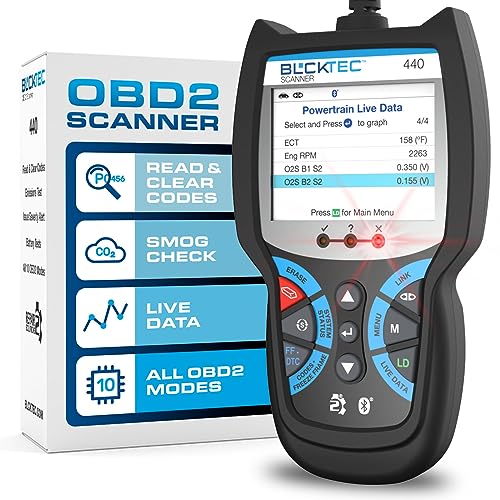

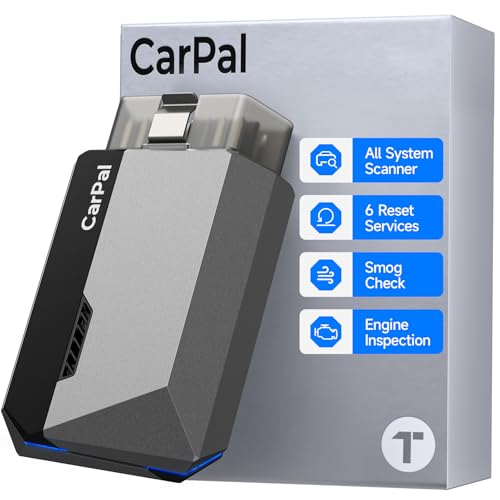
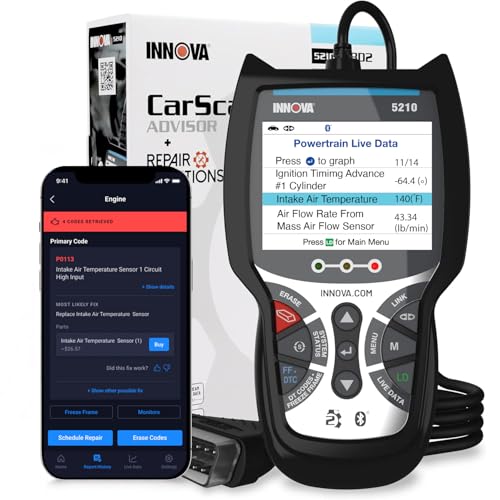
How to Choose the Best Bluetooth Scanner: The Basics
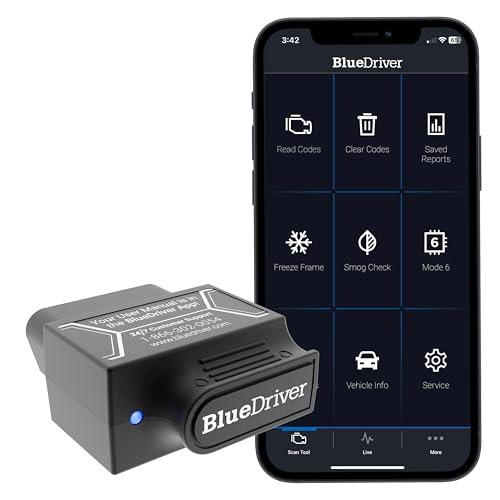
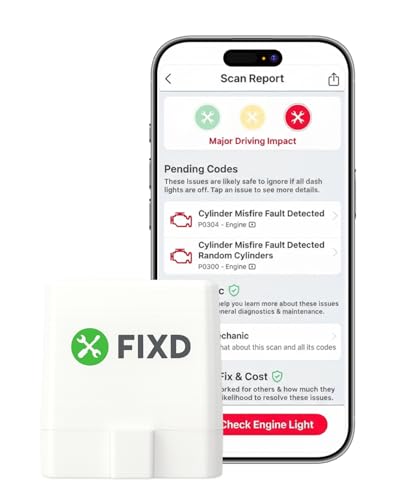
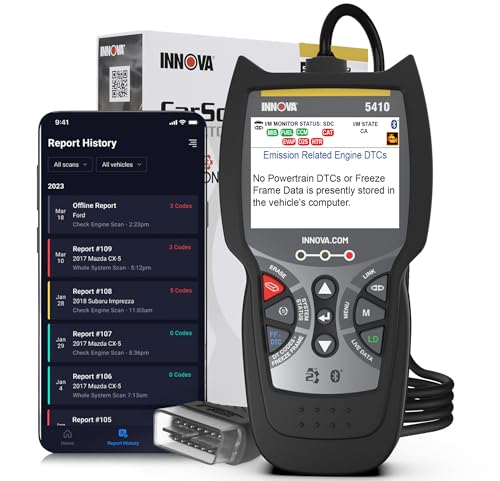
A Bluetooth scanner is a small plug that pushes into the OBD2 port, a socket under the dashboard on the driver side of nearly every modern car. The plug reads data from the car computer and sends it to an app on your phone over a short range Bluetooth link. There is no screen on the tool itself, so the phone does the displaying and the plug does the listening.
Here is the limit to learn first. The scanner reads the code classes the car has stored, and a code names a system class, not a failed part. A code about an oxygen sensor circuit, for example, can come from a tired sensor, a wiring fault, or an exhaust leak upstream of the sensor. The tool diagnoses nothing by itself, and it earns its keep by pointing your questions at the right system before money gets spent on parts.
Naming in this category is loose, and the same tool may be described several ways in listings. If you want the reading job explained from the naming side, our guide to the best obd bluetooth scanner class walks through the same plug and app pairing in the same plain terms.
Key Specs Explained in Plain English
Six factors decide whether a scanner suits your car and your patience. Read them in this order and the price bands at the end will make sense.
What the Scanner Reads: Codes and Live Data
Every scanner in this class reads generic fault codes, the shared code set that all car makers use for engine and emissions faults. Deeper tools also read maker specific codes, which cover faults the generic set describes only vaguely. Live data is the second half of the job: a stream of values such as engine speed, coolant temperature, and fuel trim that lets you watch a problem while it happens. A freeze frame adds a snapshot of those values from the moment a code was set.
Buyers who want that deeper code access usually compare the best odb2 scanner bluetooth listings against basic readers before spending.
System Coverage Beyond the Engine
Basic plugs read the engine and emissions systems and nothing else. Wider classes add the brake, airbag, and transmission systems, which is where many repair bills actually start. Coverage is not uniform, because a tool that reads airbag codes on one make may read engine codes only on another. The age of the car matters as well, since newer cars gate some systems behind maker software.
Shoppers who want one tool to cover those extra systems usually land in the best bluetooth obd2 scanner class, where the coverage lists run longer and the app does more of the work.
The App Is Half the Purchase
The plug is only hardware. The app is the other half of the product, and it decides what the readings look like, how reports are saved, and whether the tool improves or stalls after you buy it. Some apps are free with paid unlocks for extra systems, and others charge a yearly fee that quietly doubles the price of a cheap plug over a few years of ownership. The hard rule is simple: if the maker abandons the app, the plug becomes a piece of plastic with no way to show you anything.
Check when the app was last updated before you judge the hardware.
Connection Speed and Stability
Bluetooth is a connection class, not a reading class, and its job is to stay out of the way. Newer Bluetooth versions pair faster and hold a steadier link while live data streams, while the cheapest plugs can drop the connection mid scan and force you to start over. Look for automatic reconnect, a clear pairing process, and support for both major phone systems. A tool that takes five attempts to connect will end up forgotten in a glove box, whatever its coverage list promises.
Clearing Codes and Readiness Checks
Clearing a code turns the warning light off, and that is all it does. Clearing is not a repair: if the fault is still present, the car runs its checks again and the code and the light come back. Clearing also resets the readiness monitors, the self checks the car needs before an emissions inspection. Wiping codes in the parking lot of the inspection station leaves those monitors unset, and an unset monitor is a common reason a healthy car gets sent away to be driven and rechecked.
What the Price Bands Buy
At about $20 to $40 you get engine codes and little else, which is enough for owners who just want to know whether a light means stop now or book a visit. At about $40 to $90 the class adds live data, freeze frame, and the first extra systems. At about $90 to $200 you are paying for deeper maker coverage and service functions such as resetting a parking brake for pad work. Drivers who want that coverage aimed at one car rather than a whole fleet often start with the best bluetooth car scanner guides and narrow down from there.
Star scores squeeze every kind of owner into one number, so treat lists of the best rated scanners as a starting point and read the coverage list instead. If you are weighing handheld tools against phone based plugs, our OBD2 diagnostic scanners buying guide covers both.
Rookie Mistakes to Avoid
- Buying the cheapest plug and expecting workshop depth, then blaming the tool when it only reads engine codes.
- Replacing the part a code names without checking the circuit first, which swaps good parts for new ones and keeps the fault.
- Clearing codes right before an inspection visit, which resets the readiness monitors the inspection needs to see.
- Comparing plugs by hardware price alone and ignoring the app fee, so the cheap tool costs more within a few years.
- Assuming every scanner reads airbag and brake systems, when many read the engine only.
Getting Started: Setup and First Use
- Park on level ground, switch the engine off, and find the port under the dashboard near the steering column.
- Push the plug in firmly, then turn the ignition to on without starting the engine unless the app asks otherwise.
- Open the app, pair the plug over Bluetooth, and let the app identify the car before running the first scan.
- Save or export the first report before clearing anything, so you keep a record of what the car reported.
That first saved report is your baseline. Later scans mean far more when you can compare them against the day you bought the tool.
Bluetooth Scanners: Your Questions Answered
Can a Bluetooth scanner tell me exactly which part to replace?
No, a Bluetooth scanner cannot name the exact part to replace. It reports the system that flagged a fault and the conditions around it, and that narrows the search from the whole car to one circuit or component group. The final step is checking: inspecting wiring, swapping a suspect sensor with a known good one, or watching live data while the fault happens. Treat the code as the start of the diagnosis, not the end of it.
Will a Bluetooth scanner work on any car?
A Bluetooth scanner works on any car fitted with the standard OBD2 port, which covers nearly every modern car sold in the United States. The basic code reading is shared across makers, so the floor of the experience is the same everywhere. What varies is the depth above that floor, because maker specific codes and extra systems depend on the software support for your brand. Very old cars without the port cannot use this class of tool at all.
Does a Bluetooth scanner drain the car battery?
A Bluetooth scanner draws a small amount of power while it sits in the port, even with the engine off. Many plugs sleep at a very low draw and are harmless for days, but a car that sits unused for weeks can end up with a flat battery. The safe habit is to unplug the tool when you finish scanning, unless the maker states a sleep draw low enough for permanent fitting. Your first scan is also a good moment to note the resting battery voltage in the app.
Is a Bluetooth scanner as good as a wired workshop tool?
A Bluetooth scanner covers the code reading and live data jobs that make up most home diagnosis, and for those jobs it is genuinely comparable. Workshop tools go further, with guided tests, the ability to command parts on and off, and coverage signed off by the car makers. The gap shows up on unusual faults rather than common ones. For a first time buyer, the phone based class answers the everyday questions at a small fraction of the workshop price.
How often should I scan my car if the warning light is off?
Scanning once or twice a year is a sensible rhythm even when the dash is dark. Cars store pending codes for faults that have appeared once but not often enough to light the warning lamp, and a pending code is early notice you can plan around. A quick scan before a long trip is also worthwhile. Keep the reports, because a code that appears, clears, and returns across seasons is telling you a story a single scan cannot.
The Bottom Line
Three things decide this purchase: the systems the tool covers on your make of car, the app that has to stay alive for the tool to mean anything, and a connection that pairs without a fight. The product table lets you compare the options side by side so you can match coverage to the questions you actually ask. Choose on those terms and the best bluetooth scanner for your glove box is simply the one whose coverage, app, and price all fit the car you already own.