
Best Bluetooth Odb2 Scanner by Budget: Smart Picks for 2026
Disclosure: We may earn a commission when you buy through links on this page, at no extra cost to you. As an Amazon Associate I earn from qualifying purchases. Learn more

Want the best bluetooth odb2 scanner without overspending? See what each price tier delivers, which upgrades are worth it, and our top value picks.
Many shoppers type the name as ODB2, but the tool is the same: a small adapter that plugs into your car's diagnostic port and sends data to your phone. This guide to the best bluetooth odb2 scanner options (usually sold as OBD2 scanners) focuses on using one before you buy a used car, before an emissions test and on a road trip. The comparison table below lists models to compare.
A scanner can tell you whether a car has stored fault codes, whether the emissions monitors have run, and how the engine is behaving, all for less than the cost of one diagnostic visit.

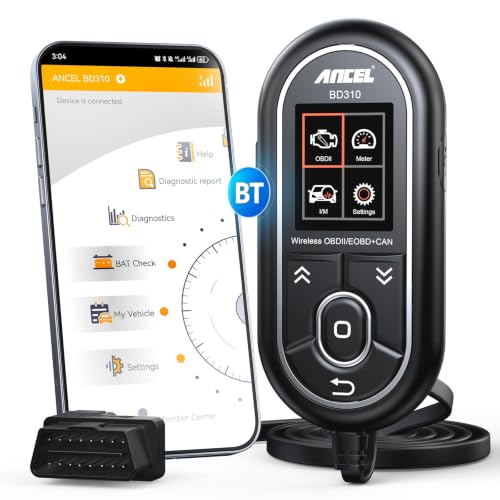


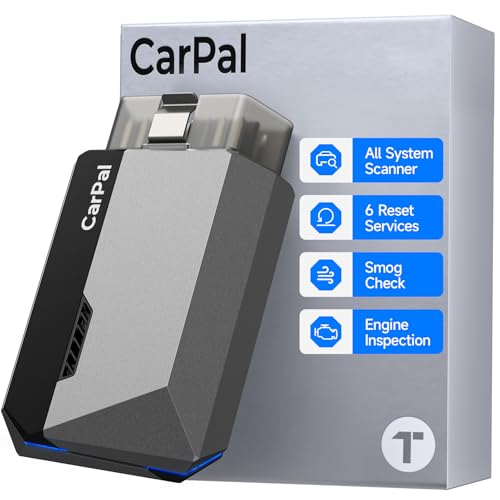


Checking a Used Car Before You Buy
Plug the scanner into the port and read all codes. Stored codes show past or current faults. Pending codes show problems the car has noticed but not confirmed. Readiness monitors show whether the car has completed its self tests, and a car with monitors that have not run may have had its codes cleared recently. Ask the seller about this and take a longer test drive before deciding.
A scanner is not a substitute for a pre purchase inspection by a mechanic, but it adds useful information at a low price.
Emissions Tests and Readiness
Many areas check readiness monitors during an emissions test. If you have recently disconnected the battery or cleared codes, the monitors reset and need several drive cycles to complete. A scanner that shows readiness status lets you check before you go.
Key Features to Compare
Readiness and Freeze Frame Data
Readiness status and freeze frame data record the conditions when a fault was stored. They help a mechanic reproduce the problem.
App and Phone Support
Choose an app with clear code descriptions and report export. Confirm iPhone or Android support.
Connection Reliability
A scanner that drops its Bluetooth link in the middle of a scan is frustrating. Look for newer Bluetooth versions and good reviews.
Size and Fit
A compact body stays out of the way of your knees. A scanner you leave plugged in should sit flush with the port.
Extra Systems
Some scanners read ABS, airbag and transmission codes, which is useful when buying a used car.
Road Trip and Everyday Use
Keep a compact scanner in the glove box. If a light comes on far from home, you can read the code, check whether the car is safe to drive and tell a mechanic what you found. Do not use the scanner while driving.
Security and Battery Care
A scanner left in the port is plugged into a path that talks to your car's systems. Choose a reputable brand, keep the app updated and unplug the adapter when you park for long periods. Some adapters draw a small current and can drain a weak battery.
Budget Tiers and What You Get
Basic scanners cost about $20 to $50 and handle codes and live data. Midrange scanners at about $50 to $120 add better apps, enhanced systems and faster connections. Higher priced tools add bidirectional tests and resets and cost more.
Common Mistakes to Avoid
Buying a no name scanner with vague compatibility claims, ignoring phone support, clearing codes before a test or sale and treating a code as a diagnosis. A code points toward a system, not always to the part that failed.
Questions to Ask a Seller
When you scan a used car, you can ask direct questions: Has the battery been replaced recently? Have any codes been cleared? Are there service records for the check engine light? Pending codes and unusual live data values give you a good reason to negotiate or walk away. A seller who objects to a quick scan may have something to hide.
What a Scanner Cannot Tell You
A scanner does not see rust, worn suspension, leaking fluids, accident repairs or the condition of tires and brakes. It reads data from the car's computers. Use it together with a test drive, a visual inspection and a vehicle history report, and treat it as one input among several.
Interpreting Readiness Monitors
Readiness monitors are self tests the car runs for systems such as the catalytic converter, evaporative emissions and oxygen sensors. Each monitor reads either ready or not ready. Not ready can simply mean the car has not yet completed a drive cycle after a battery disconnect or a code clear. Many areas allow one or two monitors to be incomplete for older vehicles, but the rules vary, so check your local requirements.
If a monitor stays not ready for a long time even after many drives, a fault may be preventing the test from running, and a mechanic should take a look.
Related Guides
For related choices, see our guides to the best bluetooth car scanner, best bluetooth obd2 scanner, best obd bluetooth scanner, best bluetooth scanner and best odb2 scanner.
Frequently Asked Questions
Is ODB2 the same as OBD2?
Yes. OBD2 is the correct name for the on board diagnostics standard. ODB2 is a common misspelling, and listings often use both.
Can a scanner tell if a used car has hidden problems?
It can show stored and pending codes and readiness status, which can reveal problems. It cannot see mechanical wear, so combine it with an inspection.
Will clearing codes help me pass an emissions test?
Clearing codes resets the readiness monitors, which can cause a test to fail until the car completes its drive cycles. Fix the cause of any code first.
Does it work on every car?
Most gasoline cars since 1996 and diesels since the mid 2000s have the OBD2 port. Check the coverage list for extra systems.
Can I leave the scanner plugged in?
You can with some models, but unplug it if the car sits for days or if the maker advises it.
Final Thoughts
Choose a scanner with a good app, reliable pairing and the readiness data you need. Use the table above to compare, and pick the best bluetooth odb2 scanner for your phone and your car. Prices and stock change, so check the product page before ordering.


