
Best Bluetooth Code Reader of 2026: Complete Buying Guide
Disclosure: We may earn a commission when you buy through links on this page, at no extra cost to you. As an Amazon Associate I earn from qualifying purchases. Learn more

Pick the best bluetooth code reader by app quality, vehicle coverage and live data so a check engine light becomes a clear answer.
A check engine light can mean a loose fuel cap or a repair that should not wait, and a dealer visit just to read the code costs time and money. A small Bluetooth dongle that plugs into your car and talks to your phone puts that first answer in your pocket. Choosing the best bluetooth code reader for your vehicle depends on the app behind it, the systems it can access, and how well it fits the cars you actually drive.
This guide explains the tiers, the features that matter, and the limits of what a phone based reader can do. Check the comparison table below first, then work through the buying guide with your car model years in mind.

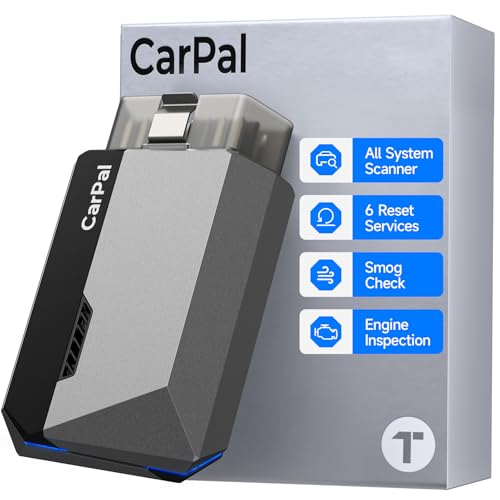


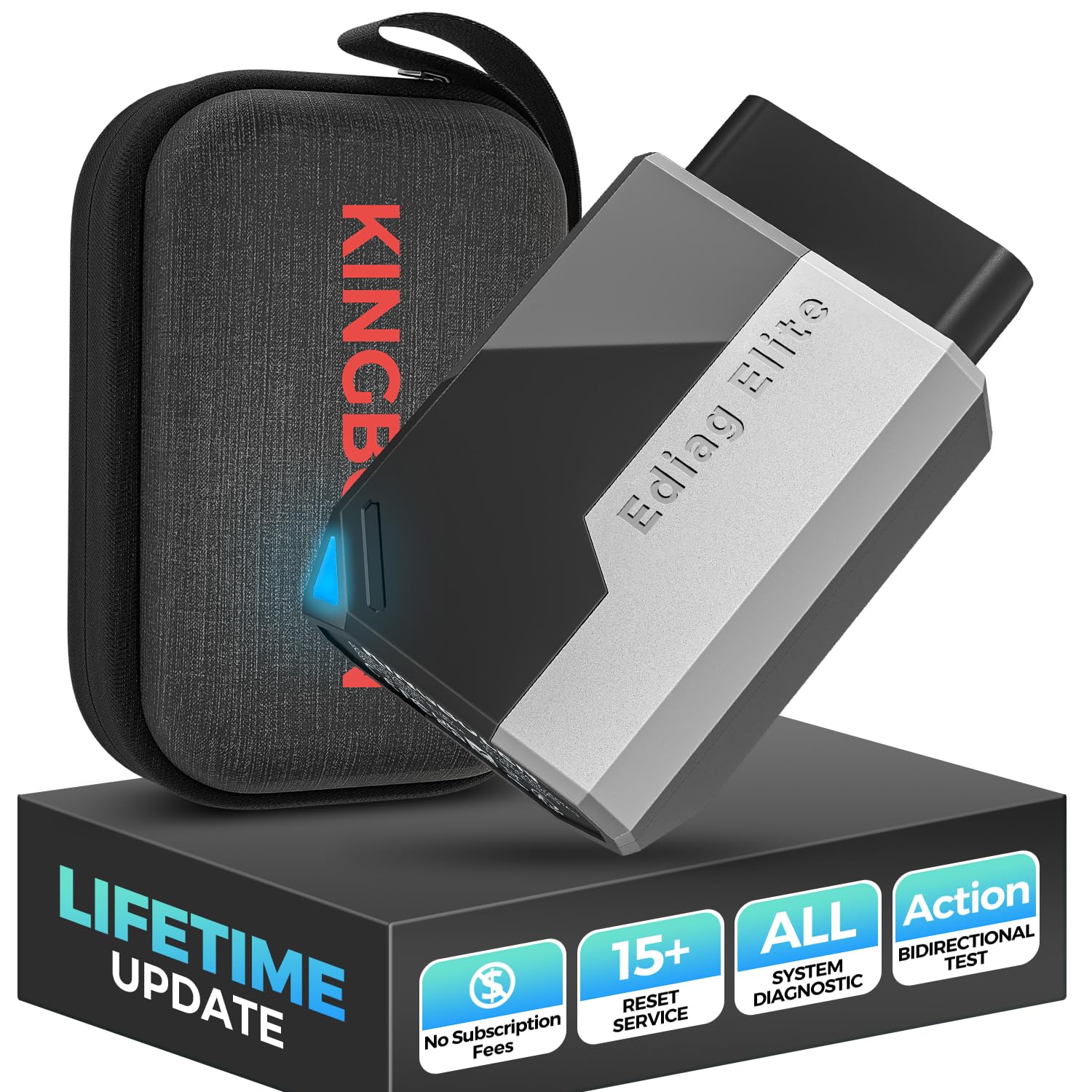

Buying Tiers at a Glance
Phone based readers look similar, a small plug and an app, but the software experience splits them into clear tiers. Hardware is often the simple part; the app decides what you can see, save, and understand. Think about which tier matches your comfort level before comparing prices.
Best Overall Tier Profile
The all round tier pairs a reliable dongle with an app that reads and clears engine codes, shows live sensor data, and runs emissions readiness checks. This profile suits most owners who want to understand a warning light before visiting a shop and to confirm that a repair actually fixed the fault. Expect clear code definitions written in plain language and the ability to save reports. For a two car household, this tier usually ends the search.
Best Value Tier Profile
Value readers cover the essentials at a low price: standard engine codes, a simple code lookup, and basic live data such as coolant temperature and engine speed. The apps may show ads, update slowly, or charge small fees to unlock extras, so read the app store listing as carefully as the hardware box. This tier suits a single older car and an owner who reads a code a few times a year. It is also a low risk way to learn whether you enjoy diagnosing things yourself.
Best Premium Tier Profile
Premium options add access beyond the engine, reaching systems such as ABS brakes, airbags, and transmissions on many makes, plus guided tests and detailed data logging. The apps tend to be polished, with graphing, exportable reports, and regular updates as new model years arrive. This tier suits enthusiasts, families with several different brands in the driveway, and anyone who does their own maintenance. The higher price buys breadth of coverage, so confirm your exact make is supported before paying for it.
How to Choose the Right Bluetooth Code Reader: Buying Guide
Vehicle Compatibility
Nearly every car sold in the United States from 1996 onward uses the OBD2 port and standard protocols, so basic engine code reading works broadly. The differences appear with maker specific systems and newer models, where coverage varies by brand, year, and even trim. Check the maker compatibility list against every car you plan to plug into, not just the newest one. Also confirm whether the reader and app support your phone platform, since a dongle that only works with one phone system is a poor fit for a mixed household.
Ease of Installation
Installation should be genuinely simple: locate the port, usually under the dash near the steering column, push the dongle in firmly, and pair it with the app. A good setup takes under five minutes the first time and seconds after that. Beware designs that sit loose in the port or block your knees while driving, because a dongle you leave plugged in must never become a distraction. Clear pairing instructions and an app that finds the device on its own separate the pleasant tools from the frustrating ones.
For wired alternatives that need no phone at all, see our guide to the best code reader options with built in screens.
Features and Extras
Live data is the extra that earns its keep most often, letting you watch sensor values while the engine runs and spot a reading that drifts out of range. Emissions readiness checks tell you whether the car is ready to pass an inspection after a repair or a battery change. Freeze frame data, which captures conditions at the moment a fault set, helps a mechanic reproduce an intermittent problem. Code definitions inside the app save you from searching the web with greasy hands, and saved history turns one reading into a useful record over time.
Safety Features and Safe Habits
A code reader is a low risk tool, but how you use its information carries real safety weight. Never browse live data while driving; park safely or let a passenger watch the phone. Treat codes for brakes, airbags, and steering as stop and consult signals rather than invitations to experiment, and see a qualified mechanic for any fault in those systems. Do not clear a code just to turn the light off before an inspection or a sale, since that hides information the next driver or technician needs. The reader informs your decisions; it does not make a car safe by itself.
Build Quality and Connection Reliability
The dongle lives in a harsh spot, kicked by shoes, baked in summer heat, and frozen in winter. A compact body with a firm connector and no flimsy moving parts survives that life best. Connection reliability matters just as much: a reader that drops its Bluetooth link mid session can lose the very data you plugged in to capture. Recent Bluetooth versions pair faster and hold links better through the metal and electronics around the dash. If reviews mention constant reconnecting, believe them and move on.
Warranty and Brand Support
Support decides whether your reader still works after your next phone update. Makers that update their apps regularly keep pace with new operating systems and new car models, while abandoned apps quietly stop pairing. Check when the companion app was last updated before you buy, and look for a warranty of at least a year on the hardware. A support page with real contact options and vehicle coverage charts signals a maker that plans to stay in the game.
Households comparing formats can also read our guide to the best vehicle code reader range for a wider view.
Types of Bluetooth Code Readers
Pro Grade Options
Pro grade phone based readers aim at working technicians and serious home mechanics, with broad system coverage, bidirectional tests on supported models, and fast data refresh. They cost more and their apps assume knowledge, offering dense data rather than friendly explanations. Choose this type if you maintain several cars or help friends diagnose theirs. If terms like fuel trim are new to you, a simpler tier will teach you more with less overwhelm.
Premium Options
Premium consumer options sit between basic dongles and pro tools, adding ABS and airbag access on many makes, polished apps, and tidy report sharing. They suit owners who want depth without a steep learning curve. The main caution is coverage fine print, since advanced system access varies sharply by brand. Verify your exact vehicles on the maker chart, and this type can serve a household for years.
Compact and Portable Options
Compact dongles are small enough to live in a glove box or even a coat pocket, ready for a light that appears on a road trip. Their apps usually stick to engine codes and live basics, which is exactly what a roadside first look requires. They make thoughtful gifts for new drivers, paired with a note to call home before clearing anything. Just remember to unplug one before long parking stretches if your model draws power while the car sleeps.
Budget and DIY Options
Budget options handle standard engine codes at the lowest cost and pair with free or low cost third party apps. Quality varies widely at this level, and counterfeit style listings with vague compatibility claims are common. Buy from a seller with a real return policy, test the reader on your car the week it arrives, and keep expectations set to code reading rather than deep diagnosis. For many owners, that honest limited job is all they ever need.
How to Make Your Bluetooth Code Reader Last Longer
- Keep the app updated. App and firmware updates maintain pairing with new phone software and add coverage for newer vehicles, so enable updates rather than ignoring them.
- Store the dongle dry. When it is not in the port, keep it in a small case in the glove box so dust and moisture stay out of the connector pins.
- Seat it gently. Push the connector straight in and pull it straight out; wiggling side to side bends pins in the car port, which is a far costlier repair than the reader itself.
- Mind the car battery. Long diagnostic sessions with the engine off drain the battery, so run the engine or keep sessions short on an older battery.
- Save every report. A dated history of codes helps you and any mechanic spot patterns, turning single readings into real diagnostic value.
Drivers who want brand neutral comparisons can browse our guide to the best car code readers for more formats.
FAQs
What specs matter most in a bluetooth code reader?
Vehicle coverage for your exact makes and years matters most, followed by app quality and the systems the reader can access beyond the engine. Live data support and emissions readiness checks add real value for most owners. Bluetooth version affects pairing speed but rarely changes what you can diagnose. Judge the app store rating and update history as seriously as the hardware specs, because the software is where you will spend all of your time.
How long does a bluetooth code reader last?
The hardware can last many years because it has no battery and few moving parts, often outliving the car it first served. The practical lifespan is set by software support instead. When a maker stops updating the app, new phones or new vehicles may stop working with your dongle. Buying from a maker with a visible update record is the best insurance, and keeping the dongle stored dry protects the connector in the meantime.
Do I need professional installation for a bluetooth code reader?
No, installation is a simple plug in job that almost any owner can do in minutes with no tools. Find the port under the dash, push the dongle in until it seats, and follow the app pairing steps. The professional help worth paying for comes later, when a code points to a repair beyond your skills. Use the reader to arrive informed, ask better questions, and confirm the fault is gone after the work is done.
Will a bluetooth code reader fit my vehicle?
It will fit physically if your car has an OBD2 port, which covers gasoline cars sold in the United States from 1996 onward and diesels from slightly later. Full feature fit is narrower, since advanced system access depends on your make and model year. Check the maker coverage chart for each of your vehicles before ordering. If your car predates OBD2, you need a different, older style tool entirely, and a specialist shop may be the smarter route.
Our Verdict
Coverage for your cars, a maintained app, and honest expectations are the three things that matter. Most owners should land in the all round tier, learn to read live data, and treat safety system codes as a prompt to see a qualified mechanic. Compare your shortlist with the product table above, and choose the best bluetooth code reader that fits your vehicles and your comfort level.


