
Best Bluetooth Keyboards for Smartphones: Matching the Right Model to Your Routine for 2026
Disclosure: We may earn a commission when you buy through links on this page, at no extra cost to you. As an Amazon Associate I earn from qualifying purchases. Learn more

Learn how to choose the best bluetooth keyboards for smartphones by matching size, key feel, pairing, and battery life to your daily routine and travel.
No single keyboard suits every phone user, because typing on a phone can mean long travel journals, quick work replies, or study notes at a cafe table. This guide helps you match the best bluetooth keyboards for smartphones to your routine instead of buying the largest or smallest board you see. Size, stand support, and pairing habits matter as much as key feel here.
Think first about where you will type and how you will carry the board. The best bluetooth keyboards for smartphone use are the ones you actually bring along, paired with a stand that holds your phone at a comfortable angle. Start with the comparison table below, then check your routine against the sections that follow.

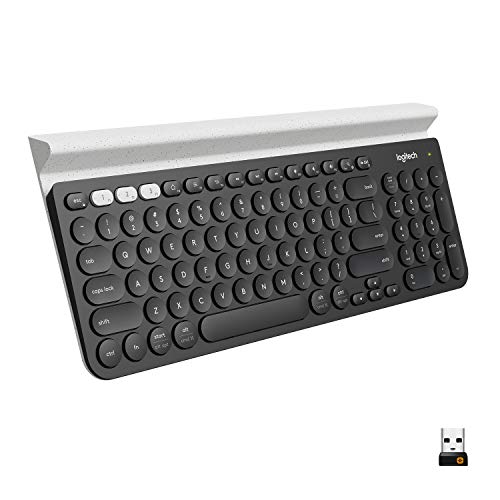


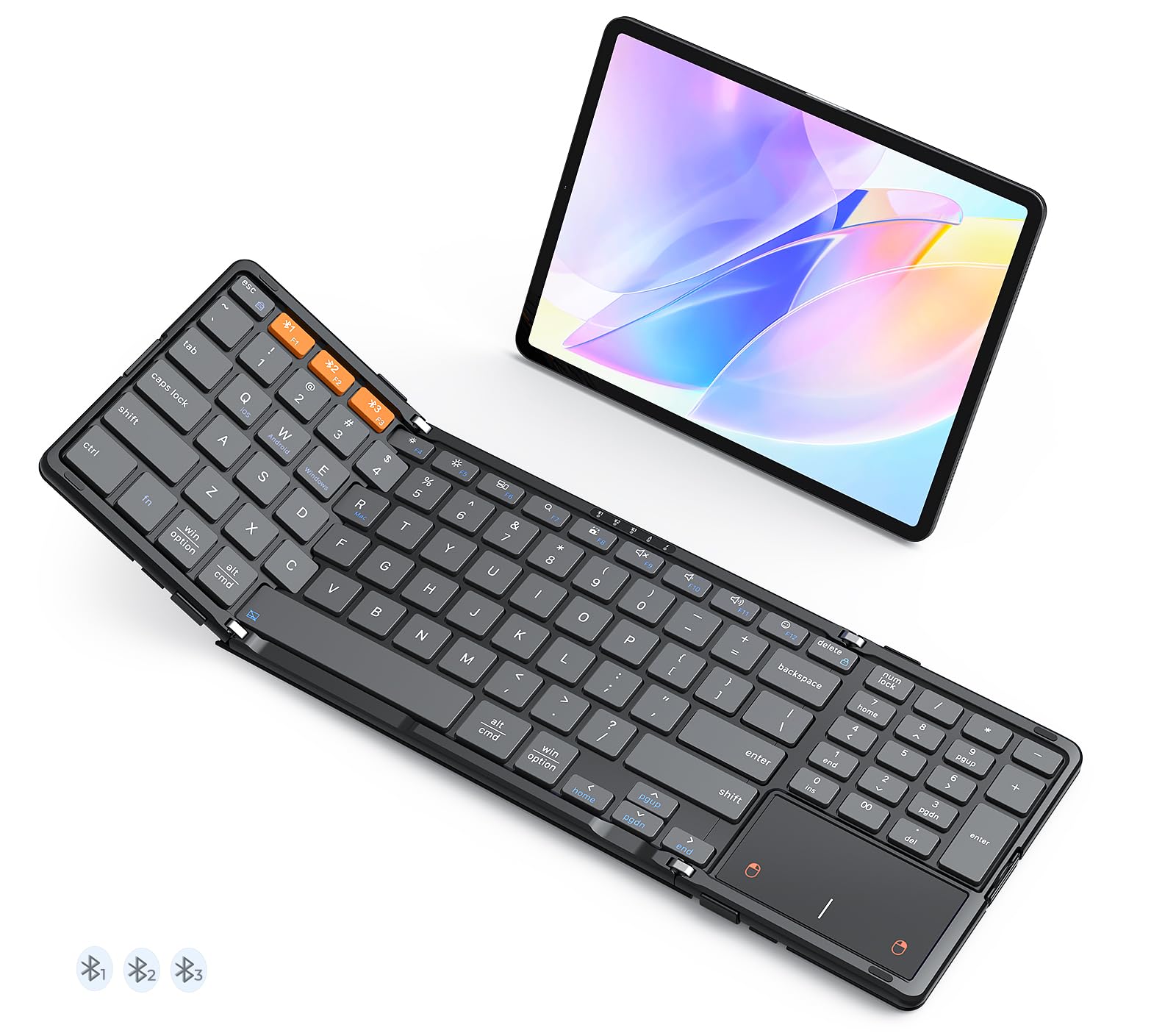


Who Should Buy Which Bluetooth Keyboards?
For Gamers and Power Users
Players and power users should start with an honest limit. Many smartphone games restrict keyboard input or offer no keyboard support at all, so a board will not replace touch controls in every title. Where keyboards do help is in strategy, writing heavy games, emulators where allowed, chat, and fast navigation around the phone system itself.
Prioritize low input delay, firm keys that resist accidental presses, and multi device pairing so the same board can serve a phone, a tablet, and a computer. A wired option can cut delay further for a fixed desk setup, but it sacrifices the freedom that makes phone typing useful.
For Students and Everyday Users
Students need a board that survives a bag, pairs without fuss, and types quietly in shared spaces. Look for a compact layout that still keeps full size letter keys, battery life measured in months rather than days, and a price around $25 to $60. A folding design or a slim board with a protective cover travels best between classes.
Stability beats novelty for this group. A keyboard that reconnects instantly when you open it, plus a phone stand that does not slide on a library desk, will help your grades more than colorful backlighting or a long list of extra modes.
For Remote Workers and Creators
Remote workers and creators type the longest phone sessions, so comfort and switching speed lead the list. Choose fuller key spacing, a function row for media and search, and pairing for at least two or three devices so you can move between phone, tablet, and laptop without repairing. A quiet, even key action helps on calls and in shared work spaces.
Plan for a complete mobile desk. A stand, a board with good battery life, and cloud documents you can open on any device turn a phone into a credible writing tool for travel days, site visits, and working away from your main computer.
Key Features of the Best Bluetooth Keyboards for Smartphones
Weight and Build Quality
Weight decides whether a keyboard leaves the house. Travel boards often weigh about half a pound to one pound, while sturdier desk boards weigh more and feel calmer under fast typing. Build quality shows in case flex, hinge strength on folding models, and keycap material. PBT keycaps resist shine and wear longer than basic plastic caps, though they add cost.
Think about how you will carry it. If the board plus stand weighs more than the phone by a wide margin and fills your smallest bag, a slimmer model you carry daily will beat a premium model you leave at home twice a week.
Compatibility (PC, Mac, Console)
Phone compatibility comes first. Confirm support for your phone operating system, including shortcut keys for search, home, brightness, and media, because a board can type letters on any system while its special keys work on only one. Android and iPhone layouts differ in key labels and commands, so dual labeled keys help households that mix both.
Switching adds value beyond the phone. If you also work on other systems, see our guide to the best bluetooth keyboards for mac for layout differences, and compare the best bluetooth keyboards for ipad if a tablet shares your desk. Console support varies widely, so check the maker list for your exact system before assuming a board will pair.
Wired vs Wireless (2.4GHz, Bluetooth)
Bluetooth is the natural fit for smartphones because phones have no spare ports for dongles and no full size USB sockets. Pairing is built in, power use is low, and one board can remember several devices. A 2.4 GHz dongle can offer a strong link for a computer, but on a phone it usually needs an adapter and adds a small part that is easy to lose.
Wired typing through USB C is worth considering at a fixed desk. It removes pairing steps and input delay and works while the board battery is empty. For travel and cafe use, wireless freedom and quick setup almost always win over a cable across the table.
Features That Matter for Smartphones
Smartphone typing has one need a desk keyboard does not. The phone must be held up. A board with a built in stand, a case that props the phone, or a separate folding stand is essential, because laying the phone flat forces a painful neck angle within minutes. Check the stand grip for your phone thickness, especially if you use a protective case.
Size balance also matters. The board should be wide enough for real typing but short enough that your thumbs and wrists stay relaxed. For focused alternatives, our guide to the best smartphone keyboards compares phone first designs, and the wider best bluetooth keyboards guide covers desk boards too.
Durability and Warranty
Switch life ratings, often stated in millions of presses, give a rough durability guide, but hinges, batteries, and stands usually fail first on travel models. Hot swap switches on some larger boards let you replace a single faulty switch instead of the whole keyboard, a real benefit for heavy typists who plan to keep a board for years.
Read the warranty for battery and hinge coverage, not just total length. Keep the charging cable type in mind as well. USB C charging is easier to replace on the road than a rare cable you must remember to pack for every trip.
Common Mistakes to Avoid When Buying Bluetooth Keyboards
- Buying by price alone and ending up with tiny letter keys that slow every sentence you write.
- Ignoring weight and build quality, then leaving a heavy or fragile board at home on travel days.
- Choosing a size that is too large for cafe tables or too small for your hands and typing style.
- Forgetting a phone stand, which is essential for posture and screen angle during any long session.
- Skipping warranty and battery checks, especially on folding models where hinges work hard daily.
One more mistake is assuming every app welcomes a keyboard equally. Most writing and mail apps do, but some games and a few work apps limit external keys. Try your key apps during the return window. For general phone pairing background, see our notes on the best bluetooth for smartphones.
Care and Maintenance Tips
Clean switches and key surfaces regularly with a soft brush or air, and wipe caps with a lightly damp cloth when oils build up. Crumbs under keys are the most common cause of a single key feeling rough, so a weekly shake and brush over a bin prevents most problems before they start.
Update firmware through the companion app when the maker offers one, because updates can improve pairing and battery handling. Charge before long trips, avoid leaving the board in a hot car, and store folding models closed so hinges and keys stay protected inside your bag.
Bluetooth Keyboards: Your Questions Answered
What features matter most in bluetooth keyboards for smartphones?
Stand support, carry size, and reliable pairing matter most. A phone keyboard is a system of board plus stand plus phone, and weakness in any part ruins the session. Many shoppers comparing the best keyboards for smartphones overlook stand angle, yet that angle decides your posture for every long note, draft, and study session you write.
Are mechanical keyboards worth it?
Mechanical keyboards are worth it if you type for long periods and value a clear, consistent key feel and easier switch replacement. They tend to be thicker and heavier, which counts against travel use with a phone. For short messages and occasional notes, a good scissor board is thinner, quieter, and usually better value.
How do I hold my phone while typing?
Use a board with a built in stand slot, a case that props the phone, or a separate folding stand. Laying the phone flat forces a painful neck angle within minutes, so check that the stand grip fits your phone thickness and any protective case.
Wired or wireless: which is better for gaming?
Wired is better for the lowest delay in a fixed gaming setup, while wireless is better for movement and for the limited port space on a phone. Remember that many phone games limit keyboard play regardless of connection type. For chat, menus, and supported titles, a stable Bluetooth link is fast enough for most players.
Does it work with Mac and console?
Many models work with Mac computers, but key labels and shortcuts may follow a phone or Windows layout, so check the layout map before you buy. Console support is less universal and often limited to menus or certain games. A board that works well with a phone may still need a separate desk board for full console use.
Final Thoughts
Match the board to the routine you repeat most. Travel writers need light weight and a stand, students need value and battery life, and desk based phone users can choose fuller keys and firmer build. Compare your finalists in the product table above, and pick the best bluetooth keyboards for smartphones that you will carry, pair, and type on without thinking twice.


