Best Bluetooth Headsets for Work in 2026: Which Type Is Right for You?
Disclosure: We may earn a commission when you buy through links on this page, at no extra cost to you. As an Amazon Associate I earn from qualifying purchases. Learn more
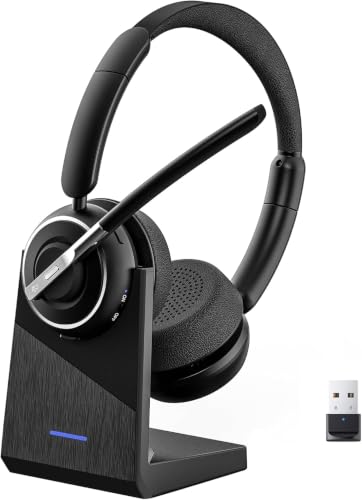
Best bluetooth headsets for work compared by type, microphone clarity, noise control, comfort, and battery life, so you can match a style to your workday.
Choosing a work headset feels confusing because the market mixes office gear, travel gear, and gaming gear under similar names. The best bluetooth headsets for work for you will depend on how much you talk versus listen, how noisy your workspace is, and whether you wear the headset for short calls or for most of the day. This guide compares the main types side by side so you can match a style to your workday.
Start with your most common task. A headset built for all day calls needs a different microphone, ear cushion, and battery than one built for focused listening between meetings. Check the product table for the picks, and the comparison table below for the main types at a glance, then read the type that fits your routine before you compare prices.



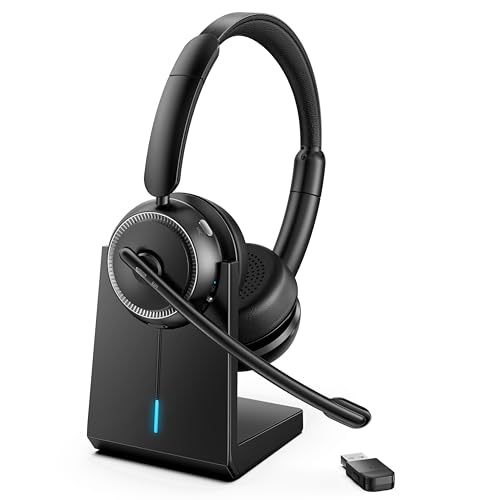
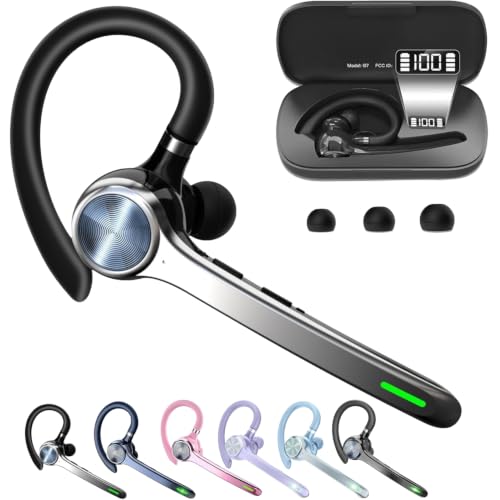
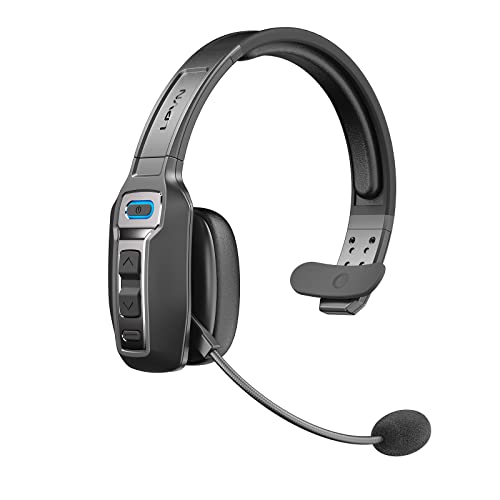
Types of Bluetooth Headsets Compared
| Type | Best For | Pros | Cons | Typical Price |
|---|---|---|---|---|
| Mono single ear | All day calls | Light, keeps one ear open | Less music immersion | About $30 to $120 |
| Over ear | Focus and long calls | Comfort, strong noise control | Bulkier to carry | About $50 to $250 |
| In ear earbuds | Travel and short calls | Tiny, pocket friendly | Shorter battery per charge | About $40 to $180 |
Mono Single Ear Models
A mono headset sits on one ear and leaves the other ear open to the room, which suits reception work, warehouse calls, and anyone who needs to hear colleagues between calls. The light weight keeps neck strain low across a long shift, and a boom microphone close to the mouth usually picks up speech more clearly than a microphone built into an earbud. The trade off is music quality, since sound comes through one side only, so mono models suit talk first buyers rather than music lovers.
Fit matters more than it first appears with a mono design. Check whether the ear hook or headband adjusts to your head, whether the ear tip size suits you, and whether you can swap the unit to the other ear. A mono headset that slips during a call will distract you far more than a small sound difference, so comfort on a long call should outrank extra features.
Over Ear Models
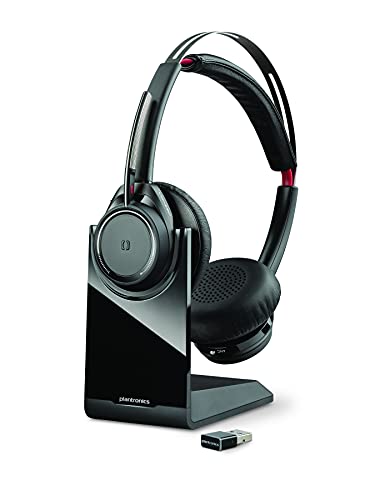
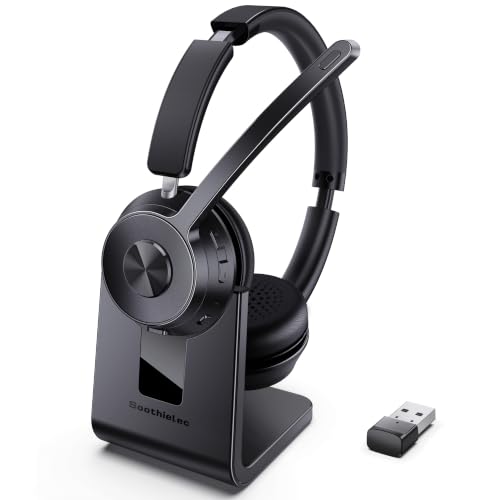
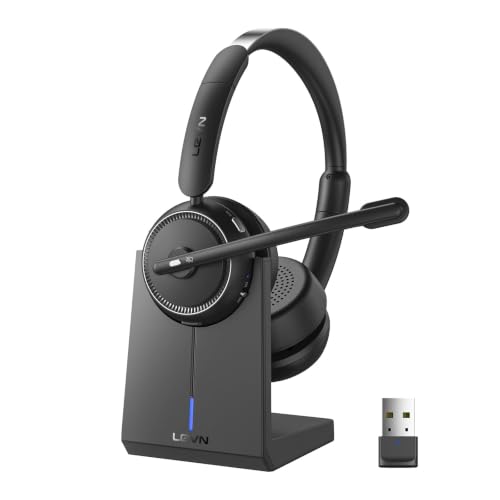
Over ear headsets cover the whole ear with a cushion, which helps on long calls and in noisy offices. The larger ear cups usually hold bigger drivers and bigger batteries, and they give noise cancelling room to work, so voices and music stay clearer at lower volume. The cost is bulk: over ear models take more desk and bag space, and they can feel warm during a long summer shift, so check cushion material and weight before you buy.
For desk based workers, an over ear model often doubles as a focus tool, since it signals to colleagues that you are on a call and blocks office chatter during deep work. Look for a microphone that mutes with a clear button press or a boom lift, because fumbling for a mute control mid call is a common frustration. A fold flat design helps if you carry the headset between home and office.
In Ear Earbud Models
In ear earbuds suit workers who travel light and take short calls between tasks. They slip into a pocket, pair fast, and work well for walking meetings and airport calls, and many include a charging case that tops the battery up several times. The compromise is microphone distance: a microphone in an earbud sits further from your mouth than a boom microphone, so callers may hear more room noise in a busy space.
Battery life needs a closer look with earbuds, because the per charge figure is much shorter than the total figure with the case. If your calls run back to back, check how long one charge lasts without returning to the case, and whether a short charge gives enough talk time for your next meeting. Ear tip fit also decides comfort and call clarity, so a set with several tip sizes is worth seeking out.
Single Ear vs Over Ear: Which Should You Choose?
Choose a single ear model when calls dominate your day and you need to stay aware of your surroundings. Choose an over ear model when you need focus, longer comfort, and stronger noise control for back to back meetings. Compare microphone style first, since a boom microphone usually beats a built in microphone for call clarity, then compare weight and cushion comfort.
Battery life breaks most remaining ties: a model that charges over lunch suits office workers, while a model that runs a full shift suits field workers. For a broader view of office audio, see our guide to the best headsets for work.
How to Choose the Right Bluetooth Headset
Features That Matter for Work
Work use creates specific needs that leisure listening does not. A clear microphone, a reliable mute control, and multipoint pairing for a phone and a laptop matter more than bass depth or flashy styling. Check that the headset pairs with your work apps and devices, that it reconnects quickly after a break, and that callers can hear you clearly in your actual workspace, not just in a quiet room. If call clarity is your top need, our guide to the best bluetooth headsets for calls focuses on microphone performance in detail.
Noise Cancellation and Isolation
Active noise cancelling cuts steady background hum from air conditioning, traffic, and office equipment, which helps you hear callers at lower volume. Passive isolation from snug ear cushions or well fitting ear tips helps too, and it costs nothing in battery life. Neither option removes sudden sounds such as a nearby conversation, so pair noise control with a good microphone that focuses on your voice. Keep volume moderate, and give your ears regular breaks during long call days.
Sound Quality and Tuning
For work, voice clarity beats music richness. A clear midrange keeps speech natural, while a tune with heavy bass can muddy voices and tire your ears over a long day. Driver size gives a rough hint of sound capability, but tuning and fit matter more, so look for adjustable sound settings in the companion app if you switch between calls and music. Workers who also game after hours can compare best bluetooth gaming headsets for a dual purpose setup.
Durability and Water Resistance (IP Rating)
An IP rating tells you how well a headset resists dust and water, and it matters most for field, warehouse, and travel use. A rating such as IPX4 covers splashes and light rain, while IP67 covers dust and brief immersion for tougher outdoor work. Desk workers can weigh build quality and hinge strength more heavily than water sealing, but everyone benefits from a sturdy case and a replaceable ear cushion or tip set. Quality focused buyers can read our guide to the best quality bluetooth headsets for higher end build and sound.
How to Make Your Bluetooth Headset Last Longer
Simple habits extend headset life more than any single feature. Keep firmware updated, store the headset in a case to protect the drivers, and clean ear tips and pads regularly so sweat and dust do not dull sound or irritate skin. Charge before the battery runs fully flat, avoid leaving the headset in a hot car, and replace worn cushions or tips promptly, since worn parts change both comfort and sound. Check the charging port for dust now and then, and use the maker cable when you can.
Bluetooth Headsets: Your Questions Answered
What features matter most in bluetooth headsets for work?
Microphone clarity, a reliable mute control, and all day comfort matter most for work headsets. Multipoint pairing for a phone and a laptop comes next, followed by battery life that covers your longest call stretch without a recharge. Noise control and sound tuning matter too, but they should not outrank call clarity and comfort, since a headset that tires your ears or confuses callers will frustrate you daily, no matter how good its music sounds.
How long does the battery last?
Talk time usually runs shorter than music playback time, because the microphone and wireless link draw more power during calls. Over ear models often run longest, mono models sit in the middle, and earbuds give the shortest single charge, though a charging case extends their total time. For back to back meetings, look for a talk time figure above your longest call block, and check quick charge claims, since a short charge before a meeting can rescue a busy afternoon.
Do I need a special codec?
No, you do not need a special codec for work calls, because call audio is already compressed by phone and meeting apps. A higher quality codec can improve music between calls, but the gain is small in a noisy office, and it only helps when your phone or computer supports the same codec. Focus first on microphone clarity, comfort, and connection stability, and treat codec support as a bonus for music listening rather than a deciding factor for work.
Is ANC worth the extra cost?
Active noise cancelling is worth paying for if you work in a noisy office, travel often, or take calls near steady background hum. It lets you hear callers at lower volume, which is kinder to your hearing across a long day. If you work in a quiet home office and take short calls, good passive isolation from snug cushions or tips may be enough, and the money saved can go toward better comfort or a longer battery. Keep volume moderate either way.
Wired or wireless: which sounds better?
A wired link can sound slightly cleaner and never drops, which suits desk bound calls that cannot afford a glitch. Wireless wins on freedom of movement, since you can stand, pace, and fetch documents during a call without a cable tugging at your head. For most workers, wireless convenience outweighs the small sound difference. Choose the style that fits how you move during your workday.
Wrapping Up
Match the type to your workday: mono for talk heavy days, over ear for focus and long calls, and earbuds for travel and short calls. Then weigh microphone clarity, mute control, comfort, and battery life before you compare prices, since those factors decide whether it helps or hinders you daily. Use the product table to compare the picks before you order. The best bluetooth headsets for work for you is the one you can wear comfortably all day, mute without thinking, and trust on every call.
Keep volume moderate, take listening breaks, and follow local rules on headset use while driving or operating equipment.