Best Bluetooth Headsets for Calls in 2026: Which Type Is Right for You?
Disclosure: We may earn a commission when you buy through links on this page, at no extra cost to you. As an Amazon Associate I earn from qualifying purchases. Learn more

Compare the best bluetooth headsets for calls by type, with pros, cons, ideal users, and typical prices, to choose the right style.
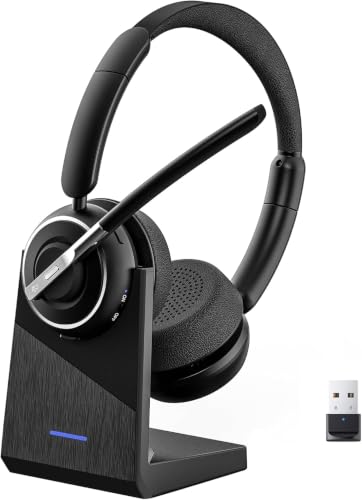
Call headsets look similar in photos, yet they split into three quite different types, and the wrong type annoys you every single day. One leaves an ear open for the room around you, one seals both ears so you can hear every word, and one slips into a pocket between calls. Choosing the best bluetooth headsets for calls starts with that shape decision, because it decides comfort, awareness, and how natural your voice sounds to the people listening.
One point matters more than any other in this guide: the microphone decides call quality. A caller forgives a slightly plain sound in their ear, but they hang up on a voice that fades, crackles, or drowns in office noise. The product table shows current picks, the comparison table below sets the three types side by side, and the sections after it explain the features that separate a good call tool from a music headset borrowed for the job.



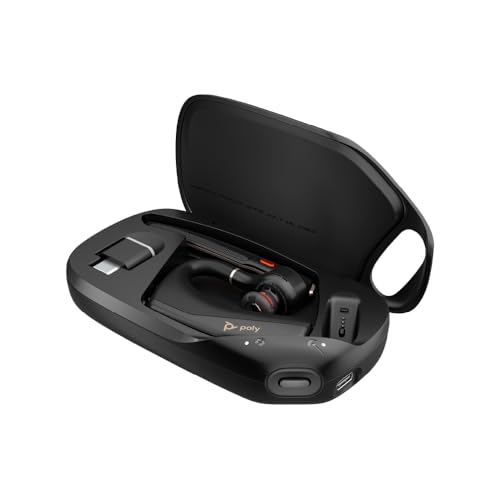
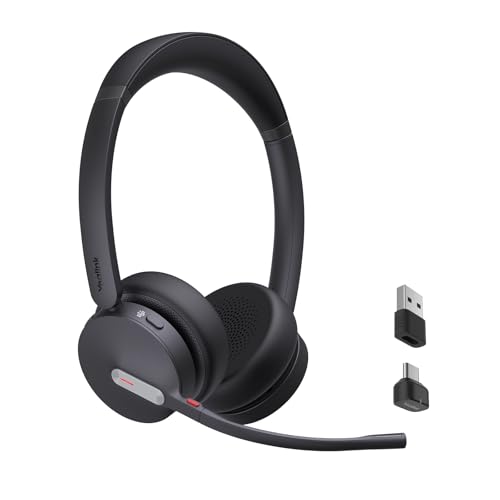
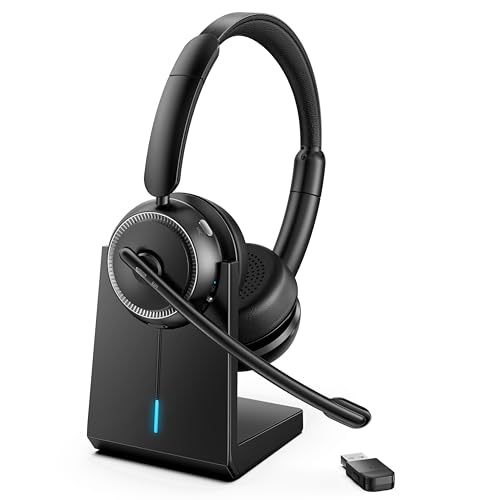
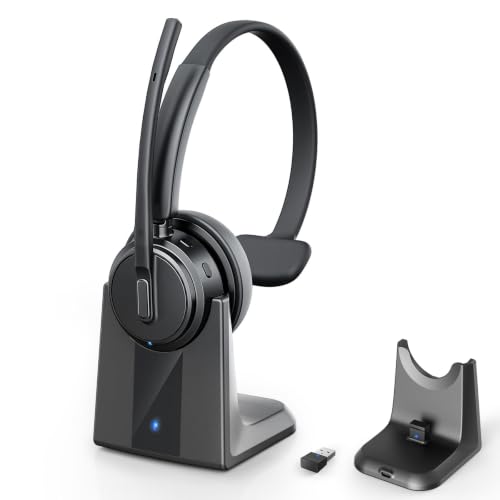


Types of Bluetooth Headsets Compared
The wider family covered by guides to best headsets for calls includes wired desk models as well. Everything below is wireless, so the comparison turns on ear coverage, microphone design, and how long the headset stays on your head each day.
| Type | Best For | Pros | Cons | Typical Price |
|---|---|---|---|---|
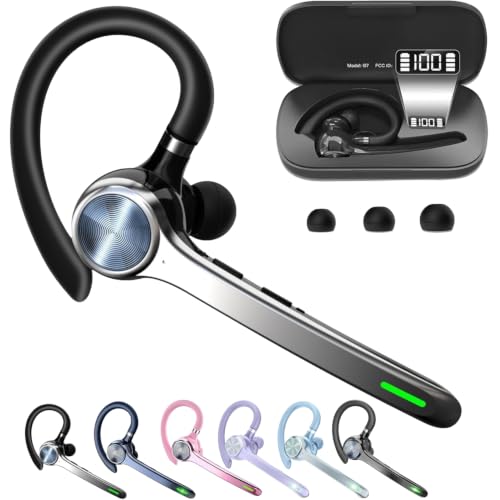
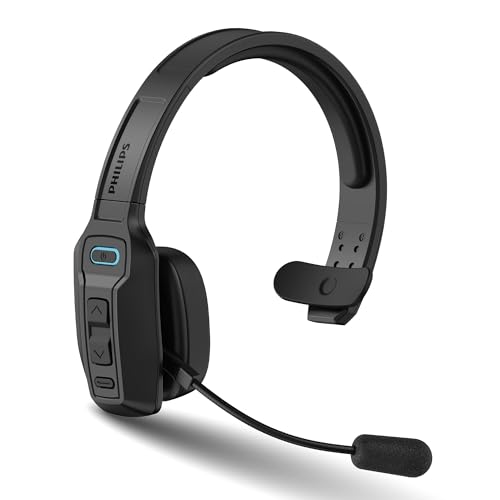
| Mono single ear | Drivers, front desks, anyone who must hear the room | One ear stays open, light, quick to put on | Less help in loud rooms, sound in one ear only | About $30 to $80 |
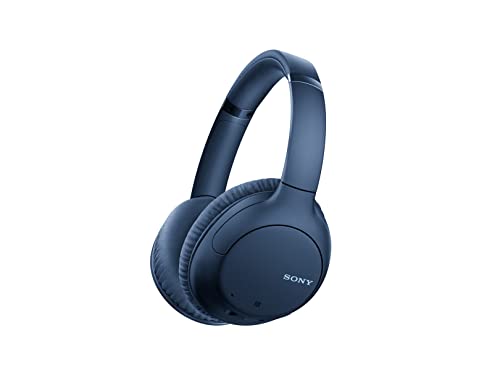
| Dual ear over ear | Office and home workers on calls for hours | Both ears covered, strong focus, padded comfort | Bulkier, warmer in summer, needs desk space | About $80 to $250 |
| In ear buds | Travelers and light callers who value pocket size | Tiny, discreet, charging case adds battery | Microphone sits far from the mouth, fit varies | About $50 to $200 |
Mono Single Ear Headsets: One Ear Free
The mono class wears on one ear and leaves the other open to the room. That open ear is the whole point: you hear the doorbell, a colleague's question, and traffic around you while a call runs. Most mono designs carry a proper boom that reaches toward your mouth, and that short distance is why callers usually hear this class clearly. For people whose calls interrupt other work all day, this is the natural shape.
The limits show up in noise. With one ear uncovered, a loud office or a busy street competes with the voice in your ear, and turning up the volume only helps so far. Mono sound also feels thin for music or video between calls. If your calls happen in quiet rooms and awareness matters, mono wins; if your room is loud, read on.
Dual Ear Over Ear Headsets: Both Ears Covered
Dual ear headsets cover both ears with padded cups, and they are the workhorses of call heavy jobs. Covering both ears lowers the room around you, so you catch quiet speech without straining, and a boom microphone keeps your own voice consistent. Padding spreads the pressure, which is what makes four hours of wear realistic. This class is the default choice for a fixed desk and a full day of meetings.
The costs are bulk and warmth. A dual ear headset is a visible piece of desk equipment, it flattens hair, and in a warm room the cups grow hot by mid afternoon. It also shuts out the room, which some households and offices count as a drawback rather than a feature. Storage needs a hook or a corner of the desk, since this class does not fold into a pocket.
In Ear Buds: The Pocket Sized Option
Buds trade the boom for size. The microphone sits in the earpiece or on a short stem, far from your mouth, so your voice competes with room noise in a way a boom design avoids. Modern processing cleans up a surprising amount of that gap in quiet rooms. For a few calls a day between other tasks, many people accept the trade happily.
Where buds shine is everything around the calls. They vanish into a pocket, the case tops up the battery between uses, and they serve music and travel without a second device. Fit is the gamble: ears differ, and a bud that seals poorly sounds poor and works loose. If your call load is light and your bag space is smaller, this class earns its place among the picks in the table.
Single Ear or Both Ears: A Direct Comparison
Awareness is the first dividing line. A mono headset keeps you present in the room, which suits drivers within local rules, reception desks, warehouses, and parents working at home. A dual ear headset does the opposite on purpose: it builds a small quiet space so concentration survives a noisy household or an open plan office. Neither answer is better in general; each matches a different room.
Hearing the caller splits the same way. In a quiet room both classes do the job, but in a loud room the covered ears of the dual class win clearly. Comfort over time depends on the person: some dislike weight on one ear all day, others dislike warm cups on both. If you can, borrow each style for a day before deciding, because your own ears settle this question faster than any specification list.
How to Choose the Right Bluetooth Headset
Microphone Quality Decides How You Sound
A boom microphone is the honest call tool. Placed a short distance from your mouth, it picks up your voice strongly and the room weakly, so callers hear you instead of your keyboard. Bud microphones sit far away and lean on software to separate voice from noise, which works until wind, traffic, or a café crowd defeats it. When a listing talks about call quality, look for what the microphone does to background sound, not only how the earpiece plays audio.
Voice focused noise reduction deserves the attention that music features usually steal. It samples the room and trims steady noise from your speech before sending it. Try any new headset by leaving yourself a voicemail from your noisiest room; that one recording tells you more than a page of claims. People whose days run on the phone often settle the question through guides to best bluetooth headsets for phone calls, where microphone design leads every comparison.
Comfort, Fit, and Weight
A call headset is worn, not held, so small comfort details compound over a shift. Look at where the weight rests: an ear hook, a headband, or the ear canal itself. Padding quality and clamping force decide whether hour four feels like hour one. Staff who wear a headset for a full working day, the pattern covered in guides to best call center headsets, tend to favor light frames and replaceable pads, because pads wear out long before the electronics do.
Fit also protects sound. A dual ear cup that seals poorly leaks your caller's voice out and lets room noise in, and a bud that sits loose sounds thin at both ends of the call. Many headsets include several tip or cushion sizes; use them. Ten minutes spent on fit at the start saves weeks of small irritation.
Battery Life and Charging
Talk time is the figure that matters, and every maker's talk time figure comes from quiet conditions at moderate volume, so treat it as a comparison tool rather than a promise for your busiest day. A headset rated for a full workday of talk time usually delivers it in practice, while one rated for a few hours suits light callers only. Buds quote two numbers: the hours in the buds and the extra charges stored in the case.
Charging habits decide real world reliability. A headset that charges over a common cable and tops up quickly forgives a forgotten evening charge. Desk stands that charge while the headset rests on them remove the habit problem entirely for dual ear models. Whatever the class, a flat battery at the start of a call block is the most common failure in this category, and it is a routine problem, not a product problem.
Noise Cancellation and Isolation
Two different features hide under similar names. Cancellation in the earpiece reduces the noise you hear, which helps you catch quiet callers in loud rooms. Reduction at the microphone reduces the noise your callers hear, which is usually the more valuable half for calls. Passive isolation is simpler: cups or sealed tips block sound physically, with no battery cost and no processing.
Match the feature to your room. A home worker with a barking dog nearby needs microphone reduction most. An office worker surrounded by other voices needs ear coverage or cancellation most. Paying for strong cancellation while your microphone sends the whole room to your callers solves only half the problem, and it is the half your callers never notice.
Connections, Multipoint, and Range
Most call headsets connect to a phone and a computer at once, a feature called multipoint. It lets a call on either device reach the same headset without repairing, which suits people who move between desk meetings and mobile calls all day. Workers whose meetings run through a laptop all morning often compare options through best bluetooth headsets for conference calls, where that two device behavior is the deciding feature.
Range figures on the box are open air figures; walls, floors, and metal shelving shorten them sharply in real buildings. A small USB receiver supplied with many office headsets often holds a steadier link to a computer than the computer's own radio, and it frees the connection from pairing menus. For a fixed desk, that receiver is worth more than a longer headline range.
Choosing Bluetooth Headsets for Your Situation
Bluetooth Headsets for Calls and Music
Calls and music pull a headset in different directions, and this heading names the compromise directly. Music wants both ears, a fuller low end, and a tuning that flatters recordings; calls want a boom, clear midrange voices, and controls you can find without looking. If music matters, choose the dual ear class and accept the bulk, because mono sound and most buds serve music poorly. Check that the boom swings away or detaches, so the headset looks and feels normal when the workday ends.
Tips to Get the Most From Your Bluetooth Headset
Keep the firmware updated, because call audio fixes and microphone improvements often arrive as updates rather than new models. Store the headset in its case or on its stand; drivers and booms suffer most from being loose in a bag. Clean ear tips and pads regularly, since wax and skin oil dull both comfort and sound. Shoppers who wonder what separates a lasting purchase from a short lived one will find the build and warranty side of the question covered under best quality bluetooth headsets, which is a useful last read before ordering.
Frequently Asked Questions
What features matter most in Bluetooth headsets for calls?
The microphone matters most, ahead of every other feature. A boom that sits near your mouth, voice focused noise reduction, and enough battery for your longest call block decide whether callers hear you clearly. After those, fit decides whether you keep the headset on all day. Leave yourself a voicemail from your loudest room before the return window closes; that recording is the truest measure of any headset you are judging.
Do Bluetooth headsets for calls need a special codec?
No, calls do not need a special codec, because phone and meeting audio travels through the call profile that every Bluetooth headset supports. Music codecs differ between models and affect recordings, but your voice on a call is limited by the call channel itself, not by the music specification. What matters instead is that your phone and computer both pair cleanly. If one device sounds far worse than the other, the pairing, not the codec, is the place to look.
How long does the battery last on a Bluetooth headset for calls?
Battery life depends on the class: mono headsets commonly run a full workday of talk time, dual ear models often run longer, and buds run a few hours before returning to their case. Treat the printed figure as a best case figure and expect less at high volume. The case changes the maths for buds, since two or three case charges can carry a light caller through a week. A stand or cable habit at your desk removes most battery worry entirely.
Is active noise cancellation worth paying for on call headsets?
Active noise cancellation is worth paying for when your room is loud and your callers speak quietly. It lowers steady sounds like fans, engines, and office hum in your ears, so you strain less to follow speech. It does little for the noise your own callers hear; that is the microphone's job. If your room is already quiet, sealed cups or tips give most of the benefit for less money and no extra charging.
Wired or wireless: which sounds better for calls?
For calls, the honest answer is that a good boom matters more than the wire. A wired headset removes pairing and battery concerns and can sound marginally cleaner at the same price, but it ties you to the desk and tangles with chair arms. Wireless models with strong microphones match them for voice clarity in most rooms. Choose the wire only if you never leave the desk during calls and dislike charging anything.
What IP rating do Bluetooth headsets for calls need for outdoor use?
An IP rating describes how a headset survives water and dust, and a splash resistant rating is enough for walking calls in light rain. Higher ratings suit genuinely wet work but say nothing about call quality. Wind is the real outdoor problem, and no rating covers it; a boom with a foam cover handles breeze better than any sealed bud. Check that the rating applies to the whole headset, not only the charging case.
Final Thoughts on the Best Bluetooth Headsets for Calls
Decide the shape first, then judge the microphone, then check that the battery covers your longest day. Mono keeps you aware of the room, dual ear cups protect your concentration, and buds protect your pocket space. The comparison table above puts typical prices beside those trades, so the choice stays grounded in what each class actually costs.
Whichever type fits your room and routine, the best bluetooth headsets for calls are the ones your callers praise without knowing why: a clear voice, hour after hour, with nothing to fiddle with in between.