Best Bluetooth Headsets with Microphone for 2026
Disclosure: We may earn a commission when you buy through links on this page, at no extra cost to you. As an Amazon Associate I earn from qualifying purchases. Learn more
Best bluetooth headsets with microphone compared by type, fit, noise control and battery life, for callers who want clear calls all day.
Shopping for best bluetooth headsets with microphone can feel confusing because the same broad label covers office headsets, sporty earbuds, trucker headsets and gaming models. Each type handles calls, background noise and comfort in a different way, so the right choice depends on where you talk most and how long you wear a headset each day. The comparison table below gives a quick side by side view before the detail that follows.
This guide compares the main types on their own terms. You will learn how microphone placement affects call clarity, why noise control matters more in some settings than others, and which trade offs are worth accepting for your budget. By the end, you should be able to narrow the field to one type and a short list of features that matter for your routine.
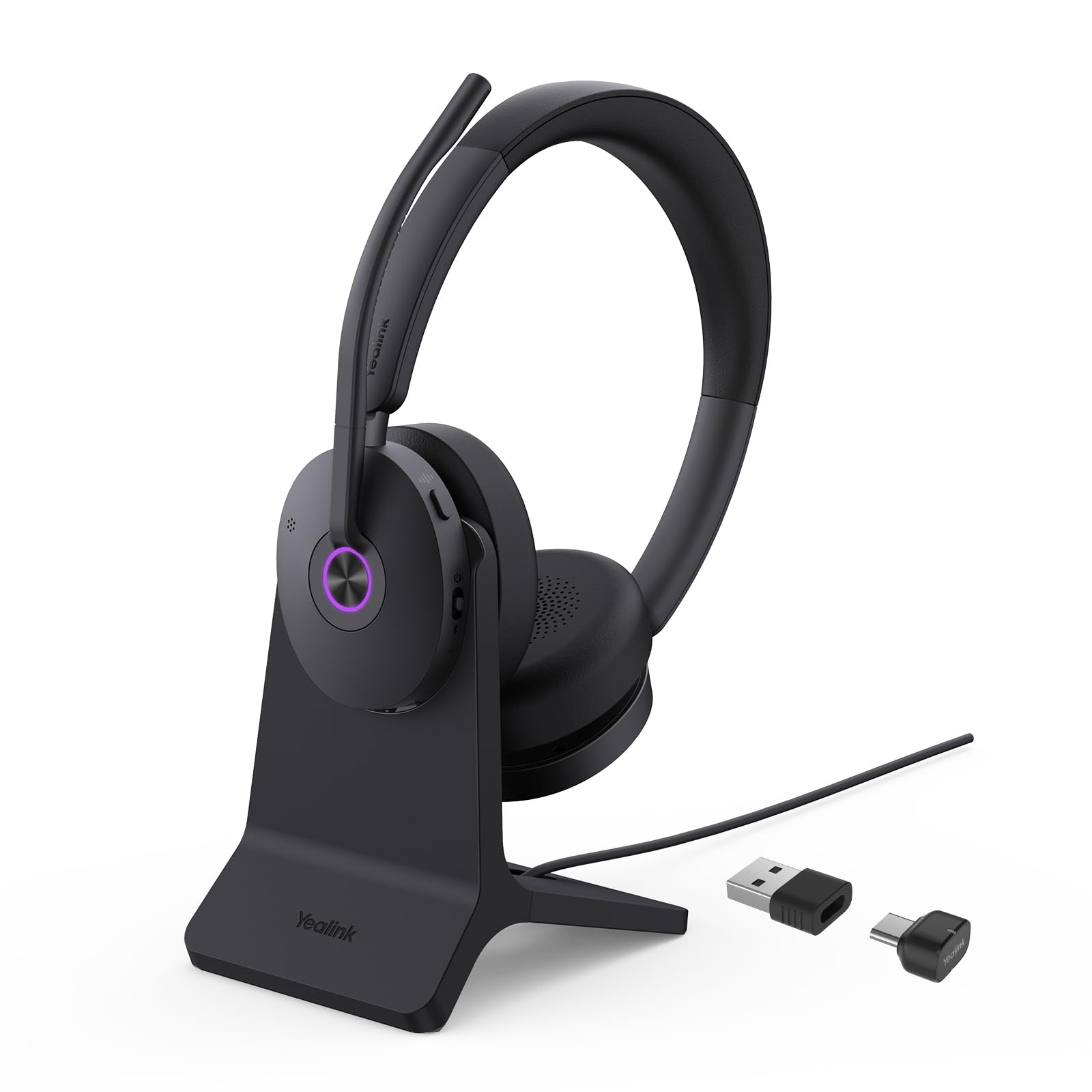
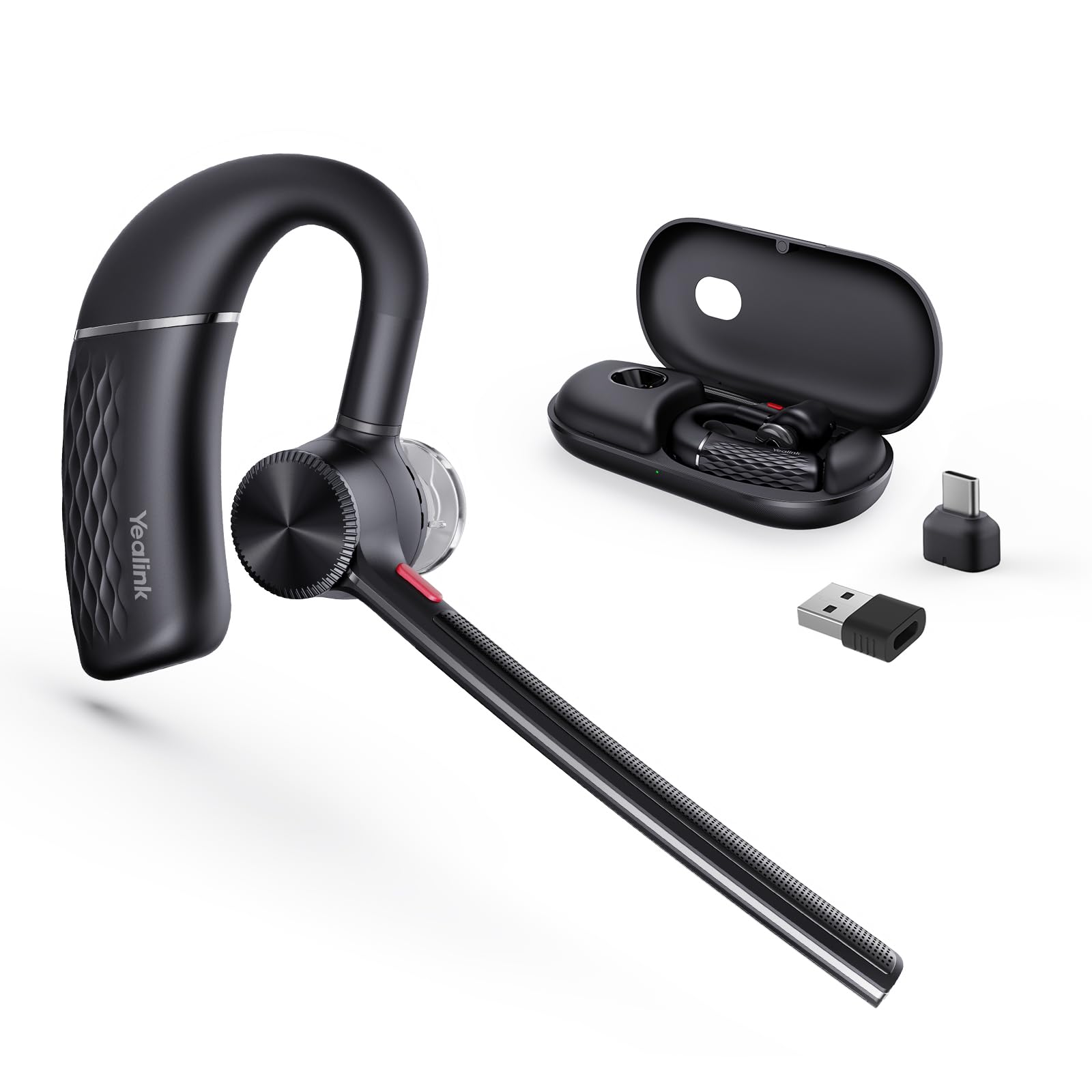
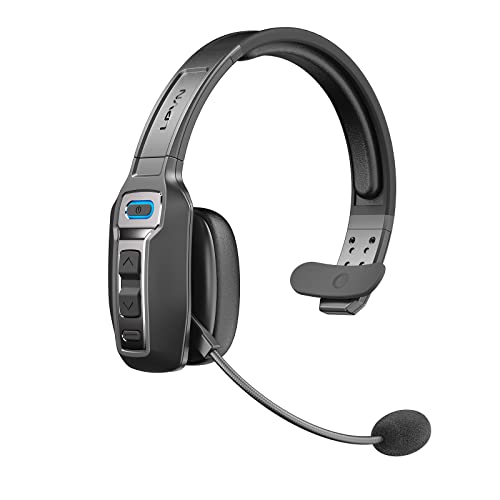

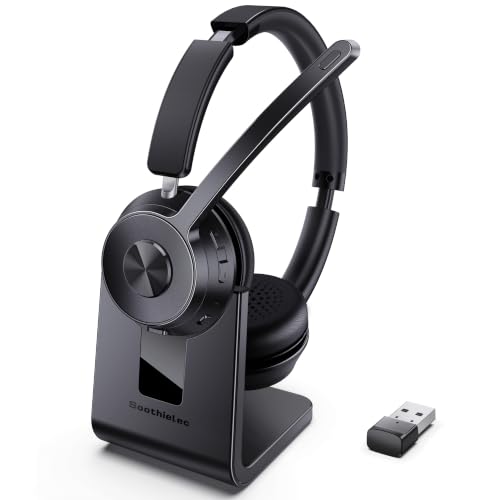
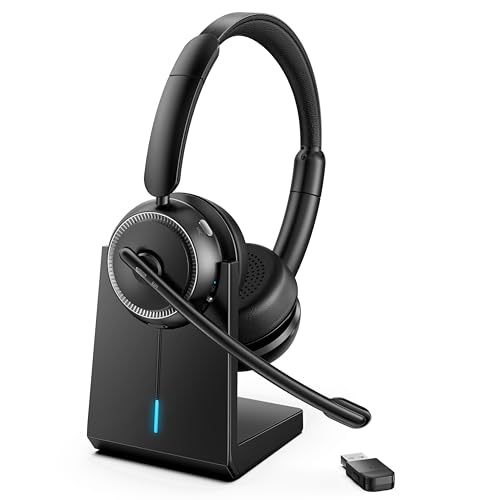
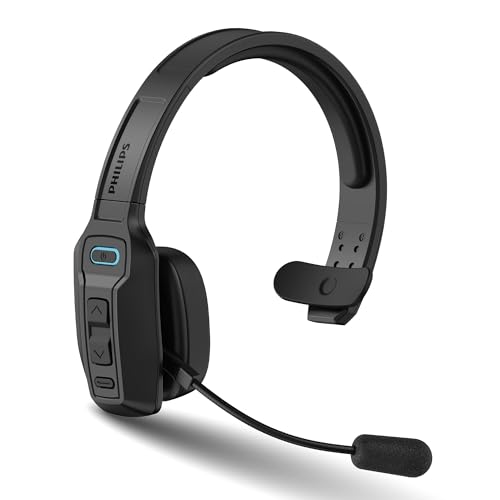

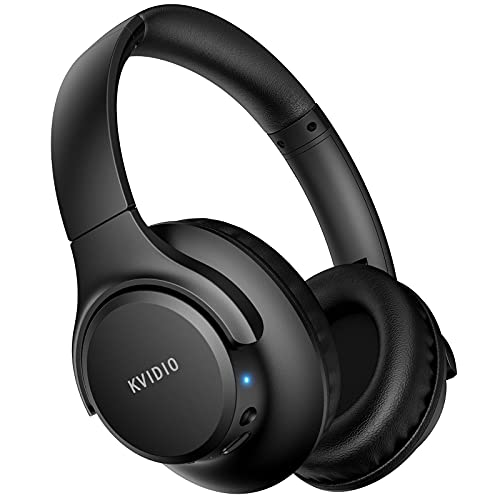
Types of Bluetooth Headsets with Microphone Compared
Start with the shape and the job, not with a single specification. A headset that sounds excellent in a quiet room can struggle on a busy street, while a model built for calls may feel plain for music. The table below sets out the main types so you can see the balance each one strikes.
| Type | Best For | Strengths | Limits | Typical Price |
|---|---|---|---|---|
| Noise cancelling models | Offices and travel | Quieter background, clearer calls | Higher price, larger case | around $80 to $250 |
| Office and trucker headsets | Long calls and meetings | Boom or focused mic, mute button, long battery | Single ear styles are less suited to music | around $30 to $200 |
| Wireless earbuds and on ear models | Everyday calls and music | Freedom to move, easy pairing | Battery limits, occasional dropouts | around $20 to $200 |
| Gaming models | Voice chat and long play sessions | Clear voice pickup, roomy fit | Bulkier look for office use | around $50 to $220 |
Noise Cancelling Models
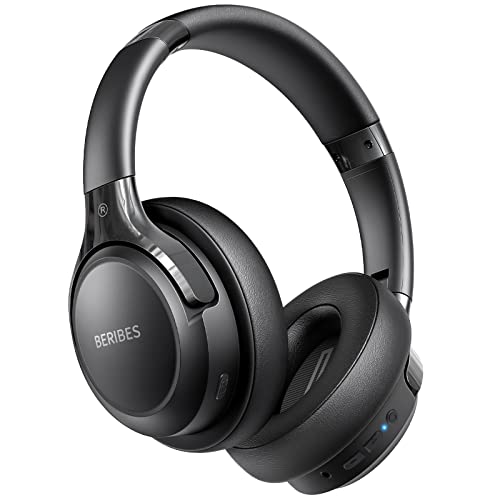
Noise cancelling models use microphones and processing to lower steady background sound, such as office chatter, fan noise or engine hum. That can make your voice easier to hear on a call, because the system has less competing sound to sort through. They suit people who take calls in shared spaces, on trains or near busy roads.
The trade off is size and price. Active systems need power and extra parts, so these models often cost more and come with a larger charging case or headband. Some listeners also notice a faint pressure feeling when cancellation is strong, so try a lower setting first if the effect feels odd. For quiet home use, the extra cost may add little.
Office and Trucker Headsets
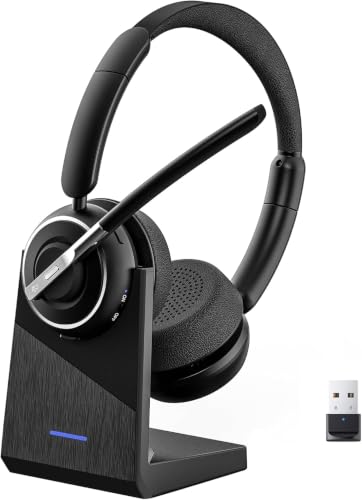
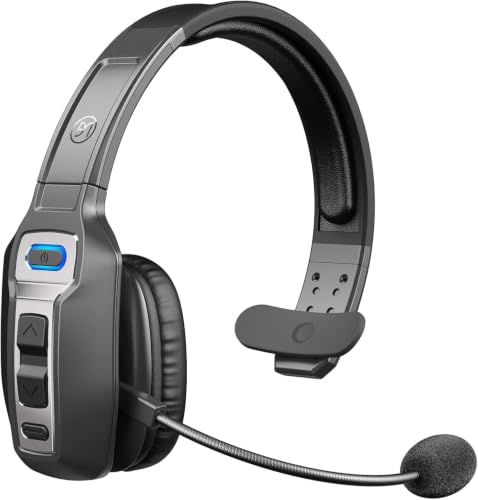
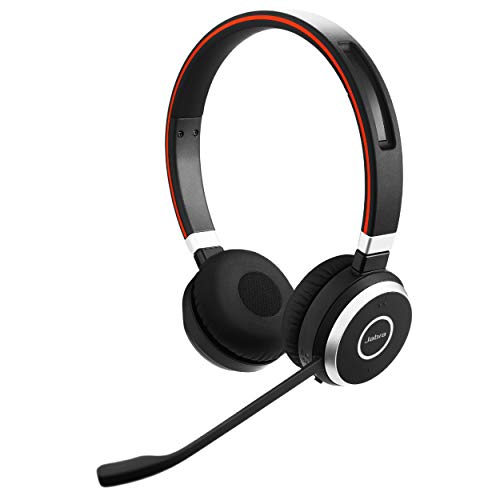
Office and trucker headsets are built around the call. They often pair a boom or focused microphone with a mute button, and many offer multipoint pairing so you can connect a phone and a laptop at once. Battery claims are often long, with many models listing 35 to 65 hours of talk time, so you can go days between charges.
The limit is that some are single ear or mono designs, which suit calls better than music. A USB dongle or charging stand may also be part of the setup, so check what is included. Choose this type when call clarity and long wear matter more than portability or sound tuning.
Wireless Earbuds and On Ear Models
Wireless Bluetooth models are the most flexible choice for everyday use. You can walk to another room, answer a call without reaching for your phone and switch between music and calls with one control. Modern Bluetooth versions pair quickly and hold a connection well at ordinary indoor distances, though walls and interference can still shorten the range.
Battery life is the point to check first. Small earbuds may offer only a few hours per charge, with extra charges from the case, while larger on ear models often last much longer. Look at total listening time, charging time and whether a short charge gives enough power for one more call. A comfortable fit matters just as much, since a loose earbud can slip during a long conversation.
Gaming Models
Gaming models put voice chat first. They usually carry a boom microphone close to the mouth, which helps teammates hear you clearly even when game sound is loud. Cushioned ear cups and a sturdy headband suit long sessions, and many models include a mute control you can reach without looking. See our guide to the best bluetooth gaming headsets if voice chat is your main use.
That focus brings a bulkier look that may feel out of place in an office or on a video call at work. Some gaming models also favour game sound over balanced music, so check the tuning if you plan to use one headset for both. For pure phone calls, a slimmer office style model is often easier to wear all day.
Noise Cancelling Models vs Office Headsets: Which Should You Choose?
Choose a noise cancelling model when background sound is your biggest problem. It lowers the noise your caller hears and helps you focus in a shared office, on public transport or in a noisy home. The cost is higher, and you must remember to charge it, but the calmer call experience is often worth it for frequent callers.
Choose an office or trucker headset when call clarity, battery life and price matter more than music. You get a focused microphone, a quick mute control and usually a lower price for similar call quality. If you move around a lot, listen to music often or take calls outdoors, a noise cancelling model with a closer fit will serve you better.
How to Choose the Best Bluetooth Headsets with Microphone
Once you have picked a type, compare features in the order that affects your day. Fit and microphone clarity come first for callers, followed by noise control, sound tuning and battery life. A model that scores well on paper but hurts after an hour will not stay in use for long.
Durability and Water Resistance
Durability starts with the parts that move and bend: hinges, headband joints, cables and charging ports. Look for a solid hinge, a sturdy charging port, and ear pads you can replace when they wear out. For outdoor use, check the water resistance rating. An IPX4 rating handles sweat and light rain, while an IP67 rating covers brief immersion, though neither rating makes a headset suitable for swimming.
Noise Cancellation and Isolation
Noise cancellation and passive isolation do different jobs. Isolation comes from a snug seal that blocks sound physically, while active cancellation reduces steady noise electronically. Earbuds with a good tip seal can isolate well without any processing, which helps in an office. Active cancellation adds more help against constant hum, but it does less against sudden sharp sounds such as a door slam.
Why Choose a Bluetooth Headset With Microphone
A built in microphone frees both hands and keeps your voice close to the pickup point, which usually beats shouting toward a phone on a desk. That matters for people who take notes, cook or walk while talking. The best bluetooth headsets with microphone keep that pickup point steady while you move. See our guide to the best headsets with microphone for a broader look at microphone styles across wired and wireless designs.
The limit is that small microphones pick up wind and room echo more easily than a boom microphone. If you call outdoors often, look for wind reduction and a microphone placed near the mouth rather than tucked behind the ear. For quiet indoor calls, almost any modern microphone will do, and sound tuning becomes the bigger difference.
Sound Quality and Tuning
Sound quality depends on driver size, frequency response and tuning, but numbers alone do not tell the whole story. Larger drivers can give deeper bass, while a balanced tuning keeps voices clear and music natural. If you listen to a lot of spoken content, favour clarity in the mid range over heavy bass. See our guide to the best quality bluetooth headsets when sound quality is your top priority.
Codecs matter less than many buyers expect. A modern codec can improve sound over Bluetooth, but only when your phone supports it too, and the difference is small next to fit and tuning. Check codec support as a bonus, not as the deciding factor. Multipoint pairing, by contrast, is a daily convenience worth paying for if you switch between a phone and a laptop.
Tips to Get the Most From Your Bluetooth Headset
Keep firmware updated, since updates often fix connection glitches and improve microphone behaviour. Store the headset in a case to protect drivers and hinges, and clean ear tips and pads regularly so the seal stays snug and sound stays clear. Charge the battery before it runs flat on a regular basis, and avoid leaving a headset in a hot car, where heat can shorten battery life.
Keep the volume moderate, especially with in ear models, and take a short break after a long call or listening session. If you have concerns about your hearing, ask your doctor. See our guide to the best bluetooth headsets for calls for call focused options with clear microphone placement.
Frequently Asked Questions
Is ANC worth the extra cost for a Bluetooth headset with microphone?
ANC is worth the extra cost when you take calls in noisy places such as shared offices, airports or busy streets. It lowers steady background sound for both you and your caller, which makes conversations easier and less tiring. In a quiet home, the benefit is smaller, so a well fitting model without ANC may serve you just as well for less money. Try ANC at a low setting first, since a strong setting can feel strange to some listeners.
Do Bluetooth headsets sound as good as wired ones for calls?
For ordinary indoor calls, a modern Bluetooth headset can sound just as clear as a wired one, and it adds freedom to move while talking. Wireless models depend on battery and a stable connection, so charge before long meetings. The bigger difference is microphone placement and fit, not the connection type alone. A Bluetooth model with a microphone near your mouth often beats any headset whose microphone sits far from your voice.
How long does the battery last on a wireless Bluetooth headset?
Battery life varies widely by size and use. Small earbuds often give about 5 to 8 hours per charge, with extra charges from the case bringing the total to about 20 to 30 hours. Larger on ear and office models often reach 30 to 60 hours on one charge. Noise cancellation, high volume and long calls all shorten those figures, so treat published times as a best case guide and check charging time for a quick top up.
What IP rating do I need for outdoor use?
For outdoor use, an IPX4 rating is usually enough, since it covers sweat and light rain during walks or workouts. An IPX5 rating adds protection against water jets, which helps in heavier rain. An IP67 rating covers brief immersion, but it does not make a headset suitable for swimming or for use in a shower. Check the rating for the headset itself, not just the case, and dry the headset before charging if it gets wet.
Do I need a special codec for a Bluetooth headset with microphone?
You do not need a special codec for clear calls, since voice calls use far less bandwidth than music. A codec such as AAC or aptX can improve music quality, but only when your phone supports the same codec. Fit, microphone placement and tuning affect everyday sound far more than codec choice. Choose a codec as a bonus feature, and put fit and call clarity first when you compare models.
Final Thoughts
The best type is the one that fits your noisiest calling spot and your longest wearing day. Noise cancelling models suit busy spaces, office and trucker headsets suit long calls, wireless earbuds and on ear models suit everyday freedom, and gaming models suit voice chat. Compare fit, microphone placement and battery life before you compare price, and use the product table to check your short list side by side.
If you take calls all day, favour comfort and microphone clarity over extra features you will rarely use. If you listen more than you talk, favour tuning and battery life instead. Whichever type you choose, best bluetooth headsets with microphone should feel easy to wear, simple to control and clear on both ends of the call.