
Best Blue Shop Towels for 2026: A Buying Guide for Garages and Workshops
Disclosure: We may earn a commission when you buy through links on this page, at no extra cost to you. As an Amazon Associate I earn from qualifying purchases. Learn more

Compare blue shop towels by absorbency, wet strength, lint level, sheet size and format so you can pick the right roll, box or cloth pack for your shop.
A spill in a workshop is rarely just water. It is engine oil on concrete, grease on your hands, coolant under a hose, or grime on a part. The best blue shop towels handle all of that without falling apart, even when you reach for a fresh sheet many times a day.
This guide explains how blue shop towels differ by material, format, absorbency, strength when wet, and lint level, so you can match the towel to the work. Use the comparison table below to check sheet size, count, and format.
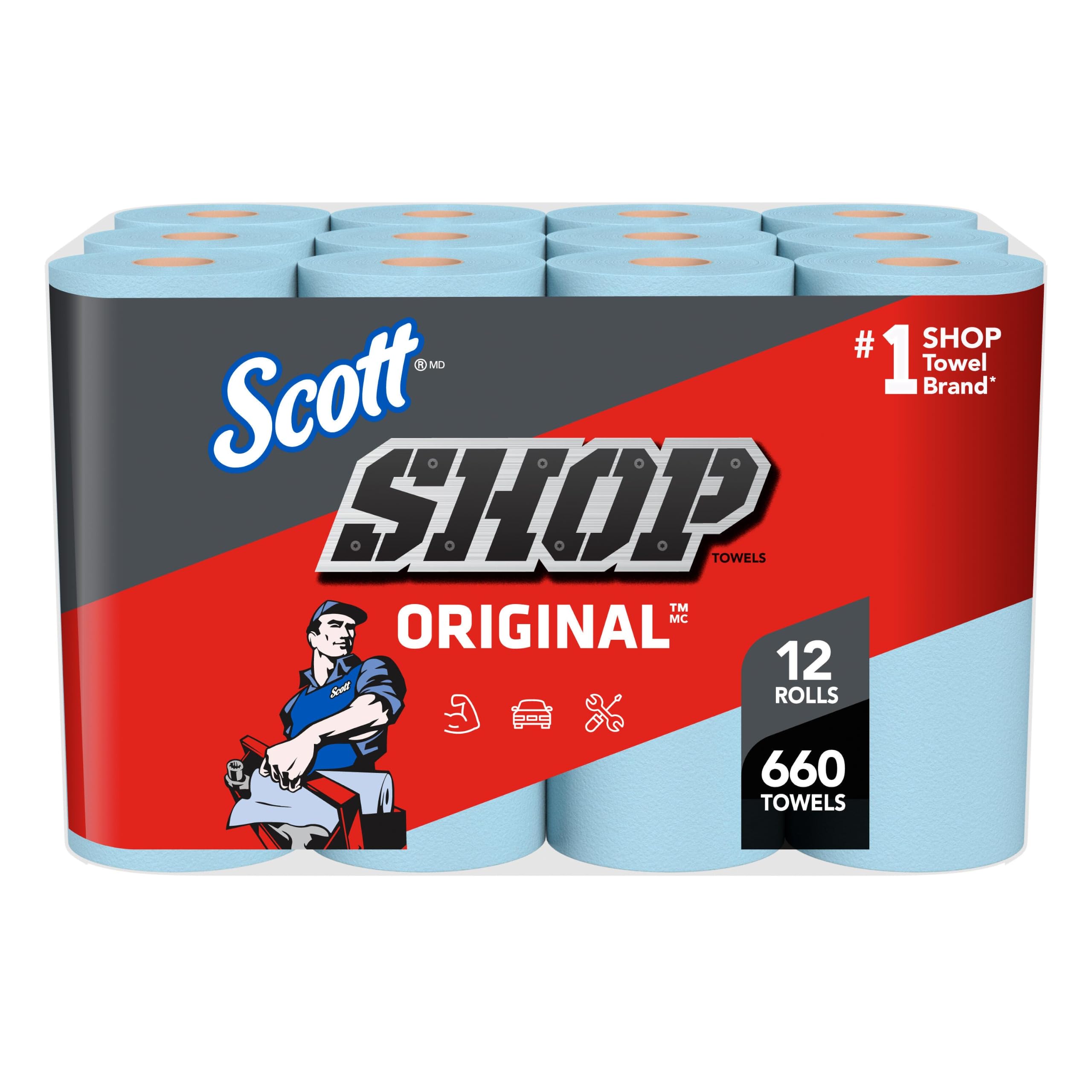


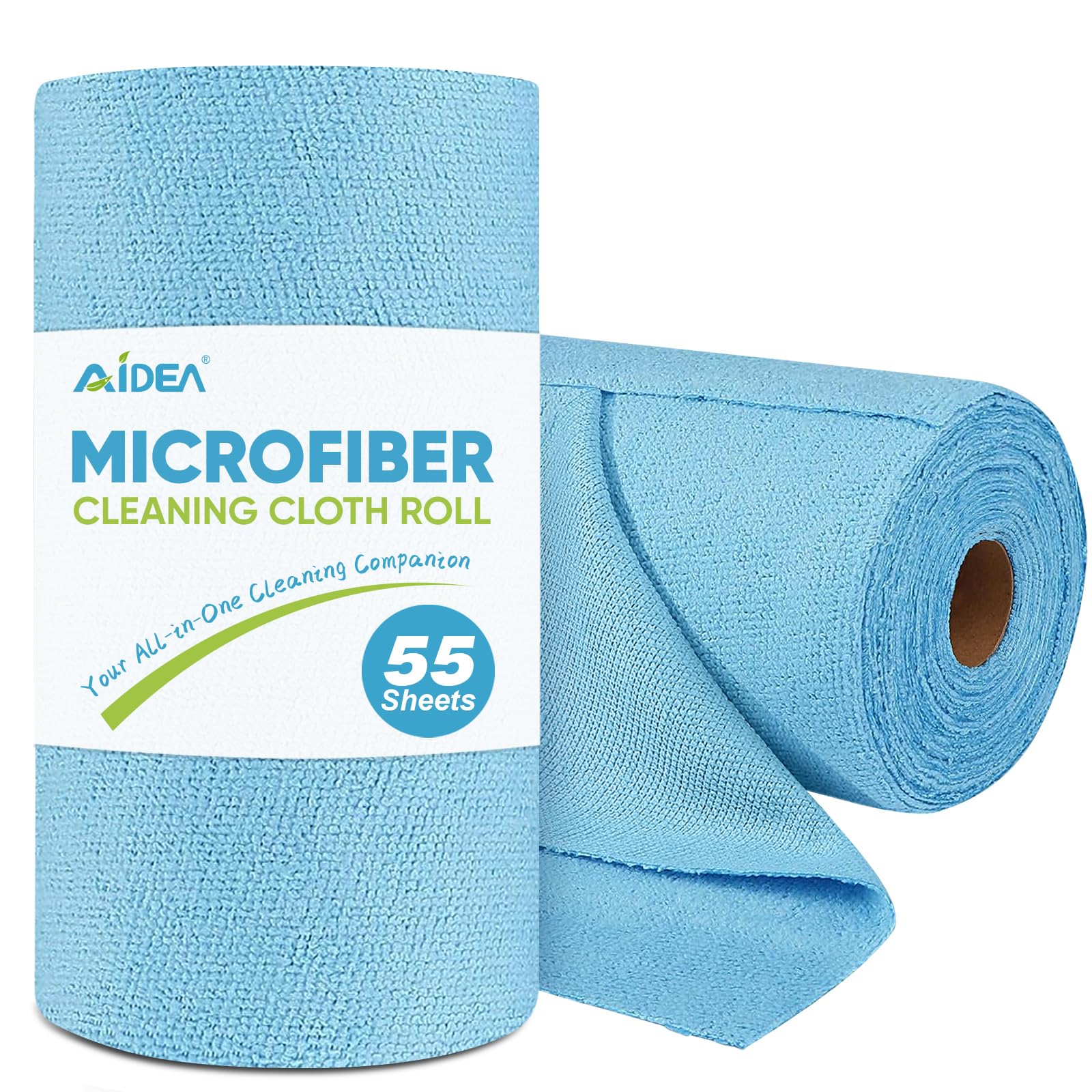

Who Should Buy Blue Shop Towels?
Blue shop towels suit anyone whose cleaning involves oil, grease, or solvents rather than plain dust.
Home Garage Owners and DIY Mechanics
You need a towel that survives an oil change, a brake job, and a spilled quart of transmission fluid without a trip to buy more. A standard roll on a holder near the workbench covers most home jobs. Choose paper towels with good wet strength for fluid work, and keep a small stack of cloth towels for scrubbing parts.
Professional Technicians and Busy Shop Crews
In a working bay, towels are a consumable used all day, so count, dispensing speed, and cost per towel matter as much as absorbency. Flat packs and large shop boxes feed a bench quickly and stack neatly. Buy in bulk once you settle on a sheet that holds together under a wrench hand, because running out mid job costs more time than a higher pack price.
Detailers and Paint Prep Workers
Your standard is different: a towel that cleans well but leaves lint on glass or fresh paint creates extra work. You need low lint sheets for windshields and final wipe downs before coating or painting, kept separate from towels used under the hood, because one gritty sheet can undo an hour of prep.
Key Features to Compare
When you compare the best blue shop towels side by side, six factors predict how they will perform on real jobs. Read sheet size and count alongside these points, because small, thin sheets can cost more per spill than larger ones.
Material: Paper, Cloth Cotton, and Blended Fibers
Most blue shop towels are paper based, built from layered fibers that drink up fluid and then go in the bin, which suits messy one time jobs. Cloth versions, usually cotton or a cotton blend, scrub harder and can be washed and used again for weeks. Reinforced paper sits between the two, with a mesh like scrim that adds toughness. Pick paper for oil and chemical messes you want gone for good, and cloth for repeated scrubbing.
Absorbency for Oil, Grease, and Coolant
Absorbency is how much fluid one sheet holds before it drips or smears the spill wider. A good shop towel pulls oil into the sheet instead of pushing it across the floor, so you use fewer sheets per spill. Thicker, loosely layered sheets usually hold more, while thin sheets suit light jobs. Test a new brand on a small oil spill: if two sheets do the work of four old ones, it is better value than its price suggests.
Strength When Wet and Scrubbing Durability
A towel that tears as soon as it is soaked forces you to fish scraps out of a drain pan. Wet strength comes from the binders and fiber layout in paper towels and from the weave in cloth ones. Squeeze a wet sheet and pull gently: a sound towel stretches slightly and holds, while a weak one splits along the wet line.
Lint Level for Glass, Paint, and Finished Surfaces
All paper towels shed some fibers, but the amount varies a lot. Loose, fluffy sheets leave visible lint on glass and glossy paint, while tighter, smoother sheets wipe those surfaces almost clean. For windshields and paint prep, choose the lowest lint option available and use a fresh sheet for the final pass, because a sheet already loaded with dust drags that dust back across the surface.
Sheet Size, Format, and Cost per Towel
Sheets commonly run about 9 to 11 inches wide and 10 to 16 inches long, and one larger sheet often finishes a job that takes two small ones. Rolls tear off one sheet at a time and fit wall or bench holders, boxes pull sheets from the top for a shared bench, and flat packs travel well. Divide the pack price by the sheet count, then weigh that figure against size and strength for a true cost per job.
Solvent Compatibility and the Blue Color Code
Shop towels meet brake cleaner, degreaser, and parts washer fluid, so the sheet must not dissolve or shed into the fluid. Paper handles common solvents for short wipe downs, while cloth stands up to longer soaking and wringing. The blue dye is practical, not decoration: it hides grease stains so a clean towel still looks serviceable, and it color codes the towel for shop use only. For general stock, see our guide to the best shop towels.
Types of Blue Shop Towels Compared
Format decides how a towel reaches your hand and how much waste a job creates. Many shops keep two of the three types below.
Disposable Paper Rolls for Everyday Spills
Rolls are the default for garages because they hang where the work happens and tear off cleanly with one hand. The sheets are single use, so oily waste leaves the shop instead of building up in a laundry pile. If paper is your main format, our guide to the best shop paper towels compares roll counts and sheet sizes in more depth.
Shop Boxes and Flat Packs for Shared Benches
Boxed towels pull one sheet at a time from the top, which keeps the next sheet clean and makes the supply easy to share across a bench. Flat packs pack tightly for mobile work, and both formats protect unused sheets from shop dust better than an open roll. Our guide to the best disposable shop towels covers box and pack options for busy crews.
Reusable Cloth Towels for Scrubbing and Parts Work
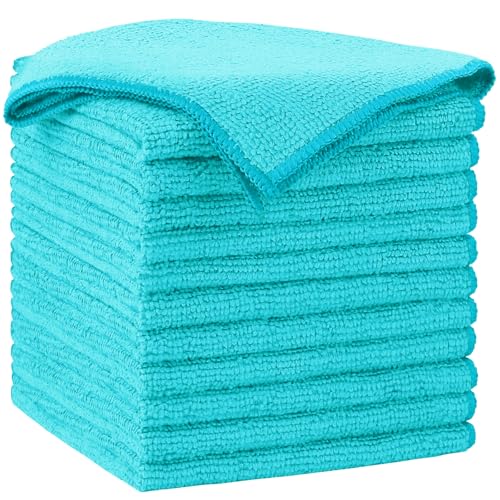
Cloth blue towels, often woven cotton, are the scrubbing tool of the group. They scour gasket surfaces, grip oily parts, and survive laundering that would destroy paper. Their cost per use drops with every wash, but they demand a laundry routine and safe storage before washing. Choose cloth when your work centers on parts cleaning.
Common Mistakes to Avoid
- Using a thin, weak sheet on a large oil spill, so it tears and spreads the oil wider.
- Wiping glass or fresh paint with a high lint towel, so fibers stay behind and force a second cleaning.
- Judging value by pack price alone, so small, weak sheets cost more per job than stronger ones.
- Keeping oily cloth towels in an open pile, so the pile becomes a fire risk.
- Using blue shop towels on food contact surfaces, so grease and solvent residue reach food areas.
Care, Storage, and Safe Disposal of Blue Shop Towels
Paper towels need little care beyond dry storage. Keep rolls and boxes off the floor and away from splash zones, because a pack that absorbs shop moisture before use loses strength. Store open rolls on a holder, where the outer sheets stay cleaner.
Cloth towels earn their keep only with a steady laundry routine. Shake out loose grit, wash them hot with a strong detergent, and skip fabric softener, because softener coats the fibers and cuts absorbency. Dry them fully before folding, and retire any towel that stays stiff with old grease after washing.
Disposal is the safety point that matters most. Towels soaked with oil, solvent, or fuel can heat up as the oil oxidizes, and a wadded pile in a warm corner is a fire risk. Spread used oily towels flat outdoors to dry, or place them in a sealed metal container with a tight lid, and follow local rules for oily waste. If a spill involves fuel or a strong chemical and you feel unsure about handling it, follow the product safety sheet or call a local hazardous waste service.
Frequently Asked Questions About Blue Shop Towels
Can blue shop towels be washed and reused?
Cloth blue shop towels can be washed and reused many times, but paper ones cannot, because washing breaks a paper sheet down into pulp. Wash cloth shop towels on their own cycle, never with household laundry, because residual oil and solvent can transfer to clothing and leave a lasting smell in the machine drum.
Why are shop towels blue instead of white?
The blue color hides grease and oil stains, so a clean, laundered towel still looks fit for work instead of permanently grubby. It also works as a simple code, since blue means shop use and keeps these towels out of kitchens.
Can blue shop towels clean glass without streaks?
Yes, a low lint blue shop towel can clean glass well, and the trick is to use two sheets rather than one. Wipe first with a sheet lightly dampened with glass cleaner to lift the grime, then buff with a second, dry sheet. Paper towels also avoid the detergent residue that laundered cloth sometimes carries, a common hidden cause of streaks.
How many blue shop towels does a home garage need?
Most home garages work through about one standard roll every month or two, but fluid work drives the count more than calendar time. One oil change with a spill can use ten sheets, while a month of light tinkering may use five. Keep one open roll plus one spare.
Are blue shop towels safe for painted car panels?
Blue shop towels are safe for painted panels when the sheet is clean, low lint, and free of grit. The risk is what a used sheet carries, because one pass with a sheet that already wiped a wheel can drag abrasive particles across clear coat. Reserve fresh sheets for paint and press lightly instead of scrubbing.
Final Thoughts
Start with the work you do most: fluid heavy jobs call for absorbent, wet strong paper, scrubbing work rewards cloth, and glass or paint demands the lowest lint sheet. Then check sheet size and count so cost per job guides the final call. Matched that way, the best blue shop towels remove a daily friction from shop life. Compare the formats in the product table above.


