Best Affordable Cutlery Sets: Types Compared and How to Choose for 2026
Disclosure: We may earn a commission when you buy through links on this page, at no extra cost to you. As an Amazon Associate I earn from qualifying purchases. Learn more

Confused by all the options? We compare every type of cutlery set side by side so you can choose the best affordable cutlery sets for your space and budget.
Cutlery sets look similar in photos, yet the type of set you pick changes how your knives cut, how often you sharpen them, and how long they last. Western sets, Japanese sets, self sharpening blocks, and small starter sets each suit a different cook and a different counter. This guide to best affordable cutlery sets compares those types plainly, so the choice starts with your cooking style rather than with a piece count.
Use the comparison table below to check set type, steel, and block style at a glance. Then read the type guide and choosing sections that follow. A smaller set of the right type will outperform a large set of the wrong type every single week.
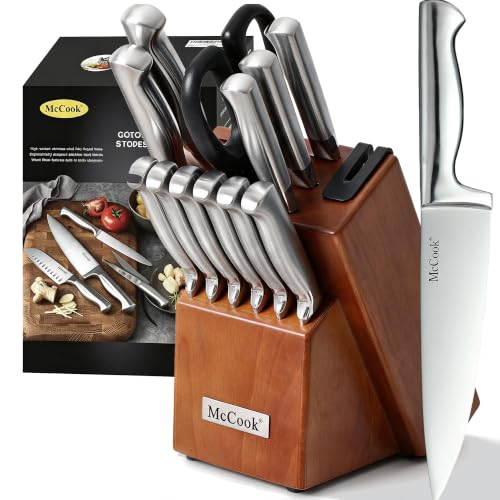
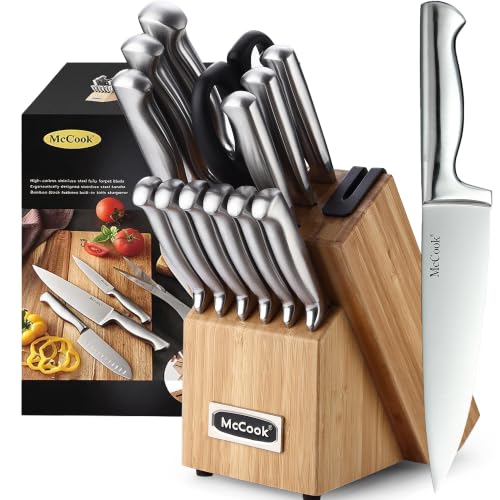
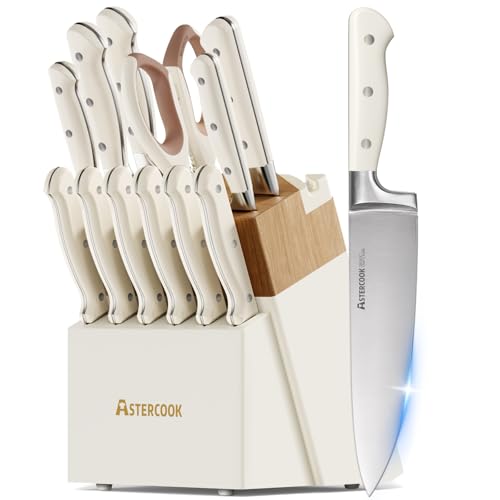
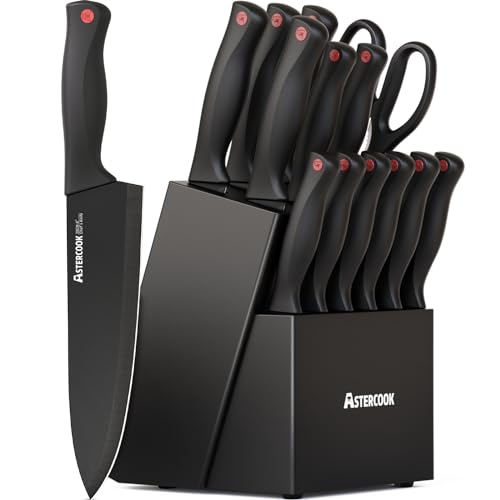

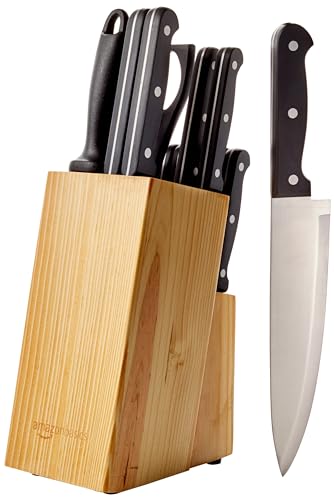
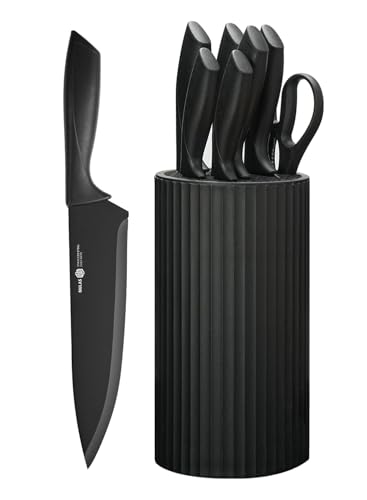


Types of Cutlery Sets Compared
Four types cover nearly every affordable set you will see. In general, Western style sets cost about $60 to $200 and favor durability, self sharpening block sets cost about $80 to $180 and favor convenience, Japanese style sets cost about $100 to $250 and favor sharpness, and budget starter sets cost about $30 to $70 and favor simplicity. The sections below explain how each type works and who should choose it.
For the full category beyond the affordable range, see our guide to the best cutlery sets. The same checks apply as you shortlist the best affordable cutlery sets.
Western Style Knife Sets
Western style sets follow the German tradition, with thicker blades, a pronounced curve near the tip, and steel built to tolerate hard use. The curved edge suits a rocking chop, where the tip stays on the board while the blade rolls through herbs and onions. These blades handle squash, bones in poultry work, and frozen food edges better than thin blades do.
The trade off is weight and edge finesse, since a thick blade wedges slightly in dense food like carrots and hard cheese. Choose this type if you cook hearty meals, share knives with family members of mixed skill, and want a set that forgives rough handling.
Self Sharpening Block Sets
Self sharpening block sets store each knife in a slot fitted with a honing or sharpening element, so the edge gets a light refresh each time you draw or return the knife. The appeal is obvious for busy households, because maintenance becomes automatic and no separate skill is needed. The limits are real too, since the built in elements hone more than they truly sharpen, the slots fit only the knives supplied, and the block takes steady counter space.
Edge quality depends heavily on the steel itself. Choose this type if you know you will never use a whetstone and prefer a tidy counter system over peak sharpness.
Japanese Knife Sets
Japanese style sets use thinner, harder blades with a flatter edge profile, built for precise slicing and a push cut or pull cut motion. A santoku in this style glides through fish, vegetables, and boneless meat with very little tearing, and the light weight reduces fatigue during long prep sessions. The trade off is fragility, since hard steel can chip on bone, frozen food, or a twisting cut in a hard squash.
Handles are often lighter and simpler, which some cooks love and others find less secure. Choose this type if you value sharpness and control and you are willing to hand wash and store each knife with care.
Budget Starter Sets
Budget starter sets bundle the basics, usually a chef knife, a utility knife, a paring knife, and shears, in a compact block or tray at the lowest prices. They suit first apartments, dorms, campers, and anyone finding out whether they enjoy cooking before spending more. Steel quality is modest, so edges dull faster and handles feel lighter, but the core shapes are sound and the cooking is perfectly fine.
The smart way to buy this type is as a trial, keeping your favorite knife shapes in mind for a later upgrade. Choose it when low cost and small footprint matter more than edge life.
Western Style Knife Sets vs Self Sharpening Block Sets: Which Should You Choose?
These two types compete for the same family kitchen, so compare them on the points that decide daily satisfaction. On edge care, the self sharpening block wins for effort, while the Western set wins for control, since you choose when and how to hone. On durability, Western blades tolerate more abuse and can be restored by any sharpener or local service, while block sets depend on their fitted slots. On counter space, both use a block, but the self sharpening block is often larger.
On cost, prices overlap, so the deciding factor is habit. Pick the Western set if you will hone weekly and want knives that outlast trends. Pick the self sharpening block if honest self knowledge says maintenance must happen on its own.
How to Choose Affordable Cutlery Sets
Type sets the direction, but steel, upkeep, and grip decide whether you still enjoy the set in year three. Work through the points below before you compare prices. Kitchen focused shoppers can also browse our guide to the best kitchen cutlery sets for sets organized by kitchen size.
Blade Steel (German vs Japanese, Carbon vs Stainless)
German style steels are softer, roughly in the mid 50s on the Rockwell hardness scale, so they bend rather than chip and sharpen quickly on a honing steel. Japanese style steels run harder, often near 60 or above, holding a finer edge longer but chipping sooner under abuse. High carbon stainless steel blends both ideas, giving good edge retention with solid rust resistance for home kitchens.
Plain carbon steel sharpens beautifully but stains and can rust if left wet. For most households, high carbon stainless in either tradition is the safest balance of sharpness, care, and cost.
Sharpening and Maintenance Needs
Every set needs edge care, so buy the system you will actually use. A honing steel realigns an edge and works before heavy prep, while a whetstone or a pull through sharpener restores a dull edge a few times a year. Keep knives out of the dishwasher, where heat, detergent, and rattling against racks dull and damage edges and handles.
Store blades in a block, on a magnetic strip, or with blade guards in a drawer, never loose among utensils. A set that includes a honing steel and shears covers the basic routine without extra purchases.
Handle Material and Grip
Handles decide control, especially with wet hands. Pakkawood and composite handles resist water, feel warm in the hand, and suit most cooks. Stainless handles look sleek and clean easily but can feel slick during greasy work.
Shaped handles with a gentle swell fill the palm and reduce grip effort during long prep. Full tang construction, where the blade steel runs the full handle length, adds balance and strength and is worth seeking at this price range. Hold time matters less than shape, so favor a handle style described as contoured over one chosen only for looks.
What You Can Realistically Get on a Budget
For about $60 to $150 you can realistically get sound high carbon stainless blades, full tang or well made partial tang construction, and a block that holds the core knives securely. You will usually give up forged blade refinement, premium handle materials, and a full spread of specialty knives. Do not save money by accepting a set built around serrated edges that claim to never need sharpening, because those edges cannot be restored once dull.
Spend first on the chef knife quality, since it does most of your cutting. If your budget stretches, compare smaller quality sets in our guide to the best affordable knife sets before buying a larger budget block.
Setup and Care Tips
Hand wash and dry each knife right after use, because prompt drying protects both edge and handle better than any other habit. Hone before each heavy use with light strokes, and sharpen on a stone or with a quality sharpener only when honing stops restoring the edge. Use wood or plastic cutting boards, since glass and stone boards dull edges fast and can chip hard Japanese style blades. Check sharpness safely on a tomato or a sheet of paper rather than with a thumb, and store knives the moment they are dry.
Frequently Asked Questions
Are Japanese knives better than German knives?
Neither is better in general, because they solve different problems. Japanese knives cut with less effort and hold a finer edge, which suits precise slicing and cooks who maintain their tools. German knives tolerate harder use, sharpen in seconds on a steel, and suit shared family kitchens. Your board habits decide the answer, since a cook who twists through hard squash will chip a hard blade, while a careful slicer will find a thick blade clumsy within a week.
What knives does a home cook really need?
Most home cooks truly need three knives, a chef knife or santoku for main prep, a paring knife for small work, and a serrated bread knife. A utility knife and kitchen shears add convenience but not new ability. Sets earn their price by bundling those core pieces with storage at less than the cost of buying each one alone. If a set you like lacks a bread knife, buy that one piece separately later rather than upgrading the whole set for it.
Can knives go in the dishwasher?
No, knives should not go in the dishwasher, even when a product page calls a set dishwasher safe. High heat and strong detergent fade handles, and the spray and rack contact nick edges against other items. Hand washing takes under a minute per knife and doubles or triples the time between sharpenings. The one exception is cheap serrated steak knives with no edge to protect, and even those last longer with a quick rinse and dry by hand.
How often should I sharpen kitchen knives?
Sharpen most home knives about two to four times a year, and hone lightly every week or before big prep sessions. The right moment to sharpen is when the knife slides on a tomato skin or tears herbs instead of slicing them. Heavy daily cooking shortens that cycle, while light cooking stretches it. A useful habit is to mark sharpening dates on your calendar, because edges fade so gradually that most cooks adapt to a dull knife without noticing.
Are expensive knife sets worth it?
Expensive sets are worth it for cooks who prep daily and will maintain forged blades, better steel, and balanced handles for many years. The gain is in edge life, comfort, and control, not in new cooking ability. Occasional cooks gain little, because a knife used twice a week never wears out a midrange edge. A strong middle path is an affordable set with a quality chef knife now, then one specialty upgrade later if your cooking grows into it.
Final Thoughts
Pick the type first, then the steel, then the handle that suits your grip. Protect the chef knife quality above piece count, and choose the maintenance style you will honestly keep. The product table above lets you check those points across current options in minutes. Judged that way, the best affordable cutlery sets are the ones that stay sharp in your routine and feel right in your hand every day.