
Best Bartender Sets: Everything to Know Before Your First Purchase for 2026
Disclosure: We may earn a commission when you buy through links on this page, at no extra cost to you. As an Amazon Associate I earn from qualifying purchases. Learn more

Shopping for the best bartender sets for the first time? Learn the key terms, compare materials and pieces, and avoid common rookie buying mistakes.
Buying your first bartender set is confusing mostly because the listings speak a language nobody taught you: cobbler, Boston, jigger, Hawthorne. Behind the jargon is a simple idea, a bundle of the hand tools used to measure, shake, stir, strain, and garnish drinks at a home bar. The best bartender sets for a beginner are not the biggest boxes; they are the sets whose core tools are well made, easy to clean, and matched to the drinks you actually plan to make.
This guide starts with the basics, translates each key specification into plain English, and ends with the mistakes first time buyers most often make. Check the comparison table below for a quick sense of how sets differ, then read on before you spend anything.


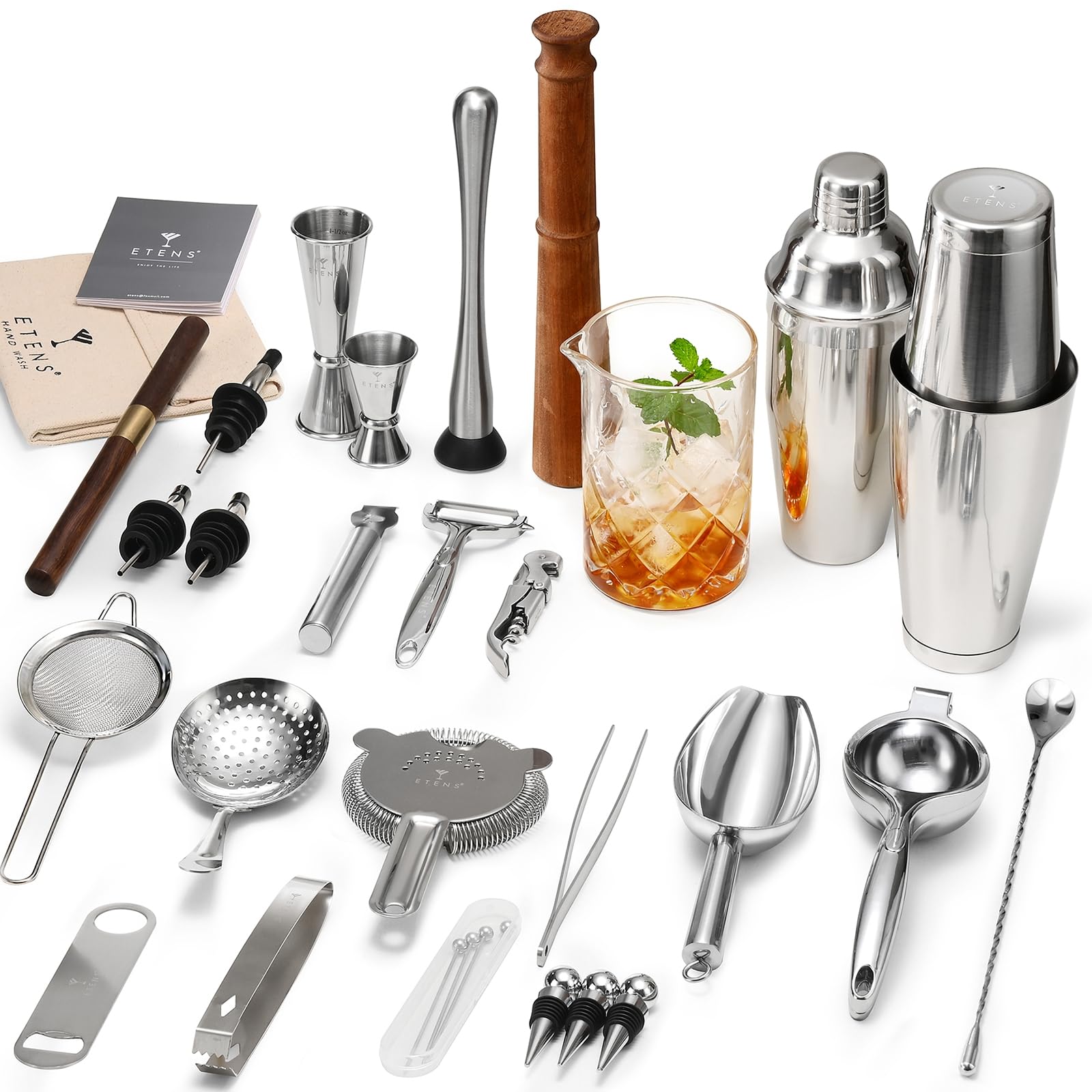
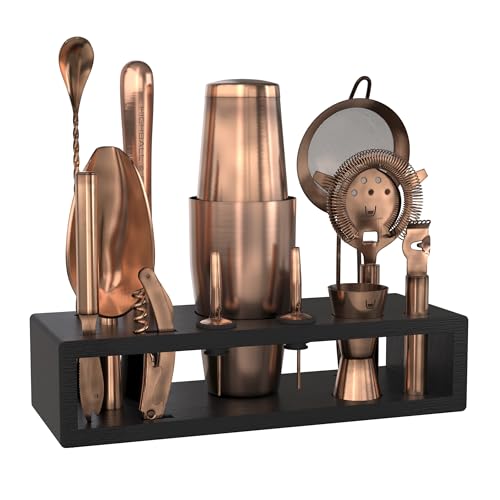
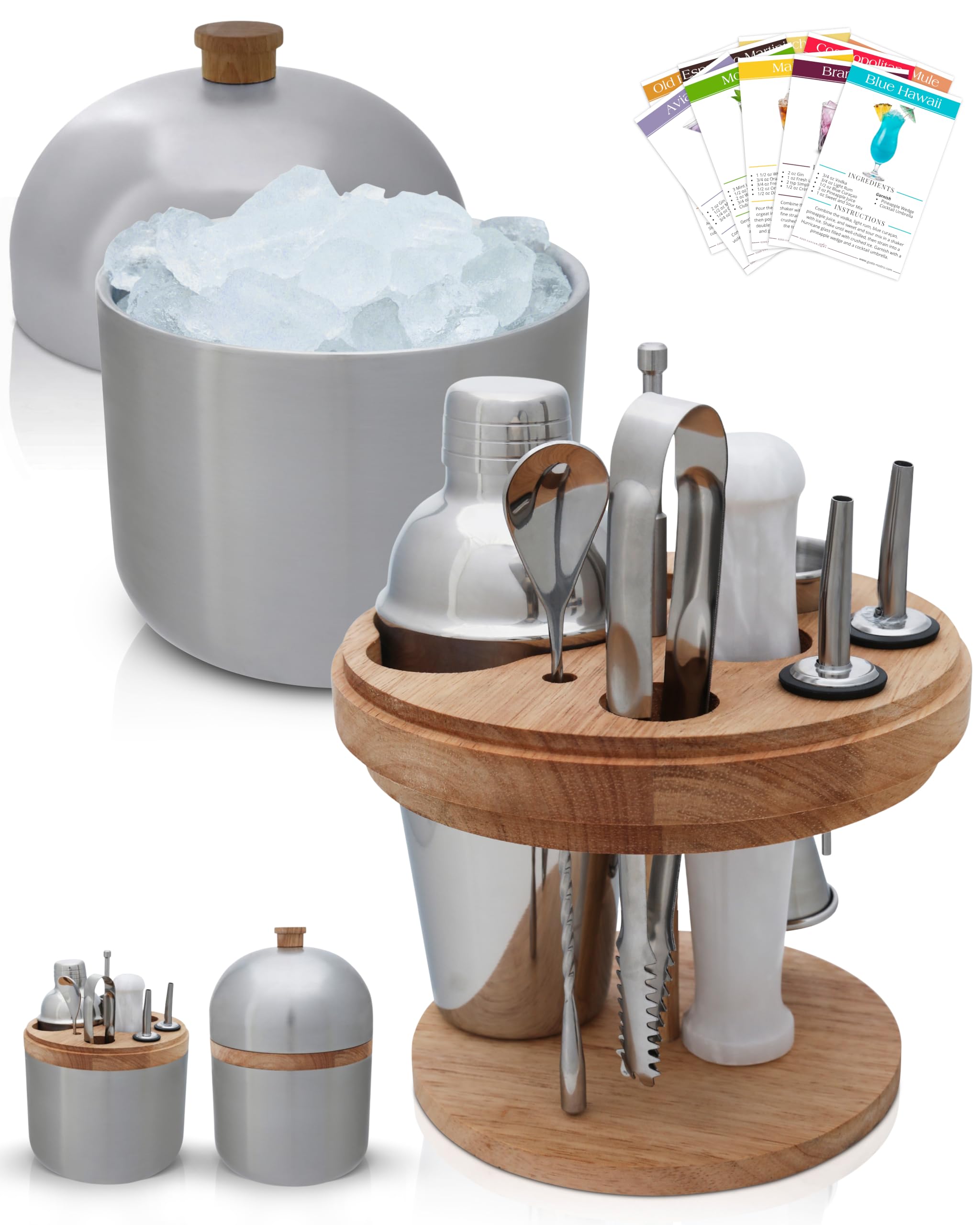
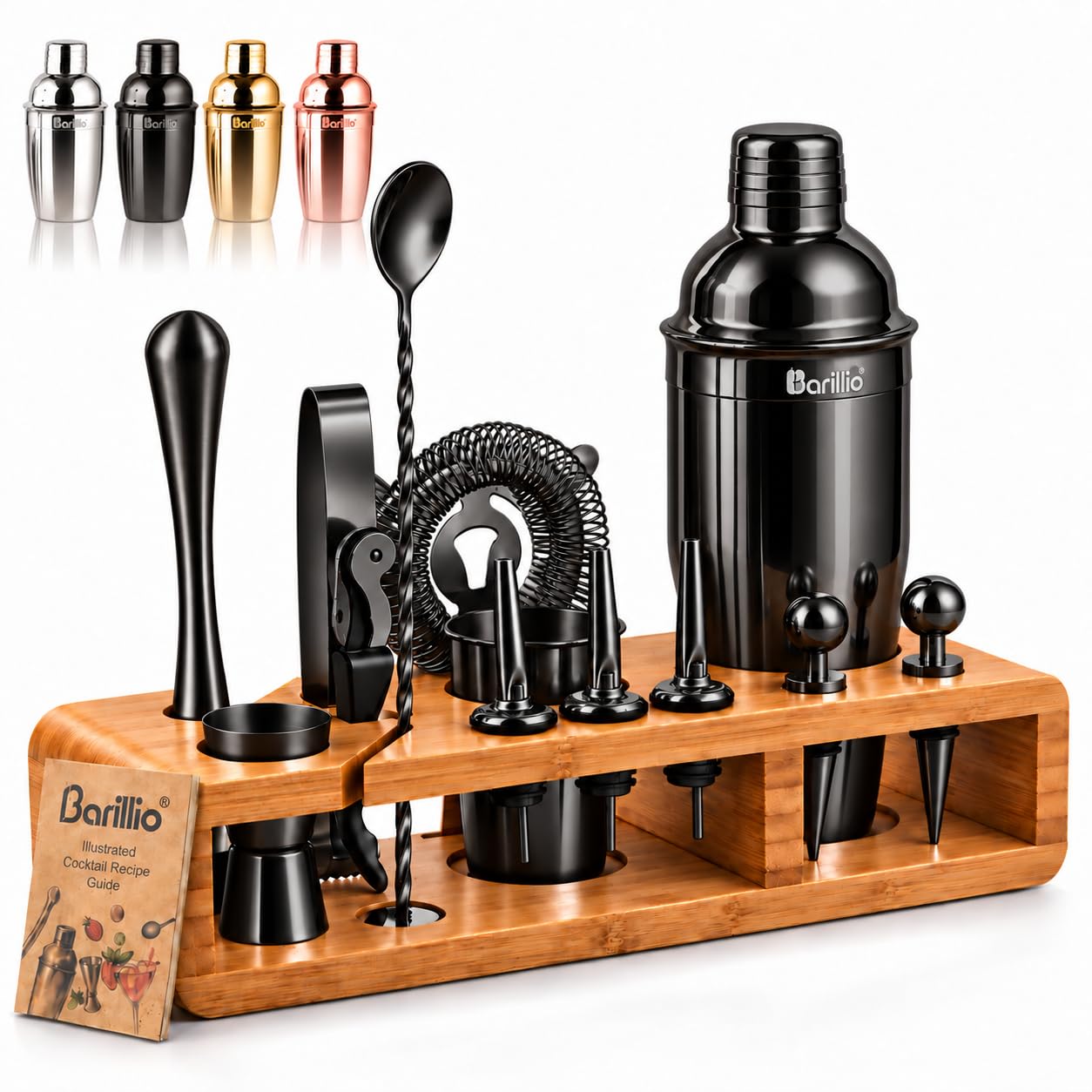

Bartender Sets 101: The Basics
A bartender set groups the tools of the trade so you do not have to hunt them one by one. Nearly every set starts with a cocktail shaker, the vessel where drinks are chilled and diluted with ice. Around it you will find a jigger for measuring, a strainer that holds back ice when you pour, a bar spoon for stirring and layering, a muddler for pressing fruit and herbs, and tongs for handling ice and garnishes cleanly.
Sets are described by piece count, but piece counts are slippery marketing. One brand counts a cleaning brush and a recipe card as pieces; another counts only metal tools. A focused 8 to 12 piece set usually covers every classic drink, while very large sets add wine openers, pourers, and duplicate tools that casual hosts rarely touch. Learn the core six tools first, and judge any set by how well it makes those, not by the biggest number on the box.
Key Specs Explained in Plain English
Intended Use and Who It's For
Decide which drinks anchor your home bar before you shop. If you love shaken drinks such as margaritas, daiquiris, and whiskey sours, the shaker is the heart of the set and deserves most of your budget. If you lean toward stirred drinks like martinis and Manhattans, a mixing glass and a long bar spoon matter more, and some sets include a mixing glass for exactly this reason.
Hosts who mostly serve wine and beer need only a small set with a good opener, tongs, and a jigger for the occasional cocktail. Matching the set to your real menu prevents paying for tools that live in a drawer.
Build Quality and Materials
Stainless steel is the standard material because it does not rust, does not hold flavors, and survives drops on tile. Look for food grade 304 grade steel, often marked 18/8 or 18/10, which resists corrosion from citrus and salt far better than thin, unmarked steel. Weight is a quick quality signal: a shaker tin with some heft seals better and feels stable in two hands, while feather light tools often have sharp rolled edges and thin walls that dent. Check that welds on handles and strainer springs look smooth, and avoid plated finishes in bright colors if you plan to use the dishwasher, since coatings can chip and flake into drinks over time.
Warranty and Customer Support
Tools with no moving parts rarely break, so warranty differences show up in the details: a brand that will replace a strainer with a failed spring or a shaker that leaks earns trust. Look for at least a one year warranty and a real contact channel, and read how the brand handles bent or misshapen tins after shipping. Gift buyers should favor sets sold with clear return terms, since a dented shaker tin discovered after the birthday is a common and avoidable disappointment. Keep the receipt and register the set if the maker offers it, because proof of purchase speeds any replacement.
Ease of Use and Setup
A beginner friendly set feels obvious in the hand. Shaker tins should separate with a firm tap rather than a wrestling match, a common frustration when cheap tins vacuum seal after shaking with ice. Strainers should sit snugly on the tin without rattling, and the jigger should have markings you can read at a glance, ideally etched inside as well as outside.
Sets that arrive with the tools nested or on a stand save counter hunting. Before your first party, run a practice shake with water and ice so your first real drink is not also your first lesson in how the seal behaves.
Size, Weight, and Fit for Your Space
Shaker capacity is the size spec that matters most. A shaker around 24 to 28 oz handles two drinks at once comfortably, while smaller 18 oz tins suit single servings and smaller hands. Bigger is not always better, because an oversized tin with one drink inside chills unevenly and tires your arms.
Consider storage too: a set on a stand looks tidy on a bar cart but takes vertical space, while a roll up pouch or drawer friendly box suits small kitchens. Measure your shelf or drawer before assuming a handsome wooden stand will fit where you imagined it.
Key Performance Specs
For hand tools, performance means seal, balance, and measurement accuracy. Test the shaker seal by shaking water hard for ten seconds; a good seal weeps nothing. A jigger should offer the common measures, typically 1 oz and 2 oz sides with inner marks at half and quarter steps, so recipes scale cleanly.
The strainer spring should feel tight against the tin rim to catch small ice shards and pulp. Bar spoon length around 12 inches reaches the bottom of a mixing glass and lets you stir without splashing. None of these specs appears in flashy marketing, yet together they decide whether making drinks feels smooth or clumsy.
Best Bartender Sets for Specific Needs
Best Professional Bartender Sets: Tips for First Time Buyers
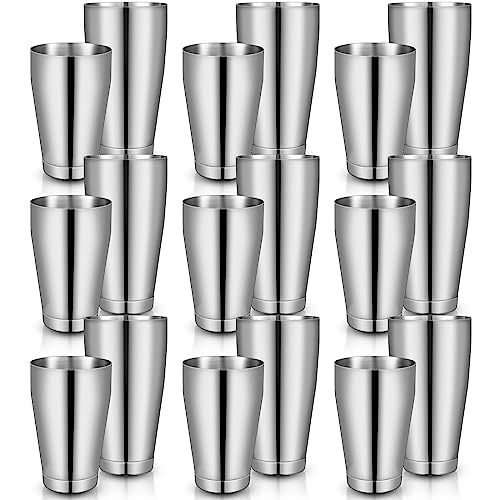
The label best professional bartender sets usually means heavier gauge steel, a two tin Boston shaker instead of a three piece cobbler, and tools built for hundreds of shakes a week. First time buyers eying this tier should know that Boston tins take practice to seal and separate, and pro sets often skip the extras like stands and recipe cards. Choose this level if you plan to entertain often or take a bartending class; otherwise a quality home set delivers the same drinks with less learning curve and lower cost.
Rookie Mistakes to Avoid
- Buying by piece count. A 24 piece set padded with pourers and cards can be worse than a tight 10 piece set with a great shaker.
- Choosing the cheapest steel. Thin, unmarked steel rusts at the rim and holds metallic flavors, especially after contact with citrus.
- Ignoring the shaker style. Cobbler shakers look friendly but can freeze shut when cold; know the trade offs before you commit.
- Skipping a jigger with inner markings. Unmarked jiggers force guessing, and guessing is why homemade drinks taste inconsistent.
- Forgetting storage and washing. A set with no stand, bag, or dishwasher guidance quickly becomes clutter that stops being used.
Getting Started: Setup and First Use
When the box arrives, unpack and inspect every piece under good light, checking for dents, sharp edges, and a strainer spring that sits tight. Wash all tools in warm soapy water before first use to remove manufacturing oils, and dry them fully so water spots do not set in. Read the manual before first use, especially any notes about finishes that should be hand washed.
Then make one simple drink slowly, a daiquiri or a whiskey sour, paying attention to the shaker seal and the pour. Clean and inspect regularly after each session rather than letting sticky residue dry overnight, because dried syrup glues strainer springs and dulls steel.
FAQs
How much should I spend on a bartender set?
Most beginners land well with a set around $30 to $60, which buys real stainless steel and a reliable shaker. Below that range, steel gets thin and seals get unreliable. Above it, you pay for stands, finishes, and pro weight tools. Spend the difference only if you host often or want the set displayed as part of the room.
Are expensive bartender sets worth it?
They are worth it when the money buys thicker steel, better seals, and tools balanced for daily use, all of which you feel in every drink. They are not worth it when the price buys decorative finishes, oversized piece counts, or a fancy box. A practical test: if two sets have the same core tools, pay more only for the one with heavier tins and etched jigger markings.
How do I maintain a bartender set?
Rinse tools right after use so citrus and sugar never dry on the steel, then wash in warm soapy water and dry with a soft towel to prevent water spots. Check strainer springs monthly for trapped pulp, and store tools dry, since a damp drawer invites rust even on decent steel. Polishing is optional and purely cosmetic.
What features matter most when buying bartender sets?
The shaker seal, the steel grade, and jigger markings matter most, in that order. A set that seals cleanly, resists rust, and measures accurately makes good drinks from day one. Stands, finishes, and extra accessories improve looks and storage, not the drink itself, so weigh them last when comparing two sets at different prices.
How long does a bartender set last?
A solid stainless set can last decades, because there is little to wear out beyond strainer springs and the occasional lost jigger. The usual failure is cosmetic: finishes fade and thin steel dents. Treat the set like good kitchen knives, wash it promptly and store it dry, and replacement becomes a choice rather than a necessity.
Wrapping Up
For your first purchase, judge sets by the shaker seal, honest steel, and a jigger you can read, and let piece counts and pretty stands come last. The product table above shows how current options stack up on those points. Pick with those priorities and the best bartender sets for your home bar will be the ones still making clean, consistent drinks years from now.


