
Best Blue Light Blocking Glasses: What Actually Matters Before You Buy
Disclosure: We may earn a commission when you buy through links on this page, at no extra cost to you. As an Amazon Associate I earn from qualifying purchases. Learn more

The best blue light blocking glasses checklist: tint, filtering, coatings and fit, plus picks for gaming, value and evenings.
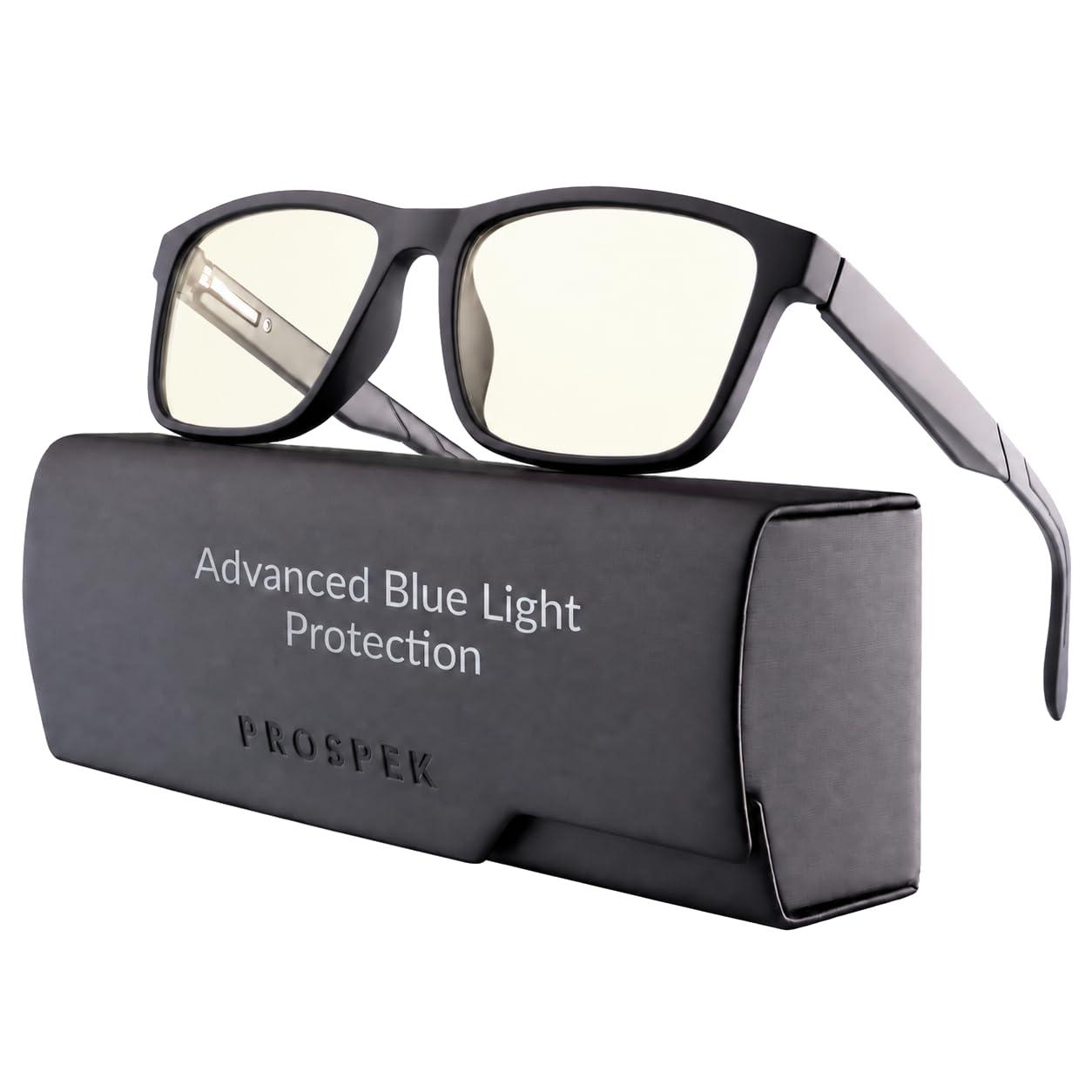
Long days in front of laptops, phones and gaming screens leave many people with tired, dry eyes, and blue light blocking glasses promise relief. Some people also wear amber or orange lenses in the evening to wind down before bed. But lens tints, coatings and fit vary a lot, and it helps to know what these glasses can and cannot do. This guide to the best blue light blocking glasses walks through the checklist we use to judge them and three picks that pass it.
We cover our evaluation criteria, three picks, a quick buyer checklist, red flags, tips for better results and answers to common questions. Every pair in the table above is sold new on Amazon US. A note on health: the American Academy of Ophthalmology does not recommend blue light glasses for preventing eye disease, and digital eye strain is usually eased by breaks, blinking and proper screen setup. If you have ongoing eye discomfort, headaches or vision changes, see an eye doctor.



How We Evaluate Blue Light Blocking Glasses
We judge blue light glasses on seven points: purpose, materials, durability, ease of use, fit, price and key features such as tint level and coatings. Glasses that state how much blue light they filter, fit comfortably all day and reduce glare pass; vague claims and flimsy frames fail.
Choosing the best blue light blocking glasses starts with when you use screens most and whether color accuracy matters for your work.
Purpose and Who It's For
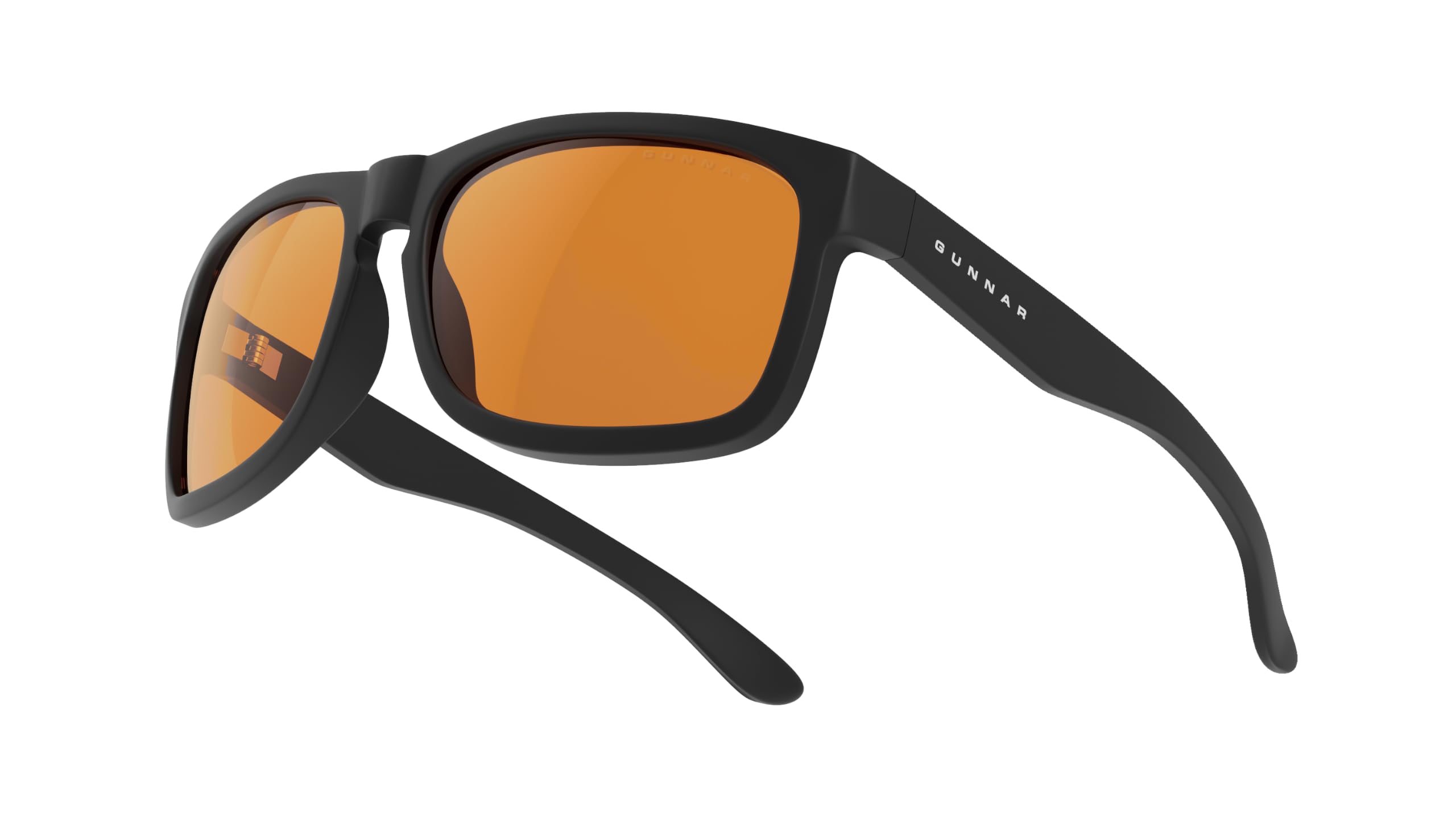
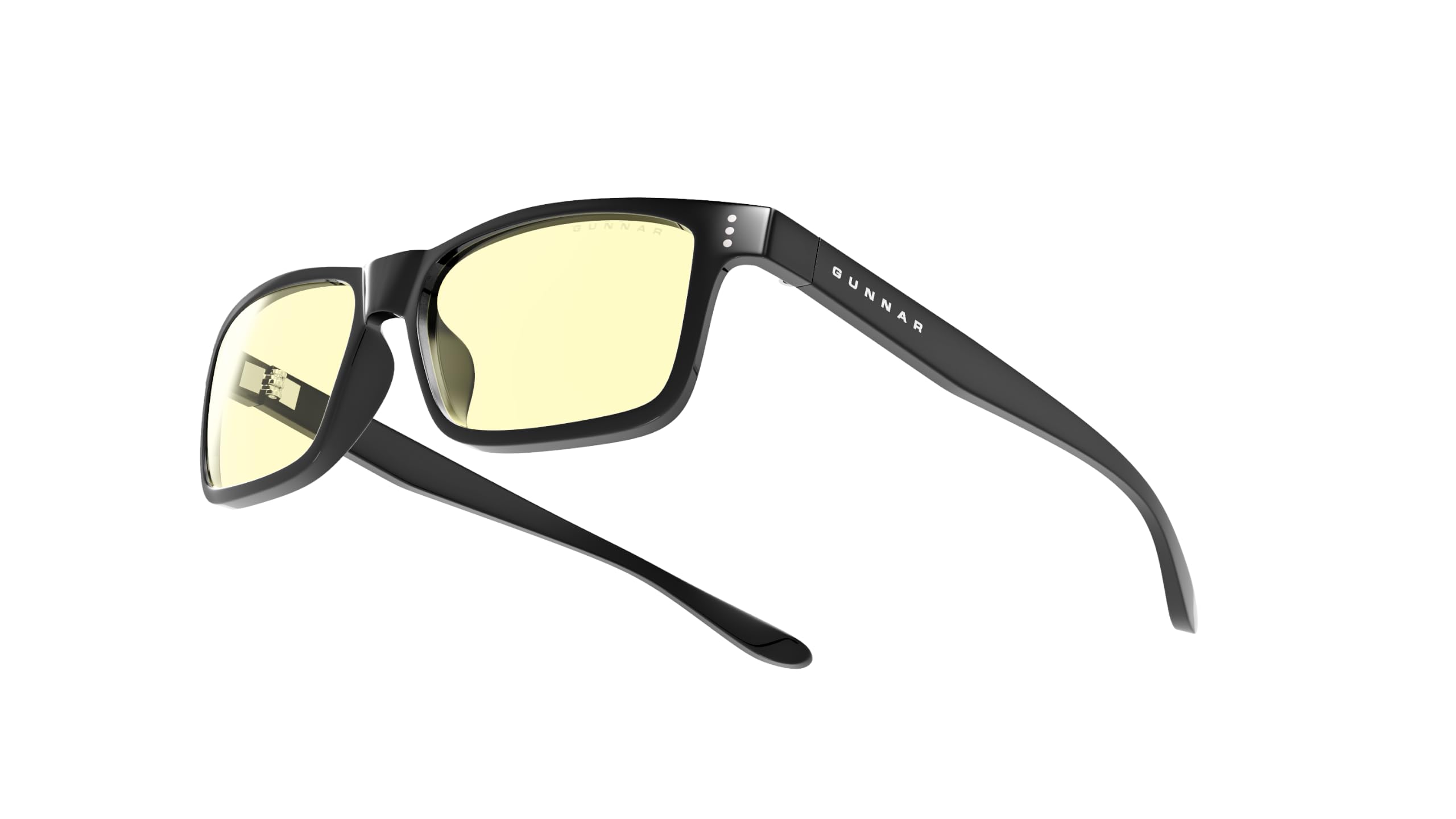
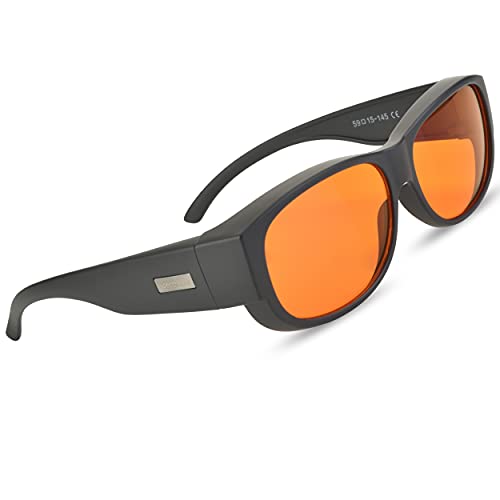
Decide when you will wear them. Clear or lightly tinted lenses suit daytime computer work, since they barely change colors. Amber tints, like GUNNAR's, filter more blue light and boost contrast, which many gamers like. Orange or deep amber lenses, like THL Sleep's, filter most blue light and suit evening wear before bed.
Good: a tint matched to your use. Poor: dark orange lenses for design work, where color accuracy matters.
Office workers who spend hours in spreadsheets and video calls often prefer clear or light amber tints that keep colors natural, while late night gamers may like stronger amber for contrast. People using screens right before bed may want orange lenses for the last hour or two of the evening.
Students using laptops for long study sessions often choose lightweight, clear lenses that look like regular glasses in class.
Materials and Build Quality
Frames come in plastic, acetate and metal. Acetate frames, like THL Sleep's hand polished frame with spring hinges, feel sturdy and comfortable. Lightweight plastic frames suit long sessions. Lenses should be optically clear without distortion.
Good: solid hinges, smooth edges and clear lenses. Poor: wobbly hinges and wavy lenses that cause headaches.
Metal frames look sleek and can be adjusted by an optician, while acetate and TR90 plastic frames are flexible and light. Choose a material that stays comfortable behind headphones if you wear both.
Durability and Care
Scratch resistant hard coats protect lenses from daily wear; GUNNAR lists an external hard coat. Cases and microfiber cloths help glasses last. Spring hinges reduce stress when putting glasses on and off.
Good: scratch resistant coatings and a protective case. Poor: soft lenses that scratch quickly.
Rinse lenses under lukewarm water before wiping to remove dust that could scratch the coating, then dry with a clean microfiber cloth. Avoid hot water and harsh cleaners, which can damage anti reflective layers.
Ease of Use
Blue light glasses should feel like any comfortable pair of glasses. Lightweight frames, adjustable nose pads and the right temple length matter for all day comfort. Fit over styles, like Spectra479's, go over prescription glasses.
Good: glasses you forget you are wearing. Poor: pinching frames or nose pads that slide.
If you wear prescription glasses, consider prescription lenses with blue light filtering from your eye doctor or optician, or fit over glasses designed to sit on top of your regular frames.
Try glasses for a full work session before deciding; a frame that feels fine for five minutes may pinch after two hours.
Size and Design
Check frame measurements: lens width, bridge and temple length. GUNNAR lists a wide fit with 58mm lens width, 16mm bridge and 143mm temples at 26 grams. Compare these with glasses that fit you well.
Good: published measurements and several frame sizes. Poor: one size frames with no dimensions.
Frame shape affects coverage. Larger lenses block more light from the sides, while small frames look sleek but let in more light around the edges. Wraparound designs suit people who want maximum coverage.
Many people prefer frames slightly wider than their face for a relaxed fit at the temples.
Price and Value
Prices range from around $10 for basic clear lenses to around $45 to $67 for branded glasses with specialized coatings. Value means comfort, durability and honest specifications.
Good: clear specs, warranty and return policy; GUNNAR lists a one year warranty and 30 day returns. Poor: high prices with vague claims.
Kids' versions, like the GUNNAR Cruz for ages 12 and up, come in smaller frames for younger screen users, though children should still take regular screen breaks.
Key Features That Matter
Useful features include a stated blue light filtering percentage, anti reflective coatings to reduce glare, UV protection and an appropriate tint. GUNNAR states how much peak blue light each lens blocks, from 35 percent for clear tints to higher levels for amber. THL Sleep says its orange lenses filter 99.5 percent of blue light.
Good: transparent filtering numbers and anti glare coatings. Poor: marketing claims without numbers.
Anti reflective coatings are often the most noticeable benefit, since they reduce glare from overhead lights and screens. Many people find glare reduction makes long sessions more comfortable regardless of blue light filtering.
3 Picks That Pass Our Checklist
Our picks are the GUNNAR Riot amber gaming and computer glasses for most screen users, the Gaoye blue light glasses for value and the THL Sleep orange glasses for evening wear. Each states its purpose clearly and suits a different user.
Best Overall: GUNNAR Premium Computer and Gaming Glasses (Riot, Amber)
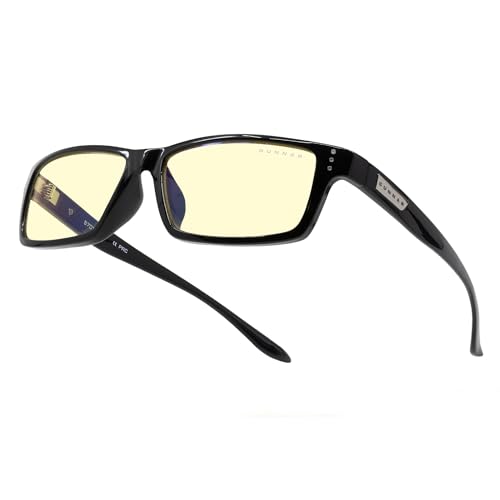
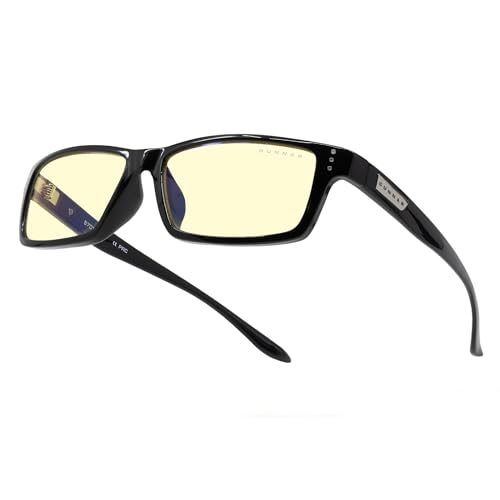
The GUNNAR Riot suits gamers and long hour computer users, at around $45. It uses GUNNAR's patented amber tinted lens with dual sided anti reflective properties to reduce glare and an external hard coat for scratch resistance, and GUNNAR tells you how much of the peak blue light spectrum each lens blocks.
Two strengths stand out: published frame specs (wide fit, 58mm lens, 16mm bridge, 143mm temples, 26 grams) and a one year warranty with a 30 day return policy. The amber tint adds contrast many gamers like. The limitation is color tint, which changes how colors look. Skip it if you edit photos or need true color accuracy.
Best Value: Gaoye Blue Light Blocking Glasses
The Gaoye glasses are for anyone who wants to try blue light glasses for very little money, at around $10. They have clear, high transmittance lenses with UV400 protection and a lightweight frame for all day wear, according to Gaoye.
Their strengths are price and an almost clear look, which suits office work and video calls. The trade off is less published detail about filtering levels and coatings compared with premium brands. Skip it if you want documented filtering percentages or a warranty.

Best for Evening Use: THL Sleep Orange Blue Light Blocking Glasses
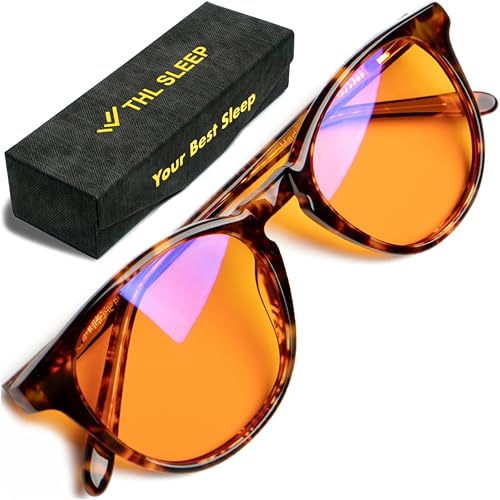
The THL Sleep glasses suit people who use screens in the evening and want to reduce blue light before bed, at around $45. THL says its orange lenses filter 99.5 percent of blue light, and the frame is premium cellulose acetate with spring hinges.
The appeal is strong filtering for nighttime and a 7 layer lens with oleophobic, anti fingerprint, anti reflective and anti glare coatings. The limitation is the deep orange tint, which is not suitable for daytime work or driving at night. Skip it if you need glasses for daytime color work.

Quick Buyer Checklist
- Will you wear them in the day, evening or both?
- Does the listing state a filtering percentage?
- Do lenses have anti reflective coatings?
- Do frame measurements match glasses that fit you?
- Do you need a fit over or prescription option?
- Is there a warranty or return policy?
- Does the tint suit color sensitive work?
If you answered yes to most questions, the glasses are likely a good fit for your routine. Remember that comfort and fit matter most for daily wear.
Red Flags to Watch For
- Medical claims. Promises to cure eye disease or migraines are not supported by evidence.
- No filtering numbers. Vague claims make comparison impossible.
- Wavy or distorted lenses. Distortion can cause headaches.
- Dark lenses for driving. Deep tints reduce visibility at night.
- No frame dimensions. Fit problems are likely.
Be cautious of sellers that promise better sleep, fewer migraines or eye protection as guaranteed results. Evidence on blue light glasses for eye strain is limited, so treat any comfort benefit as a personal preference rather than a medical outcome.
Tips to Get the Most From Your Pair of Blue Light Blocking Glasses
Pair glasses with good screen habits. Follow the 20 20 20 rule: every 20 minutes, look at something 20 feet away for 20 seconds. Position your screen about an arm's length away and slightly below eye level, reduce glare from windows and use night modes on devices in the evening. Clean lenses with a microfiber cloth and store glasses in a case.
Adjust screen brightness to match room lighting, since a screen much brighter than the room causes more discomfort. Increase text size to reduce squinting, and remember to blink often; people blink less when staring at screens, which dries the eyes.
Frequently Asked Questions
Is it worth paying more?
Paying more can bring better lens clarity, anti reflective coatings, published filtering levels, sturdier frames and warranties, like GUNNAR's. If you want to try blue light glasses casually, an affordable pair like Gaoye is a low risk start. Eye comfort also depends on screen habits.
For many people, the best blue light blocking glasses are simply the pair they find comfortable enough to wear every day.
How long does it last?
Quality blue light glasses often last a few years with care. Lens coatings can scratch over time, so store glasses in a case and clean them with a microfiber cloth. Replace them if lenses become scratched or frames loosen.
Avoid cleaning lenses with paper towels or clothing, which can scratch coatings over time.
Tightening loose hinge screws with a small eyeglass screwdriver keeps frames aligned and comfortable.
What features matter most?
The right tint for your use, stated filtering levels, anti reflective coatings, comfortable fit and clear, distortion free lenses matter most. A warranty and return policy add peace of mind.
If you wear glasses all day, comfort and fit usually matter more than the exact filtering percentage.
Is it a good gift?
Blue light glasses can be a thoughtful gift for gamers and remote workers, especially stylish pairs with cases. Choose a frame size likely to fit and a seller with easy returns. Avoid implying medical benefits when gifting.
Pairing glasses with a microfiber cloth and hard case makes a more complete gift.
Final Thoughts
The best blue light blocking glasses match your screen habits and fit comfortably. GUNNAR's Riot amber glasses are our best overall pick for gamers and long computer sessions, Gaoye offers an affordable way to try blue light glasses and THL Sleep's orange lenses suit evening screen use. Combine glasses with regular breaks and good screen setup, and see an eye doctor for persistent symptoms.
For related guides, see the best home office chairs, the best in ear headphones, the best alarm clock and the best computer case. Then compare current prices in the product table above.
If you are unsure, start with an affordable clear pair to see whether you like wearing them, then upgrade to a premium pair with coatings and published specs if they become part of your routine.


