Best Blood Pressure Smart Watch in 2026: Which Type Is Right for You?
Disclosure: We may earn a commission when you buy through links on this page, at no extra cost to you. As an Amazon Associate I earn from qualifying purchases. Learn more

Sensor or air cuff? See which best blood pressure smart watch style fits your wrist, budget and routine, plus fit, battery and water rating tips.
Shopping for the best blood pressure smart watch can feel confusing because watches in this group look similar but measure and present readings in different ways. Some use light sensors on the wrist, some use a small air cuff built into the strap, and some lean on a phone app for trends and reminders. The product table gives a quick view of the options, and the comparison below explains the main styles.
This guide compares those styles side by side, explains fit, battery life, water ratings and daily use, and helps you match a style to your routine. Readings from a wrist watch are estimates for general wellness tracking. They are not medical measurements and they never replace a medical device or a clinician. If you have a health concern, talk with a clinician about the right way to check your readings.

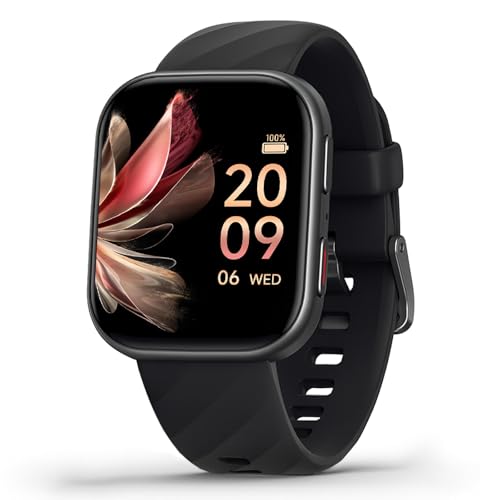

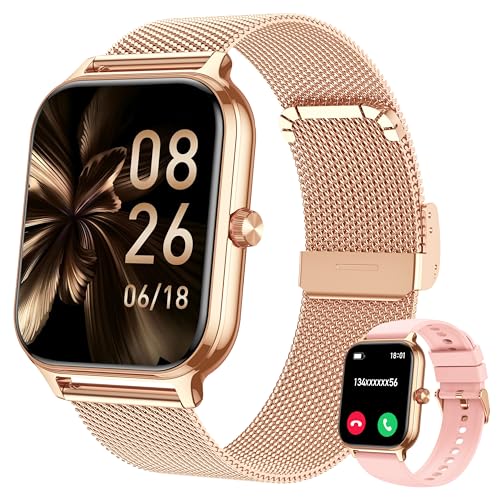


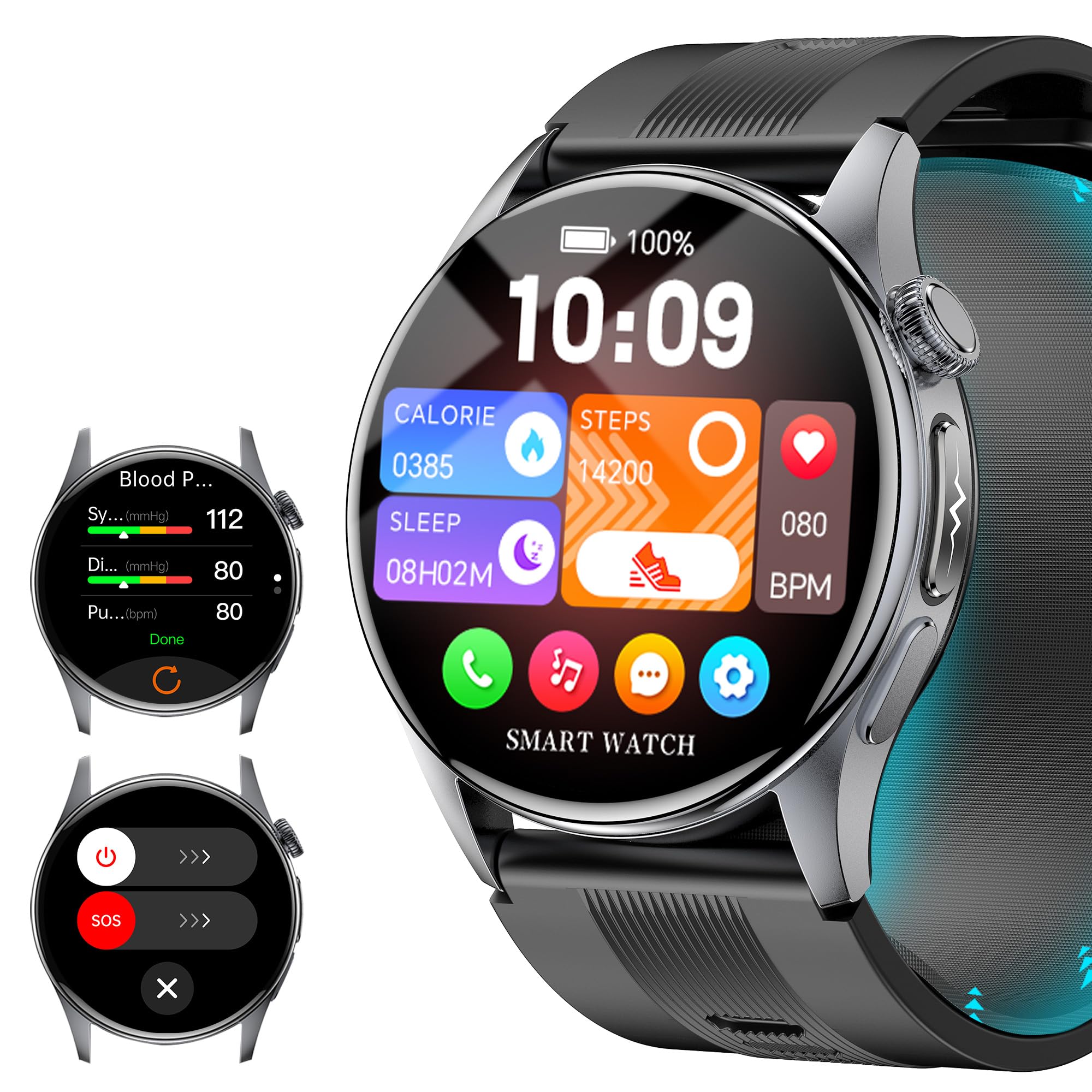
Types of Blood Pressure Smart Watches Compared
| Type | Best For | Pros | Cons | Typical Price |
|---|---|---|---|---|
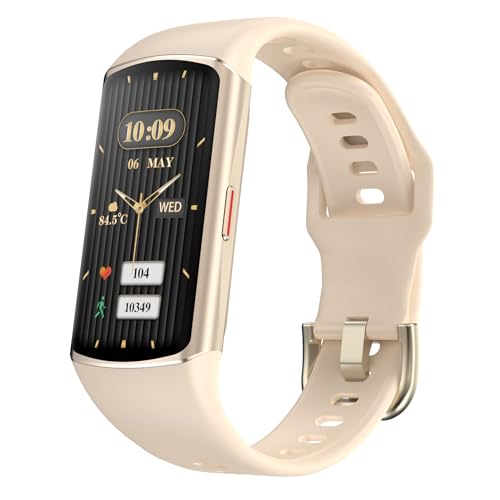
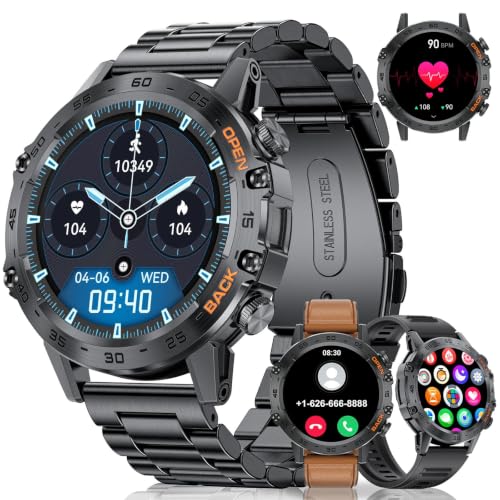
| Sensor watches | Daily trend tracking | Light and simple to wear | Estimates only, needs steady wear | around $20 to $100 |
| Air cuff strap watches | More structured readings | Guided measurement routine | Bulkier strap, slower process | around $100 to $200 |
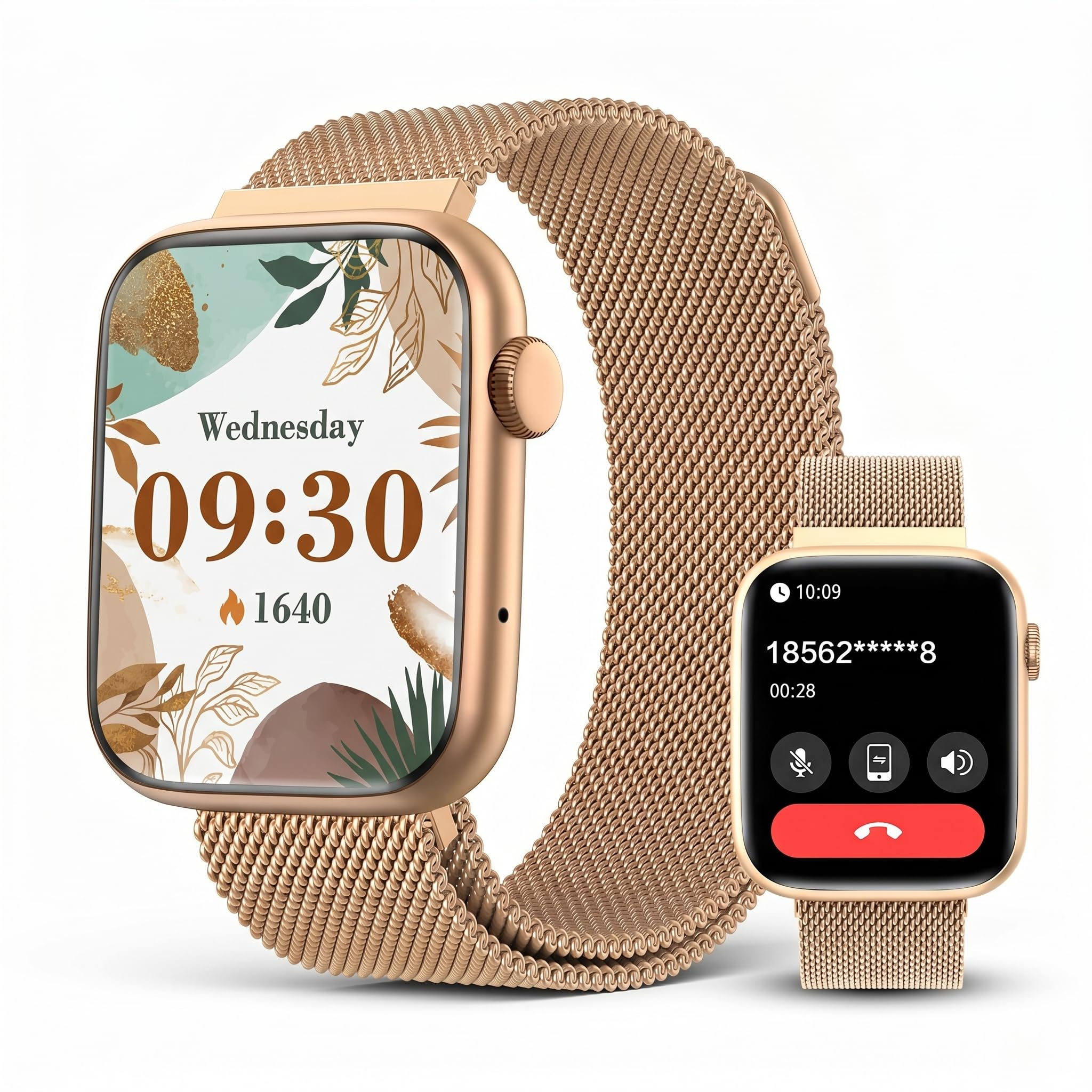
| App focused watches | People who review trends on a phone | Clear charts and reminders | Needs a phone nearby for full use | around $30 to $150 |
Sensor Watches
Sensor watches use light sensors against the wrist to estimate readings from changes in blood flow. They are usually light, easy to wear all day, and simple to check with a tap or a glance.
The trade off is accuracy. Wrist movement, a loose strap, tattoos, cold skin and a poor fit can all change an estimate, so treat the number as a trend rather than a precise result.
Choose this style if you want low effort tracking and you are comfortable checking trends over days and weeks. Look for a strap that stays snug without cutting into the wrist, a clear on screen prompt for a still arm, and a history view that shows averages. Avoid any claim that a sensor watch can diagnose or manage a condition. If readings look unusual or you feel unwell, use a validated medical device or contact a clinician.
Air Cuff Strap Watches
Air cuff strap watches add a small inflatable section to the strap that tightens briefly during a reading. The guided routine can feel more deliberate and easier to repeat in the same position each time. These watches tend to be bulkier, and the strap may feel firm during inflation, so comfort matters if you plan to wear one all day.
Choose this style if you like a structured measurement routine and you do not mind a heavier strap. An air cuff watch is still a consumer wellness device, not a medical device, unless the maker states a medical clearance clearly. Keep your expectations realistic and confirm important readings with a proper medical device.
App Focused Watches
App focused watches put the main value in the phone app rather than on the watch face. The watch collects readings and activity, and the app turns that data into charts, averages, notes and reminders. This style works well if you like reviewing a week or a month at a glance, setting reminders, and exporting a simple summary. It works less well if you want to check everything from the wrist without reaching for a phone.
Choose this style if you already use a phone for health notes and you want a clear record to discuss with a clinician. Check whether the app needs a subscription for full history, how data is exported, and whether readings can be tagged with time of day or activity.
Sensor Watches Compared With Air Cuff Watches: Which Should You Choose?
Sensor watches win on comfort and speed. You can take a reading in seconds, wear the watch all day, and track other wellness data in the same device. Air cuff watches win on routine and structure.
The inflation step forces a pause, a supported arm and a repeatable position, which can make day to day comparisons feel more consistent. Neither style replaces a medical device, and neither should be used to decide treatment on its own.
Pick a sensor watch if you want easy daily tracking and you accept estimates. Pick an air cuff watch if you prefer a guided routine and you do not mind extra bulk. Your choice should follow how you will actually use the watch, not the longest feature list. If you would rather use a dedicated device, see our guide to the best wrist blood pressure monitors.
How to Choose the Best Blood Pressure Smart Watch
Display and Strap Comfort
Screen size and strap material affect how a watch feels over a full day. A larger AMOLED or HD screen is easier to read, but it adds size and drains the battery faster. Silicone straps handle sweat and rinsing well, while softer fabric or metal bands can feel more dressy.
A lighter case can make a larger watch easier to wear for long periods.
Battery Life and Charging
Battery life depends on screen use, sensor frequency and notifications. Most full screen smart watches need charging every few days, and air cuff models may need it sooner because inflation uses power.
Ask how often you must charge, how the watch behaves when the battery is low, and whether readings stop or only syncing stops.
Water Resistance Rating
Water ratings describe resistance to splashes, rain and swimming, but they do not all mean the same thing. A low rating may suit hand washing and rain, while a higher rating suits swimming and showering. Check the maker guidance for soap, hot water and salt water, because those can affect seals over time.
If you swim, choose a rating that clearly covers swimming and a strap that dries quickly. Rinse after salt water and dry the sensor area before the next reading.
Case Size and Wrist Fit
Fit matters more for sensor watches than for most watches. A case that is too large can slide, and a strap that is too loose can let light leak under the sensor. Measure your wrist and look at the strap size range rather than only the case diameter.
The watch should sit flat on the wrist bone area without pressing hard.
Smart and Fitness Features
Extra features are useful only if they support your routine. Heart rate tracking adds context to daily activity, sleep tracking can show rest patterns, and Bluetooth calls and notifications keep your phone in your pocket. A bright screen helps outdoors, while a simple screen saves battery.
Remember that all of these readings are estimates for general wellness. They can support a conversation with a clinician, but they cannot replace medical testing or advice. For guidance on related watch styles, see our guide to the best smart watches blood pressure options and how they compare for daily wear.
Setup and Care Tips
Start by fitting the strap so the sensor sits flat and snug, then follow the on screen prompts for a still arm and a supported wrist. Take readings at similar times each day and note activity, meals and rest so trends are easier to read. Keep the sensor clean with a soft dry cloth, and avoid harsh cleaners that can damage the sensor window. Charge on a regular schedule so the watch is ready when you want a reading.
- Wear the watch in the same position for repeat readings.
- Sit still with your arm supported during each reading.
- Rinse after salt water exposure and dry the strap fully.
- Store the watch away from magnets and strong heat.
- Update the app and watch software when the maker offers fixes.
If you want a broader view of wrist options, our guide to the best blood pressure watches covers styles that focus on reading routines rather than full smart features. For a phone centered approach, see our guide to the best smart watches that measure blood pressure and how their apps present trends.
Blood Pressure Smart Watches: Your Questions Answered
What case size fits my wrist?
Choose a case that matches your wrist width without overhanging the edges. Measure around your wrist and compare that number with the maker size chart, rather than guessing from photos. A flat case back and a strap that adjusts in small steps help the sensor stay in contact. If the watch slides during a walk, try a shorter strap setting or a different strap material before judging the sensor.
How long does a watch battery last?
Battery life depends on screen use, sensor frequency and notifications, so maker claims often assume light use. Full screen watches often last one to a few days, and air cuff models may need charging sooner. A regular charging routine, such as charging while showering or at a desk, keeps the watch ready without long gaps in data.
Is a smart watch worth it over a basic fitness tracker?
A smart watch is worth it if you want a bigger screen, calls, notifications and wellness data in one device, and you are happy to charge it often. A basic fitness tracker is better if you want a slim band, longer battery life and fewer distractions. Consider how often you will check trends, whether you want phone alerts, and whether a larger screen helps you read results.
Can a watch replace a blood pressure monitor?
No. Watch readings are estimates for general wellness tracking, even on models with an air cuff strap. Use them to spot trends, and use a validated medical device and a clinician for any health decision. Follow the manufacturer's instructions for every device you use.
How water resistant should a watch be?
Choose a rating that matches your real use, not the highest number on the page. Splash resistance suits rain and hand washing, while a swim rating suits pool and open water use. Check maker guidance on soap, steam and salt water, since those can wear seals faster than plain water.
After swimming, rinse with fresh water, dry the strap and sensor area, and check the strap for wear.
Final Thoughts
Start with fit and sensor style, then check battery life, water rating and app clarity. A comfortable watch that you actually wear will give more useful trends than a feature rich watch left in a drawer. The product table above can help you compare options side by side before you narrow the choice.
Use readings as general wellness trends, confirm important results with a medical device, and talk with a clinician about any health concern. With realistic expectations, the best blood pressure smart watch for you can be a handy daily companion for tracking routines, activity and rest.