
Best Blenders for Blending Ice: Buying Guide for 2026
Disclosure: We may earn a commission when you buy through links on this page, at no extra cost to you. As an Amazon Associate I earn from qualifying purchases. Learn more

Compare the best blenders for blending ice by motor power, jar material, size, and price tier, with a buying guide for your home and budget.
Plenty of blenders claim to crush ice, yet many leave you with a layer of crunchy shards under a thin drink. Ice is the hardest common test a home blender faces, because cubes are dense, irregular, and unforgiving of weak blades. This guide explains how to choose among the best blenders for blending ice by looking at the mechanics that actually turn cubes into snow: motor strength, blade design, jar shape, and the order you load ingredients.
You will find the decision framework first, then the blender types worth considering, then care habits that keep an ice capable machine performing. Use the product table above to check real models against each point as you read.


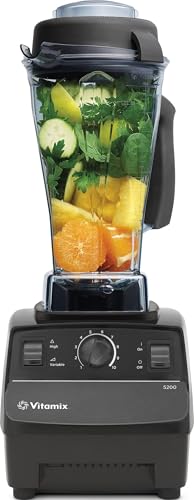
Three Profiles That Handle Ice Well
Instead of naming individual models, shop by profile. The three profiles below describe the specification patterns that reliably crush ice at different budgets. Match a profile to your routine, then confirm the details in the product table above.
Daily Heavy Use Profile
For daily frozen drinks, look for a motor around 1,200 to 1,500 watts, thick stainless blades, a 64 ounce jar, and variable speed with pulse. This profile turns a full load of cubes into even snow for margaritas and smoothies, and it handles frozen fruit in the same pass. Expect to pay about $150 to $300. The costs are counter space and noise: machines at this level are tall, heavy, and loud at full speed, so measure your cabinets and think about when you blend.
Weekly Use Profile
The value profile covers most households that blend ice a few times a week. Aim for about 1,000 watts, a sturdy jar of 48 to 64 ounces, and a dedicated pulse or ice crush setting. Prices usually sit around $80 to $150. You give up some speed and finesse: loads may need an extra pulse or two, and the finest snow texture is harder to reach. What you keep is dependable crushing for smoothies and frozen drinks, provided you add liquid and keep batches to a sensible size.
Premium Profile
Premium ice machines pair motors above roughly 1,400 watts with heavy bases, metal drive parts, and long warranties of seven years or more. They crush large loads fast, stay planted on the counter, and run quieter relative to their power. Prices often land around $300 to $450. This profile suits home bars, big families, and anyone blending frozen drinks daily. If your ice use is a weekend smoothie, the premium tier is more machine than the job requires, and the value profile will satisfy you for far less.
How to Choose: The Buying Guide
Ice performance is a system, not a single number. The sections below break the system into parts, with the thresholds that separate machines that crush from machines that bounce cubes around. Somewhere in these details you will find the reason a friend's cheaper blender outperforms a pricier one, because the best blenders for blending ice are the ones where every part supports the same job.
Features That Matter for Blending Ice
Ice demands impact and circulation at the same time. The blades must strike cubes hard enough to fracture them, and the jar must keep feeding uncrushed pieces back down. Look for thick blades with angled wings, a jar that narrows toward the base, and a stated ice crushing function backed by real wattage. A tamper helps with thick frozen mixtures. Avoid designs with thin, flat blades and wide, square jars, because cubes ride up the walls and spin untouched above the blades.
Motor Power and Wattage
For regular ice crushing, treat about 1,000 watts as the practical floor and 1,200 watts or more as comfortable. Wattage figures can mislead, though, since some listings quote a brief peak the motor cannot sustain. What matters is power held under load, which shows up in heavier bases and stronger drive gears. Pulse mode stretches a modest motor further, because short bursts fracture ice before the load packs down. If a listing hides its wattage or quotes only horsepower, read that as a warning and check the warranty length instead.
Footprint, Storage, and Cord Length
Strong ice blenders are big. A full size base with a 64 ounce jar can stand 17 to 19 inches tall, which may not fit under standard upper cabinets. Measure your clearance with the lid on, and note the width, because powerful bases are wide as well as tall. Cord length shapes daily use too: a cord around 3 to 4 feet reaches most outlets, and built in cord storage keeps counters tidy. If the machine must live in a cabinet, weigh the lifting honestly, since heavy bases discourage use.
Jar Material: Tritan, Glass, and Stainless
Tritan is the common premium choice: light, tough, BPA free, and resistant to the impacts of flying ice. Glass looks classic and resists scratches and odors, but it is heavy and can crack under thermal shock or a hard drop, and some makers advise against crushing ice in glass jars. Stainless steel hides the blend from view, which makes judging texture harder, though it is nearly indestructible and suits hot liquids. For ice first households, Tritan usually wins on the balance of weight, strength, and visibility.
Noise Level
Crushing ice is the loudest thing a blender does, because every impact adds to the motor roar. Heavier bases and thicker jars lower the pitch and reduce rattling, while light budget models can be genuinely startling at full speed. If you blend early or live in an apartment, look for sound dampening design, start loads on a lower speed, and place the base on a folded towel to calm counter vibration. A few premium models add a removable sound shield, which helps but adds bulk and cost.
Capacity and Jar Size
Ice needs room to move. A 64 ounce jar handles family batches of frozen drinks, but filling it to the brim with cubes stalls circulation, so plan on ice filling no more than about half the jar with liquid making up the working volume. Personal jars of 20 to 32 ounces suit one drink and crush small loads efficiently. If you mostly blend for one or two people, a midsize 48 ounce jar often crushes better than a big one, because the load stays closer to the blades.
Types of Blenders
Blender and Food Processor Combos
Combo units pair a blender jar with a processor bowl on one base. They save space and suit cooks who chop as often as they blend. The compromise is that the blender side is usually mid powered, so ice crushing is adequate rather than outstanding. Choose a combo when counter space is tight and your ice loads are modest. If frozen drinks are the main event, a dedicated blender at the same price almost always crushes better.
Hand Mixers
Hand mixers belong in this list mainly as a warning: they cannot crush ice. Their beaters are built for batters and creams, and ice will bend the beaters and strain the motor. Keep them for baking. If a recipe calls for both mixed batter and a frozen element, blend the frozen part in a real blender and fold the two together by hand.
Immersion Blenders
Immersion blenders, also called stick blenders, puree soups and sauces right in the pot and rinse clean in seconds. They are not ice tools: the small blade guard cannot process cubes, and attempting it risks damaging the blade and the pan. Their place in an ice household is as a companion for hot drinks and soups while the countertop machine handles the frozen work. Readers comparing the two roles often start with our guide to the best blenders for smoothies and ice, which covers combined routines.
Full Size Countertop Blenders
The full size countertop blender is the natural home of ice crushing. A heavy base, a tall jar, and a powerful motor give cubes the impact and circulation they need. This is the format behind the profiles above and the one to buy when frozen drinks, smoothies with frozen fruit, and crushed ice for parties are regular jobs. For a narrower focus on drinks alone, see our guide to the best blenders for ice drinks.
How to Make Your Blender Last Longer
- Load in order. Add liquids first, then soft ingredients, then ice on top, so the vortex forms and pulls cubes down steadily.
- Respect the max line. Overfilling packs ice against the lid, stalls circulation, and strains the motor and seals.
- Clean right away. Warm water and a drop of soap, blended for thirty seconds, prevents residue from hardening around the blades.
- Rest between batches. Let the motor cool for a minute between heavy ice loads, especially on midrange models.
- Check the drive gear. A worn socket makes even a strong motor feel weak, and replacements are cheap on supported models.
One more habit pays off: use pulse for the first few seconds of every ice load. Those short bursts fracture big cubes into pieces the blades can then circulate, which shortens the blend and reduces the strain of one long, grinding run. If you also make frozen desserts, our guide to the best blenders for ice cream explains how texture goals change the technique.
Blenders: Your Questions Answered
What features matter most in blenders for blending ice?
Sustained motor power, thick angled blades, and a jar that narrows at the base matter most. Together they fracture cubes and keep the pieces circulating until the texture turns even. Pulse control and a tamper add real help with thick loads. Jar material counts too, since ice impacts punish weak plastic. A stated ice crushing function is a useful sign, but only when the wattage and blade design back it up with numbers you can check.
Is a more expensive blender worth it?
For ice, the upgrade buys durability more than magic. Premium motors hold speed through full loads, metal drive parts outlast plastic ones, and warranties stretch to seven years or more. If you crush ice weekly, that reliability is worth paying for. If frozen drinks are a monthly treat, a value profile machine around 1,000 watts will do the job well, and the money saved can go toward a second smaller jar for single drinks.
What is the difference between a blender and a food processor?
A blender liquefies with fast blades in a tall jar, which is why it can turn ice and liquid into slush. A food processor chops and slices with slower blades in a wide bowl, and it cannot circulate a drink. For shaved style ice in small amounts, a processor with a grating disc can work, but for smoothies and frozen drinks the blender is the right tool. Combo units exist, though each side usually gives up a little performance.
Can a blender crush ice?
Yes, when it is built for the job. The safe signs are wattage near or above 1,000, thick stainless blades, and instructions that describe crushing ice rather than warning against it. Technique matters: add liquid, use pulse first, and keep loads moderate. Small personal models can manage a few cubes, and our guide to the best personal blenders for ice covers their limits in detail.
How do I clean a blender quickly?
Blend warm water with a drop of dish soap for thirty seconds right after use, then rinse and air dry with the lid off. Ice drinks leave little residue, but fruit sugars dry sticky if you wait, so the quick cycle is worth the habit. For the exterior, a damp cloth keeps the base tidy; never submerge it. Most Tritan jars can go in the dishwasher, though hand washing keeps the plastic clearer over the years.
How many watts does a good blender need?
For ice, about 1,000 watts is the sensible floor and 1,200 to 1,500 watts is the comfortable zone for full jars. Lower powered machines can crush small amounts with liquid and patience, but daily use wears them quickly. Treat wattage as one clue among several: blade thickness, jar shape, and warranty length together predict ice performance better than any single figure printed on the box. A related guide on the best blenders for chopping ice looks at coarser textures specifically.
The Bottom Line
Choose sustained power near or above 1,000 watts, thick blades in a jar that funnels cubes downward, and a size that matches your batches, and ice stops being a struggle. Compare your shortlist in the product table above, weigh warranty length alongside price, and the best blenders for blending ice for your kitchen will be easy to spot.


