
The Best Blenders for Ice Drinks: A Complete Buying Guide for 2026
Disclosure: We may earn a commission when you buy through links on this page, at no extra cost to you. As an Amazon Associate I earn from qualifying purchases. Learn more

Compare the best blenders for ice drinks by motor power, jar material, blades, speed controls, size, and price, with a clear guide for your home.
Nothing exposes a weak blender faster than a tray of hard ice cubes. The motor strains, the blades skate across the top, and your drink ends up watery with big chunks floating in it. The best blenders for ice drinks avoid that scene by pairing real crushing power with the right blade shape and jar design. This guide explains the specs that decide whether ice becomes smooth snow or stays in lumps, then sorts the market into clear price tiers so you can buy once and blend happily for years.
Think about your main drink first: daily smoothies, weekend frozen margaritas for a group, or slushy drinks for kids. Each asks for a different jar size and power level, and the product table above reflects those uses.


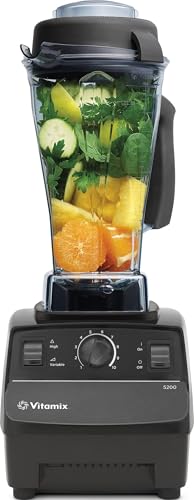
Price Tiers at a Glance
This section describes what each price tier reliably delivers for ice work. Match your blending frequency to a tier, then confirm the features in the buying guide that follows. For a wider view of drink machines, browse our guide to the best drink blenders.
Performance Tier: Around $100 to $250
This tier suits households that blend ice several times a week. Motors are strong enough to crush a full tray of cubes without pauses, jars are thick Tritan or glass with room for family size batches, and preset programs handle the pulsing pattern for you. You also get better bearings and seals, which means less leaking and less wobble at high speed. The limit is size and noise: these machines are tall, heavy, and loud, so measure under your cabinets first.
Value Tier: Around $50 to $100
The value tier suits smoothie drinkers who use ice in moderate amounts and blend a few times a week. Power is adequate for cubes when you add enough liquid and pulse patiently, and jars are usually decent quality plastic or glass. You give up the strongest motors and the longest warranties, and you may need to stop and shake the jar or use smaller cubes. For the price, that small effort is a fair trade.
Starter Tier: Around $30 to $50
Beginner tier machines suit occasional use, small kitchens, and anyone unsure how often they will actually blend. They handle soft ice, frozen berries, and protein shakes with liquid, and they store in a drawer or small cabinet. Their limits show quickly with hard, dry cubes and big batches: motors heat up and results can stay chunky. Treat this tier as a trial step, and move up if frozen drinks become a weekly habit.
How to Choose the Best Blenders: Buying Guide
Ice is the hardest common ingredient in a home kitchen, denser than frozen fruit and far less forgiving than soft foods. When you compare the best blenders for ice drinks side by side, judge them on the six points below, in this order. Power and blade design come first, because no preset or stylish jar can rescue a machine that stalls on the first tray of cubes.
Features That Matter for Ice Drinks
Ice drinks demand torque at low speed, a jar shape that pulls cubes down into the blades, and a lid that stays sealed while contents surge. Look for a stated ice crushing function, metal drive gears rather than plastic ones, and a jar with a narrow base and angled walls. A 48 to 64 ounce jar handles group batches, while a 24 ounce personal jar limits you to one serving. If chopping ice is your main goal, our guide to the best blenders for chopping ice goes deeper on texture control.
Motor Power and Wattage
Wattage is a rough guide, not a promise, because blade design and jar shape decide how much power reaches the ice. As a working rule, about 600 to 900 watts handles smoothies with moderate ice, while about 1,000 to 1,400 watts crushes full trays of hard cubes quickly. Peak wattage claims can flatter weak motors, so favor brands that state continuous power. If a motor smells hot or slows on ice, stop, add liquid, and work in smaller batches.
Noise Level
Crushing ice is loud in any machine, often louder than normal conversation, and the sound peaks in the first ten seconds. If you blend early in the morning in an apartment, look for models with sound dampening bases, and blend on a folded towel to cut counter vibration. No blender is quiet with hard ice, so the realistic goal is a shorter loud burst from a powerful motor, not silence from a weak one.
Jar and Bowl Material (Tritan, Glass, Stainless)
Tritan plastic is the most common premium jar material because it is light, tough, and slow to crack. Check that any plastic jar is marked BPA free. Glass jars resist scratches and odors but are heavy and can chip if dropped. Stainless steel jars are nearly unbreakable yet hide contents, which makes judging texture hard. For daily ice work, Tritan offers the best balance of weight, durability, and visibility for most homes.
Blade or Attachment Design
Ice crushing blades are thick, blunt, and angled to smash rather than slice, which is why they feel dull to the touch yet pulverize cubes so well. A removable blade assembly cleans more thoroughly but adds a seal that can leak if worn, while a fixed blade built into the jar seals better and needs a rinse and spin cleaning routine. Extra attachments such as a dough hook or whisk belong to other appliances, so do not pay extra for them here. What you want is a sturdy stainless blade, a metal drive socket, and a tamper if the jar is tall.
Speed Settings and Presets
A strong pulse function matters more than a dozen speed numbers, because short bursts let cubes settle back onto the blades between hits. Variable speed helps you start slow with liquid and greens, then climb to full power for the ice. Preset programs for smoothies and ice crushing automate that pulse and ramp pattern, which beginners find genuinely useful. Beyond three or four speeds plus pulse, extra settings add little, so spend on motor and jar quality first.
Types of Blenders
Not every countertop appliance that spins can make a good ice drink. This short tour clears up the common confusions, including appliances that sit near blenders in stores but do different jobs. If your menu leans toward frozen cocktails and party drinks, our guide to the best blenders for mixed drinks covers batch sizing for entertaining.
Blender and Food Processor Combos
A combo pairs one motor base with both a blender jar and a processor bowl, saving storage space and money compared with two separate machines. The blender side can crush ice as well as its jar and blade allow, so judge it by the same rules above. The compromise is that shared bases rarely match the strongest dedicated blenders for daily heavy ice work. Combos suit varied cooks who blend weekly and chop often.
Immersion (Stick) Blenders
An immersion blender blends right in a cup or pot, which is brilliant for soups and protein shakes but weak for hard ice. The small blade guard traps cubes poorly, the motor has less torque, and flying ice chips can damage cookware and splash your counter. Use one for drinks built on crushed ice made another way, or for soft frozen fruit with plenty of liquid. For true ice crushing, it is the wrong tool, so keep it as a partner appliance, not your main drink machine.
Setup and Care Tips
- Add liquids first, then soft ingredients, then ice. Liquid around the blades creates a vortex that pulls cubes down, so the motor works less and the texture turns smooth faster.
- Do not overfill past the max line. Ice expands the load as it breaks apart, and an overfilled jar stalls the motor and can force the lid upward mid blend.
- Clean right away with warm water and a drop of soap. A twenty second blend with soapy water, then a rinse, prevents sticky residue from hardening around the blade assembly.
- Let the motor rest between heavy batches. A minute of rest after each full tray of ice protects a midrange motor from overheating during party prep.
- Use smaller or cracked cubes for weaker machines. Letting cubes sit for five minutes to soften slightly, sometimes called tempering, saves real strain on value tier motors.
Blenders: Your Questions Answered
What features matter most in blenders for ice drinks?
Motor torque, blade shape, and jar design matter most, in that order. A thick, angled stainless blade in a jar that funnels cubes downward will outperform a sharper blade in a wide, flat jar with the same wattage. A pulse function and a tight sealing lid complete the core list. One often missed detail is the drive socket: metal sockets survive ice shock loads far longer than plastic ones, so check that part before you buy.
Is a more expensive blender worth it?
It is worth it if you crush ice several times a week, because stronger motors finish faster, run cooler, and carry longer warranties that spread the cost over many years. Occasional users get better value from the midrange, provided they add enough liquid and pulse patiently. The honest test is your last month of habits, not your ambitions.
What is the difference between a blender and a food processor?
A blender uses a tall jar and a fast blade to turn foods into liquids and smooth purees, which is why drinks belong to it. A food processor uses a wide bowl and slower blades to chop, slice, and shred, and it struggles with lots of liquid. Processors can chop ice coarsely, but the texture is uneven. For smooth frozen drinks, choose the blender, and keep the processor for dough and vegetables.
How many watts does a good blender need?
A good blender for ice drinks needs about 1,000 watts or more for fast, fine crushing of hard cubes, though 600 to 900 watts can manage smoothies with moderate ice and enough liquid. Wattage alone does not guarantee results, since blade and jar design decide how power is used. Treat wattage as a screening tool: below about 500 watts, expect chunky results with hard ice. Above that line, compare blade design, jar shape, and warranty to separate the strong from the merely loud.
How do I clean a blender quickly?
The fastest safe method is to rinse the jar, fill it halfway with warm water, add one drop of dish soap, and blend on medium for about twenty seconds. Rinse again and let it air dry upside down. Never reach inside a jar that is still mounted on a plugged in base. For sticky residue, a short soak before the soap blend saves scrubbing.
Can a blender crush ice?
Yes, many blenders can crush ice, but only models designed for it do the job well and survive it long term. Check that the manual or product page explicitly allows ice crushing, because using a light duty blender on hard cubes can crack jars and strip plastic gears. Add liquid, pulse in short bursts, and let cubes settle between pulses for the finest texture. If your machine labors, temper the cubes at room temperature for a few minutes and try a smaller batch.
Wrapping Up
Power you can feel, a blade built to smash, and a jar that funnels ice downward: those three traits decide your results far more than brand or color. Choose your tier by how often you blend, confirm the drive socket is metal, and recheck the product table above before you order. Get those calls right, and the best blenders for ice drinks will turn a tray of cubes into smooth, frosty drinks on demand. If counter space is your main worry, models in our best blenders for smoothies and ice guide include several compact options worth a look.


