Best Blenders With Glass Jar (2026): Types, Power and Buying Tips
Disclosure: We may earn a commission when you buy through links on this page, at no extra cost to you. As an Amazon Associate I earn from qualifying purchases. Learn more

Glass resists stains and handles hot blends, but it is heavy. Here is how to choose the best blender with glass jar for your kitchen.
A glass jar on the counter looks simple, but the wrong one can crowd your kitchen and still struggle with frozen fruit. The best blender with glass jar for your home depends on how many people you serve, how much room you can give it, and what you blend most often. Glass resists stains from berries and turmeric, handles hot soups without warping, and feels steady during heavy blends. It also weighs more than plastic and can break if it falls.
This guide walks you through capacity, power, safety, and budget before comparing three types side by side in the comparison table below. If you are still weighing glass against other jar materials in general, start with our broader guide to the best blender range, then return here to narrow your pick by household size and daily routine.


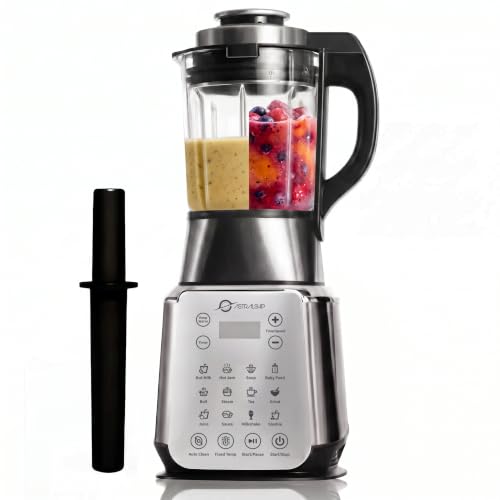


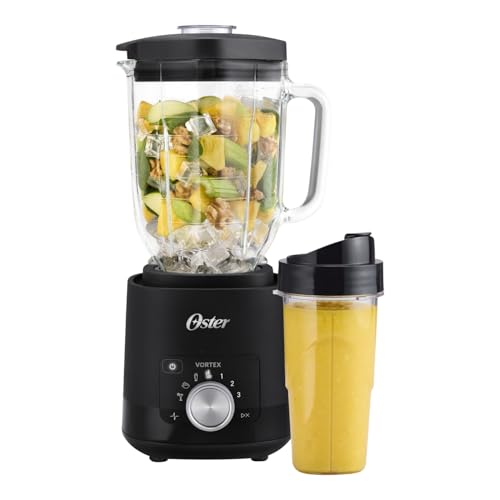

Quick Answer: Three Types in 30 Seconds
Match the type to your household first, then check power and height.
- Compact glass jar blenders, about 40 to 48 ounces, suit one or two people and small counters.
- Full size glass jar blenders, about 56 to 64 ounces, suit families who batch soups and frozen drinks.
- Premium high power models suit cooks who crush ice often, blend hot liquids weekly, and want longer warranties.
Before You Buy: A Quick Checklist for Choosing a Blender
Use this checklist in order, starting with space and capacity.
Size: Match It to Your Space
Think in servings, not just ounces. A 40 to 48 ounce jar makes two generous smoothies and stores easily, while a 56 to 64 ounce jar handles soup for four or a round of frozen drinks without a second batch. Very large jars near 72 ounces need bigger batches to blend well, because small amounts can sit below the blades and stall. Compact footprints suit apartment kitchens, a point covered in our guide to the best small blender options.
Which Type Fits Your Routine
A standard countertop model covers weekend smoothies, milkshakes, and pancake batter at a modest cost. A high speed model earns its price when you blend frozen fruit, fibrous greens, or nut based drinks several times a week. If mornings center on gym drinks, our guide to the best blender for protein shakes explains serving sizes for that routine, while glass jar shoppers should confirm the glass jar, not just a plastic travel cup, does the main blending work.
Features Worth Paying For and Ones to Skip
Pay for a tamper that pushes thick mixtures toward the blades, clear measurement marks, a lid that seals firmly yet pours cleanly, and a pulse setting for chunky salsa. Skip bundles of extra cups and attachments you will store and forget, decorative finishes, and long lists of presets that repeat the same few speeds. Money saved there is better spent on jar thickness and warranty length.
Wattage, Power and Energy Use
Wattage hints at strength, but jar shape and blade design decide how well that strength reaches the food. About 400 to 700 watts handles soft fruit, shakes, and batter. About 900 to 1400 watts gives frozen fruit and ice a real chance to turn smooth instead of bouncing around the jar. Even a strong motor uses little electricity per blend, because it runs for a minute or two, so energy cost rarely separates two models.
Safety Features and Certifications
Look for a lid that locks or sits deeply in place and a base that stays put on the counter. Certification marks from UL or ETL show the electrical design passed independent safety testing in the United States. Glass adds its own rules. Never pour boiling liquid into a cold jar, leave headroom for steam, and keep a hand on the lid during the first seconds of a hot blend. Stop at once if you see a crack, a chip on the rim, or leaking around the base, and replace the jar before using the blender again.
Counter Space and Dimensions
Measure the space between your counter and the bottom of your upper cabinets, then compare it with the full height of the blender with its lid on. Many homes have about 17 to 18 inches there, and tall jars can exceed that. If you plan to store the blender in a cabinet, check its listed weight, since a heavy glass jar makes frequent lifting a real chore for some users.
Realistic Budget Ranges
Expect to pay about $40 to $80 for a simple glass jar blender for light blending, about $80 to $180 for stronger motors, thicker jars, and better controls, and about $180 to $400 for premium high speed models with long warranties. Your total budget should also leave room for a replacement gasket or jar later, because one drop onto a tile floor can end an otherwise healthy blender.
Three Types Compared: Which Glass Jar Blender Fits Your Home?
With the checklist settled, the market sorts into three broad types.
Compact Glass Jar Blenders for Small Households
Compact models pair a 40 to 48 ounce glass jar with a modest base that tucks into a corner or a low cabinet. They suit singles, couples, and small kitchens. Smoothies, dressings, and small batches of soup all work well at this size. The limits show up when you cook for guests, because a second batch takes time, and thick mixtures have less room to circulate. Choose this type if storage space, low weight, and a low price matter more than batch size.
Full Size Glass Jar Blenders for Families
Full size models carry 56 to 64 ounce jars and mid range motors built for shared meals. They suit families of three to five who blend soup for dinner, frozen drinks for a group, or big weekend batches of sauce. The wider jar helps food fall back toward the blades, and the heavier glass keeps the unit planted during ice crushing. You give up counter room and easy storage. Choose this type when one batch for everyone matters more than a small footprint.
Premium High Power Glass Jar Blenders for Long Term Use
Premium models combine strong motors, thick walled glass jars, and sturdy bases built for daily heavy use. They turn frozen fruit and ice into smooth drinks quickly, handle hot soup in larger batches, and often include longer warranties. The costs go beyond price. These units are tall, heavy, and louder at full speed, and their jars cost more to replace. Choose this type if blending is a daily habit in your home and you expect to keep the same machine for many years.
Our Selection Process for the Best Blenders With Glass Jar
We compared glass jar blenders using the factors in the checklist above: capacity against household size, motor strength for ice and frozen fruit, jar thickness and lid fit, counter height, safety certification, cleaning effort, noise, and warranty length. Details came from manufacturer specifications and from patterns in verified buyer reviews, such as repeated reports of leaking gaskets or hard to read markings. We also left out models whose glass jars were no longer sold as replacements, because a blender you cannot repair is a poor long term buy.
Do You Really Need a Blender with Glass Jar?
Glass shines for hot liquids, tomato sauces, and strongly colored foods, because it resists stains and odors and does not turn cloudy as quickly as plastic. It also feels stable on the base and, on most models, the jar can go in the dishwasher, though you should confirm that for the jar you choose.
Plastic jars weigh less and survive drops better, which matters in homes where young children carry the jar to the sink. If you often chop onions or process dry goods in larger volumes, a food processor may serve you better, and our explainer on blender vs food processor tasks shows where each tool wins. Choose glass when hot blends, clarity, and stain resistance top your list, and accept the extra weight.
Common Buying Mistakes to Avoid
- Buying a jar taller than your cabinet clearance, so the blender ends up stored in a closet and rarely used.
- Choosing capacity by the largest party you host once a year, then fighting an oversized jar daily.
- Filling a hot blend to the top line, which lets steam push at the lid and force liquid out.
- Ignoring replacement jar prices, so a single crack later costs nearly as much as a new blender.
- Judging power by wattage alone, while skipping the tamper and jar shape that move thick mixtures.
Cost of Ownership and Care
Running costs stay low. Electricity for a two minute blend costs very little, and there are no filters or pods to replace. Budget instead for a spare gasket, since the rubber ring at the jar base hardens and leaks over time, and know the price of a replacement jar before you buy.
Store the jar uncovered, or with the lid resting loosely on top, so trapped moisture does not leave a stale smell. Dry the gasket after washing, and seat it flat before each blend to prevent slow leaks. A deeper routine sits in our guide on how to clean a blender the right way, and following it keeps the glass clear and the seal tight.
Your Questions, Answered
What is the most reliable blender brand?
Reliability depends more on the specific model line than on the name on the base. Look for a warranty of at least three years on the motor, plus replacement jars and gaskets that are easy to order. A simple control dial with fewer electronic boards also gives you fewer parts that can fail, which is one reason basic models often outlast feature packed ones in busy family kitchens.
How do you clean a blender?
Rinse the jar right after use so nothing dries onto the glass. Fill it about halfway with warm water, add one drop of dish soap, and run it for about 30 seconds with the lid held firmly in place. Rinse again and let it air dry. Dried smoothie residue is the main exception, so soak that jar in warm water for about 15 minutes first, and never use a metal scrubber on the measurement marks.
Is a blender worth it?
It is, if you will use it at least twice a week. A home smoothie habit, weekly soups, or regular homemade sauces quickly outweigh the cost of buying those items ready made. Learning how to use a blender for basics like dressings and crushed ice drinks widens its value beyond smoothies. If you rarely blend liquids, a glass jar model will likely sit unused, so skip it.
How long does a blender last?
Most glass jar blenders last about five to ten years in home use, with the jar, gasket, and blade assembly usually wearing out before the motor. Warning signs include a burning smell during normal loads, a jar that rocks on the base, or blades that leave ice chunks behind. Replacing a worn gasket early is cheap insurance, because a slow leak can reach the motor housing.
Is a blender with glass jar worth it?
It is worth it when clarity and hot blending matter to you. Glass stays clear after years of tomato sauce and berry smoothies, while plastic often clouds and holds odors that can change the taste of mild drinks. Glass also makes a better resale item, since buyers can see its condition at a glance. If drops are likely in your kitchen, weigh your floors and your habits honestly first.
What is the best blender with glass jar?
The best choice is the model whose single hardest limit fits your home. Start with cabinet height, because a blender that cannot stay on the counter rarely gets used. Next, match capacity to your usual serving count, then pick the strongest motor your budget allows. If two models still tie, choose the one with the cheaper replacement jar, a detail most shoppers never check until a crack forces the question.
Final Thoughts
A blender earns its counter space when it fits your home as well as your recipes. Compact types serve small households, full size jars feed families in one batch, and premium models reward daily heavy use. Use the product table above to compare the types against your measurements and budget, and you will land on the best blender with glass jar for the way your household really cooks, blends, and cleans up each week.