Best Blenders Under $200 (2026): Types, Power and Buying Tips
Disclosure: We may earn a commission when you buy through links on this page, at no extra cost to you. As an Amazon Associate I earn from qualifying purchases. Learn more

What your money buys at this cap: how to choose the best blender under 200 for your household, counter space and recipes.
Your old blender leaves spinach flecks in every smoothie and stalls on frozen fruit, yet a premium machine costs more than your grocery budget for a month. The best blender under 200 dollars should handle daily smoothies, soups, and sauces without taking over your counter or your paycheck. This guide helps you choose by household size, kitchen space, and the foods you blend most often, starting with the comparison table below.
Under this price cap you give up some power and some quiet, but not good results. If your budget can stretch further, see our guide to the best blender for a wider view. For most homes, the smarter move is matching jar size, motor strength, and controls to your real routine.





Quick Answer: Which Type Fits Your Home
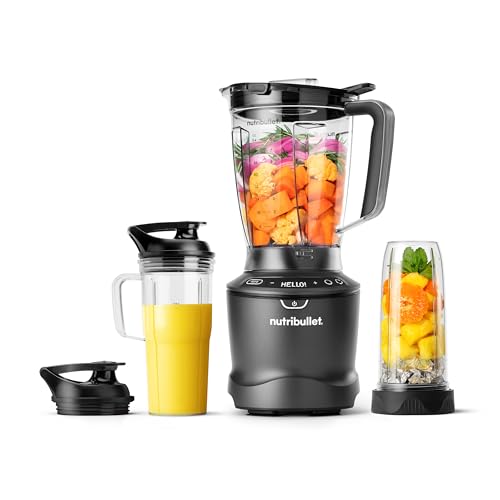
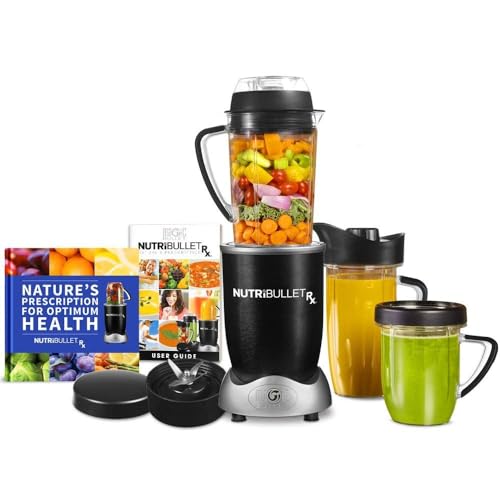
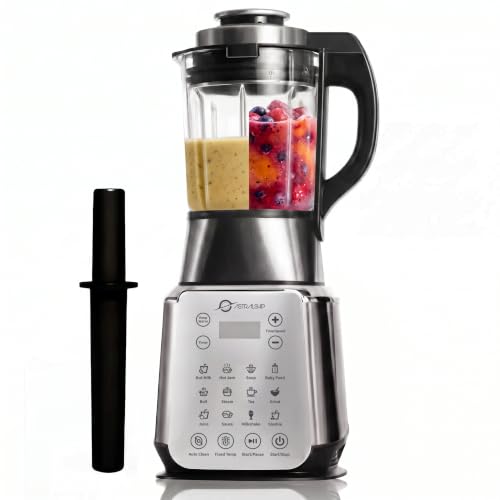
A full size countertop model suits families blending big batches for three or more people. A compact or personal model suits one or two people, small counters, and single servings taken to work or the gym. Models in the upper half of this budget add stronger motors, larger jars, and preset programs. Start with the type that fits your household, then use the checklist below to narrow the details.
Before You Buy: A Quick Checklist for Choosing a Blender
Size: Match It to Your Space
Jar capacity decides how much you can blend in one batch. Personal jars of about 18 to 24 oz work for single smoothies, while mid size jars of about 48 oz suit couples. Large jars of 64 to 72 oz help when you cook soup for a crowd or prep sauces for the week. Bigger is not always better, since a large jar needs more liquid to blend small amounts well. If storage room is tight, compare the options in our guide to the best small blender before you commit to a full size base.
Which Type Fits Your Routine
Countertop blenders are the general purpose choice for smoothies, frozen drinks, and pureed soups. Personal blenders blend in the serving cup, which cuts washing up and suits a daily best blender for protein shakes routine after training. High speed models cost more within this budget but handle nut butters and hot soups with less straining. Hand blenders serve narrow tasks, so buy one only when that task dominates your cooking. Most households do best with one capable countertop unit rather than two weaker specialty tools.
Features Worth Paying For, and Ones to Skip
A tamper helps push thick mixtures toward the blades without stopping the motor, and to go cups add real value if you blend and leave each morning. Preset programs are convenient, though a simple dial with pulse control covers the same jobs for less money. Glass jars resist scratches and odors, and our guide to the best glass blender explains who benefits most. Skip heated bases, smart screens, and vacuum pumps unless you will use them weekly, since each adds cost and parts that can fail.
Wattage, Power, and Energy Use
Motors in this price range commonly list about 600 to 1400 watts, but wattage alone does not tell you how well a blender crushes ice or frozen fruit. Blade design, jar shape, and how the motor handles load matter just as much. Look for a model that keeps speed under thick loads instead of slowing and straining. Energy use stays modest because blending runs in short bursts. Choose enough power for your thickest regular recipe rather than the highest number on the box.
Safety Features and Certifications
Look for a lid that locks in place and a base that will not run until the jar sits correctly on it. Automatic shutoff protects the motor when a mixture gets too thick or the unit runs hot. Listings from UL or ETL show the electrical design passed independent safety testing, so check the box for one of those marks. Stable feet matter too, because a blender that walks during ice crushing can spill or tip. Keep hands and utensils out of a running jar, and use the tamper made for your model.
Counter Space and Dimensions
Measure the gap between your counter and your upper cabinets before you shop, then compare it with the height listed for each model with the lid on. Many full size blenders stand about 17 to 18 inches tall and will not fit upright under standard cabinets. Check the footprint too, since a wide base can crowd out a coffee maker you use daily. A model that must live in a hallway closet will get used far less often.
Realistic Budget Ranges
Spending more within this cap buys capacity, power, and convenience rather than a different kind of machine. Use these tiers to set expectations before you compare models in the product table above.
- Under $50: basic personal and small countertop models for soft fruit smoothies and shakes, with small jars and simple controls.
- About $50 to $100: stronger motors, jars around 48 oz, and pulse control that handles ice in modest amounts.
- About $100 to $150: full size jars, better blades, and preset programs that suit daily family use.
- About $150 to $200: the strongest motors in this guide, larger jars, extra cups, and longer warranties on some models.
Types Compared: What Your Money Buys Under $200
Compare the three types below against your household. Each type can be the right best blender under 200 dollar choice for a different kitchen, and the wrong one for another.
For Most Homes: Full Size Countertop Models
These models pair jars of 64 to 72 oz with motors near the top of the range above, so they puree family soup and crush ice for frozen drinks. Variable speed dials give control over texture, from chunky salsa to smooth puree. The trade off is size, since the tall jar and heavy base claim real counter room. Choose this type when you cook for three or more people or batch prep on weekends.
For Tight Budgets: Simple Midrange Models
Models around the middle tiers keep the essentials, a jar near 48 oz, a few speeds, and a pulse button, and skip screens and extra programs. They blend smoothies, milkshakes, and soft soups well and store more easily. Ice crushing works in smaller loads with enough liquid. The trade off is patience, since thick mixtures may need a stop and stir. Choose this type when your blending is daily but simple.
For More Features: Models With Extra Programs and Cups
Near the top of the budget, some models add preset cycles, to go cups, and attachments that extend what one base can do. A base that also chops can blur the line with a second appliance, which is why our comparison of blender vs food processor helps before you pay for attachments. The trade off is clutter and cost, because every added part needs storage and eventual replacement. Choose this type only when each extra matches a weekly habit.
Our Selection Process for Blenders in This Price Range
This guide weighs capacity, blending performance for common foods, ease of use, cleaning effort, noise, safety features, and warranty terms. The comparison draws on manufacturer specifications, published dimensions, and patterns in verified buyer feedback. Prices stay approximate because listings change often.
What You Get, and Give Up, Under $200
At this cap you can expect smooth results with frozen fruit, leafy greens, and ice in reasonable loads, plus jars big enough for family soup. You can also expect useful presets, solid safety features, and warranties covering home use for several years on better models.
What you give up is the top tier of power and quiet. Thick nut butter may need added liquid and patience, and fibrous greens can leave slight texture in cheaper jars. Sound levels stay closer to a loud conversation than to a whisper. If you blend for a cafe or crush ice all day, this budget is the wrong tier.
Common Buying Mistakes to Avoid
- Buying the largest jar for a one person home, so small smoothies pool under the blades and blend unevenly.
- Judging by wattage alone, so you pay for a big number while jar shape leaves chunks behind.
- Skipping the cabinet height check, so the new blender only fits on the counter by blocking a cabinet door.
- Ignoring replacement part costs, so a cracked jar or worn gasket turns a bargain into a costly repair.
- Paying for programs and attachments you will rarely use, so storage fills up while the core blending stays ordinary.
Cost of Ownership and Care
Running costs stay low, since blending uses power in short bursts. The real costs arrive later, in replacement jars, lids, gaskets, and blade assemblies, so check part prices for a design before you buy. Keep the receipt and warranty details, because motor coverage varies widely in this price range.
For care, store the base with the cord loose rather than wrapped tight, and keep the jar lid ajar in storage so trapped moisture does not leave stale odors. Inspect the gasket and blade area for cracks or looseness every few months. A blender kept dry and never run empty for long stretches holds its performance far longer than one left soaking in the sink.
FAQ
What is the most reliable blender brand?
Reliability depends more on the specific model and its support than on the badge on the base. Look for a warranty that covers the motor for several years, spare jars and gaskets that are easy to order, and few electronic extras that can fail. Register the product after purchase and keep the receipt, since some brands require both for warranty service.
How do you clean a blender?
Fill the jar halfway with warm water, add a drop of dish soap, and blend on low for about 30 seconds, then rinse and air dry. For dried residue, soak the jar for ten minutes first and wipe with a soft sponge, never a metal scrubber. Dry the gasket fully before reassembly, which stops musty smells in the seal. Our step by step guide on how to clean a blender covers stains and blade care.
Is a blender worth it?
For homes that make smoothies, soups, or sauces at least twice a week, yes, the cost per use drops fast. Compare the price of one cafe smoothie with a week of home batches using frozen fruit, and the machine can pay for itself within a few months. If you blend only during one short season each year, a basic model makes more sense.
How long does a blender last?
A blender in this price range typically lasts about 5 to 10 years with home use, with the jar, gasket, and blade assembly wearing out before the motor. Grinding dry spices or running thick loads without liquid shortens that span. When blending times keep growing for the same recipe, treat that slowdown as an early sign that the blades or motor are nearing the end.
Can you get a good blender for under $200?
Yes, and for most home recipes the results match what pricier machines deliver, just with more noise and more patience on thick loads. The cap mainly limits motor strength, jar materials, and sound insulation rather than basic smoothie quality. One detail many shoppers miss is that mid priced models often include to go cups that premium lines sell separately.
What is the best blender under $200?
It is the model whose jar size, height, and controls match the recipes you actually make each week. Before you decide, list your three most common blends and check that the type you favor handles the thickest one without straining. Let that recipe list break the tie between two similar models, rather than a small difference in listed wattage.
Final Thoughts
Set your tier, measure your cabinet gap, and match the jar to your household, and the best blender under 200 dollars becomes a short and confident choice. Use the product table above to compare the finalists against the checklist one last time. A blender that fits your space and your weekly recipes will earn its counter spot every single day.