Best Blenders Under $100 (2026): Types, Power and Buying Tips
Disclosure: We may earn a commission when you buy through links on this page, at no extra cost to you. As an Amazon Associate I earn from qualifying purchases. Learn more

Full size, personal or glass jar: how to pick the best blender under 100 for your counter space and the foods you blend most.
Picture a weekday morning in a small kitchen. One person needs a smoothie before work, a child wants a milkshake after school, and the counter already holds a coffee maker and a toaster. A huge appliance will not earn its place there. The right best blender under 100 choice depends on your counter space, your household size, and the foods you blend most often.
This guide helps you match capacity, jar material, power, and features to daily life at home. Use the comparison table below to see how the main types differ, then work through the checklist before you spend anything.






Quick Answer: Three Types That Fit Most Homes
Most homes under this budget land on one of three types. If you want a broader view of the category first, start with our guide to the best blender and then return to this price range.
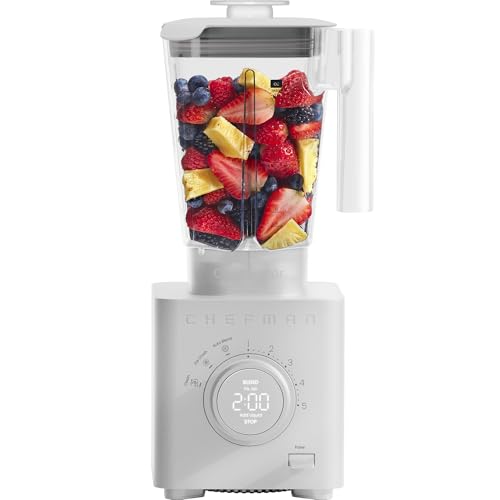
- Full size countertop models suit families who blend soups, sauces, and frozen drinks in larger batches.
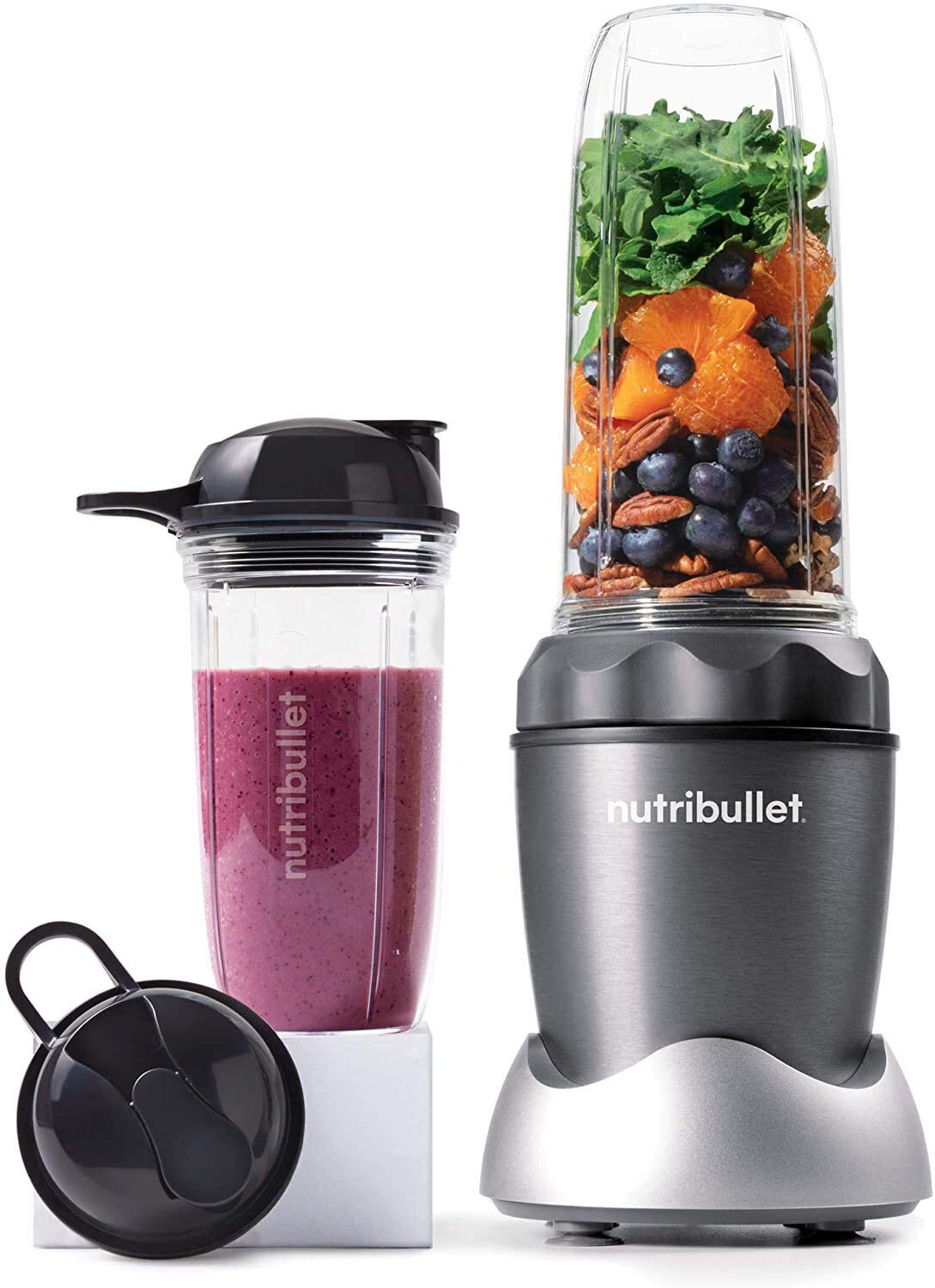
- Personal models suit one or two people who blend a single drink and take it with them.
- Compact mid size models suit small counters and modest batches, such as dips, dressings, and two smoothies at once.
None of these types wins for every home. The sections below explain the trade offs so you can pick the type that matches your routine, not the one with the longest feature list.
Before You Buy: A Quick Checklist for Choosing a Blender
Work through each point in order. Size and routine come first, because a powerful motor cannot fix a jar that is too big for your shelf or too small for your family.
Size: Match It to Your Space
Capacity is listed in ounces, and common sizes include about 32, 48, 64, and 72 ounces. A 48 ounce jar often suits two to four servings, while 64 ounces and above suit bigger batches. Personal cups usually hold about 16 to 24 ounces. If counter depth is tight, read our guide to the best small blender for narrower options that still handle daily drinks.
Which Type Fits Your Routine
Think about your three most common tasks. Smoothies and shakes need strong circulation and a jar shape that pulls fruit down to the blades. Hot soups need a vented lid and a jar rated for heat. Thick nut butters and frozen desserts need power and patience, plus a tamper to push food down. If your main goal is a drink after a workout, see our guide to the best blender for protein shakes for cup and lid details.
Features Worth Paying For and Ones to Skip
Useful extras include a tamper for thick mixes, travel cups that blend and go, and a food processor attachment if you truly lack counter room for two appliances. Our explainer on blender vs food processor shows where the two tools overlap. Skip a heating element, smart programs, and vacuum blending at this price unless you will use them weekly, because each one adds cost and parts to clean.
Wattage, Power and Energy Use
Most models in this range list about 400 to 1200 watts. Higher wattage helps with frozen fruit and ice, but blade design and jar shape matter just as much. A well shaped jar with a strong vortex can outperform a stronger motor in a wide, flat jar. Energy use per blend is small, since most jobs run for under two minutes, so power should guide performance choices rather than electricity worries.
Safety Features and Certifications
Look for a lid that locks or sits firmly, a base that stays put on the counter, and a listing from UL or ETL on the product page or box. Those marks show the appliance met an independent safety standard. Keep hands and utensils out of a running jar, and use the tamper only through the lid opening made for it. Stop and unplug the blender if you smell burning or see a cracked jar.
Counter Space and Dimensions
Measure height under your cabinets before you buy, because many full size models stand about 17 to 20 inches tall with the lid on. Leave a little room above the lid so you can remove it without tilting the jar. Check depth as well, since a deep base can crowd a narrow counter. If you plan to store the blender in a cabinet, weigh the base and ask whether you will lift it daily.
Realistic Budget Ranges
Under about $50, expect basic personal and compact models with fewer settings and mostly plastic jars. At about $50 to $100, you gain stronger motors, larger jars, and better lids and warranties. Spending about $100 to $200 usually buys quieter operation and sturdier parts. Above that, gains focus on durability, speed control, and long warranties rather than basic blending ability, so many homes can stop at this tier with confidence.
Types Compared: What Each Style Does Best at This Price
This section compares the three styles you will actually find in stock, using the same buying factors.
Full Size Countertop Blenders for Families
These models pair a jar of about 48 to 72 ounces with a motor built for batch work. They handle soup for the table, frozen drinks for guests, and sauces for meal prep in one load. The trade off is storage, since the base and jar take real counter or cabinet room. Choose this style if you cook for three or more people often and can leave the blender out or store it where lifting it is easy.
Personal Blenders for One or Two People
Personal models blend in the cup you drink from, which cuts washing up and suits small kitchens. They shine for smoothies, shakes, and salad dressings, and they store in a drawer or a slim cabinet. Their limit is volume, so making drinks for a group means blending in rounds. Choose this style if most blends serve one person, your mornings are rushed, and counter space matters more to you than batch size or hot soup capacity.
Glass Jar Blenders for Sauces and Hot Foods
Glass resists stains and odors from foods like tomato sauce, turmeric, and garlic, and it often feels steadier for warm blends. It is heavier than plastic and can break if dropped, so it suits careful cooks with stable storage. If jar material is your top concern, read our guide to the best glass blender for weight and care notes. Choose glass if you blend colored or hot foods often and dislike lingering smells.
Our Selection Process for Blenders in This Price Range
When we narrowed the field for the best blender under 100 category, we weighed capacity, blending performance on common foods, ease of use, cleaning effort, noise, safety listings, and warranty terms. We relied on maker specifications and patterns in verified buyer reviews, such as repeated notes about leaks, cracked cups, or helpful service. We favored types with replacement parts that are easy to order.
What You Get and What You Give Up Under $100
The best blender under 100 can crush ice for drinks, puree cooked vegetables, and make smooth, even smoothies from frozen fruit. Motors are strong enough for daily use, jars are large enough for families, and most models offer several speeds plus a pulse setting. For many homes, that covers nearly every blending task on a normal weekly menu.
You give up some refinement. Jars are often plastic rather than glass, presets are fewer, and noise control is limited, so early morning blending can wake the house. Heating, vacuum blending, and touch screen controls are rare at this price. Warranties tend to run about one to three years rather than the longer terms on premium models. None of these gaps stops good results, but they shape how pleasant daily use feels.
Common Mistakes to Avoid
- Buying a jar that is too large for daily drinks, which leaves thick mixes stuck above the blades and forces extra scraping.
- Judging by wattage alone, which can lead you to a strong motor in a jar shape that blends unevenly.
- Ignoring cabinet height, which leaves a tall blender homeless on the counter or returned to the store.
- Overfilling past the max line, which causes leaks, splashes, and strain on the motor and gasket.
- Skipping the cost of spare cups and lids, which can turn a cheap personal blender into a poor value over time.
Cost of Ownership and Care
Running costs stay low. Electricity for a short blend costs very little, and there are no filters or bags to replace. Budget instead for wear parts: a gasket, a lid, a travel cup, or a jar can crack or wear over years of use, and prices vary by brand. Check part prices before you buy, because a model with cheap, easy to find parts often costs less to own than a cheaper model with scarce parts.
For care, store the jar with the lid off so odors fade, keep the cord loosely coiled rather than tightly wrapped, and set the base on a dry surface away from sink splashes. Inspect the blade assembly and gasket now and then for nicks or looseness, and replace a worn gasket promptly to prevent leaks. Our step by step guide on how to clean a blender covers washing methods in detail.
Your Questions, Answered
What is the most reliable blender brand?
No single brand wins for every buyer, and reliability claims without data mislead. A better test is the warranty length in writing, whether jars, lids, and gaskets are sold on their own, and whether service centers or mail in repair exist. Buyer reviews that repeat the same failure, such as a leaking base, tell you more than a star average. Pick the maker that supports the model you want, not a name alone.
How do you clean a blender?
Start right after use, before food dries on. Add warm water and a drop of dish soap, run the blender for about 30 seconds, then rinse and air dry. For odors left by garlic or spices, soak the jar with warm water and a spoon of baking soda, then rinse well. Use a bottle brush around the blades with care, keep fingers away from the edges, and never put a motor base in water.
Is a blender worth it?
A blender earns its cost if it replaces store bought smoothies, soups, or sauces you buy often, or if it helps you use up fruit and vegetables before they spoil. If you blend only a few times a year, a borrowed or shared appliance may suit you better. Count your likely weekly uses honestly. Daily or weekly use spreads the price across many servings, which is where this price tier makes the most sense for most homes.
How long does a blender last?
With normal home use, many models in this range last about three to five years, and careful use can extend that span. Life shortens when a blender is overloaded often, run for long stretches without pause, or stored with a wet, sealed jar. The first parts to age are usually the gasket, the lid, and the drive coupling rather than the motor itself. Replacing those small parts on time can add useful years of service.
Can you get a good blender for under $100?
Yes, if your needs match what this tier does well: smoothies, shakes, soups from cooked ingredients, sauces, and crushed ice for drinks. Set expectations on noise, jar material, and warranty length, and choose capacity for your household first. Shoppers who blend thick nut butters daily or want a decade of heavy use may prefer to save for a higher tier. For typical family use, this budget covers the core jobs without paying for extras you may never touch.
Final Thoughts
Start with your space and your servings, then choose the type that fits, then compare power, jar material, safety listings, and parts prices within this budget. The product table above pulls those details together so you can confirm your choice at a glance. Pick the best blender under 100 for your own routine, and it will earn its spot on the counter every week.