Best Blenders for Nut Butter (2026): Power, Tamper and Buying Tips
Disclosure: We may earn a commission when you buy through links on this page, at no extra cost to you. As an Amazon Associate I earn from qualifying purchases. Learn more
Thick paste needs torque, a tamper and a jar that fits your batch. Here is how to choose the best blender for nut butter.
Making nut butter at home sounds simple until your first batch stalls, climbs the jar walls, and sits there as dry crumbs. The right machine turns that stubborn paste into a smooth spread without constant stopping and scraping. This guide to the best blender for nut butter helps you choose by counter space, household size, and budget, and our wider guide to the best blender covers general blending needs.
Nut butter is unusually demanding because there is almost no liquid to help the mixture move. Nuts pass through stages, from chopped pieces to a dry ball and then to a glossy flow once their oils release. Use the comparison table below to match motor strength, jar size, and controls to how often and how much you plan to make.

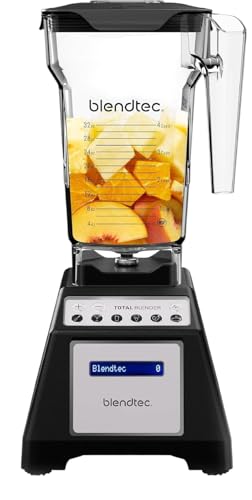
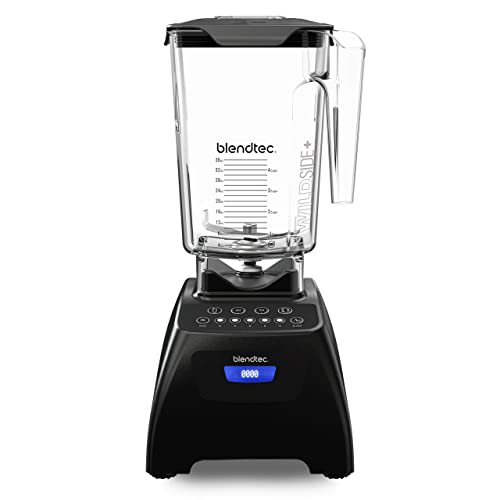

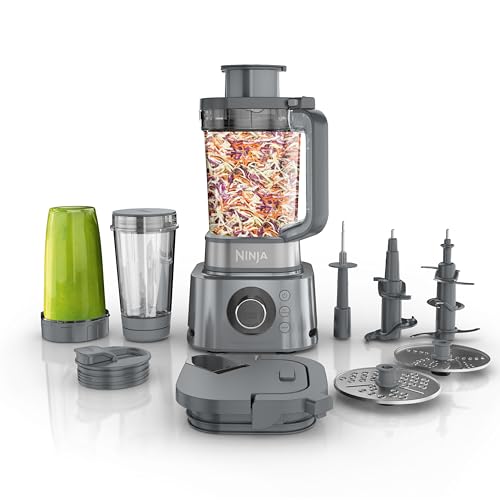
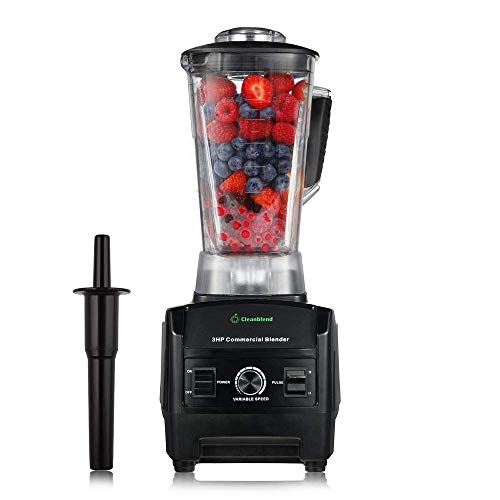


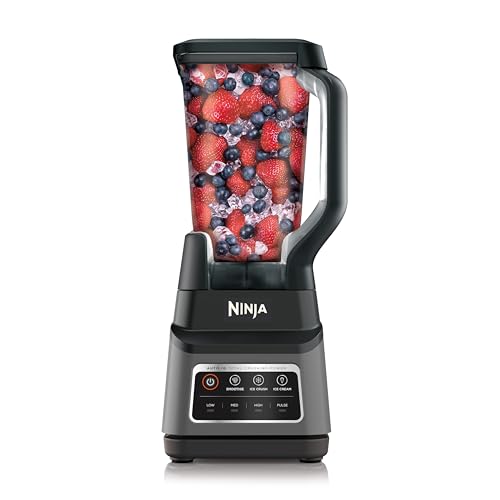
Quick Answer: What Type Fits Your Home
If you make nut butter most weeks for a family, choose a full size high power model with a tamper and a jar that holds at least 48 oz. You get room for larger batches and enough force to keep thick paste moving toward the blades.
If you live alone or make small jars, a compact model suits you better and stores more easily. If you blend almost daily, a premium model with a strong warranty is the sensible step up.
Before You Buy: A Quick Checklist for Choosing a Blender for Nut Butter
Nut butter rewards shoppers who check the details that matter for thick mixtures. Work through the points below before you compare prices, because a blender that shines with smoothies can still struggle badly with a jar full of dry roasted almonds.
Size: Match It to Your Space and Your Batch
Jar size decides both your batch size and your storage problem. A 64 oz or 72 oz jar handles family batches but needs a tall cabinet or open counter. A 48 oz jar is a good middle ground for many homes. Personal and compact jars suit single servings, yet very small jars can trap thick paste above the blades. If your household is one or two people, our guide to the best small blender shows compact options that still handle everyday tasks well.
Which Type Fits Your Routine
High speed and professional style models give you the sustained force that nut butter needs, and they finish a batch before heat builds up in the motor. Quiet models add sound shielding that helps in open plan homes, though the shielding adds bulk. Glass and stainless steel jars resist stains and odors from oily nuts. Vacuum, cordless, heated, and smart models add features that matter far less here, since thick paste needs power and a tamper far more than it needs presets or app controls.
Features Worth It and Ones to Skip
A tamper is the single most useful extra, because it pushes the paste down without stopping the machine. Variable speed control helps you start slow so nuts chop evenly before you raise the power. A jar with a narrow base keeps small batches near the blades. If you prefer a jar that will not stain, read our guide to the best glass blender for the trade offs. Skip most to go cups and heating elements, since neither helps a thick and sticky load move.
Wattage, Power and Energy Use
Wattage alone does not tell the whole story, but nut butter needs a motor built for long runs under load. Look for models that can run for several minutes without a thermal cutoff stopping your batch halfway. Strong torque at low speed matters as much as top speed, because the early crumbly stage resists the blades the most. Energy use per batch stays modest since runs are short.
Safety Features and Certifications
Check for a secure lid lock, a stable base, and a listing from UL or ETL on the product page or manual. An automatic shutoff that stops the motor when it overheats protects the machine during long nut butter runs. Blade assemblies should feel solid with no wobble, and the jar should lock firmly so thick loads cannot shift it. Keep fingers and spatulas out of a running jar at all times, and use only the tamper supplied for that model.
Counter Space and Dimensions
Measure the gap between your counter and your upper cabinets before you order, since many full size models stand 17 to 20 inches tall with the lid on. Add room for lifting the jar straight up off the base. If the blender must live in a cabinet, weigh how often you will lift it, because a heavy machine that stays stored rarely gets used.
Realistic Budget Ranges
Models under $50 usually lack the power and tamper support that nut butter demands, so expect frequent stops and uneven results. The range of about $100 to $250 brings stronger motors and better jars that suit weekly use. Spending about $250 to $500 buys premium drive parts, longer warranties, and quieter running. Match the tier to your routine rather than to a sale price, because a blender that stalls on almonds is poor value at any cost.
Types Compared for Nut Butter
The honest way to choose is by type. The three groups below cover nearly every home, and each trades batch size, storage, and cost differently.
Full Size High Power Blenders for Most Homes
This group suits families and anyone who makes nut butter every week or two. You get a large jar, strong torque, and a tamper in most cases, so a full batch moves from crumbs to smooth in one steady run. The cost is counter space and a higher price than compact models. Choose this type if you also blend soups and frozen drinks for several people.
Compact Blenders for Small Batches
Compact models fit small kitchens, dorm rooms, and single person households that make one jar at a time. Their smaller jars keep a modest batch close to the blades, which can actually help with thick paste. The limits are real though, since you may need two runs for a family size amount and motors are often less suited to long loads. Pick this type if storage space is your main concern and your batches stay small and occasional.
Premium Blenders for Frequent Large Batches
Premium models add metal drive components, longer warranties, and motors built for daily heavy use. They make sense for large households and keen home cooks who make bigger quantities. You pay more up front, but replacement parts and service tend to stay available for years. Choose this group if your current blender already struggles or overheats.
How to Evaluate Blenders for Nut Butter
Judge each model on capacity, sustained power under a thick load, ease of use, cleaning effort, noise, safety listings, and warranty length. Read the manual for stated run times and rest periods, since those limits reveal how the maker expects the motor to be treated. Study verified buyer reviews for reports about nut butter in particular, not just smoothies. The product table above pulls the key specs together so you can compare those points side by side.
Living With It: What Really Matters Day to Day
Technique matters almost as much as the machine. Add nuts in stages, start on a low speed, and use the tamper with steady pressure so the corners keep feeding down. Our walkthrough on how to use a blender covers safe loading and speed changes in more detail. Roasted nuts blend faster than raw ones because their oils release sooner, and a brief pause to scrape the walls once early on saves several pauses later.
Know when a food processor is the better tool instead. For very small or very dry batches, the wide bowl and flat blade path can work the paste more evenly. The comparison in blender vs food processor explains where each appliance wins. Many homes end up using the blender for smooth and pourable results and the processor for chunky styles, so think about the texture you want most before you buy.
Common Buying Mistakes to Avoid
- Buying a low power model for nut butter, so the motor overheats and the batch never turns smooth.
- Choosing a huge jar for tiny batches, so the paste spreads thin and never reaches the blades.
- Ignoring the tamper, so you stop again and again to scrape and the mixture heats unevenly.
- Forgetting replacement costs, since gaskets, jars, and blade assemblies add up over years of use.
- Skipping the cabinet measurement, so a tall blender ends up stored away and rarely used.
Cost of Ownership and Care
Running costs stay low because each batch uses only a few minutes of power, but parts decide the long term bill. Price a spare jar and gasket before you buy, and favor models with parts that stay in stock. Wash the jar soon after use, since nut oils turn sticky and hold odors. The step by step guide on how to clean a blender shows a safe routine for blades and seals. Store the jar dry with the lid ajar.
Let the motor cool between back to back batches, keep vents clear of flour and dust, and check the blade assembly for looseness every few months. Never immerse the motor housing in water.
Your Questions, Answered
What is the most reliable blender brand?
Reliability depends more on the model line than on the name alone. Look for a warranty of at least five years on the motor, metal drive parts, and a service network that stocks jars and gaskets. Brands that publish manuals and parts lists openly tend to support their machines longer. Read recent buyer reports about warranty claims, since fast and fair service matters as much as a low failure rate.
How do you clean a blender after making nut butter?
Scrape out as much paste as you can, then add warm water and one drop of dish soap and blend for about 30 seconds. The detail most people miss is the gasket, so remove it once a week and wash away the oil film that builds up beneath it. That film is what causes lingering smells. Dry every part fully before you store the jar.
Is a blender worth it for nut butter?
Yes, if you eat nut butter weekly or want control over salt, sugar, and oil. A capable blender pays for itself against premium store jars over time, and homemade batches let you blend seeds and nuts together. If you only buy an occasional jar, a store brand costs less overall. The deciding factor is frequency, since a machine used monthly rarely earns its counter space.
How long does a blender last?
A well kept mid range or premium blender often serves for about 7 to 10 years of regular home use. Life shortens when motors overheat often or jars crack from drops and thermal shock. You can extend service by resting the motor between batches and replacing worn gaskets early. When grinding sounds grow rough or the base smells hot at low loads, plan a replacement soon.
What should I look for in a blender for nut butter?
Start with sustained power, a tamper, and a jar shape that keeps thick paste near the blades. Add variable speed control so you can begin slowly and avoid flinging dry nuts upward. Check the stated duty cycle in the manual, since short run limits slow down big batches. Finally, confirm that spare jars and seals are easy to order, because sticky and oily loads wear those parts first.
What is the best blender for nut butter?
The best choice is a high power full size model with a tamper, strong low speed torque, and a jar of at least 48 oz for family batches. Smaller households can trade jar size for easier storage without losing much. What sets the top tier apart is the duty cycle, since models that allow longer continuous runs finish nut butter in one pass instead of several rested bursts.
Final Thoughts
Nut butter asks more of a blender than almost any other home task, so buy for torque, tamper support, and a jar that fits both your batches and your cabinets. The best blender for nut butter for your home is the one you will use weekly without fighting it. Compare your shortlist against the product table above, check the parts and warranty, and your first smooth batch should follow without drama.