
Best Blenders to Make Nut Butter Made Simple: A Clear Buying Guide for 2026
Disclosure: We may earn a commission when you buy through links on this page, at no extra cost to you. As an Amazon Associate I earn from qualifying purchases. Learn more

Shopping for the best blenders to make nut butter for the first time? Learn the terms, compare options, and avoid rookie mistakes with this easy guide.
Making nut butter at home sounds simple until your first batch turns into dry crumbs that never become smooth. Choosing the best blenders to make nut butter is less about fancy settings and more about motor strength, patience, and the right jar shape. This guide explains each part in plain language for a first time buyer.
You will learn how nuts change from chopped pieces to a glossy spread, which specs protect the motor during that long process, and how to avoid the mistakes that burn out weak machines. Once you know the basics, the comparison table below will make much more sense.


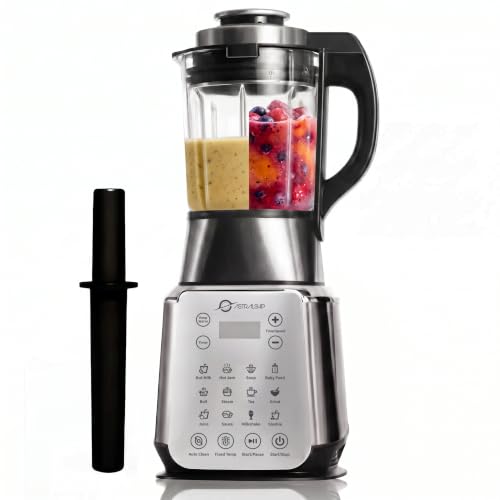


Blenders Make Nut Butters 101: The Basics
Nut butter starts as whole or halved nuts that get chopped, then ground into a thick paste as their natural oils release. That release takes time and steady blade contact, often several minutes, which is very different from a quick smoothie. The mixture climbs the jar walls and forms air pockets, so you must stop, scrape, and push it back down many times.
A blender that suits this job has a strong motor that can run at low to medium speed without overheating, a tamper to push the paste toward the blades, and a jar that is not too wide for a small batch. Variable speed matters because high speed alone throws the paste outward and heats it fast. You will sometimes see full size countertop blenders recommended here, while immersion blenders and stand mixers lack the sealed jar and blade action this task needs.
Key Specs Explained in Plain English
Motor Power and Wattage
Wattage is a clue, not a promise. For nut butter, torque and motor cooling matter more than a headline number, because the blades must keep moving through a dense paste for minutes at a time. Look for at least 1200 watts in a full size model and for language about overload protection or automatic shutoff. Those features pause the motor before heat damage occurs. A weak motor may chop nuts well but stall once the paste thickens and the real work begins.
Jar Material in Tritan, Glass, and Stainless Options
Jar material affects weight, cleanup, and how clearly you can watch the paste change. Tritan plastic is light, resists cracking, and is usually BPA free, which helps when you scrape firmly with a spatula many times per batch. Glass resists odor and staining from roasted nuts, but a heavy glass jar is tiring to hold and scrape. Stainless steel is tough and quieter, yet you cannot see whether the center is smooth or still gritty without stopping and opening the lid.
Ease of Cleaning
Nut butter leaves an oily film that clings to blades and corners, so cleaning design deserves real attention. A jar with a wide mouth and smooth corners is far easier to scrape clean than a narrow jar with sharp angles. Some models offer a self clean cycle using warm water and a drop of soap, which helps with the film but does not replace scraping out the valuable spread first. Check whether the jar and lid are dishwasher safe, and note that hand washing usually protects seals longer.
Warranty and Motor Reliability
Nut butter is one of the hardest jobs for a home blender, so warranty length is a useful signal of motor confidence. Coverage in this category often runs from about 2 to 10 years, and you should check whether the motor base and the jar are covered for the same period. Ask how replacement parts are handled in the United States and whether tampers and lids can be bought separately. A long warranty helps only if service is easy to reach.
Footprint, Storage, and Cord Length
Powerful bases are often wide and tall, so measure your cabinet clearance with the jar seated on the base. Consider where the tamper and spare lids will live, because you will reach for them every batch. Cord length should let you place the blender on a stable surface near an outlet without stretching across a sink. If counter space is tight, a slightly smaller jar that still covers the blades for a one to two cup nut batch may store more easily.
Noise Level
Expect nut butter blending to be loud at the start when hard nuts bounce in the jar, then quieter once a paste forms. If you live in an apartment or blend early, look for a model with a sound reducing base or plan to place a towel under the machine to soften vibration. Shorter bursts at the chopping stage also reduce the harshest noise. No home model is quiet for this task, so timing your batch matters as much as the machine.
How Nut Butter Compares to Nearby Kitchen Jobs
Your choice gets clearer when you compare nut butter to related tasks. If you mostly grind small amounts for toppings, see our guide to the best blenders for nuts for notes on pulse control and small batch jars. Those models chop well but may not sustain the long paste stage.
Seeds behave a little differently because they are smaller and release oil at a different pace. Our guide to the best blenders for nuts and seeds explains why a narrow jar base helps keep tiny seeds in the blade path. That same narrow base often helps nut butter circulate with less scraping.
If you plan to thin nuts into a drink instead of a spread, the guide to the best blenders for nut milk covers straining and liquid ratios, which are the opposite of the low liquid method nut butter needs. Keeping that contrast in mind prevents a common error: adding water too early and ending up with a sauce rather than a spread.
Thick blends share technique across recipes. The guide to the best blenders to make acai bowls shows the same tamper and low speed skills used for frozen bowls, and our guide to the best blenders to make smoothie bowls adds helpful notes on judging thickness by how the surface moves. Learning one thick blend makes the others far easier.
Rookie Mistakes to Avoid
- Starting with raw, cold nuts. Cold raw nuts take much longer to release oil and strain the motor. Warm roasted nuts blend faster and taste richer, so warm them briefly if your recipe calls for it.
- Adding oil or liquid too soon. Early liquid can prevent the paste from forming and create a loose sauce. Wait until the nuts form a thick ball, then add oil a teaspoon at a time only if needed.
- Running on high speed nonstop. Nonstop high speed overheats both motor and butter. Use medium speed, pause to scrape, and let the machine rest if it feels hot.
- Making too small a batch. A tiny amount never covers the blades and just spins below them. Use enough nuts to cover the blade assembly fully, often at least two cups.
- Quitting during the crumb stage. Almost every batch looks dry and hopeless before the oils release. Keep scraping and blending in short bursts and the paste usually turns smooth.
Getting Started: Setup and First Use
Wash and dry the jar, lid, and tamper, then set the base on a firm counter where you can reach the controls while holding the tamper. For a first batch, choose roasted peanuts or almonds because they are forgiving and release oil well. Add the nuts with no liquid, start on low, and raise to medium once the pieces shrink.
The practical method is patience. Blend for about 30 to 60 seconds, stop, scrape the walls and corners toward the center, and repeat. Around the middle stage the mixture forms a ball that thumps around the jar; that is normal. Keep going until it relaxes into a flowing paste, then blend a little longer for extra smoothness. Let the finished butter cool before you seal the jar, because warm butter sealed too soon can create condensation.
A useful know how point is temperature. If the jar feels very hot to the touch, pause for several minutes. Heat changes flavor and can thin the butter in ways that make it separate later in storage.
FAQs
Is a more expensive blender for nut butter worth it?
It is often worth it if you make nut butter weekly, because stronger motors with better cooling survive the long paste stage for years. Higher priced models also tend to include a well fitting tamper and a longer motor warranty. If you make a batch once a month, a mid priced full size model with overload protection can still do the job well, as long as you pause and scrape as directed.
Can a blender for nut butter crush ice?
Yes, most full size models strong enough for nut butter can also crush ice, because both jobs need sturdy blades and a motor that handles hard pieces. Use the pulse setting for ice and add a little liquid so fragments move freely. Keep in mind that frequent dry ice crushing without liquid adds wear, so follow the manual limit for ice quantity and always start with short pulses rather than one long run.
What is the difference between a blender and a food processor?
A blender pulls food down into fast blades inside a tall jar, which gives nut butter a very smooth, flowing finish once the oils release. A food processor uses a wide bowl and an S shaped blade to chop and mix, and it can make nut butter with a coarser, more rustic texture. Many home cooks prefer a processor for chunky styles and a blender for silky spreads that pour slowly off a spoon.
How many watts does a good blender for nut butter need?
A practical target is about 1200 to 1500 watts for a full size countertop model, paired with good cooling and overload protection. Wattage alone does not guarantee success, because jar shape and tamper access decide whether the paste stays in the blade path. If a lower watt model has strong torque ratings and clear nut butter guidance from the maker, it may still work for small, warm roasted batches with frequent pauses.
How do I clean a blender for nut butter quickly?
Scrape out as much butter as you can first, because that is both your food and the hardest part to wash away. Then add warm water to about halfway, one drop of dish soap, and blend on medium for about 30 seconds to lift the oily film. For residue under the blades, soak the empty jar in warm soapy water for ten minutes before rinsing, and dry the seal area well to prevent lingering odors.
The Bottom Line
Prioritize motor cooling and strength, a jar that keeps a modest batch moving, and a tamper you can use comfortably for several minutes. Those three factors decide success far more than preset programs or extra cups in the box. Compare your finalists in the product table above, and choose the best blenders to make nut butter option whose jar size and warranty match how often you realistically plan to blend.


