Best Blenders for Acai Bowls (2026): Types, Features and Buying Tips
Disclosure: We may earn a commission when you buy through links on this page, at no extra cost to you. As an Amazon Associate I earn from qualifying purchases. Learn more

What to look for in the best blender for acai bowls: motor power, a tamper, jar shape and how much counter space it needs.
On a busy morning, acai packs come out of the freezer rock hard, the banana is frozen solid, and a weak blender just spins the liquid at the bottom while the top stays in chunks. Finding the best blender for acai bowls means finding a machine that can pull that thick, frozen mix down into the blades with very little liquid. This guide helps you choose by counter space, household size, and budget, and the comparison table below sums up the main types side by side.
An acai bowl base should come out thick enough to hold toppings in place, not thin like a drinkable smoothie. That one goal shapes every choice that follows, from motor strength and jar shape to whether a tamper is included. If you are also weighing a general purpose machine for soups and sauces, our guide to the best blender covers the broader category.



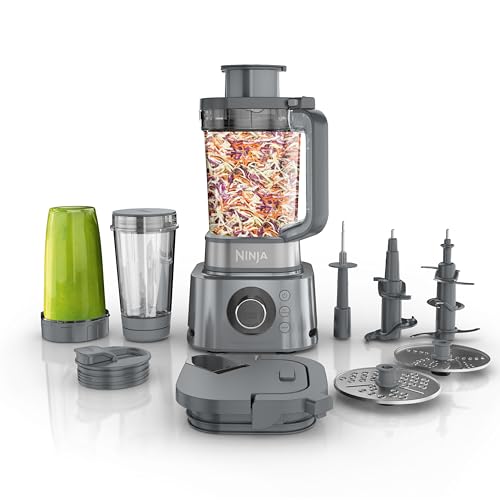

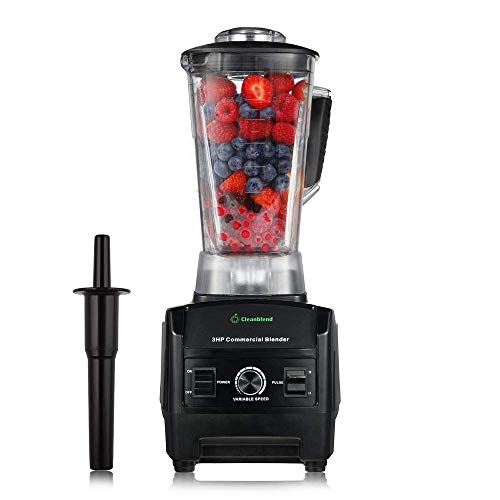

Quick Answer: The Main Types in 30 Seconds
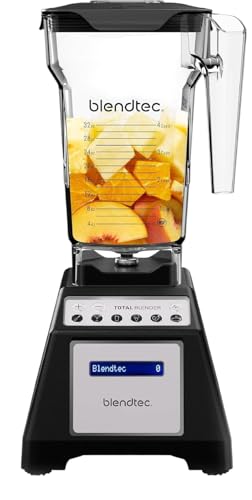
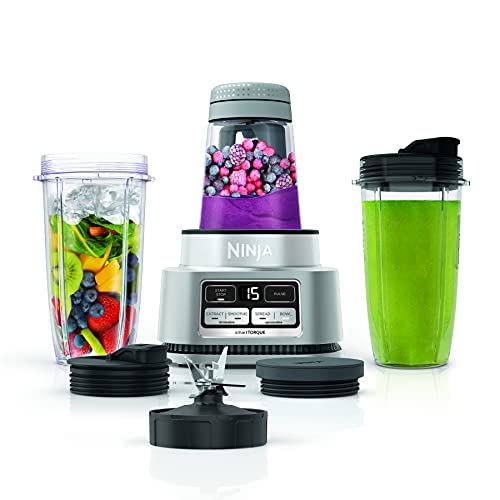
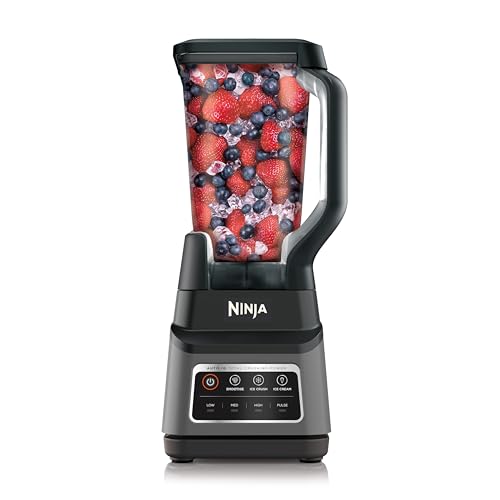
Three types cover most homes well. A full size high speed blender with a tamper suits families who blend thick bases often. A compact personal blender can work for one person using smaller portions. A mid size countertop model sits between the two, giving you moderate capacity at a moderate cost. Choose by how thick you want the base and how many bowls you make at once, not by the longest feature list.
Before You Buy: A Quick Checklist for Choosing a Blender for Acai Bowls
Size: Match It to Your Space and Your Servings
Capacity decides both batch size and storage fit. Jars around 48 to 64 oz let you make two to four bowls at once, while very large 72 oz jars can leave a single small batch spread too thin for the blades to grip. Personal jars around 20 to 32 oz suit one bowl and rinse fast. For a small kitchen, our guide to the best small blender explains what compact footprints give up in batch size.
Which Type Fits Your Routine
High speed and professional style models are built for dense loads, with motors and blade designs that keep a thick vortex moving instead of stalling. Standard countertop models can manage acai if you add a little more liquid and stop to stir, but the texture will be looser. Quiet models with sound shielding help in early mornings, though the shielding adds bulk. Glass jars resist odors, while plastic jars are lighter to lift when full.
Features Worth It, and Ones to Skip
A tamper is the feature worth paying for, because it lets you push frozen fruit toward the blades while the motor runs, without adding extra liquid that thins the base. To go cups rarely help with a thick bowl you plan to eat with a spoon. A food processor attachment can chop toppings like nuts and granola, and our comparison of blender vs food processor shows where each tool does better. Heating elements and many preset programs add cost you will seldom use for a raw frozen base.
Wattage, Power, and Energy Use
For thick frozen blends, look for a motor rated around 1000 watts or more, but treat wattage as a rough guide rather than a guarantee. Blade shape, jar geometry, and how the motor handles resistance matter just as much, because a dense acai mix loads the motor far more than milk and fresh fruit do. Short bursts use little electricity, so energy cost per bowl is small. What matters is a motor that does not strain or shut down under load.
Safety Features and Certifications
Look for a lid that locks or sits firmly, a stable base that does not walk across the counter under load, and automatic shutoff if the motor overheats. Listings that mention UL or ETL certification show the appliance met a recognized electrical safety standard. Keep hands and utensils out of a running jar and use only the tamper made for that model, since it is sized to stop short of the blades.
Counter Space and Dimensions
Measure before you buy, because height causes the most surprises. Many full size models stand about 17 to 19 inches tall and will not fit under standard upper cabinets, so check the gap on your counter. A machine stored in a deep cupboard gets used less, especially on weekday mornings. Also check the footprint with its cord and, on quiet models, with the sound shield in place.
Realistic Budget Ranges
Under about $50, expect personal or basic countertop models that need more liquid, smaller frozen pieces, and patience to reach a smooth base. Around $100 to $200, motors get stronger, jars are better shaped for thick blends, and tampers start to appear. At about $200 to $300, you get more durable drive parts and longer warranties. Spending about $300 to $500 mainly buys quieter operation and heavier construction. For a daily acai habit, the middle ranges usually offer the best balance.
Three Types Compared: How to Choose Without Guesswork
The first type is the full size high speed blender with a tamper and a jar that narrows toward the base. That narrow base concentrates a thick mix over the blades, so a family batch blends smooth with minimal liquid. Choose it if you make bowls several times a week or blend for two or more people. The trade off is price, height, and noise, plus a jar that takes more sink space to wash.
The second type is the mid size countertop blender without a tamper. It costs less and fits more kitchens, and it can produce a good bowl if you cut frozen fruit smaller, add liquid a spoonful at a time, and stir between short bursts. Choose it if acai is a weekend treat rather than a daily routine. Its limit shows up with very hard acai packs, where the mix can form an air pocket above the blades.
The third type is the personal blender with a small blending cup. It suits one person, stores in a drawer or narrow shelf, and rinses in seconds. It works best when you slightly soften frozen packs under warm water, use frozen banana slices instead of large chunks, and accept a slightly softer texture. Because the cup is small, toppings are best added in the serving bowl rather than blended in.
Our Selection Process for Blenders for Acai Bowls
We judged types and models against the factors that change an acai result at home: capacity, ability to keep a thick frozen mix moving, ease of daily use, cleaning effort, noise, safety features, and warranty length. Our sources were manufacturer specifications, manuals, and patterns in verified buyer reviews, with attention to comments about stalling and jar wear.
Living With It: What Really Matters Day to Day
Routine decides whether a blender earns its counter space. Keep frozen acai packs and sliced banana in one freezer bin so a bowl takes minutes to assemble. Run the blender in short bursts and work the tamper in the corners, because a thick base forms faster that way than in one long run that warms the mix. If others are still sleeping, blend the base the night before and add fresh toppings in the morning.
Households that also make shakes will find the same machine covers both jobs, although a thick bowl needs far less liquid than a drink. Our guide to the best blender for protein shakes explains the thinner ratios those drinks need. Texture control is the daily skill to learn: add liquid one spoonful at a time, since you can always thin a base a little, but you cannot thicken it again without more frozen fruit.
Common Buying Mistakes to Avoid
- Buying the largest jar for single servings, so a small batch spreads out and the blades spin under it without gripping.
- Judging by wattage alone and ignoring jar shape and a tamper, so the motor sounds strong but the frozen mix stalls.
- Skipping the height check, so the new blender cannot sit under your cabinets and ends up stored out of reach.
- Paying for heated programs and many presets you will never use for a raw frozen base, while the warranty stays short.
- Ignoring replacement costs, so a cracked jar or worn gasket later costs a large share of what a new machine would.
Cost of Ownership and Care
Running costs are mostly replacement parts rather than electricity. Gaskets, lids, and tampers wear over time, and a replacement jar can be a major expense, so check part prices before you commit to a type. Rinse the jar right after serving, before the purple base dries on the walls. For a full routine, including gasket care and blade safety, follow our guide on how to clean a blender once and then keep the daily rinse simple.
Care habits extend the life of the motor and jar. Let frozen packs sit out for a few minutes so the first burst is less of a shock to the drive. Avoid filling past the marked line with dense ingredients, and inspect the blade assembly for looseness or damage. Stop and unplug the machine if you smell burning or see smoke, and contact the maker rather than running it again.
Your Questions, Answered
What makes a blender brand reliable for acai bowls?
Reliability shows up in the support behind the machine more than in a name. Look for a warranty that covers the motor for several years, replacement jars and gaskets that are easy to order, and a drive socket made of metal rather than soft plastic. Consistent buyer reports about thick frozen loads matter too. A brand that publishes clear part numbers and manuals makes ownership simpler long after the first bowl.
How do you clean a blender after making acai bowls?
Acai stains and clings, so timing matters more than scrubbing power. Fill the jar about halfway with warm water right after serving and run it for twenty seconds, which lifts most residue before it sets. Purple color on the gasket fades with a soak in warm soapy water. Avoid abrasive pads on plastic jars, because fine scratches hold odor and color. Dry the lid upside down so trapped moisture does not leave a stale smell.
Is a blender worth it for acai bowls at home?
It can be, if you eat acai bowls often enough that buying them one at a time feels costly and you enjoy choosing your own fruit and toppings. A home machine also lets you control sweetness, which is hard with premade cafe bases that often add syrups or juice. If you only want a bowl once a month, a basic model or a cafe visit makes more sense than a premium machine taking up counter space.
How long does a blender for acai bowls last?
Lifespan depends heavily on load. Thick frozen blending is demanding work, so a lightly built model used daily may wear its drive parts in a few years, while a sturdier model with a long motor warranty can serve much longer. You can stretch life by softening packs slightly, blending in bursts, and keeping batches within the stated capacity. A new grinding sound, a burning smell, or a jar that rocks on the base are signs to stop and seek service.
What should I look for first in a blender for acai bowls?
Start with the jar, not the control panel. A jar that narrows near the blades, paired with a tamper that fits it, will do more for a thick base than extra speed settings. Before ordering, confirm the assembled height fits your cabinets and that a replacement jar is sold separately at a price you accept. Those two checks prevent the most common regrets, and neither appears in the headline specifications most shoppers read first.
Final Thoughts
Match the type to your household first, then check jar shape, tamper, and height, and let budget settle the rest. Families blending often will value a full size high speed model, single serving homes can thrive with a personal cup, and occasional makers do fine in the middle. Whichever route you take, the product table above pulls the key differences into one view. In the end, the best blender for acai bowls is the one that gives you a thick, smooth base with little added liquid and earns a permanent spot on your counter.