
Best Blackstone Grills Made Simple: A Clear Buying Guide for 2026
Disclosure: We may earn a commission when you buy through links on this page, at no extra cost to you. As an Amazon Associate I earn from qualifying purchases. Learn more

First-time buyer of the best blackstone grills? Learn the terms, size classes and true costs, and avoid rookie mistakes with this easy guide.
If this is your first outdoor cooker, start with the one fact that makes everything else fall into place: the best blackstone grills are not grills in the grate sense at all. Blackstone is a maker known for flat top griddles, so what you are buying is a wide steel plate heated by burners underneath, with no grates and no open flame touching the food. Once that clicks, the sizes, the seasoning and the care routine all stop sounding mysterious.
This guide keeps the order simple on purpose. It explains what a griddle is, which size class fits your household, how burner zones work, what the full setup really costs, and the safety rules that matter. The comparison table below lines the size classes up side by side so you can see the shape of the range at a glance.

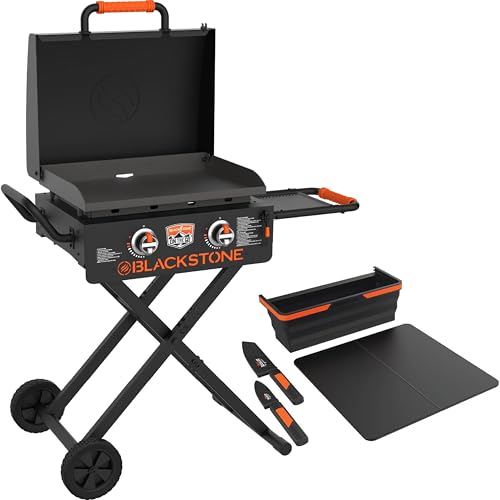

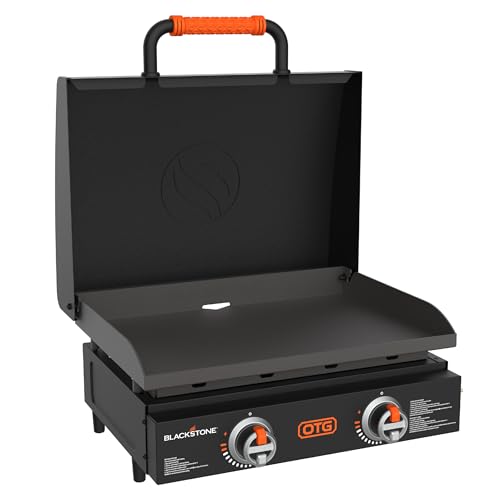
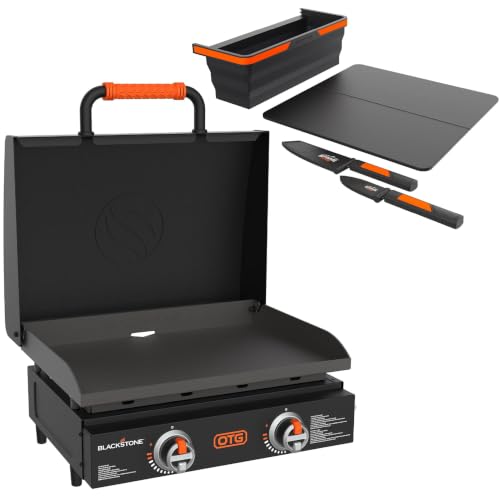
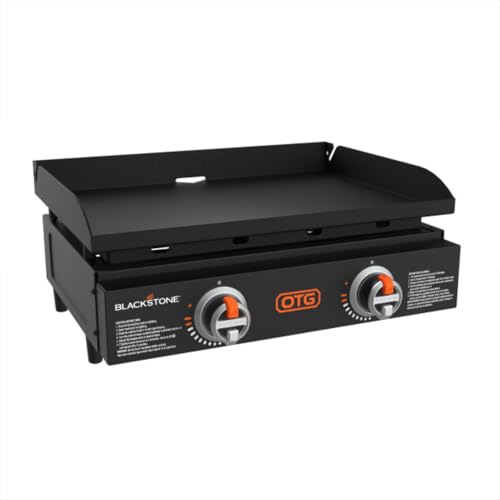
Blackstone Griddles 101: The Basics
A Blackstone griddle is a flat plate of rolled steel sitting over tube burners fuelled by propane. The whole plate becomes the cooking surface, so eggs, onions, chopped vegetables and smashed burgers all cook in their own juices instead of dripping through grates into the fire. A channel around the plate pushes grease toward a removable trap cup at the back, and that grease management is part of the design rather than an afterthought.
Three terms unlock the rest of the listings. Seasoning means baking thin layers of oil into the steel until they form a dark, slick surface that food releases from and rust cannot easily grip. A burner zone is one independently controlled stretch of the plate, so one side can sear while the other holds cooked food warm. The plate itself is the third term worth knowing: it arrives grey and unfinished looking, and the deep black finish you see in photos is seasoning you build, not paint.
It helps to know the neighbours so you do not buy the wrong branch of outdoor cooking. If open flame over grates is more your style, read our guides to best coal grills and best lp grills after this one, since charcoal and gas grate grills deliver char and smoke that a plate cannot. The wider best bbq grills category covers every grate style, while our guide to best pellet grills and smokers explains the low and slow branch, which is a different hobby entirely.
Key Specs Explained in Plain English
Listings for the best blackstone grills throw around BTU totals and square inches, but four plainer questions decide whether a unit suits you: how wide is the plate, how many zones does it split into, where will it live, and what does the warranty actually promise.
Size Classes and Cooking Area
Blackstone plates come in width classes of about 17 inches, about 22 inches, about 28 inches and about 36 inches, and each step up changes the kind of cooking you can do. The two smaller classes suit couples, small families, camping and tailgating, where breakfast for four is a comfortable ceiling. The 28 inch class feeds about four to six people without crowding, and the 36 inch class exists for big households and gatherings where a dozen burgers and a pile of onions share the plate at once. Bigger is not automatically better: a wide plate eats patio space, storage space and propane whether you cook for two or for ten.
| Size class | Plate width | Burner zones | Cooks for | Typical price |
|---|---|---|---|---|
| Tabletop class | About 17 to 22 inches | 1 to 2 zones | About 2 to 4 people | About $100 to $250 |
| Midsize class | About 28 inches | 2 to 3 zones | About 4 to 6 people | About $250 to $450 |
| Large class | About 36 inches | 4 zones | About 6 to 10 people | About $450 to $700 |
Burner Zones and Heat Control
Zones matter more than the BTU headline, because the whole griddle method rests on cooking at two temperatures at once. With two or more zones you sear meat over high heat on one side, then slide it to a gentle side to finish without burning, while vegetables take the middle ground. Makers quote a single combined BTU figure for the whole plate, and those totals are not measured the same way across the industry, so treat them as a rough size guide rather than a score. What you can compare honestly is the number of separate controls, since that is the number of temperatures you truly own.
Fuel and Running Cost
Propane is the standard fuel for this maker, and a full size unit connects to the same refillable tank used by gas grills, which keeps running costs low and refills available everywhere. A single tank covers many weekend cooks for most households, so fuel is one of the smaller lines in the budget. The small tabletop classes often run on portable one pound canisters instead, which cost more per cook but travel easily. A minority of tabletop units are electric, and those form a separate branch with lower heat and indoor friendly manners, worth knowing about but not the main line.
Stand, Tabletop and Storage
The fork in this range is where the griddle will live. Freestanding units bring their own legs, side shelves and tank storage, and they suit a permanent patio spot where the unit stays set up under a cover. Tabletop units drop the stand to save money and weight, and they earn their keep on camping trips, tailgates and small balconies with a sturdy table to sit on. Measure your space honestly before choosing: a freestanding 36 inch class unit with shelves is a wide piece of furniture, and it will not shrink to fit a corner that was never measured.
Assembly and Warranty in Plain Terms
Assembly is usually a legs, shelf and plate job measured in an afternoon rather than a weekend, and the heaviest moment is lifting the steel plate into place, so plan on a second pair of hands. Warranty wording deserves a slow read, because cover often differs between the plate, the burners and the frame, and rust that follows neglected seasoning is generally treated as a care issue rather than a defect. Keep the receipt and register the unit if the maker asks, since warranty claims run far more smoothly with both in hand.
What You Will Spend, All In
The unit itself follows the table above, from about $100 to $250 for tabletop classes up to about $450 to $700 for the largest plates. The honest budget adds the rest of the day one kit: a cover at roughly $30 to $60, a pair of flat spatulas and a scraper, squeeze bottles for oil and water, and seasoning oil for the first sessions. None of it is exotic, but together these extras commonly add about $75 to $150 to the ticket, and a first tank of propane sits on top again if you do not already own one. If your timing is flexible, our guide to best time to buy grills maps the seasons when outdoor cookers tend to be discounted, and the product table is the quickest way to compare the classes against that budget.
Griddle Safety Rules That Matter
Run a griddle outdoors only, never in a garage or under a low roof, because propane burners produce carbon monoxide and the plate throws serious heat upward. Keep the clearances the maker states from walls, fences and overhanging branches, and set the unit on level ground where it cannot rock. After cooking, empty the grease trap once it cools enough to handle, and scrape the plate while it is still warm, following the maker guidance, because warm residue lifts away in seconds and cold residue sets like glue.
Remember that a sheet of hot oil sits open on the plate while you cook, so work with care around the edges, keep sleeves clear of the surface, and treat splashes as the burns they are. Never throw water onto a hot oiled plate: it erupts into steam and spattering oil, and the shock can warp the steel. Let the griddle cool completely before you fit the cover or move it, since a covered warm plate traps moisture and invites rust. Finally, do not panic at smoke during seasoning, because thin oil layers smoking off is exactly how the coating forms, and the first sessions always look smokier than the cooking that follows.
Rookie Mistakes to Avoid
- Skipping the seasoning or rushing it with thick oil, which leaves a sticky plate that food clings to and rust attacks at the edges.
- Running every zone on full heat, which smokes the oil, scorches food, and leaves no gentle zone to hold finished items.
- Ordering before measuring the patio and the storage spot, then discovering the largest class fits neither.
- Budgeting only for the unit and forgetting the cover, tools and tank that belong in the day one cost.
- Attacking the plate with scouring pads and detergents, which strips the seasoning you spent sessions building.
Getting Started: Setup and First Use
Unbox on a flat surface, build the stand first, and set the plate on last with help. Before the first lighting, brush soapy water over the hose and regulator connections and open the tank valve slowly: growing bubbles mean a leak, and a leaking connection gets tightened or replaced before any flame appears. Wash the new plate once with hot water and a little soap to remove factory oils, dry it fully, and heat it gently to drive off the last moisture.
Seasoning is a patient half hour rather than a chore. Wipe the thinnest possible coat of high smoke point oil over every inch of the warm plate, heat it until the oil smokes and darkens, let it cool slightly, and repeat the cycle about three or four times until the surface turns an even deep brown. After each cook, the routine that keeps the plate happy is short: scrape it warm, wipe on a whisper of oil, and store it dry under its cover once fully cool. Choose a forgiving first cook, because burgers, onions and breakfast items teach you the hot spots of your plate without punishing small mistakes.
Blackstone Grills: Your Questions Answered
What foods cook best on a Blackstone griddle?
Foods that love direct contact with hot steel cook best: burgers, breakfast eggs and hash browns, fajita vegetables, fried rice, quesadillas and chopped steak all shine on a plate. The plate also rescues foods that grates handle badly, since small vegetables, delicate fish and loose mince stay on the steel instead of falling into the fire. What a griddle cannot give you is flame kissed flavor or smoke, so if char is the point of your cooking, a grate grill is the honest tool.
How often should I clean my Blackstone griddle?
Clean it lightly after every cook and deeply only when it needs it. The after cook scrape and thin oil wipe take two minutes and prevent nearly all problems, so that routine is the real answer. A deeper clean is due when old oil builds into sticky patches or food starts tasting of earlier meals. Small rust spots are not a disaster either: scrub back to clean steel, dry the plate fully, and season over the patch, and it returns to service.
How long should a good Blackstone griddle last?
A well kept plate can serve for many years, because thick rolled steel has little to wear out. The parts that age are the burners, igniters and frame, and those are the components a warranty and spare parts support actually protect. Longevity is mostly a moisture story: a plate kept seasoned, dry and covered shrugs off seasons outdoors, while a plate left wet and bare can rust within weeks. Even then, surface rust is usually restorable with scrubbing and fresh seasoning rather than a reason to replace the unit.
How big of a Blackstone griddle do I need?
Size for the biggest cook you do regularly, not the biggest you can imagine. A household of two that hosts a monthly crowd of eight should buy for the crowd, because cooking breakfast in three batches cools the plate and the mood. A household of four that never hosts can stay midsize and bank the savings for tools and a good cover. As a quick check, count the burgers, eggs or pancakes you would want on the plate at one moment, and pick the smallest class that holds them in one layer.
Can I use a Blackstone griddle on a balcony?
Often you cannot, and the restriction is paperwork as much as physics. Many apartment leases, building rules and local fire codes ban propane appliances on balconies outright, and the maker clearances still apply in the space you have. Read your lease and check the local code before ordering, because a tabletop unit does not escape a propane ban. If the rules close the door on propane, the small electric tabletop branch is the balcony friendly alternative, with the understanding that its heat and sear sit a class below the gas plates.
Wrapping Up
Keep the decision in this order and it stays simple: pick the size class your household and your space agree on, make sure it has at least two burner zones, and budget for the cover, tools and tank as part of the purchase. Everything else, from BTU headlines to accessory bundles, is decoration on those three choices. Compare the classes in the product table, and the best blackstone grills for your patio will be the ones that fit your space, your headcount and your budget at the same time.


