
Best Black Leather Riding Boots: Buying Guide for 2026
Disclosure: We may earn a commission when you buy through links on this page, at no extra cost to you. As an Amazon Associate I earn from qualifying purchases. Learn more

Compare black leather riding boots by calf fit, leather, zips and stirrup safe heels, with sizing, types and care advice to help you choose well.
A tall boot can look right in a photo and still pinch your calf or catch in the stirrup. The best black leather riding boots solve fit first, with a calf that sits close and leather that softens without losing shape. This guide shows you how to judge those points so you can use the comparison table below with clear priorities.
Think about where you will ride most. Schooling asks for comfort through long lessons, while shows ask for a clean line and a polished finish. The sections below match each use to calf size, closure, heel shape and care, so you buy for your real week.


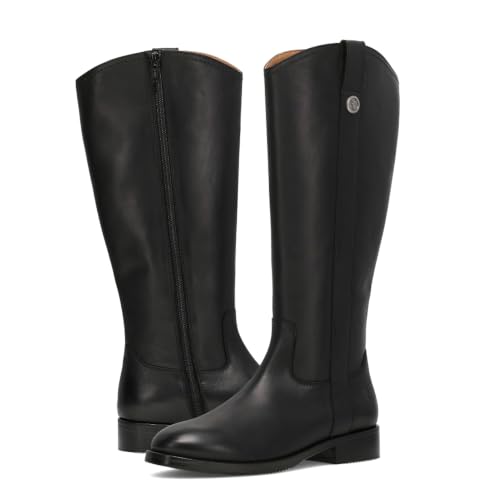
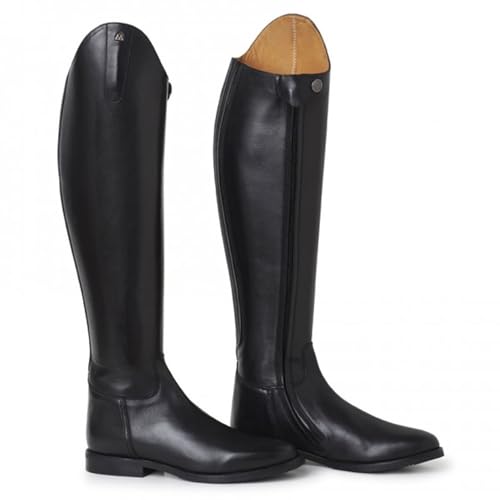


Who Should Buy Which Black Leather Riding Boots?
Start with your main use, because height, stiffness and finish matter in different ways for each rider below. A boot that suits the show ring may feel too formal for daily schooling.
Riders Who Show in English Classes
You need a tall, close fitting leg, a neat ankle and a black finish that polishes to a clean shine. Dress boots suit classes where a plain front is expected, while field boots with laces suit many hunter and jumper rings. Check the rules for your classes before you order.
Lesson and Schooling Riders Who Ride Several Times a Week
You need comfort from the first step, a zip that works with dusty hands and leather that can handle frequent cleaning. Look for a cushioned insole, a flexible ankle and an elastic panel that gives a little room after a long day.
New Riders Buying a First Pair of Tall Boots
You need an easy fit, clear sizing help and a price that leaves room for a helmet and other kit. Start with a field style if your ankle is still learning its position, because the laces let you adjust the front. Try boots late in the day with your usual socks and breeches.
Key Features to Compare
Compare these points in order, starting with calf fit. A tall boot cannot be fixed with thicker socks if the shaft is wrong.
Calf Height and Calf Width
Measure your bare calf at its widest point while you sit with your knee bent, and measure from the floor to the back of your knee for height. Most tall boots list height and calf width in inches, with slim, regular and wide choices. The top should reach just below the knee and will settle a little as the ankle creases. You should be able to fit one finger at the top at first.
Leather Quality, Lining and Break In
Full grain leather costs more and usually lasts longer, while softer calfskin feels kind at the ankle sooner but can mark more easily. A smooth lining helps your leg slide in and reduces rubbing at the knee, and a lined shaft holds its shape better than an unlined one. Wear new boots for short periods at home first, and let the ankle fold form through use rather than forcing the leather by hand.
Zips, Laces and Elastic Panels
Most tall boots close with a zip at the back, which gives a clean front and fast changes at the yard. A keeper tab at the top stops the zip from sliding down, and an elastic panel beside the zip adds a small amount of give at the calf. Field boots add laces at the ankle, which let you fine tune ankle fit. Dress boots have no front laces, so their fit must be right from the start.
Heel, Outsole and Stirrup Safety
A riding boot needs a clear heel, often about 1 to 1.5 inches high, to help stop your foot sliding through the stirrup. The outsole should be fairly smooth with only light tread, since deep lugs can stick at the moment you need to free your foot. Look for a spur rest at the back of the heel if you ride with spurs.
Foot Fit, Toe Box and Insole Comfort
Your toes need room to lie flat without pressing the front, and the toe box should not squeeze the sides of your forefoot. Your heel should lift only a little as you walk, because a large slip now will rub once you ride. A cushioned insole helps during long lessons, while firm arch support suits riders whose feet tire in flat insoles. Always try both boots, since one foot is often a little larger.
Types of Black Leather Riding Boots Compared
That is why the best black leather riding boots for one rider can be the wrong boots for another. Dress, field and everyday tall boots differ at the ankle, the front and the level of formality. If color is your only fixed point, see our guide to the best black leather boots for shorter styles worn away from the yard.
Dress Boots for a Plain, Formal Front
Dress boots have no laces at the ankle and give the longest, cleanest line in the saddle. They suit dressage and formal show classes where a plain front is the norm. Their ankle can feel stiff at first, because there are no laces to adjust. Choose them only when the calf fit is close and the height is right.
Field Boots for an Adjustable Ankle
Field boots have short laces at the front of the ankle, which let you adjust tension where the boot bends. They suit hunter, jumper and event riders, plus many lesson riders who want one pair for schooling and local shows. If you want to compare leather tall boots in other colors, see our guide to the best leather riding boots for a wider view.
Everyday Tall Boots for Schooling and Yard Time
Everyday tall boots use softer leather, a more flexible ankle and often a more cushioned insole for hours on your feet. They are a smart choice for schooling, clinics and riders who also walk horses in from fields. Their finish may not polish to the same deep shine as a fine show boot. For black boots in other materials, see our guide to the best black riding boots before you buy.
Common Mistakes to Avoid
Most returns and sore legs come from fit choices made in the first ten minutes, not from the leather itself.
- Buying by shoe size alone and skipping calf measurements leaves you with a shaft that cuts into your knee or slides down.
- Choosing a very stiff show boot for daily schooling makes break in slow and turns yard walks into a chore.
- Picking deep tread soles for grip on the ground raises the risk that your foot sticks in the stirrup during a fall.
- Wearing new tall boots for a full show day without short rides first invites blisters and soreness behind the knee.
- Leaving mud and sweat to dry on black leather dulls the color and shortens the life of the boots.
Care and Maintenance for Black Leather Riding Boots
Wipe mud and dust off after each ride with a damp cloth, then let the boots dry at room temperature away from direct heat. Heat can stiffen leather and crack the finish, so keep boots away from radiators while they dry. Use boot trees or rolled towels inside the shaft to hold the shape. Clean the zip with a soft brush, since grit in the teeth is a common cause of stiff zips.
Once the leather is clean and dry, work in a thin layer of conditioner to replace oils lost to sweat and water. Apply polish in small circles when you need a deep black shine for shows, and buff after it dries. Treat water with care, because tall leather boots are water resistant at best and long soaking harms glue and stitching. Store boots upright in a cool, dry place.
FAQ
How long does break in take for black leather riding boots?
Break in for black leather riding boots usually takes about five to ten short rides over one to two weeks. The ankle fold is the last part to settle, and the shaft often drops by about half an inch once that fold forms. A small removable heel lift can ease pressure behind your knee during those first rides.
How should black leather riding boots fit when they are new?
New black leather riding boots should feel snug at the calf and secure at the heel, with room to wiggle your toes. The zip should close with steady effort, not force, and your calf should not tingle while you stand. Sit with your knee bent and your foot flat to copy your position in the saddle.
Can I wear black leather riding boots all day at the yard?
Yes, you can wear black leather riding boots through a full day of lessons and light yard tasks. Save heavy chores for other footwear, because manure, wet bedding and frequent soaking break down leather and stitching faster than riding does. Choose the softer everyday style if your day mixes riding with long walks.
Are tall black leather riding boots worth a higher price?
A higher price is worth it when it buys thicker leather, a lined shaft and a zip that a repair shop can replace. Those points add years of use, so the cost per ride falls over time. Pay less for decoration, such as shiny tops or added trim, because trim does not improve fit.
Do black leather riding boots need special care in wet weather?
Black leather riding boots need prompt drying and conditioning after wet rides, not a heavy waterproof coating. Stuff the feet with plain paper to draw moisture from the lining, and swap the paper once it feels damp. Heavy coatings can block polish from taking an even shine later. Keep short waterproof boots for turnout and deep mud.
Final Thoughts
Put calf fit first, then judge leather, closure and heel shape against your main use. A close shaft, a secure foot and a heel that releases from the stirrup matter more than small style details. Use the product table above to compare height, calf width and price.
When you shop for best black leather riding boots with those checks in mind, you give yourself the best chance of a pair that feels right early and lasts for seasons. Keep the tags on until you have tried both boots at home, and ride in them only when the fit feels right.


