
Best Black Leather Boots in 2026: Every Type Explained Side by Side
Disclosure: We may earn a commission when you buy through links on this page, at no extra cost to you. As an Amazon Associate I earn from qualifying purchases. Learn more

Compare best black leather boots by type and grain, with fit, care, price band, and use guidance for dress, work, riding, and everyday wear.
Black leather boots cover far more than one style, and the right pair depends on the job its leather must do. This guide compares best black leather boots by type first, then by grain, fit, sole, and care. The comparison table below puts the major types side by side so you can narrow the field before reading the detail.
Leather class splits this purchase. Full grain, corrected grain, and split leather trade surface character, service life, and price against one another, so the material name matters more than a glossy product photo. A formal boot, a work boot, and a riding boot may share black leather, but they ask that leather to bend, resist water, and take polish in very different ways.


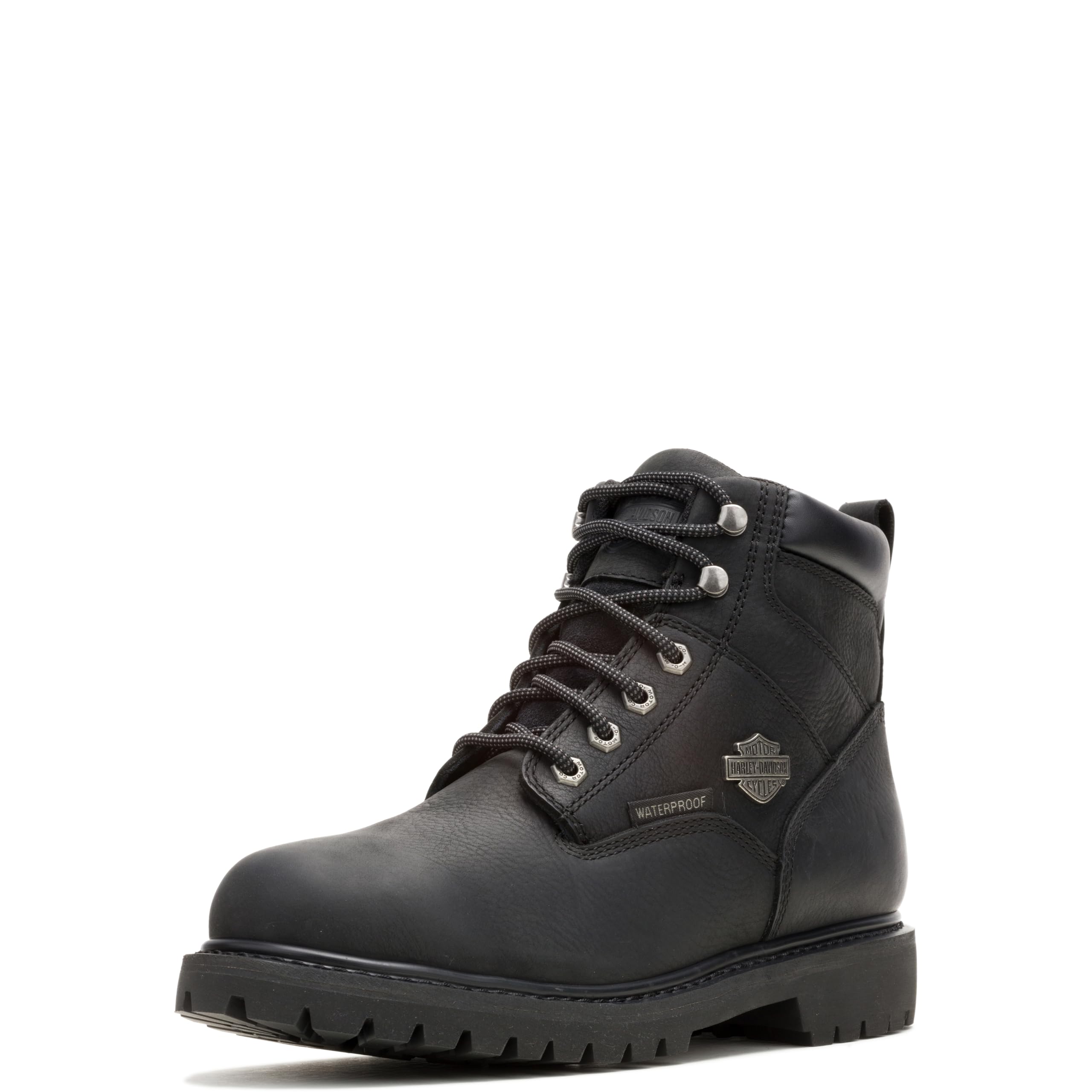


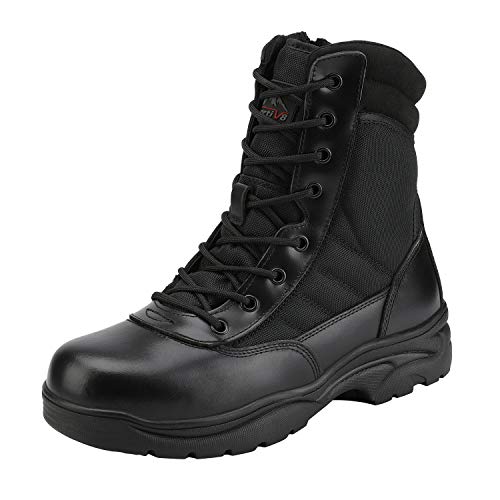


Types of Black Leather Boots Compared
| Type | Best For | Leather and Build Focus | Strengths | Tradeoffs | Typical Price |
|---|---|---|---|---|---|
| Chelsea Boot | Daily dressing and travel | Smooth upper with elastic side panels | Fast to wear, clean shape, easy to polish | Fit depends on the opening and elastic | about $80 to $220 |
| Lace Up Work Boot | Workdays and rough ground | Thicker leather, firm sole, secure lacing | Strong support and adjustable fit | Heavier and slower to put on | about $120 to $300 |
| Dress Boot | Office wear and formal outfits | Refined leather, slim profile, neat sole | Polished finish and versatile shape | Less grip and less weather tolerance | about $150 to $400 |
| Riding Boot | Horse riding and tall coverage | Tall shaft, smooth leg, low profile heel | Leg coverage and a clean line in the saddle | Shaft fit is demanding and use is specific | about $180 to $450 |
| Western and Moto Boots | Casual outfits and road style | Shaped shaft, sturdy heel, decorative or rugged detail | Distinct style and durable build | Pointed shapes can crowd toes | about $130 to $350 |
Chelsea Boots
The Chelsea type is the clean everyday option. Elastic panels replace laces, so the boot slips on quickly and suits trousers, jeans, and many dresses. Its weakness is fit control: the opening and panel tension decide whether the heel stays quiet or lifts with each step. For more depth on this type, compare the guide to best black leather chelsea boots.
Lace Up and Work Boots
Lace up boots give the wearer control over fit from toe to ankle. That matters on long days, uneven ground, and jobs where a loose heel would become a blister. Work versions use thicker leather, stronger stitching, and soles built for grip, while lighter styles trade some protection for comfort in town. The type takes more time at the door, but it is the most adaptable class here.
Dress Boots
Dress boots refine the black boot into a slimmer shape for office and evening wear. Smooth leather, a narrow profile, and a neat sole let the pair sit under tailored clothing without looking like outdoor gear. The trade is practical: thin soles give less cushion and grip, and a polished surface shows neglect quickly. Choose this type when appearance leads, but weigh weather and walking distance before making it a daily pair.
Riding Boots
Riding boots are tall boots shaped for the saddle, with leg coverage and a heel profile made for stirrup use. They can look elegant off the horse, yet their shaft height and close leg fit are functional choices first. A buyer who needs this specialist class should read the guide to best black leather riding boots, because calf fit, shaft height, and the inside leg surface matter more there than in a fashion boot.
Western and Moto Boots
Western and moto boots bring stronger styling to the category. Western pairs often use a shaped shaft and angled heel, while moto pairs favor rugged leather, straps or hardware, and a firm stance. Both can be durable, but toe shape varies widely and a dramatic point may squeeze the forefoot. Try these with the socks and trousers you plan to wear.
Chelsea vs Lace Up: Which Boot Type Should You Choose?
Choose the Chelsea when speed, clean lines, and easy polish matter most, and when the opening feels secure during a brisk indoor walk.
Choose the lace up when you walk far, stand for long periods, need to adjust for thick socks, or want the ankle held firmly. On fit risk, it is more forgiving because laces can correct small mismatches that an elastic panel cannot.
How to Choose the Best Black Leather Boots
Leather Grain and Upper Quality
Full grain leather keeps the strongest surface fibers and usually ages well when conditioned. Top grain and corrected grain leather have a more uniform surface and suit dress styles, while split leather is thinner and often appears in lower price bands or suede finishes.
Fit, Sizing, and Toe Room
Fit boots late in the day, when feet are at working size, and wear the socks you expect to use. The heel should feel held without pain, the widest part of the foot should meet the widest part of the boot, and toes need room to lie flat. Numbness or sharp pressure is not a normal promise of later comfort. Shaft fit matters on tall types, since a loose calf can rub and a tight calf can restrict movement.
Sole, Heel, and Intended Ground
The sole should match the ground you actually cross. Rubber lugs help on wet pavement and work sites, smooth leather soles suit dry formal settings, and low broad heels feel steadier than narrow high heels. A stitched sole may offer a repair path, while a cemented sole often lowers price and weight.
Closure, Shaft, and Daily Use
Closures shape the daily routine. Laces give adjustment, zips give speed after fit is set, elastic panels give a clean pull on shape, and tall shafts give coverage. Think about trousers as well: a slim shaft can sit under a leg opening, while a wide shaft may need to sit over fabric.
Care Tips That Protect the Leather
Black leather is a care class, and conditioning is part of owning it. Brush off grit after wear, wipe salt away promptly, and let a damp pair dry at room temperature away from direct heat. Use conditioner in small amounts when the surface looks dry, then polish smooth leather if the type calls for shine. Rotate pairs when you wear boots daily, because rest days let the lining dry and help the shape recover.
Store boots upright with the shaft supported so tall pairs do not fold at the ankle. Check heels and sole edges during routine care, because a worn heel changes the stride. Suede and nubuck need their own brush and protectant routine rather than cream polish.
Frequently Asked Questions
Do black leather boots need waterproofing?
Black leather boots benefit from waterproofing when they will face rain, slush, or wet work areas. Smooth leather can take an appropriate protectant, but protection is not the same as a sealed waterproof build, and seams or openings can still admit water. For regular soaking conditions, choose a boot type made for wet use. A useful added point is rotation: a dry spare pair protects leather better than forcing one wet pair back into service.
How should black leather boots fit when they are new?
Black leather boots should fit securely at the heel and midfoot while leaving room for the toes to rest flat. The ankle and shaft should feel close without cutting into movement, and the ball of the foot should align with the flex point of the sole. Try both feet, since one is often larger. A small amount of heel movement can settle in some pull on styles, but pain, numbness, or toes pressed against the front should not be accepted.
Are expensive black leather boots worth the cost?
Expensive black leather boots are worth the cost when the price buys stronger leather, sound stitching, a repairable sole, and a lining that can handle daily wear. Cost alone is not proof, because styling can raise a price without improving service life. Compare the type against your use: a premium dress boot worn twice a month may be less sensible than a mid priced work boot worn every day. Care habits also decide whether the better materials reach their potential.
How often should black leather boots be resoled or replaced?
Black leather boots should be resoled when the tread or walking surface is worn but the upper and internal structure remain sound. A cobbler can judge whether the sole attachment and heel base are still worth saving. Replace the pair when the upper cracks through, the shaft loses support, or the inside structure breaks down. An added sign is a new lean in your stride, which can mean the heel or sole has worn unevenly.
How long is the break in period for black leather boots?
The break in period for black leather boots often runs through several shorter wears rather than one long first day. Stiffer work and riding types may need more time at the ankle and forefoot, while softer dress types may feel ready sooner. Wear the pair indoors first and increase time gradually. Sharp pain, hot spots, or numbness are not milestones to push through; they point to fit, sock, or lacing changes that should be made early.
Can black leather boots be worn for a full workday?
Black leather boots can be worn for a full workday when the type, sole, heel height, and fit suit the work. Lace up pairs with supportive soles are the safest general choice for long standing and walking, while slim dress boots are better for shorter periods. One useful addition is an end of day check: if the leather is damp from sweat or weather, let the pair rest before the next shift so the lining can dry.
The Bottom Line
Start with the type that matches your use, then judge grain, fit, sole, and care before price. The product table gives a fast comparison, while the sections here explain why one black pair lasts and another only looks right on the shelf. Chosen that way, best black leather boots can serve work, travel, riding, or formal wear without asking one pair to do every job.


