
Best Black Boots for 2026: A Practical Buying Guide
Disclosure: We may earn a commission when you buy through links on this page, at no extra cost to you. As an Amazon Associate I earn from qualifying purchases. Learn more

Pick the best black boots for your routine with clear advice on fit, materials, traction, waterproofing, and care.
Choosing best black boots can feel harder than it should, because black pairs range from sleek city styles to rugged work styles, and each one suits a different daily routine. This guide focuses on fit, materials, traction, and care, so you can judge a pair by what matters for your feet. The product table can help you weigh those factors side by side.
Black is a forgiving color for daily wear, since scuffs and dust show less than they do on light colors, yet color alone does not make a pair comfortable or durable. A good pair should feel settled after a short break in period, support your stride without pinching, and match the surfaces you walk on most. Use the sections below to match the boot to your routine, then check details that often cause regret, such as a narrow toe box or a sole that slips on wet pavement.



Choosing by Spending Level
Price works best when you match it to how often you will wear the pair and how hard the conditions will be. A pair worn a few times a month does not need the same build as a pair worn every day on rough ground.
Everyday Value Choices
Value pairs usually use simpler leather or coated fabrics, a molded footbed, and a glued sole. They can work well for office days, school runs, and short walks, especially when the weather stays dry. Look for a secure heel, a toe box that lets your toes spread, and an outsole with grip for wet sidewalks. Check stitching and heel attachment too, since those details often show wear first.
Well Rounded Midrange Choices
Midrange pairs often add better cushioning, a more supportive footbed, and stronger construction, such as stitched welts or reinforced toes. They suit people who walk several miles a day, stand for long stretches, or face mixed weather. Leather quality tends to improve here, which can mean a smoother break in period and a finish that ages evenly. This level is often the best balance for daily wear, since comfort and durability both improve without a steep jump in cost.
Premium Builds for Hard Use
Premium pairs usually use thicker leather, more careful stitching, and soles designed for long wear. They may also offer resoling, which can extend the life of a well fitting pair.
This level suits people who wear boots all day in demanding settings or walk on uneven ground. The break in period may be longer, so try them on with the socks you plan to wear and walk indoors first. A premium price makes sense only when the fit is right, because even the best materials cannot fix a pinching toe box.
How to Choose the Best Black Boots
Work through the factors below in order, and treat fit as the first filter. If a pair fails on fit, the other features matter far less.
Fit, Sizing, and Toe Box
Measure your feet in the afternoon, when feet tend to be slightly larger, and wear the socks you plan to use most. Your longest toe should have a small amount of room at the front, and your heel should stay settled when you walk. A roomy toe box matters for long days, because cramped toes can lead to blisters and soreness. For women's sizing notes, see our guide to best black boots for women, which covers fit differences that can affect toe room and heel hold.
Outsole Traction and Terrain
Outsole grip depends on the pattern, the depth of the lugs, and the rubber compound. Shallow patterns suit smooth indoor floors and dry pavement, while deeper lugs help on mud, gravel, and wet grass. A sole that is too smooth can feel unsure on wet stone, while a very deep lug can feel stiff on hard floors. Think about the surfaces you meet most often, and choose a pattern that matches them.
Weight and Flexibility
Weight affects fatigue more than many buyers expect, especially over a full day. A lighter pair often feels easier on stairs and long walks, while a heavier pair may offer more ankle support and protection. Flexibility matters too, since a sole that bends at the ball of the foot tends to feel more natural than a rigid slab. Try bending the pair by hand and walking a short distance to see where it flexes, and note any pressure points during the first indoor wear.
Waterproofing and Breathability
Waterproof membranes can keep rain out, but they also reduce airflow, which can make feet feel warm on mild days. A membrane makes sense when you often walk in rain, snow, or standing water. For mostly dry use, a water resistant finish and good seam sealing may be enough, with better breathability as a bonus. Remember that waterproofing does not make a pair suitable for deep water, and seams and zippers can still let moisture in.
Cushioning and Support
Cushioning softens impact, while support guides the foot through each step. A thick, soft midsole can feel pleasant at first but may feel less stable on uneven ground. A firmer midsole with a shaped footbed can feel more settled for people who need arch support. Heel to toe drop, the height difference between heel and forefoot, also shapes how the foot lands.
Try the pair on both feet, and walk on a hard surface to judge the balance.
Durability and Expected Lifespan
Durability depends on materials, construction, and how often you wear the pair. Stitched construction often lasts longer than glued construction, and thicker leather tends to resist scuffs better than thin coated fabric. Daily wear on rough surfaces will wear any sole faster than occasional use on smooth floors. Watch for thinning tread, loose stitching, or a collapsing heel counter, and replace a worn pair on time, since a flattened footbed can change how you walk.
Arch Support and Foot Type
Foot shape changes which support feels right. Flat feet often benefit from a structured footbed that limits inward rolling, while high arches often need more cushioning under the midfoot. Neutral feet may do well with a balanced footbed that neither overcorrects nor leaves the arch unsupported.
If you notice persistent or worsening foot pain, swelling, or numbness, see a doctor for advice about your feet rather than relying on footwear alone. A removable insole is useful, since it lets you swap in a footbed that matches your arch.
Types of Black Boots
Black boots come in several shapes, and the shape affects ease of wear, ankle support, and style. Use the descriptions below to narrow the field before you compare materials and soles.
Waterproof Boots
Waterproof boots use membranes, sealed seams, and water resistant uppers to handle rain and slush. They suit commuters, outdoor workers, and anyone who walks through wet grass or puddles. The trade off is warmth and reduced airflow, so they feel best in cool or wet weather. Look for a gusseted tongue, which helps block water at the front, and a sole with grip for wet surfaces.
Chelsea Boots
Chelsea boots slip on with elastic side panels and no laces, which makes them quick to put on and easy to pair with smart casual clothes. They offer less ankle adjustment than lace up styles, so fit matters even more. They suit office days, city walks, and evenings out, but they may not give enough support for rough trails. Check that the elastic holds the ankle snugly without pinching, and that the sole grips well on smooth floors.
Lace Up Boots
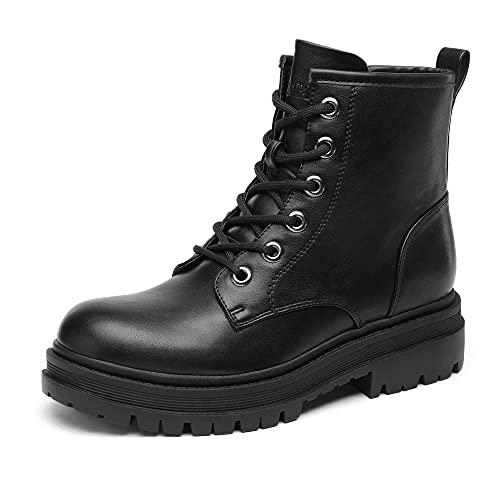
Lace up boots let you adjust fit across the instep and ankle, which helps when feet swell during the day or when you wear thicker socks. They suit work settings, long walks, and uneven ground, where a secure fit matters. The trade off is time, since lacing takes longer than slipping a pair on. Look for sturdy eyelets or hooks, laces that stay tied, and a tongue that stays centered.
Casual Chukka Boots
Chukka boots sit at ankle height with a short lace section, giving a relaxed look that works with jeans and casual trousers. They are lighter and more flexible than taller work styles, which suits daily city wear. They offer less ankle coverage, so they are less suited to deep mud or heavy outdoor work. For men's sizing and styling notes, see our guide to men's black boots, which covers fit points that also apply to casual styles.
Who Should Choose Which Style
Office wearers often do best with a sleek lace up or Chelsea style that looks tidy with trousers and grips well on smooth floors. Daily walkers should favor cushioning, a roomy toe box, and a sole that handles wet pavement. Outdoor workers need deeper traction, tougher leather, and a secure lace system. People who stand all day should look for a supportive footbed, a stable heel, and a sole that absorbs impact without feeling wobbly.
Care and Maintenance Tips
Brush off dust and mud after wear, since grit can dull the finish and wear down seams. Let wet pairs air dry away from direct heat, and stuff them lightly with paper to hold their shape. Rotate two pairs for daily wear when you can, because rest days let moisture escape and foam recover. Condition leather when it looks dry, following maker guidance for the finish, and polish sparingly with a product made for that finish, so the black color stays even rather than patchy.
Frequently Asked Questions
How should black boots fit?
Black boots should fit snugly at the heel and midfoot while leaving room for your toes to move. Measure both feet in the afternoon, try the pair with your usual socks, and walk on a hard surface indoors before deciding. Your heel should not lift much with each step, and the widest part of your foot should line up with the widest part of the boot. A pair that pinches at first may soften slightly, but leather will not stretch enough to fix a truly narrow toe box.
Do I need waterproof boots?
You need waterproof boots when you regularly walk in rain, snow, slush, or standing water, or when wet feet would ruin your day. A membrane and sealed seams help most in those conditions, while a water resistant finish may be enough for light drizzle and mostly dry use. Waterproof pairs tend to feel warmer, so they can be less pleasant in hot weather. Consider your climate and your route, including grass, gravel, and puddles, before you choose.
How long is the break in period?
The break in period for black boots usually lasts from a few days to two weeks of regular wear, depending on leather thickness and construction. Softer leather and flexible soles tend to settle quickly, while thick work leather may need more time. Wear the pair indoors for short periods first, then build up to longer outings as the leather softens. If pain, blistering, or numbness persists, stop and reassess the size or style, and seek medical advice if the problem continues.
How often should I replace my black boots?
Replace black boots when the tread wears smooth, the heel counter collapses, the footbed flattens, or stitching comes loose in a way that affects support. Daily wearers may reach that point sooner than occasional wearers, and rough surfaces shorten life further. Rotating pairs and caring for leather can extend use, but no care routine restores a worn sole. Pay attention to changes in comfort, since new soreness can signal that support has faded.
Are expensive black boots worth it?
Expensive black boots are worth it when the extra cost buys a better fit, stronger construction, or a repairable build that matches your use. A higher price does not guarantee comfort, so judge the pair on fit, materials, and sole quality rather than price alone. For light, occasional use, a value pair may serve just as well. For daily wear or hard conditions, a midrange or premium build often lasts longer and feels better over time.
Our Verdict
Start with fit, then match traction and waterproofing to your surfaces and weather, and choose a style that suits your longest day. A roomy toe box, a stable heel, and a sole with grip for your routes will matter more than styling details. The product table above can help you compare those factors at a glance. With the right balance of comfort, support, and care, best black boots can serve as a dependable daily pair for many seasons.


