
Best Biometric Home Safe in 2026: Sensors, Size and Fire Protection
Disclosure: We may earn a commission when you buy through links on this page, at no extra cost to you. As an Amazon Associate I earn from qualifying purchases. Learn more

Compact, mid size and large fingerprint safes compared on sensor, backup entry and protection, to help you choose the best biometric home safe.
A fingerprint safe sounds simple until you shop for one. One model opens fast but holds little, another resists fire but reads prints slowly, and a third adds an app you may never use. Choosing the best biometric home safe means matching sensor reliability, backup access, size, and protection to what you store. The product table below sums up the main types so you can narrow your list fast.
This guide covers types only, with no named picks. For broader background first, see our guide to the best home safe.

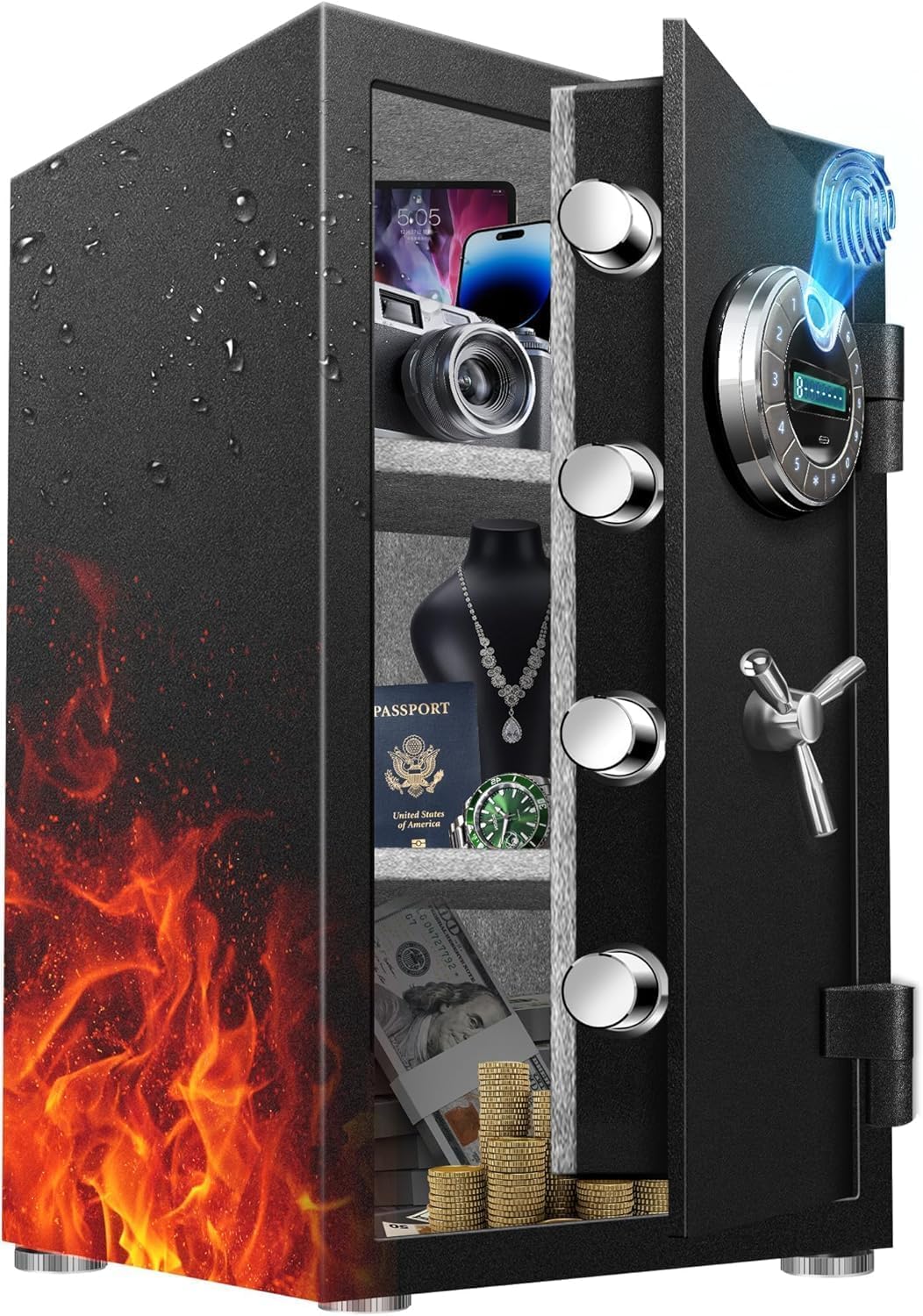
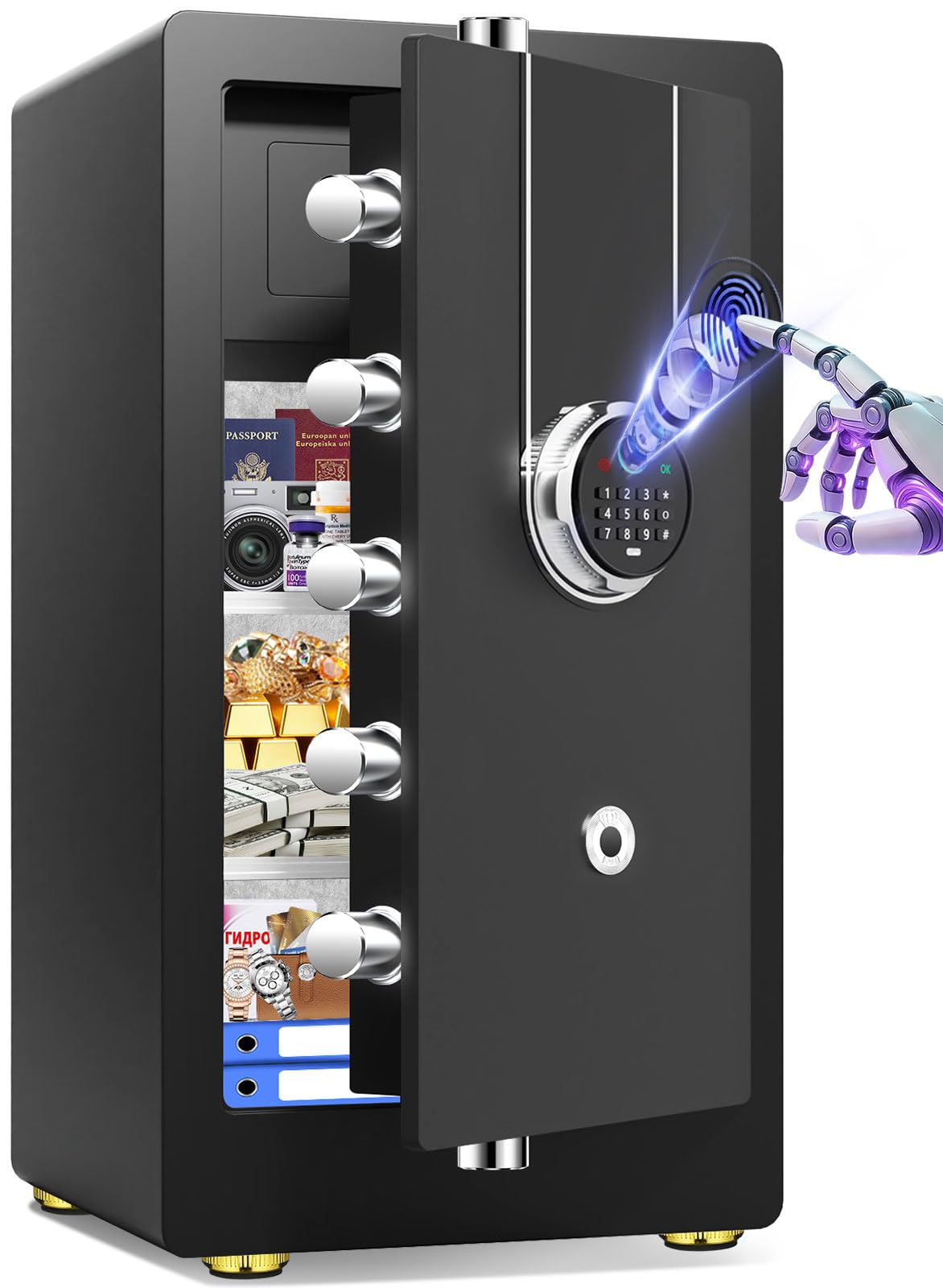


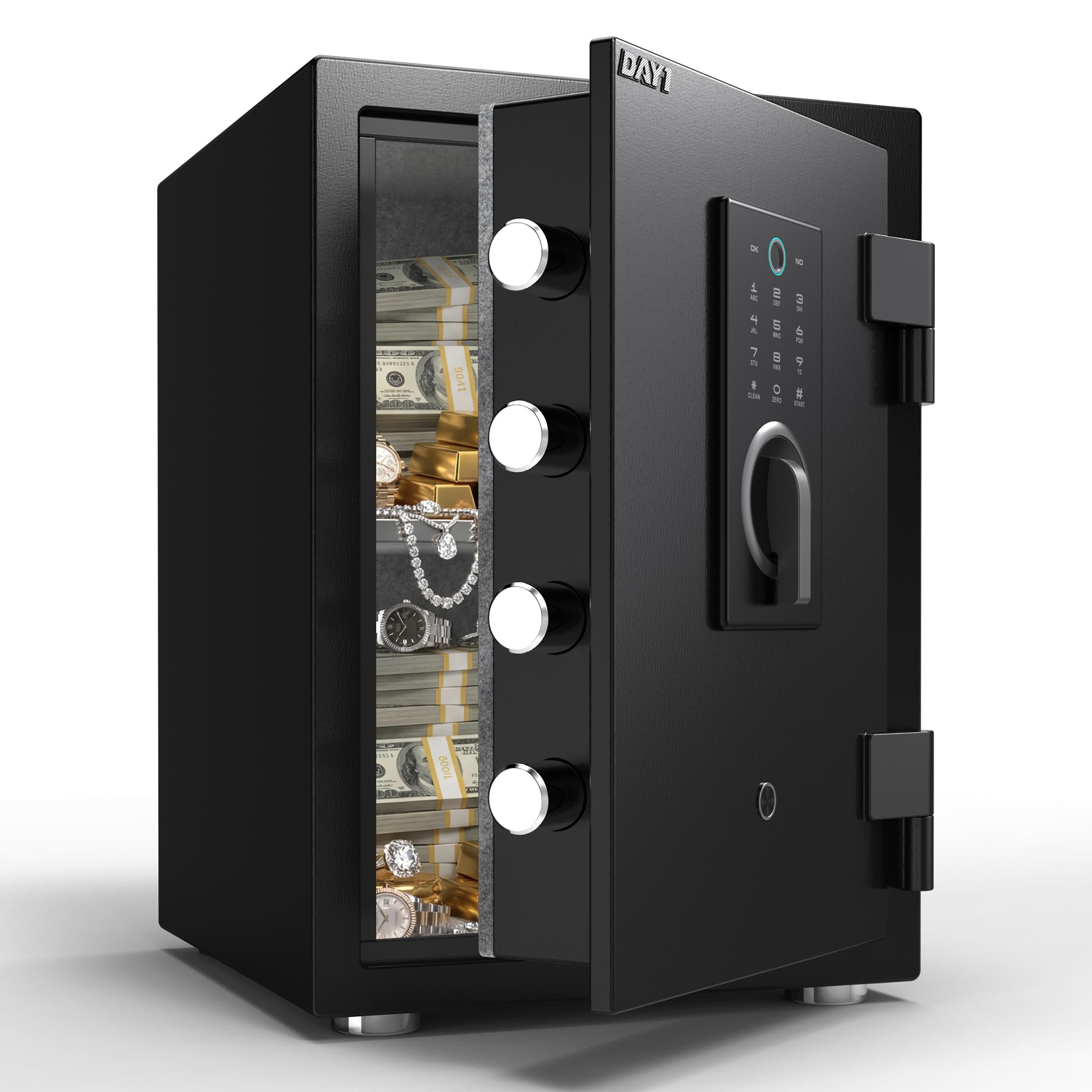
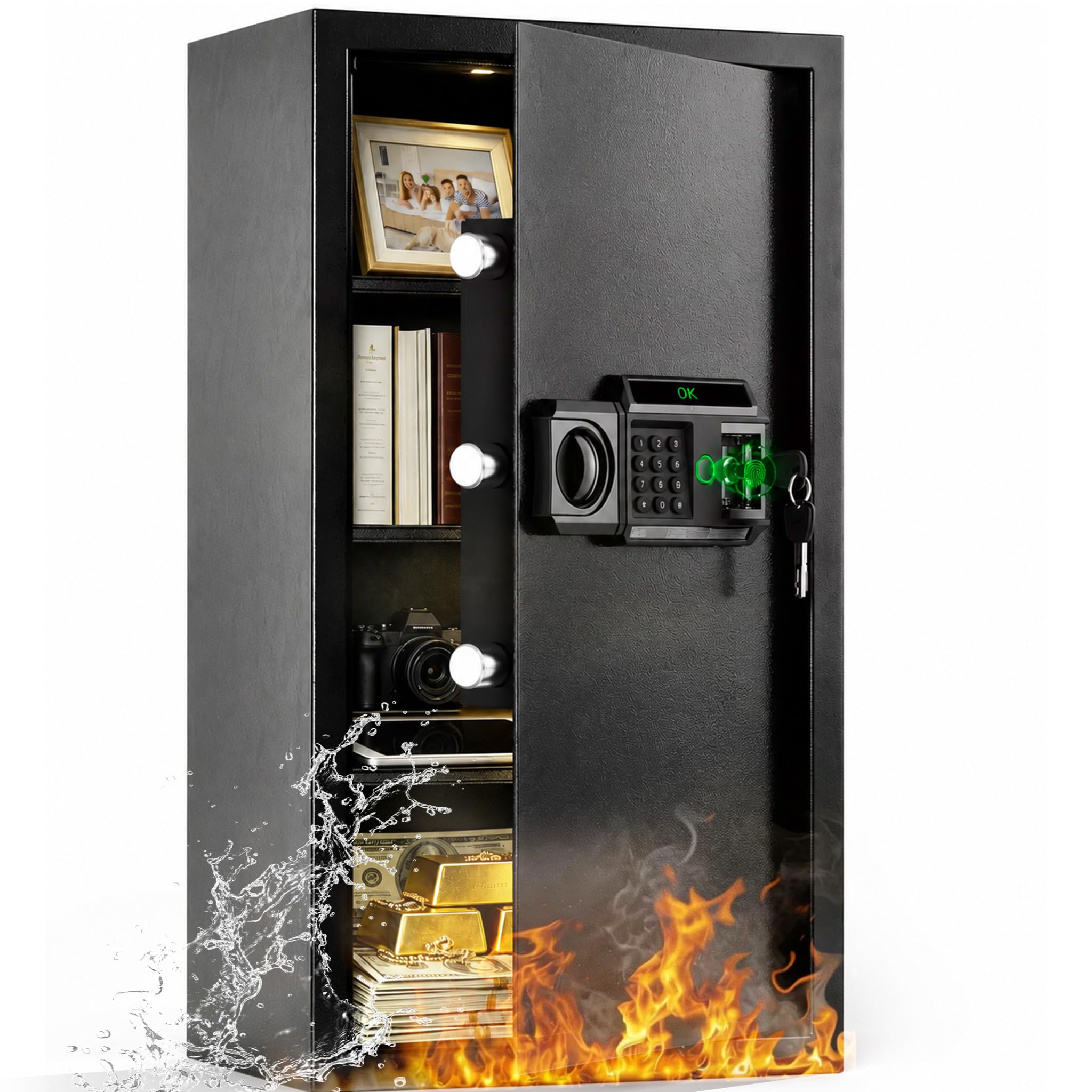


Biometric Safe Types at a Glance
Most models fall into three groups, split by capacity and build strength.
- Compact type: fast access, small footprint, limited fire protection.
- Mid size type: balanced capacity, document storage, common fire ratings.
- Large type: maximum capacity and steel, heavy, needs planned placement.
Three Types Compared
Compact Type for Fast Everyday Access
A compact biometric safe suits a closet, office, or nightstand zone where you open it often. The interior holds envelopes, spare cash, and a watch box, and the unit can be bolted to a shelf or floor. Speed is the main gain, since a stored print opens the door with no code to recall. Capacity is the clear limit, and thin steel on the smallest models deters casual snooping more than a determined attack.
Mid Size Type for Documents and Mixed Valuables
This is the most versatile group for most homes. Interiors around 1.2 to 2 cubic feet swallow letter size folders laid flat, plus jewelry cases, drives, and small cameras on an adjustable shelf. Many models pair the fingerprint reader with a rated fire seal, so paper survives heat longer than in a basic box. Weight rises sharply once fire fill is added, so plan on two people to move it.
Large Type for Maximum Storage and Strength
Large biometric safes around 4 cubic feet serve households consolidating many valuables in one place, such as camera bodies, coin albums, and multiple document boxes. Thicker doors, more bolts, and heavier bodies raise resistance to prying, and interiors often split into shelves and a separate locking compartment. The trade off is placement. Floor load, door swing, and delivery access all need checking before you order.
How to Judge a Biometric Home Safe
Judge a fingerprint safe on five points. First, sensor accuracy, meaning it accepts your print quickly and rejects prints that are not stored. Second, backup access, since every model needs a code or key for a dead battery or a cut finger. Third, build strength, including steel thickness and bolt count. Fourth, fire and water ratings where they apply. Fifth, daily practicality, such as interior light and mounting options.
How to Choose the Right Home Safe
Size and Form Factor
Measure your items, then measure the space. Interior volume tells only part of the story, since door thickness and shelves eat room. A safe listed at 1.2 cubic feet may not fit a thick binder standing upright. If space is tight, compare options in our guide to the best small home safe first. Form matters too. A wall safe hides between studs but holds little, a floor safe conceals well but is awkward daily, and a cabinet style safe is easiest to load.
Type and Protection Level
Decide what threat worries you most. For theft, steel thickness, bolt work, and anchoring matter most. For fire, look for a tested rating that states a time and an internal temperature limit. If fire is your main concern, our guide to the best fireproof home safe explains ratings in depth. Water protection is separate. A water resistant seal helps during a leak, but it does not imply a fire rating, and a fire rating does not imply flood protection.
Fingerprint Accuracy and Backup Access
A good reader stores many prints, often 20 or more, so you can enroll the same finger at slight angles and add a second trusted person. Enrolling one finger in several positions cuts failed reads when your hands are dry, cold, or damp. Backup access is just as vital. A keypad lets a spouse in with a code, and a manual key covers total power loss. Try both backups on day one, and store the key outside the safe.
Storage for Jewelry and Small Valuables
Small items get lost inside a bare steel box. Soft lining, a shallow tray, and dividers keep rings and watches from scratching each other and make a quick inventory easy. If jewelry is your main reason for buying, our guide to the best home safe for jewelry covers tray layouts in detail. Also check door clearance, since a tray near the front can catch on the bolts as the door closes.
Ecosystem Compatibility
Most biometric safes do not join Alexa, Google Home, HomeKit, or Matter, and that is fine for most buyers. A safe that works alone has fewer failure points and no network to attack. A smaller group offers Bluetooth or WiFi through a phone app, adding entry logs, door alerts, and battery warnings. Treat those extras as a convenience layer, not core security. The print reader, keypad, and key should all function with no connection at all.
Battery Power and Power Backup
Nearly all fingerprint safes run on replaceable batteries inside the door, commonly AA cells, and a set often lasts about a year with normal use. Almost none plug into wall power, since a cord would reveal placement and create a failure point. Look for a low battery warning with enough notice to swap cells calmly. Some doors add external contacts or a USB port for temporary power when the batteries die with the door shut.
Subscriptions and Local Storage
A basic biometric safe charges nothing after purchase. Models with an app may keep entry logs on the safe or phone at no cost, while a few charge for cloud history, extra users, or long term alert storage. Read the fee terms before you rely on a log feature. Local records that stay on your phone or on the safe itself keep working without a plan.
Privacy and Security
Your fingerprint data should stay on the safe. Sound designs store print templates in the reader module, not in a cloud account, and an app should never receive your actual print image. Check the privacy policy for app models and turn off data sharing you do not need. Physical privacy counts too. A silent mode stops beeps that announce each opening. Choose a code you do not use on phones or bank cards.
How Much Should You Spend?
Compact fingerprint lock boxes often cost about $80 to $180 and suit light duty storage. Mid size models with fire protection commonly run about $200 to $500, which is where most home buyers land. Large or heavy gauge models can reach about $600 to $1,000 or more once delivery is counted. Very low prices usually mean thin steel, a slow reader, or no tested fire rating. Spend first on steel, sensor quality, and anchoring. Lights, padded shelves, and app extras come after those basics.
Installation and Placement Basics
A safe only resists theft if it stays put. Bolt a compact or mid size safe to the floor or to wall studs through the predrilled holes most models provide, using the hardware grade the manual specifies. For step by step anchoring guidance, see our notes on how to install a home safe. Heavy large models may need a ground level slab. Keep the manual, backup key, and code record in separate places, never inside the safe itself.
Biometric vs Other Home Safes: Pros and Cons
Fingerprint access wins on speed and on freedom from codes. You open the door with hands full, in low light, and without tapping a long code. Each enrolled person also gets separate access, so no single code gets shared around the household or passed to guests.
The limits are real. Wet, dirty, or injured fingers can read poorly, sensors add cost over a plain keypad model, and electronics depend on batteries. A keypad safe costs less and works with gloves. A dial safe has no batteries at all and suits rarely opened storage. If two adults need fast daily access, biometric access earns its price. If the safe opens twice a year, a keypad model gives the same steel for less.
Common Mistakes to Avoid
- Enrolling only one print. One cut or dry patch can lock you out of fast access.
- Leaving the safe unbolted. A portable safe can be carried away and opened elsewhere.
- Storing the backup key inside. The key does no good shut in the space it should rescue.
- Buying by exterior size. Thick fire walls shrink the interior, so folders may not fit.
- Ignoring rating details. A fire rating without a stated time and temperature proves little.
- Sharing one code with everyone. Separate prints let you revoke one person without changing all access.
How to Make Your Biometric Home Safe Last Longer
Swap the batteries once a year on a set date, even if the warning has not sounded, and use fresh cells from one pack. Keep a small desiccant pack inside and replace it on the same date, since trapped moisture can spot documents and dull jewelry. Check the anchor bolts once a year for loosening, and open the door gently rather than letting it slam, which protects the bolt work and the door seal over time.
FAQ
What is the best biometric home safe?
There is no single answer, since the right choice depends on what you store and how often you open it. A compact type fits daily cash and documents, while a mid size fire rated type suits most households best. Check the product table above for the type that matches your list, then confirm print storage count, backup access, and interior dimensions before you order.
Are biometric home safes worth it?
They are worth it when you open the safe often and want access without recalling or exposing a code. The premium over a keypad model buys speed and separate access for each enrolled person. If your safe holds items you touch once or twice a year, that premium buys little, and a keypad model with the same steel and fire rating is the smarter spend.
How long does a home safe last?
The steel body can serve for decades, but the electronics set the practical life. Readers and keypads commonly work for many years when batteries are changed on schedule and moisture stays out. The fire seal ages faster than the steel, and makers often suggest inspecting it after about ten years.
Is a home safe worth it?
Yes, for items that are hard to replace or costly to expose, such as passports, deeds, spare cash, and family jewelry. A safe slows a thief, protects paper during a small fire, and keeps curious guests and children away from valuables. It does not replace insurance for high value items. List valuables with your insurer, keep photos outside the safe, and treat the safe as one layer of protection.
How do you clean a home safe?
Wipe the exterior with a soft cloth that is slightly damp, then dry it fully so no moisture sits in seams. Clean the fingerprint sensor with a dry cloth only, since liquid cleaners can cloud the reading surface. Vacuum the interior with a brush attachment. Skip scented sprays inside, because residue can transfer to documents and jewelry.
What is the most reliable home safe brand?
Reliability shows in build details more than in a name. Look for a stated fire test standard, solid bolt work, a reader that stores enough prints, and clear warranty terms with parts support. Read recent owner reports for patterns, such as repeated reader failures or doors that sag, rather than single angry reviews. A maker that publishes full dimensions, steel gauges, and rating details gives you facts to judge.
Final Thoughts
Start with your item list, then pick the type that fits it, then judge sensors and backups with care. The best biometric home safe for your home is the one you can anchor well, open reliably, and afford without cutting steel quality. Use the product table above to compare types side by side, and read our home safe buying guide for a full planning checklist before you order.


