Best 9500 Watt Generators in 2026: Buying Guide and Top Options
Disclosure: We may earn a commission when you buy through links on this page, at no extra cost to you. As an Amazon Associate I earn from qualifying purchases. Learn more

A practical guide to the best 9500 watt generator: sizes, features, budget ranges, and mistakes to avoid before you buy.
A long outage stops feeling like a minor problem once the fridge warms up, the well pump quits, and the house goes dark. Choosing the best 9500 watt generator solves that problem for many homes, since this size can run several large loads at once without moving up to a permanent standby unit. The hard part is that models in this class differ a lot in fuel choice, noise, outlets, and how clean their power is.
This guide compares the main types side by side and walks through the specs that actually decide whether a unit fits your home, your yard, and your budget. Use the comparison table below to line up the key numbers, then read on for the details behind each one.



The Main Types at a Glance
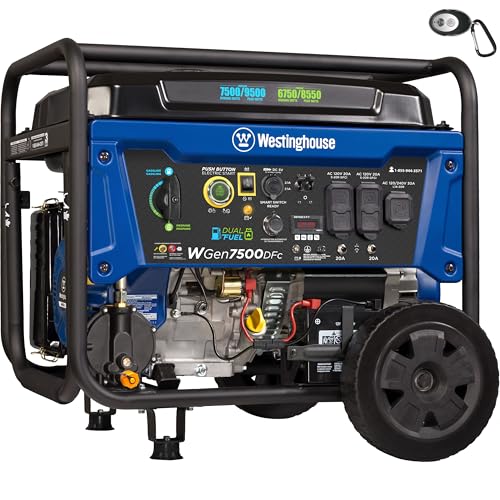
Instead of three near identical machines, think of this class as three types. Conventional dual fuel models give you the most watts for the money and simple, proven hardware. Inverter style models in this size cost more but run quieter and produce cleaner power for electronics. Tri fuel models add natural gas as a third option, which suits homes that already have a gas line near the storage spot.
All three types share the same basic promise, about 9500 starting watts with roughly 7500 running watts on most models. What separates them is fuel flexibility, sound level, and price.
Three Generator Types to Compare
Conventional Dual Fuel Models
These open frame units run on gasoline or propane and anchor the value end of the class. Gasoline delivers the full rated output, while propane usually trims running watts a little in exchange for cleaner storage and a fuel that does not go stale. You get a steel frame, a large tank, and simple controls. The trade off is noise, since an exposed engine at full load is loud enough that placement away from windows matters a great deal.
Inverter Style Models in This Size
Inverter technology adjusts engine speed to match the load instead of running at one fixed speed. That means less noise at partial load, better fuel economy during a long outage, and power with low distortion that sensitive electronics handle well. Units in this size are often enclosed, which helps sound but adds weight and cost. If you plan to run a home office, modern appliances with electronic controls, or medical devices with a clinician approved backup plan, this type earns its premium.
Tri Fuel Models for Fuel Flexibility
Tri fuel units accept gasoline, propane, and natural gas, and that third option changes outage planning. Natural gas flows from your utility line, so you never refuel during a long event, though output on natural gas is lower than on gasoline. Switching fuels is usually a dial or a hose change rather than a conversion kit. Choose this type if storm outages in your area often last for days and a gas connection sits within reach of a safe outdoor spot.
How the Options Are Compared
We judged this class on build materials and weather resistance, size and capacity, and how much assembly a new owner faces before the first start. We also weighed durability, warranty length, outlet selection, and safety features such as a carbon monoxide sensor with automatic shutoff. Models that were discontinued or hard to find new were left out.
How to Choose the Right Generator
Size and Form Factor
Generator sizes step up through about 2000, 3500, 4500, and 7500 watts before reaching this 9500 watt class, with 12000 watt portable units above it. Smaller sizes suit camping or a few essentials, while 9500 watts covers a fridge, a well pump, lights, and a window air conditioner together. Nearly all units here use an open or partly enclosed frame on wheels, and most weigh well over 200 pounds, so treat one as semi portable. You will move it across a driveway, not lift it into a truck bed alone.
Type
Beyond the three types above, it helps to know the wider landscape so you buy the right category. Quiet and super quiet labels usually point to enclosed inverter models. Solar units store energy in batteries and cannot match this output for long. Standby and whole house systems are fixed installations with an automatic transfer switch, covered in our guide to the best whole house generator. For portable power at this output, gasoline, propane, and dual fuel or tri fuel designs are the realistic choices.
Features Worth Paying For
Electric start matters more at this engine size than on any small unit, since pull starting a large engine in cold weather is hard work. Remote start adds comfort when the generator sits far from the house, though you still need to walk out and check fuel and oil. A carbon monoxide sensor that shuts the engine down is a safety feature worth insisting on. Transfer switch readiness, meaning a 50 amp outlet and an inlet friendly panel setup, turns a portable unit into a practical home backup source.
Weather Resistant Materials
Look for a powder coated steel frame, covered outlets with rubber caps, and a control panel that sheds light rain rather than pooling water. These details decide how well a unit tolerates a damp garage or a covered patio between uses. No portable generator is waterproof, and the engine needs open air to run safely, so weather resistance here means resisting corrosion and splashes in storage, not running in a storm. A fitted storage cover cheaply protects the panel.
Size for Your Space
Measure your storage spot before ordering, since a typical unit in this class takes up about the footprint of a large suitcase stood on end, plus room for the handle and wheels. You also need a flat outdoor spot at least 20 feet from the house where exhaust points away from doors and windows. Check that gates and garage doors clear the frame width. If space is tight, compare the folded handle dimensions, since handles that fold down can save several inches of depth.
Assembly and Anchoring
Assembly is usually limited to fitting the wheels, the support feet, and the handle, then adding oil and fuel. Plan on about 30 to 45 minutes with basic hand tools, and read the manual first because the engine ships without oil. Anchoring is about theft and vibration rather than wind. A heavy chain through the frame deters casual theft, and a firm level surface stops the unit from walking during a long run. Never bolt a running generator inside a structure or enclose it in a box.
Care and Off Season Storage
Change the oil after the first break in period and then on the schedule in the manual, since small air cooled engines depend on clean oil. Run the engine for a few minutes each month so seals stay lubricated and the battery on electric start models holds a charge. For storage, drain the carburetor or use fuel stabilizer in gasoline, and store propane tanks upright outdoors. Keep the spark plug, air filter, and a spare quart of oil together so a surprise outage does not send you shopping in the dark.
How Much Should You Spend?
Most conventional models in this class sell for about $800 to $1,200, while inverter and tri fuel versions often run about $1,300 to $2,200, and prices can change, so check the product page before ordering. Spending more mainly buys quieter operation, cleaner power, and extra fuel options rather than more watts. Budget for the extras too, since a transfer switch installation, a heavy duty cord, and a storage cover can add about $300 to $600. If you only need lights and a fridge, a smaller size will save real money.
Is a 9500 Watt Generator the Right Size for You?
Add up the running watts of everything you want at once, then check the starting watts of the largest motor load, such as a well pump or a central air conditioner. A fridge uses about 150 to 200 running watts but needs a brief surge to start, and a well pump can draw several times its running draw for a second. This class handles most homes that skip electric cooking, electric water heating, and a large central air system running all at once.
If your list includes an RV, note that a 50 amp RV outlet on some models makes this size a strong home and travel backup, a point our guide to the best generator for rv explores in depth. If your total load stays under about 4000 watts, step down a size and enjoy the lower noise and fuel use. Our walkthrough of what size generator do i need shows the full math with worked examples. Shoppers comparing categories can also start with our overview of the best generator options across all sizes.
Safety comes before sizing. Run any portable generator outdoors only, well away from windows, and let it cool before refueling. If anyone in the home relies on powered medical equipment, talk with a clinician and your power company about a backup plan well before storm season, and treat a generator as one part of that plan rather than the whole plan.
FAQ
What is the best 9500 watt generator for a home with sensitive electronics?
Choose an inverter style model, since its low distortion output is the safest match for laptops, modern TVs, and appliances with electronic control boards. Check the specification sheet for a total harmonic distortion figure under 3 percent if the maker publishes one. A conventional model can still run these items, but an inverter removes the guesswork. Our guide to the best inverter generator explains distortion ratings in plain language.
What size generator do I need if I run a well pump and a furnace together?
For that pairing alone, about 5000 to 6500 running watts usually covers the furnace blower plus the pump surge, so a 9500 watt unit leaves comfortable headroom for a fridge and lights. The key detail is staggering starts, since two motors surging in the same second can trip a breaker even on a large unit. Start the pump load first, let it settle, then bring the furnace online.
How do you hook up a generator to a house safely?
The safe route is a transfer switch or an interlock kit fitted by a licensed electrician, paired with an outdoor inlet box. You plug the generator into the inlet, flip the switch, and choose which circuits receive power. Never plug a generator into a wall outlet, since backfeeding can injure line workers and damage your panel. Our step by step guide to how to hook up a generator to a house covers permits and inspection as well.
How long can a 9500 watt generator run without a break?
Most models run about 10 to 12 hours at half load on a full tank, and makers design them for long continuous runs during an outage. The real limits are oil level, heat, and your attention, so check the oil every day of use and shut down for refueling and cooling. Propane extends run time if you swap tanks, and natural gas removes the refueling limit entirely, though daily oil checks still apply.
Is it safe to run a 9500 watt generator in the rain?
No, keep the generator itself dry while it runs, since water and live outlets are a dangerous mix and rain can enter the air filter and panel. A purpose built generator tent or an open sided canopy keeps rain off while letting exhaust and heat escape. Never run one in a garage with the door open as a rain workaround, because carbon monoxide still builds up fast in that space.
Final Thoughts
The right choice comes down to fuel and noise more than raw output, since every model here delivers similar watts. Pick dual fuel for value, an inverter for quiet and clean power, or tri fuel for long outages with a gas line. Before you order the best 9500 watt generator for your home, look back at the product table above, confirm the running watts against your load list, and plan the transfer switch at the same time so the unit is ready when the lights go out.