Best Bissell Steam Mop in 2026: Which Type Fits Your Floors
Disclosure: We may earn a commission when you buy through links on this page, at no extra cost to you. As an Amazon Associate I earn from qualifying purchases. Learn more
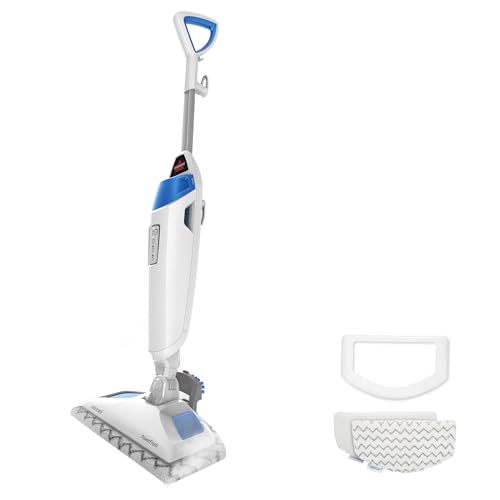
Upright, compact and lift off steam mops compared on tank, steam control and pads, so you can pick the best bissell steam mop for your floors.
Bissell sells several steam mops that look alike in photos, yet they differ in tank size, steam control, pad shape, and attachments. Choosing the wrong one usually means refilling too often, struggling on grout, or paying for tools you never use. This guide helps you find the best bissell steam mop for your floors by comparing types and features, not brand hype. If you are still weighing brands, see our guide to the best steam mop for a wider view before you narrow your choice.
The product table below sums up the main types at a glance. After that, this article walks through tank capacity, steam output, ease of use, cleaning care, noise, safety, and warranty, so you can match a model to your rooms with confidence.
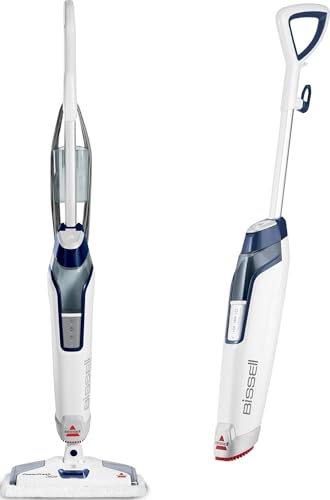


Bissell Steam Mop Types at a Glance
Bissell steam mops fall into three broad types. Standard upright models cover large areas of hard floor and suit most homes. Models with a detachable handheld unit add above floor cleaning for sinks, stovetops, and bathroom tile. Slim and compact models store easily and cost less, but they usually carry smaller tanks and fewer controls.
Your floor mix should decide the type before price does. A home with mostly tile needs strong steam and a pad that reaches into grout lines. A home with mostly sealed wood needs gentler steam control and a soft pad.
Bissell Steam Mop Types Compared
Versatile Upright Models for Whole Rooms
A versatile upright is the safe default for most buyers. It pairs a midsize or large tank with adjustable steam, a wide mop head, and a swivel neck that steers around table legs and under low furniture. This type covers open kitchens and living areas without constant refills, and the wider head cuts passes on long runs. The trade off is size, since a bigger body takes more closet space and feels heavier on stairs. Choose this type if hard floors are your main cleaning task each week.
Compact Models for Small Homes and Tight Budgets
A compact model keeps things simple. It heats fast, weighs less, and stores in a narrow closet or behind a door, which suits apartments, small kitchens, and single floor flats. Expect a smaller tank, fewer steam settings, and a basic pad with no extra attachments. That is enough for light weekly cleaning on tile, vinyl, and sealed wood in small rooms. The limit shows up in large homes, where refills slow you down. Choose this type if space and price matter more than attachments or long run time.
Models With a Detachable Handheld Unit
Some Bissell models lift off into a handheld steamer that works above the floor. With small nozzles and brushes, you can clean grout, faucet bases, shower doors, stovetops, and sealed counters without a second tool. This type adds weight, cost, and more parts to rinse and store, so it only pays off if you plan to use those jobs often. The floor unit usually keeps adjustable steam and a decent tank. Choose this type if your bathroom and kitchen need spot steam work as much as your floors do.
How We Built the Criteria for This Guide
This guide compares Bissell models by criteria you can verify on a product page. We weigh water tank capacity, steam output and heat control, ease of use, pad cleaning and care, noise in normal use, safety features, and warranty length. The notes draw on maker specifications and patterns in verified buyer feedback, such as refill frequency and pad wear.
How to Choose the Right Steam Mop
Type
Start with the jobs in your home, then pick the type that fits them. A standard upright covers floors only and keeps the design simple. A lift off model adds a handheld unit for grout, sinks, and stovetops, at the cost of extra weight and parts. A slim model suits small spaces and light use. A canister style, while rare in this lineup, trails behind you and can feel steady on stairs. Do not pay for a multipurpose bundle if you know you will only mop floors each week.
Floor type narrows the choice further. If tile dominates, read our guide to the best steam mop for tile floors for grout focused advice. Tile rewards stronger steam and a scrubbing pad, while wood and laminate reward control, as the next sections explain.
Features Worth Paying For
A detachable handheld unit is worth paying for only if you will clean grout, taps, and cooktops with it. Washable pads matter for almost everyone, since they cut ongoing cost and waste compared with disposable pads. A scrubber flip head or a stiff grout tool helps on textured tile where a flat pad skims over the lines. Variable steam control protects delicate floors and boosts power on sealed stone. Skip scent discs and large accessory bundles if scent bothers your household or the extra brushes would sit unused in a drawer.
Wattage, Power and Energy Use
Most plug in steam mops draw power in a similar range, so wattage alone tells you little about cleaning results. What matters more is how the mop turns that power into steady steam, how fast it heats, and whether output stays even as the tank empties. A ready light and a clear heat time on the listing help you judge daily convenience. Energy use per session is modest because run times are short. Unplug the mop once you finish, since leaving it heated on standby wastes power and adds wear.
Safety Features and Certifications
Look for a recognized safety listing such as UL or ETL on the listing or rating label, which shows the appliance met an independent safety standard. A trigger or a stand that pauses steam when the mop is upright reduces accidental steam release around kids and pets. Keep the cord away from the hot head while you work, and let the pad cool before you touch it. Always check the floor maker guidance before steaming wood or laminate, and stop at once if you see warping, lifting seams, or dull patches.
Caution matters most on wood based floors. If your rooms are mostly wood, our guide to the best steam mop for hardwood floors covers steam settings in depth. Use the lowest setting that cleans, keep the mop moving, and never leave it sitting hot in one spot.
Storage Space and Dimensions
Measure the closet or corner where the mop will live before you buy. A tall upright needs vertical clearance and a spot where the cord can hang without pulling the unit over. Check the mop head width as well, since a wide head speeds open rooms but may not fit between a toilet and a wall. Slim models solve tight storage but hold less water, so balance storage ease against refill trips in a large home.
How Much Should You Spend?
Basic compact models often cost under $50 and cover light cleaning in small spaces. Versatile uprights with adjustable steam and washable pads usually run about $50 to $100, which is the range most homes need. Models with a detachable handheld unit and larger accessory sets often run about $100 to $150. Spending over $150 should bring a clear gain, such as a bigger tank, stronger build, or a longer warranty. Spend on steam control and pad quality first, since those shape results every time you clean.
The Bissell Steam Mop Lineup Explained
The lineup makes more sense when you read it as steps in capability rather than as a long list of names. Entry models focus on floors alone, with one steam level, a small tank, and a simple pad. Middle models add steam settings, a larger tank, and a wider or scrubbing head. Upper models add the lift off handheld unit, more tools, and sometimes a pad for delicate floors.
Before your first use on a new floor, read our walkthrough on how to use a steam mop and try the mop in a hidden corner. Sweep or vacuum first, fill the tank with plain water unless the manual says otherwise, and wait for full heat before the first pass. Slow passes give steam time to loosen soil, so rushing leaves streaks. If your floors include laminate, see our guide to the best steam mop for laminate floors for moisture limits that apply to that surface.
A steam mop is not the only tool for hard floors, and a quick contrast helps set expectations. A spin mop uses a wet pad and bucket water, which some people prefer for very delicate floors or large spills. Our comparison of steam mop vs spin mop lays out the trade offs in effort, drying time, and floor care, so you can confirm that steam suits your routine before you spend.
FAQ
What is the best bissell steam mop?
For most homes, a versatile upright with adjustable steam, a midsize tank, and washable pads is the strongest choice. Homes with heavy grout or above floor jobs benefit more from a lift off model, while small apartments do well with a compact one. The deciding factor is your floor mix, not the longest feature list. Match steam control to your most delicate floor first, then check tank size against your largest room.
Is Bissell a good steam mop brand?
Yes, Bissell is a solid choice in this category, mainly because its pads, tanks, and small parts stay easy to replace long after purchase. That support matters, since pads wear out and a lost cap can idle a mop. The brand covers a wide price range, so quality varies by tier rather than by name alone. Judge each model on steam control, tank size, and warranty instead of assuming that a higher price in the same lineup always means better cleaning.
How long does a Bissell steam mop last?
With regular care, a steam mop in this class often serves a home for several years of weekly use. Pads wear first and need replacing once they stop picking up soil or start leaving lint. Mineral scale inside the tank and steam path is the other common limit, especially with hard water. Using distilled water where the manual allows it, and emptying the tank after use, helps the heating parts last longer.
How do you clean a Bissell steam mop?
Wash the pads after each use and let them dry fully before storage, so odor does not build up in the fabric. Empty the tank rather than storing the mop full, and wipe the head once it cools. Check the steam nozzle and the handheld tools for grit after bathroom or kitchen jobs. If steam output drops, follow the manual steps for clearing scale before you assume a fault, since buildup is the usual cause.
Can a Bissell steam mop be used on sealed hardwood and laminate?
Yes, on sealed hardwood and many laminate floors, as long as the floor maker allows steam and you use a low setting. Keep the mop moving, work with the grain on wood, and dry any damp edges near seams as you go. Never use steam on unsealed wood, waxed floors, or boards with gaps that let moisture reach the core. When in doubt, ask the flooring maker first, because floor damage is not covered by a mop warranty.
Is a steam mop worth it if you already own a regular mop?
It can be, if you clean hard floors often and want faster drying with plain water and no detergent bucket. Steam loosens sticky kitchen soil and bathroom film with less scrubbing, and floors dry in minutes. It is less worthwhile if your hard floor area is tiny or your floors cannot take heat and moisture. Think about weekly use, not rare deep cleans, since a tool you reach for often earns its storage space.
Final Thoughts
Start with your floors, then let type, steam control, and tank size guide your pick from the product table above. A versatile upright suits most homes, a compact model suits small spaces, and a lift off model suits homes with grout and above floor work. Chosen that way, the best bissell steam mop for you is simply the one whose strengths match the rooms you clean each week. Prices and availability can change, so check the product page before ordering.