Best Carpet Cleaner for Car Seats in 2026: Types and Buying Guide
Disclosure: We may earn a commission when you buy through links on this page, at no extra cost to you. As an Amazon Associate I earn from qualifying purchases. Learn more
Compare the best carpet cleaner for car seats by machine type, tool shape, suction and tank design, and avoid mistakes that leave seats damp.
Car seats collect a tough mix of ground in dirt, spilled coffee, sunscreen, and crumbs that work down into seams. A home carpet machine can lift much of that soil, but only if its hand tool fits narrow cushions, reaches between seats, and pulls out enough water to dry inside a closed cabin. This guide explains how to choose the best carpet cleaner for car seats by type, tool shape, suction, and tank design, so you can match a machine to your vehicle and your mess.
This article compares the main machine types and the features that matter on upholstery. Use the product table below to see how the types differ, then read on for sizing, safety checks, and mistakes that leave seats damp.


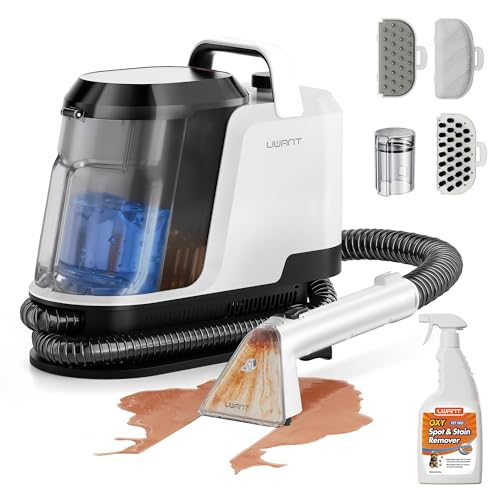
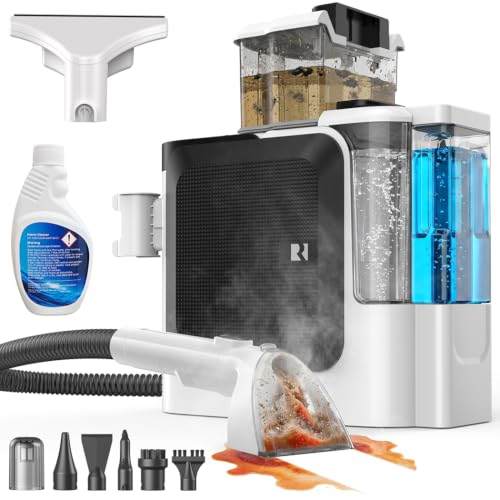

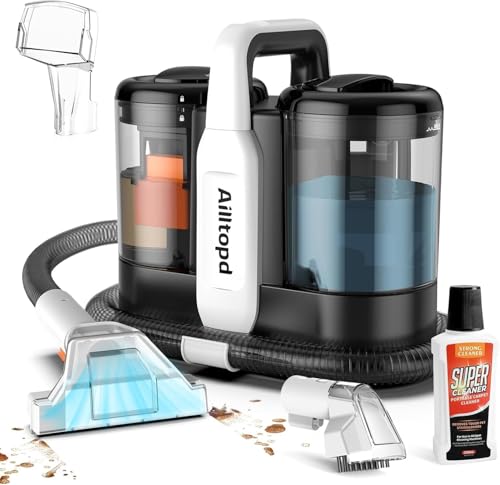

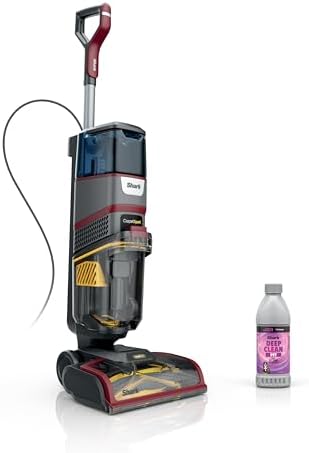
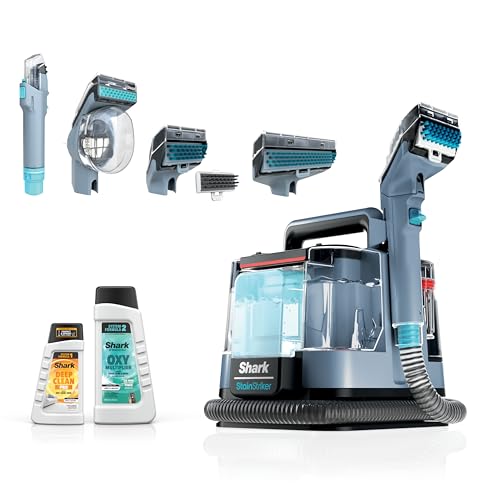
Types to Consider at a Glance
Three broad types can clean fabric car seats, and they differ mostly in reach and water control. Portable spot cleaners use a short hose and small hand tool. Compact uprights add larger tanks and a hose stored on the back. Larger uprights bring the most capacity but the clumsiest tools for tight interiors.
- Portable spot cleaners: easiest to carry to the driveway and best suited to single spills and small cars.
- Compact uprights with a hose: a middle path if you also clean stairs, sofas, and rugs at home.
- Larger uprights: useful for big home jobs, but often awkward around consoles, belts, and door frames.
Types Compared for Cleaning Car Seats
Portable Spot Cleaners
A portable spot cleaner sits on the ground while you work the hand tool across each cushion. The tanks are small, so you may refill during a full interior job, but the body is easy to move from one side of the car to the other. For most drivers, a best portable carpet cleaner style machine is the natural fit, since car seat work is spot work by nature. Choose this type if storage is tight and your cleaning is mostly spills and salt marks.
Compact Uprights With an Upholstery Hose
A compact upright cleans home carpet with its main base and cleans car seats with a hose and a small attachment. Larger tanks mean fewer trips to the sink, which helps if you plan to do both front seats, a rear bench, and floor mats in one visit. The trade off is bulk. The machine stays outside the car, so hose length decides whether you can reach the far side. Pick this type if one machine must serve both home floors and vehicles.
Larger Uprights and Rental Style Machines
Full size uprights and rental machines hold the most water and often bring strong suction, but size works against you in a car. Their tools can be wide and stiff, and a long session means lifting a heavy unit around a garage or parking area. They make sense when a vehicle has heavy soil across every seat and you already own or can borrow the machine. For a single spill, they are usually more machine than the job needs.
How to Evaluate Cleaners for Car Seat Work
Judge every candidate against the same short list, in this order. First comes tool fit, since a tool that cannot sit flat on a bolster cannot extract well. Next come suction and water recovery, then hose reach, tank access, and how simple the machine is to rinse. Heat and extra attachments only help after those basics are right. If you also shop for whole rooms, our guide to the best carpet cleaner covers floor cleaning in more depth.
- Tool width and edge shape for bolsters, headrests, and seams
- Suction strength and how dry the fabric feels after slow passes
- Hose length, cord length, and total reach from outside the car
- Tank size, plus how easily each tank lifts out and rinses clean
- Brush type, solution control, and any heat feature
- Weight, storage footprint, and stated safety listings such as UL or ETL
How to Choose the Right Cleaner for Your Car Seats
Type and Where You Will Work
Start with your parking setup. If you clean in a driveway or garage with an outlet nearby, a corded portable or compact upright gives steady power for a full interior. If you park on a street or in a shared lot, a lighter portable is easier to carry and store indoors. You will work from both sides of the car, so a machine that is simple to lift and set down again saves real effort.
Features Worth Paying For
A narrow crevice style attachment earns its place, since it pulls crumbs and grit from the gap where the seat back meets the cushion. A brush with soft bristles loosens dried spills without roughing up fabric, and a trigger that releases solution only when you squeeze it prevents soaking. Separate clean and dirty tanks keep fresh solution apart from what you extract. If pets ride with you, compare options in our guide to the best carpet cleaner for pet stains, since pet soil needs strong extraction.
Power, Suction, and Heat
Motor ratings in amps or watts tell you how much power a machine draws, but what you feel on fabric is suction at the tool. Strong recovery matters more than spray pressure, because water left in foam padding dries slowly and can leave a musty smell. Some machines heat the water, which can loosen oily soil. Heat is a bonus, not a substitute for slow extraction passes. The comparison in carpet cleaner vs steam cleaner explains where each method fits.
Safety and Material Checks
Always check the care label and the vehicle manual before wet cleaning. Some fabrics carry coatings that water based cleaning can disturb, and seats with built in airbags or heating elements need extra care around seams and wiring. Never soak a seat with electrical parts, and keep solution away from buckles and sensors. Test cleaner and solution on a hidden area first and let it dry to check for color change. Choose a machine with a recognized safety listing, and let the cabin dry fully before use.
Size, Storage, and Reach
Measure reach, not just the machine. Add hose and cord length together and picture the machine beside an open door while you lean into the rear bench. A short hose forces you to balance the unit on the seat itself, which risks spills of dirty water. Bigger tanks reduce refills but add weight once filled. At home, note the storage footprint too. A tall upright needs closet depth, while a portable tucks onto a shelf.
How Much Should You Spend
Basic portables often sell for under $100 and handle fresh spills well, though tanks and tools stay small. The middle band, about $100 to $200, brings stronger suction, longer hoses, and better brushes, and suits most owners who clean seats a few times a year. Spending about $200 to $300 usually buys a compact upright that also handles home carpet. Paying beyond that makes sense mainly when the machine will clean large home areas often.
What Matters Most When Cleaning Car Seats
Car seats are vertical, contoured, and broken into small panels, so technique matters as much as the machine. Work one panel at a time, spray lightly, agitate gently, then make slow extraction passes until the water looks clearer. Our overview of how to use a carpet cleaner covers pass order and solution use, and the same habits apply here. Clean upper panels first and lower panels last, so dirty water does not drip across finished fabric.
Drying deserves equal attention. A car cabin is a small closed space, and damp foam can hold odor for days. Extract as much water as you can, then leave doors open or windows cracked in a safe place. Press a dry towel into seams to pull out hidden moisture. Do not close up a wet interior overnight, and wait until cushions feel dry to firm hand pressure, not just dry on the surface.
Common Mistakes to Avoid
- Soaking the cushion with repeated spraying, which pushes soil into the foam and stretches drying time for hours.
- Using a wide floor tool on seats, which breaks the suction seal on curves and leaves dirty water behind.
- Skipping a hidden area test, which can lead to color change on dyed fabric that only shows once it dries.
- Cleaning in direct strong sun, which dries solution on the surface before you can extract it and leaves streaks.
- Ignoring seat electronics and airbag seams, which risks damage that a simple check of the manual would prevent.
- Putting the machine away with dirty water inside, which leaves odor in the tank and hose for the next use.
Care and Maintenance for Your Machine
Rinse both tanks after every car session, since gritty road dirt settles fast and can cloud your view of the water. Run clean water through the hose and tool, then let every part air dry with caps open. Wipe hair and lint from the brush and check the tool edge for small stones that could snag fabric. The full routine in our guide to how to clean a carpet cleaner adds filter care and hose flushing. Store the machine in a dry spot, since damp storage causes stale smells.
FAQ
What is the best carpet cleaner for car seats?
For most drivers it is a portable spot cleaner with a narrow tool, a hose long enough to work from outside the car, and strong water recovery. That format fits contoured cushions better than a floor machine and stores easily. If you also clean home carpet often, a compact upright with a good upholstery hose can serve both jobs. Match the choice to your parking setup, not to tank size alone.
What should I look for in a carpet cleaner for car seats?
Look first at the hand tool. A clear front panel on the tool is a small detail with real value, since you can watch the extracted water turn from dark to lighter and know when a panel is actually clean. Also check that the solution trigger is easy to hold during long passes and that replacement brushes and seals are easy to find, since those small parts wear before the motor does.
Can you use a carpet cleaner on leather car seats?
No. Water extraction machines are made for fabric, and soaking leather can dry it out, stiffen it, and damage stitching. Leather seats need a cleaner and conditioner made for leather, applied by hand with a soft cloth. If your car has mixed surfaces, clean the fabric panels with the machine and shield leather trim with a dry towel. When in doubt, the vehicle manual gives the final word.
How long does a carpet cleaner last?
A home machine used a few times a year often lasts about five to eight years, with brushes, seals, and hoses wearing out before the motor. Lifespan drops when dirty water sits in the tank or the machine is stored in a damp garage. Rinsing after each job and replacing a worn brush helps stretch it. If suction falls sharply after a full rinse and filter check, a repair quote helps you decide between fixing and replacing.
Is a carpet cleaner worth it for car seats alone?
It can be, if you clean seats at least two or three times a year or carry kids and pets often. Compare the price with what two rental days or one professional detail would cost in your area. Ownership also means you can treat a spill the same day, before it sets. If you expect only one cleanup after a single spill, renting or paying for one detail is often cheaper.
Final Thoughts on Choosing Carpet Cleaner for Car Seats
The right machine is the one whose tool fits your cushions, whose hose reaches every seat, and whose extraction leaves fabric nearly dry. Portables suit most drivers, compact uprights suit homes that need one machine for floors and vehicles, and larger units only earn their bulk on heavy jobs. Light spraying, slow passes, and patient drying will decide your results more than any single feature. Use the product table above to compare types, and start your search for the best carpet cleaner for car seats with tool fit and reach first.