Best Biodegradable Paper Towels in 2026: Which Type Is Right for You?
Disclosure: We may earn a commission when you buy through links on this page, at no extra cost to you. As an Amazon Associate I earn from qualifying purchases. Learn more
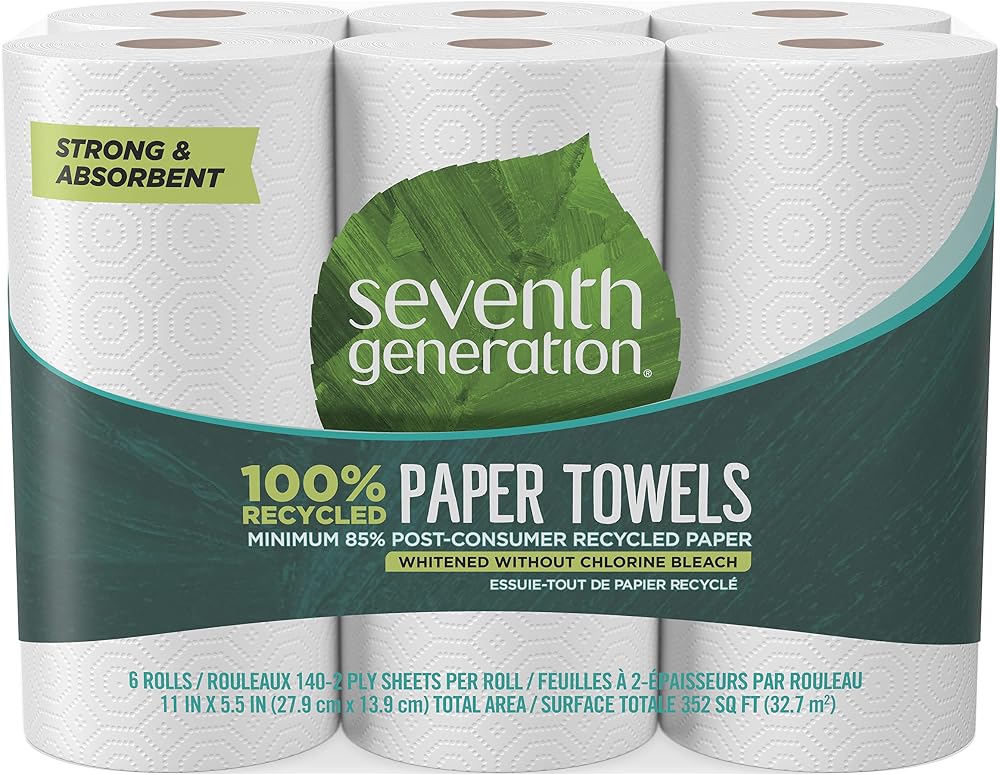
Compare the best biodegradable paper towels by type, ideal user and price range to choose the right style for your home.
Choosing best biodegradable paper towels feels confusing because every roll claims to break down, yet the fibers, coatings and disposal rules differ a lot. A towel made from bamboo does not behave like one made from recycled paper, and a roll that suits home compost may not suit a city program. This guide sorts those differences by use, so you can match a type to your kitchen habits.
You will learn which households gain most, how the main types compare on strength and cost, and which label details actually matter. For a quick side by side view of sheet counts and formats, start with the comparison table below.



Who Should Buy Biodegradable Paper Towels?
The right roll depends less on a green claim and more on how you clean, what you can compost, and how much strength you need when a sheet gets wet.
Households With a Home Compost Bin
You get the clearest benefit if you compost food scraps at home and want cleaning waste to join that stream where local rules allow it. Plain towels used on water, produce and food spills can often go in the bin, while towels soaked in chemicals should not. A small counter bin and a simple sorting routine matter more than buying the thickest roll.
Kitchens Cutting Plastic and Bleach
If your goal is to reduce plastic wrap in packaging and avoid bright white bleached sheets, unbleached and recycled types fit well. They trade a softer white look for fewer processing steps and often use cardboard cores and paper wrapping. If you clean glass often, read the notes further down on lint, since recycled sheets can leave more fibers on smooth surfaces.
Busy Homes That Need Strong Wet Cleanup
Families wiping counters, stovetops and toddler spills several times a day need wet strength above all, even if breakdown takes a little longer. Look for two ply sheets with strong plant fibers and a format that lets you tear a smaller piece for small jobs, so you use fewer sheets overall. That balance keeps one roll useful for quick pickups and larger spills.
Types of Biodegradable Paper Towels Compared
The three types below cover most rolls sold for home use. They differ in fiber source, feel and price, and the best biodegradable paper towels for one kitchen may be a poor fit for another.
Bamboo Fiber Towels
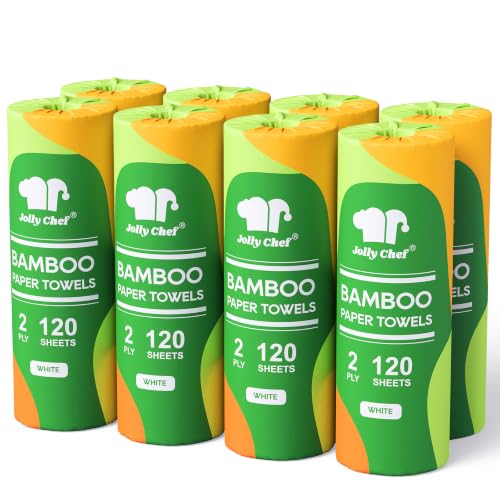
Bamboo towels use fibers from a fast growing grass, pressed into sheets that often feel smooth and hold together well when wet. They tend to cost more, at about $12 to $22 per multi roll pack, but many households use fewer sheets per spill. To compare strength across bamboo formats, see our guide to the best bamboo paper towels. Most bamboo rolls suit home compost when free of chemical cleaners.
Recycled Paper Towels
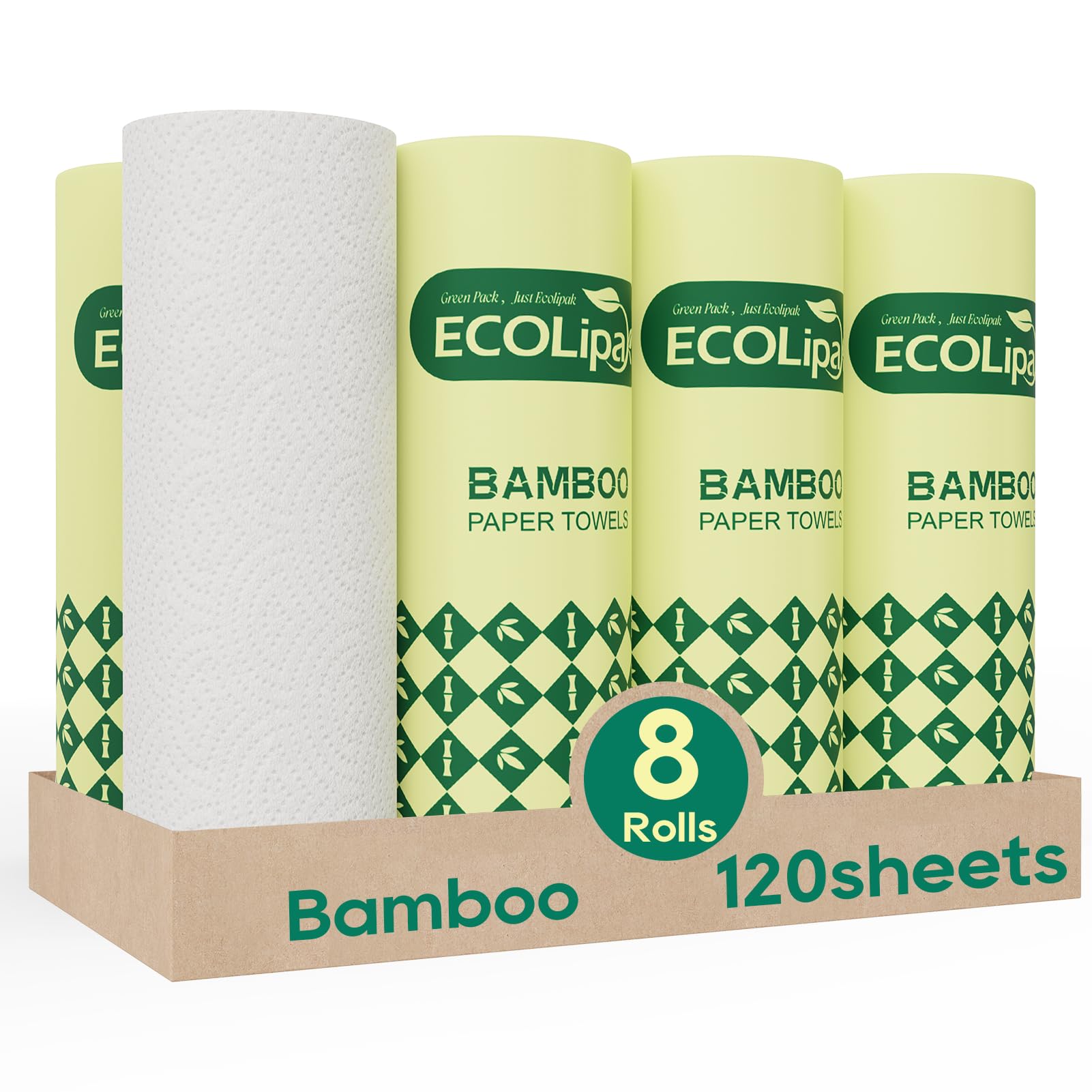
Recycled towels use recovered paper fiber, often with a high share of post consumer content stated on the pack. They usually cost less, at about $8 to $16 per multi roll pack, and they avoid new tree fiber, but sheets can feel thinner and shed more lint on glass. If this trade off fits your budget, see our guide to the best recycled paper towels to compare recycled content claims.
Unbleached Plant Fiber Towels
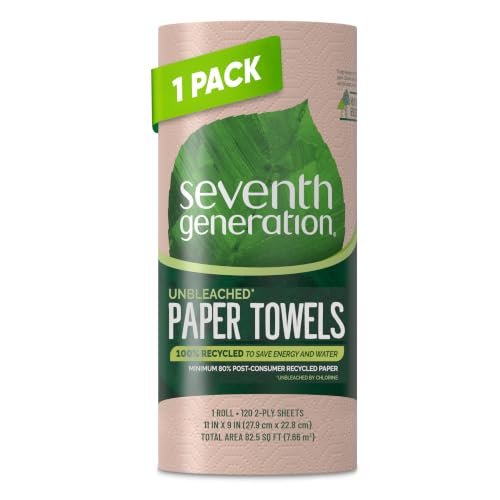
Unbleached towels skip the whitening step, so sheets look light brown and show their fiber source more honestly. They may use bamboo, recovered paper or other plant fiber, and they often come with plastic free packaging and no added scent. Their absorbency varies more between brands than the other types, so sheet size and ply matter a lot when you compare packs. They suit buyers who prefer the fewest added treatments.
Key Features to Compare
Use these five checks in order. Together they explain why two rolls with the same green claim can perform and break down very differently.
Fiber Source and Certification Claims
Fiber source tells you what the sheet is made from and what farming or recovery system you support. Bamboo, recycled paper and mixed plant fiber each carry different land, water and transport costs, so a single claim rarely tells the whole story. Look for named certifications and a clear recycled content share rather than vague words like natural or earth friendly. A credible label names the standard and what it covers.
Absorbency and Strength When Wet
Towels earn their place when they stay intact on a wet counter, under a greasy pan or around a dripping bottle. Ply, fiber length and sheet texture drive that result more than dry softness does, and embossed pockets can help trap liquid. If you judge rolls by how few sheets a spill takes, see our guide to the best quality paper towels for quality markers that apply across materials. A stronger sheet used once often beats a weak sheet doubled up.
Ply, Sheet Size and Sheets Per Roll
Count cost per sheet, not cost per roll, because roll lengths and sheet sizes vary widely. Full sheets suit large spills and lining bins, while select a size perforations let you tear a short piece for hands, fruit or a small splash, which cuts waste over a week. Two ply sheets usually hold more liquid than one ply sheets of the same fiber. Check total square footage on the pack when prices differ.
Bleaching, Scent and Added Resins
Whitening, scent and wet strength resins affect both feel and breakdown. Totally chlorine free and processed chlorine free labels describe different whitening methods, so read the full phrase instead of stopping at chlorine free. Added fragrance can linger on hands and food contact surfaces, and some resins slow compost breakdown even when the fiber itself breaks down quickly. For sensitive skin or baby feeding gear, plain unscented sheets are the simpler starting point.
Packaging and End of Life Disposal
Disposal decides whether a biodegradable claim helps in your home. Home compost, city compost and landfill are very different settings, with different heat, air and moisture, and many sheets break down slowly without oxygen. Check whether the roll is certified for home compost or only for industrial facilities, and note whether the wrapper is paper, film or compostable film. If your city accepts food soiled paper, that route often works better than a small cold home bin.
Common Mistakes to Avoid
These errors waste money or send sheets to the wrong bin.
- Buying on the word biodegradable alone leaves you with sheets that need industrial heat your home bin never reaches.
- Composting towels soaked in disinfectant or bleach can harm the microbes that drive your compost pile.
- Using a full sheet for every small splash empties a roll quickly and raises your cost per week.
- Flushing paper towels down a toilet can block pipes because sheets are made to stay strong when wet.
- Storing rolls under a damp sink softens the fibers and makes sheets tear before they finish a job.
- Judging value by roll price alone hides big differences in sheet count, sheet size and total area.
Care and Maintenance for Biodegradable Paper Towels
Store rolls in a dry cupboard away from sink spray and stove heat, and keep the open roll on a holder that lets air move around it. Damp storage weakens fibers, invites musty smells and makes outer sheets hard to tear cleanly.
For compost, tear used plain sheets into smaller pieces and mix them with food scraps rather than adding a thick wad, since smaller pieces break down faster and with fewer dry pockets. Keep sheets used with chemical sprays or heavy oil out of the compost and follow local program rules instead. If you rely on paper towels for daily cleaning tasks, see our guide to the best paper towels for cleaning for task based tips.
FAQs About Biodegradable Paper Towels
Are biodegradable paper towels compostable at home or only in industrial facilities?
It depends on the certification printed on the pack, and that distinction is the first thing to check. Some rolls are certified for home compost at normal outdoor temperatures, while others need the sustained heat of an industrial facility. As a practical test, add one plain used sheet torn into strips and watch whether it softens and blends within a few turns of the pile.
Can biodegradable paper towels go in a compost bin after wiping food spills?
Yes, plain sheets used on food, water and produce can usually go in compost where local rules allow food soiled paper. Tear them up and bury them lightly so they stay moist and do not blow away. Sheets used on raw meat juices are best kept out of a small home bin, since home piles rarely stay hot enough for that waste.
Do biodegradable paper towels break down in a landfill?
They break down much more slowly in a landfill than in compost, and sometimes barely at all for long periods. Landfill layers limit oxygen and moisture, and compacted paper can produce methane as it decays without air. That is why disposal route matters as much as fiber choice.
How long do biodegradable paper towels take to break down in compost?
In an active home compost pile, a torn plain sheet often disappears in about two to six weeks, while a cold or dry pile can take far longer. Thickness, coatings and how often you turn the pile change the pace. If whole sheets are still visible after a month, tear future sheets smaller and mix them with wetter food scraps.
Do bamboo paper towels leave less lint on glass than recycled paper towels?
Often yes, bamboo sheets tend to leave less lint on glass and mirrors because their fibers are longer and sheets feel smoother. Technique matters too, so use a dry sheet for the final pass and avoid a sheet that is already saturated. Recycled sheets still work on glass if you follow with a dry cloth for the last wipe.
Our Verdict
Start with fiber and disposal, then judge strength and cost per sheet, because those choices decide whether a roll fits your home week after week. Choose bamboo for wet strength and low lint, recycled fiber for lower cost and recovered content, and unbleached types for the fewest treatments. When you compare the shortlist in the product table above, the best biodegradable paper towels for your kitchen will be the ones you can dispose of correctly without doubling sheets.